
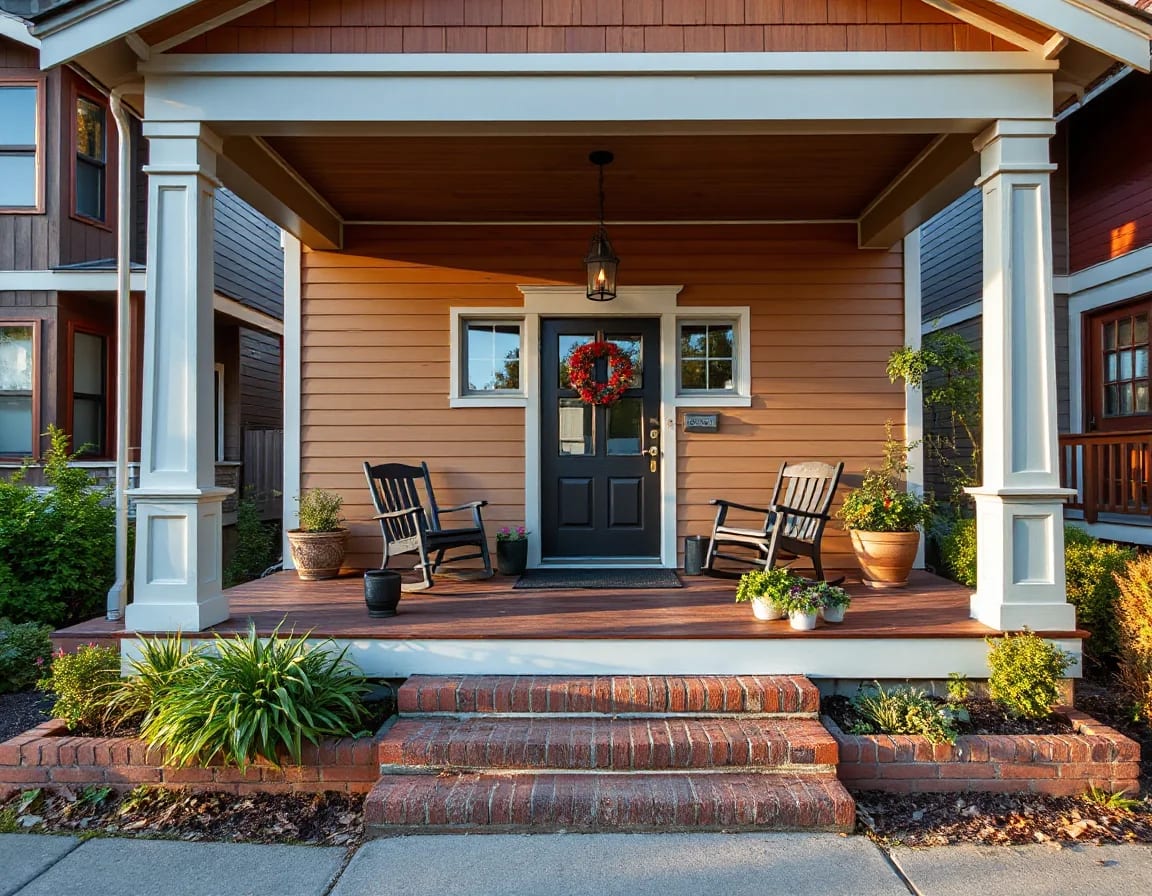
Buying your first home in Ballard can feel like learning two markets at once: townhomes move on one set of tradeoffs, while bungalows play by another. This guide breaks down what to compare, where first-time buyers often overspend, and how to build a plan that fits real inventory rather than wishful scrolling. If you want a cleaner way to evaluate layout, condition, monthly cost, and resale flexibility, start here.
Why Ballard Feels Tricky for First-Time Buyers
Ballard rewards preparation. On paper, the choice may look simple: a newer townhome with lower near-term maintenance or an older bungalow with a yard and more classic character. In practice, first-time buyers are usually balancing commute patterns, storage needs, parking, renovation tolerance, and how much monthly payment they can comfortably carry once taxes, insurance, and utility costs are added back in. That is why two homes with similar list prices can feel completely different after a serious side-by-side review.
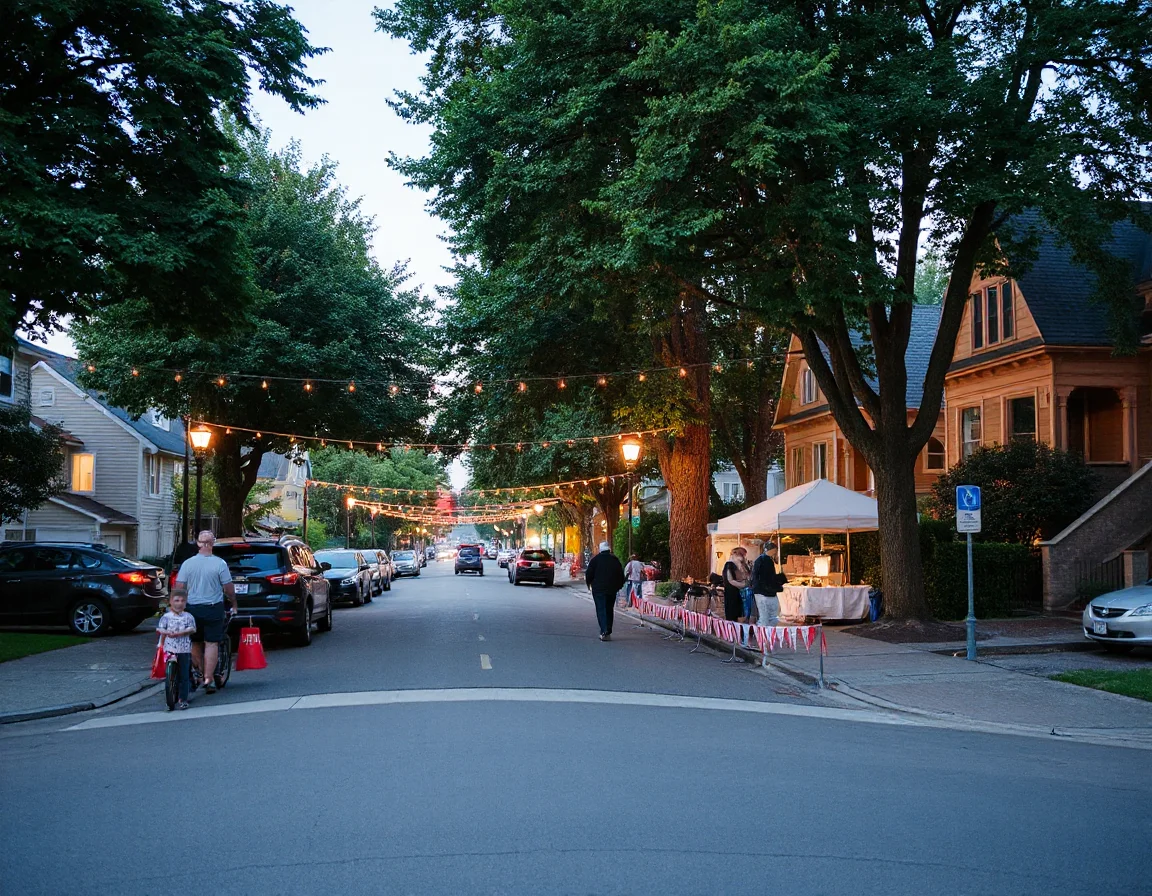
What makes this neighborhood especially interesting is the mix of housing stock. One block may feature updated attached homes with roof decks and efficient floorplans, while the next has detached houses with basements, detached garages, or original details that appeal to buyers looking for flexibility over time. That variety is a strength, but it also makes comparison harder because price per square foot does not tell the whole story.
For a first purchase, the key is to stop asking which property type is “better” and instead ask which set of compromises is easier for you to live with for the next several years. A narrower layout with newer systems may be a smoother entry point than a detached home needing electrical work, sewer review, and a cosmetic overhaul. On the other hand, a bungalow with usable outdoor space and a more conventional floorplan may offer easier day-to-day function than a vertical townhome with many stairs.
In competitive Seattle neighborhoods, the winning first-time strategy is usually clarity, not speed alone. Buyers who know their non-negotiables before touring tend to make stronger decisions when the right home appears.
How to Compare Townhomes and Bungalows Without Guessing
Start with layout before you look at finishes. Townhomes often show well because they are newer and brighter, but the real test is how the home lives on an ordinary weekday. Count the stairs. Check whether the kitchen and living area are on the same level. Look at where guests would enter, where deliveries would go, and whether there is a practical spot for coats, bikes, or work-from-home equipment. Small friction points matter more after move-in than countertop material or paint color.
Bungalows deserve a different checklist. Condition becomes more important than cosmetics, especially if the home is older. Buyers should pay attention to roof age, windows, foundation movement, drainage, heating systems, and whether previous updates appear cohesive or piecemeal. A detached house can offer more flexibility for future changes, but that flexibility only feels exciting when the core systems are in manageable shape.
Another useful comparison is your likely total monthly spend. A townhome may come with homeowner dues or shared maintenance arrangements, while a bungalow may bring higher upkeep exposure even without dues. Insurance can differ. Utility patterns can differ. Yard care, tree maintenance, or drainage improvements may not show up in the list price, but they still belong in the decision.
Finally, think ahead to resale. Homes that are easy to understand tend to attract broad interest when it is time to sell. In a townhome, that could mean practical parking, a usable entry level, and outdoor space that feels private and functional. In a bungalow, it could mean an intuitive floorplan, visible maintenance history, and updates that support everyday comfort without removing the home’s original appeal.
The Ballard-Specific Details That Deserve Extra Attention
Micro-location matters here. Two homes may both carry a Ballard address, yet offer very different noise levels, traffic patterns, access to parks, and proximity to daily errands. Rather than assuming all inventory in the area behaves the same, buyers should look carefully at block-level context: where the home sits relative to arterial streets, whether parking is easy or consistently tight, and how close the property is to the amenities they plan to use regularly.
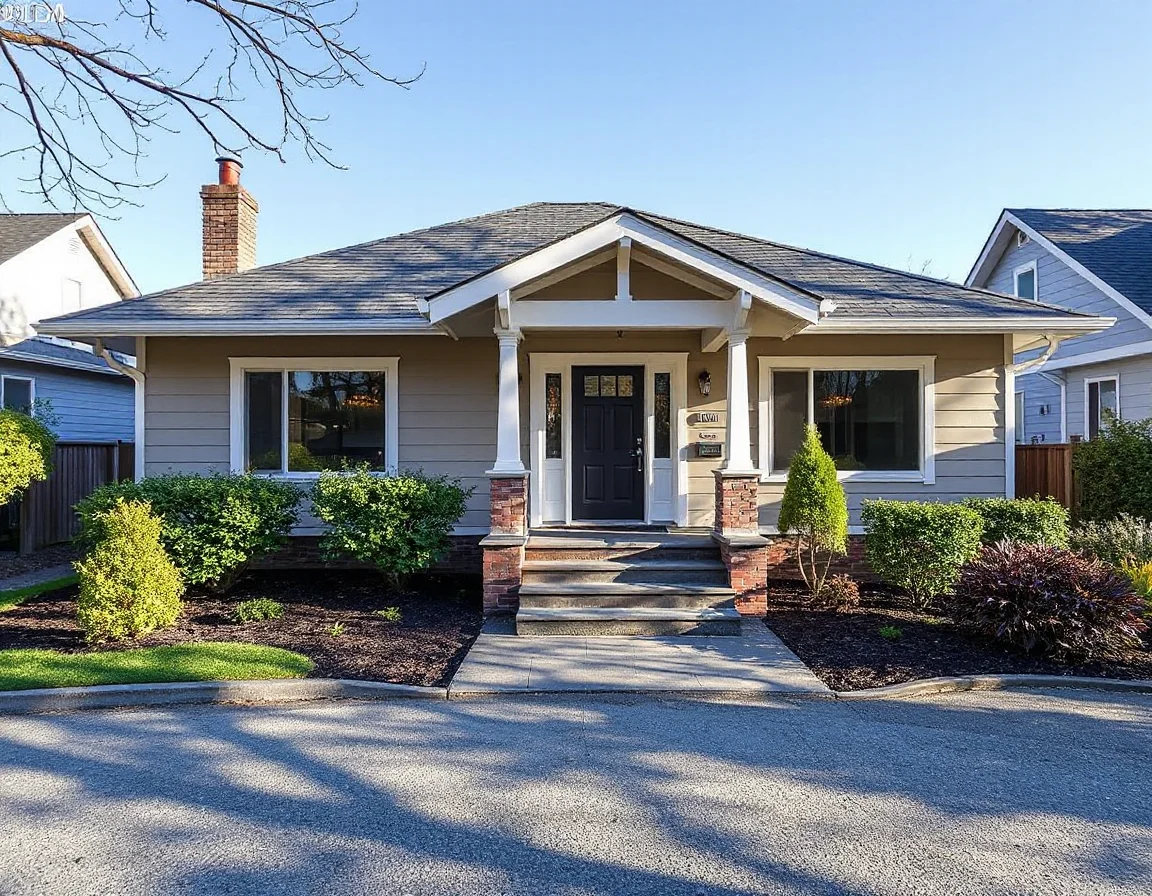
Parking deserves more attention than many first-time buyers expect. Some townhomes have alley access or a compact garage that works better for storage than for a larger vehicle. Some bungalows have driveways, detached garages, or unrestricted street options nearby, but the setup varies home by home. If parking is part of your daily routine, test it during a showing rather than assuming it will sort itself out.
Outdoor space is another category where the details matter. A roof deck can be a meaningful extension of living space, but only if it feels private enough and large enough to use often. A bungalow yard can be valuable too, though it may require more maintenance than buyers initially budget. Instead of mentally scoring “deck” versus “yard,” evaluate whether the specific outdoor area actually supports how you plan to use it.
The most useful showing question is often the simplest one: “What would my routine look like here on a rainy Tuesday?” That question quickly exposes awkward layouts, storage gaps, and access issues.
When touring older homes, it also helps to watch for signs of deferred maintenance around exterior paint, gutters, crawlspaces, retaining walls, and drainage paths. In attached homes, review the practical side of shared walls, guest parking, and any governing documents if applicable. A first home does not need to be perfect, but it should be understandable.
A Smarter Offer Strategy for a First Purchase
Many first-time buyers assume the strongest offer is always the highest number. In reality, a strong offer is the one that matches the property, the competition, and your risk tolerance. That starts with knowing your upper limit before emotions get involved. If a home needs immediate work, leave room for that reality. If a home is turnkey, decide in advance how much convenience is worth to you rather than stretching impulsively at the last minute.
It also helps to separate urgency from pressure. Well-presented Ballard homes can move quickly, but rushing is not the same as being ready. Read the seller disclosure carefully, review the pre-inspection if one is available, and understand what your financing actually allows. First-time buyers gain leverage when they can move decisively on the right property because they have already handled the groundwork.
One of the most common mistakes is treating every listing as if it requires the same strategy. A newer townhome with multiple similar nearby sales may be easier to price confidently than a renovated bungalow with unique lot features and limited direct comparables. Your approach should adjust to the property type, condition, and how tightly the home fits current demand.
Talk through your Ballard buying plan
Build a Survival Map Before You Tour
The best first-time buyer “survival map” is a short list you can actually use in the field. Rank your priorities in order: monthly payment comfort, layout function, parking, outdoor space, condition, and future flexibility. Bring that framework to every showing so you are measuring each home against the same standard. Doing that turns a confusing search into a manageable process.
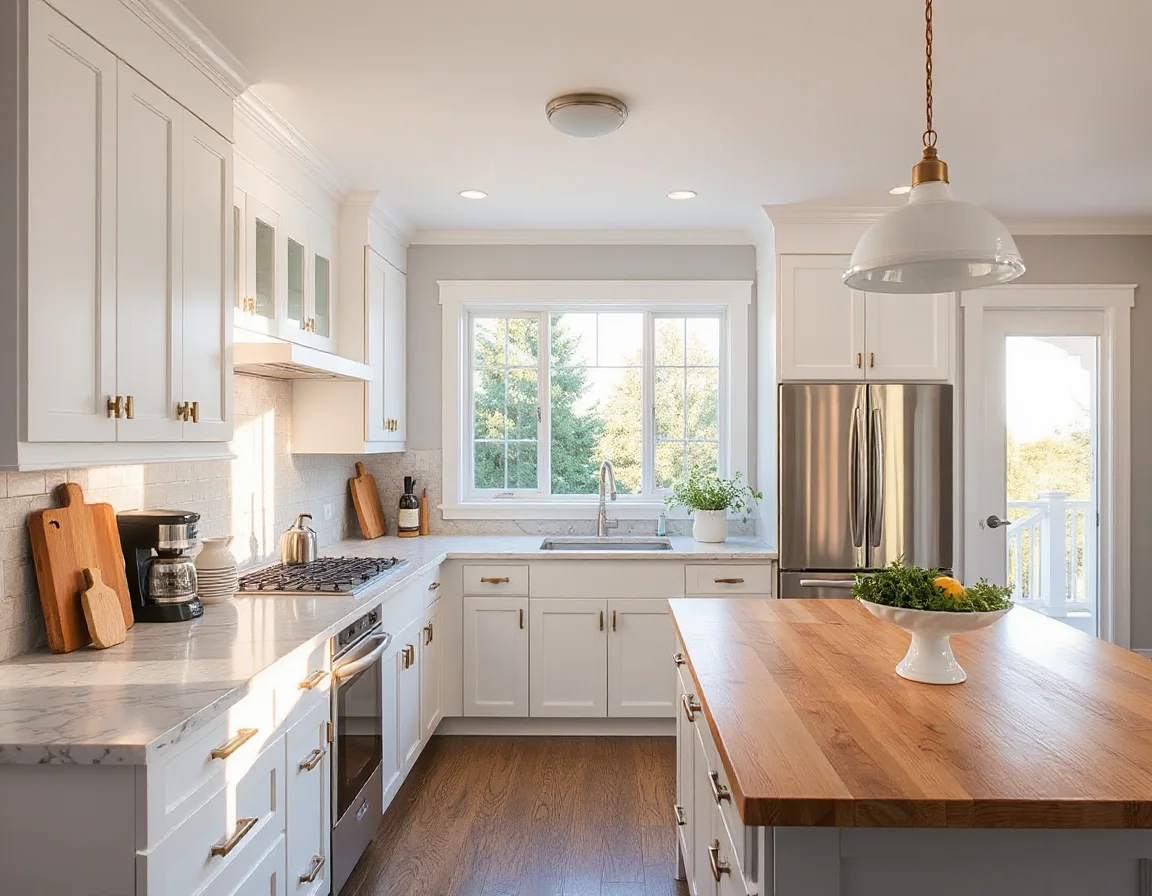
A good first home in Ballard is not necessarily the one that impresses you most in the first five minutes. It is the one that still makes sense after you account for repairs, movement through the space, neighborhood context, and the total cost of ownership. Sometimes that will be a streamlined townhome with efficient systems and less maintenance. Sometimes it will be a bungalow with stronger long-term flexibility and a floorplan that simply fits better.
Either way, buyers who do well here are usually the ones who stay honest about tradeoffs. If you know what you can live without, what you need every day, and what level of upkeep you are prepared to handle, the search gets clearer fast. Ballard offers enough variety that there is rarely only one path forward. The challenge is not finding a perfect home; it is recognizing the right fit before the next buyer does.