

Rental planning around Puget Sound often looks straightforward until the numbers get more specific. Small shifts in taxes, vacancy, insurance, maintenance timing, and management structure can change whether a property feels predictable or stressful to operate. This guide breaks down the math that matters most so owners can compare scenarios with clearer expectations before setting rent, buying another property, or adjusting strategy.
Why the math matters more than the headline rent
It is easy to build a rental plan around one number: monthly rent. In practice, that figure is only the top line. Owners across the Puget Sound region usually need a more complete picture that includes leasing costs, recurring repairs, reserves for large replacements, property taxes, insurance premiums, utility responsibility, and the time involved in day-to-day management. When those line items are ignored, a property that appears to cash flow on paper can feel much tighter month to month.
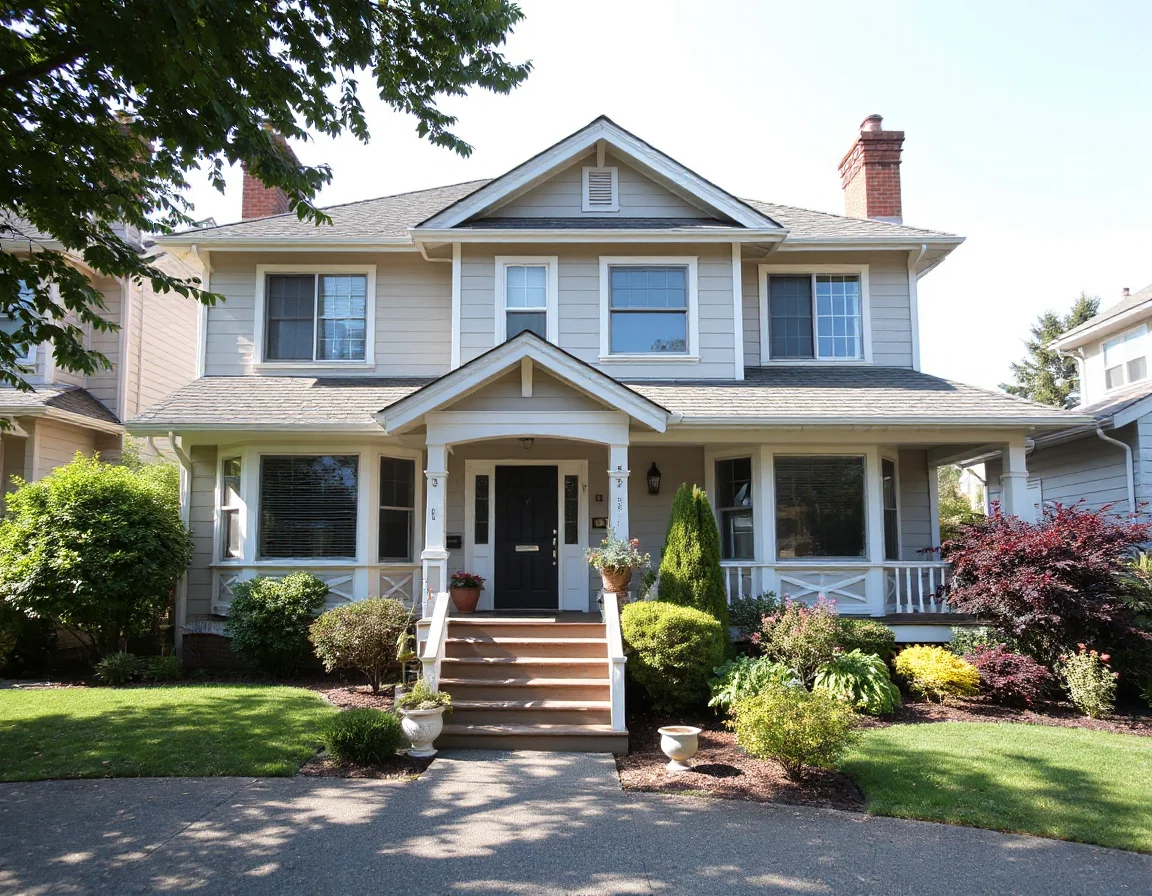
A more durable approach starts with net operating thinking. Instead of asking, “What rent could this home bring?” ask, “What does this property keep after normal operating costs?” That shift changes decision-making fast. A home with slightly lower rent but fewer deferred maintenance items may outperform a higher-rent option that needs a roof, exterior paint, appliance updates, and more frequent turnover work.
In Puget Sound markets, weather exposure also plays a role in the math. Moisture management, drainage, moss control, siding upkeep, and seasonal gutter service are not glamorous line items, but they can be recurring and important. For condominiums, HOA dues may cover part of the exterior burden, while detached homes may require larger direct reserves. The result is that two properties with identical rents can produce very different owner outcomes.
A rental plan gets stronger when reserves are treated as part of the monthly equation, not as a surprise when a large bill arrives.
That is why owners often benefit from building at least three versions of the same budget: a best-case month, a typical year, and a stress-tested scenario with vacancy or a major repair. Seeing all three makes it easier to evaluate whether the plan still works when conditions are less than perfect.
The expense categories that quietly reshape returns
Some of the most important numbers in property management are the ones that arrive irregularly. Turnover costs are a good example. A property may perform smoothly while occupied, then require cleaning, paint touch-ups, carpet work, appliance service, marketing, screening time, and possibly a leasing fee when a resident moves out. If those costs are averaged across the full year, the monthly performance often looks different than it did during the lease term.
Maintenance is another category where owners benefit from realistic assumptions. Routine requests may be manageable, but larger systems drive the real planning conversation: water heaters, HVAC components, roofing, windows, decks, plumbing failures, and exterior wear. Even when a property is in good condition, budgeting for future replacement helps avoid reactive decisions later.

Insurance and taxes can also move faster than owners expect. Increases in assessed value, replacement costs, or carrier pricing can narrow margins even when rent remains steady. Utility structure matters as well. A home where the resident pays most utilities may budget differently than a small multifamily property where certain services remain owner-paid. Those differences should be visible before setting performance expectations.
Then there is vacancy. A single empty month does not only reduce income by one month of rent. It can also stack with cleaning, repairs, marketing time, and a gap before the next lease begins. That combined impact is why many owners prefer to underwrite some vacancy even during strong demand periods, rather than assuming continuous occupancy.
If one vacant month plus turnover work would erase several months of projected profit, the plan may need a larger reserve or a different rent strategy.
None of this means rental property is inherently unpredictable. It means the math becomes clearer when recurring and non-recurring costs are both included. Once those pieces are visible, owners can compare options more confidently and decide whether they want to optimize for stability, long-term appreciation, or near-term cash flow.
How management structure changes the numbers
Self-management and professional management each have real math behind them. A self-managed plan may reduce direct management fees, but it still carries time costs tied to leasing, communication, repair coordination, notices, documentation, accounting, and compliance. For some owners, especially those with multiple properties or demanding schedules, the value of consistency and process can outweigh the fee difference.
Professional management also changes outcomes in subtler ways. Faster response times, more systematic maintenance tracking, clearer vendor coordination, and disciplined lease administration can affect renewal rates, turnover timing, and property condition. Even a modest reduction in vacancy or deferred maintenance may offset part of the fee structure over time.
That is where planning should move beyond percentages alone. Instead of comparing “management fee versus no management fee,” compare complete operating models. What happens to annual cash flow if turnover shortens by two weeks? What happens if maintenance is handled before a small leak becomes a larger repair? What is the cost of one compliance error, missed inspection issue, or poorly documented turnover?
Explore property and brokerage services
Owners with investment goals may also want management math connected to a broader real estate strategy. If one property is likely to remain a steady long-term hold, the budget assumptions may differ from a property being repositioned for future sale or one intended to support a larger portfolio. Looking at property management within a full-service brokerage model can make those decisions more coordinated.
Puget Sound planning works best with scenario-based decisions
Across Seattle and surrounding markets, rental strategy often works best when owners compare realistic scenarios instead of searching for a single perfect projection. One scenario might assume modest annual repairs and strong occupancy. Another might include insurance increases, a vacancy gap, and a larger capital item. A third might test whether slightly different pricing changes application volume, days on market, or renewal decisions.

This kind of planning is especially useful when deciding whether to hold, refinance, improve, or acquire. If a property only works under ideal assumptions, it may need a different operating plan. If the numbers remain solid even after adding reserves and vacancy, that usually gives an owner more flexibility and confidence. The goal is not to predict every expense perfectly. It is to avoid being surprised by categories that are common and knowable.
Another advantage of scenario planning is better timing. Owners can schedule improvements with less disruption, prepare for seasonal maintenance windows, and set expectations for upcoming capital needs. A practical budget often supports calmer decisions, because the property is being run with foresight instead of reaction.
For owners evaluating next steps, it can help to review not just market rent but also lease structure, condition, deferred maintenance, and management workload. Those details are where many rental plans either tighten up or become more resilient. In a region with varied housing types and operating costs, the strongest plan is usually the one built on complete math rather than optimistic math.
When the numbers are organized clearly, a rental property becomes easier to judge on its real performance. That creates better decisions about pricing, maintenance, management, and long-term ownership across the Puget Sound market.