

Both Kirkland and Shoreline offer greenery, water access, and strong day-to-day livability, but they deliver those benefits in noticeably different ways. One leans toward a polished Eastside lakeside experience with a lively waterfront core, while the other offers a broader mix of neighborhoods, parks, and access points north of Seattle. If you are comparing the two, the best fit often comes down to commute patterns, housing style preferences, and how you want to spend a typical weekend.
Two Ways to Enjoy Water, Trees, and Everyday Convenience
Choosing between Kirkland and Shoreline is less about declaring a winner and more about identifying which version of Pacific Northwest living feels most natural for your routine. Both locations give home buyers access to mature trees, outdoor recreation, and a strong sense of place. What changes is the rhythm: Kirkland tends to feel more centered on Lake Washington and an established waterfront destination, while Shoreline spreads its appeal across a wider residential landscape with parks, neighborhood business districts, and access to both Seattle and the northern part of the region.
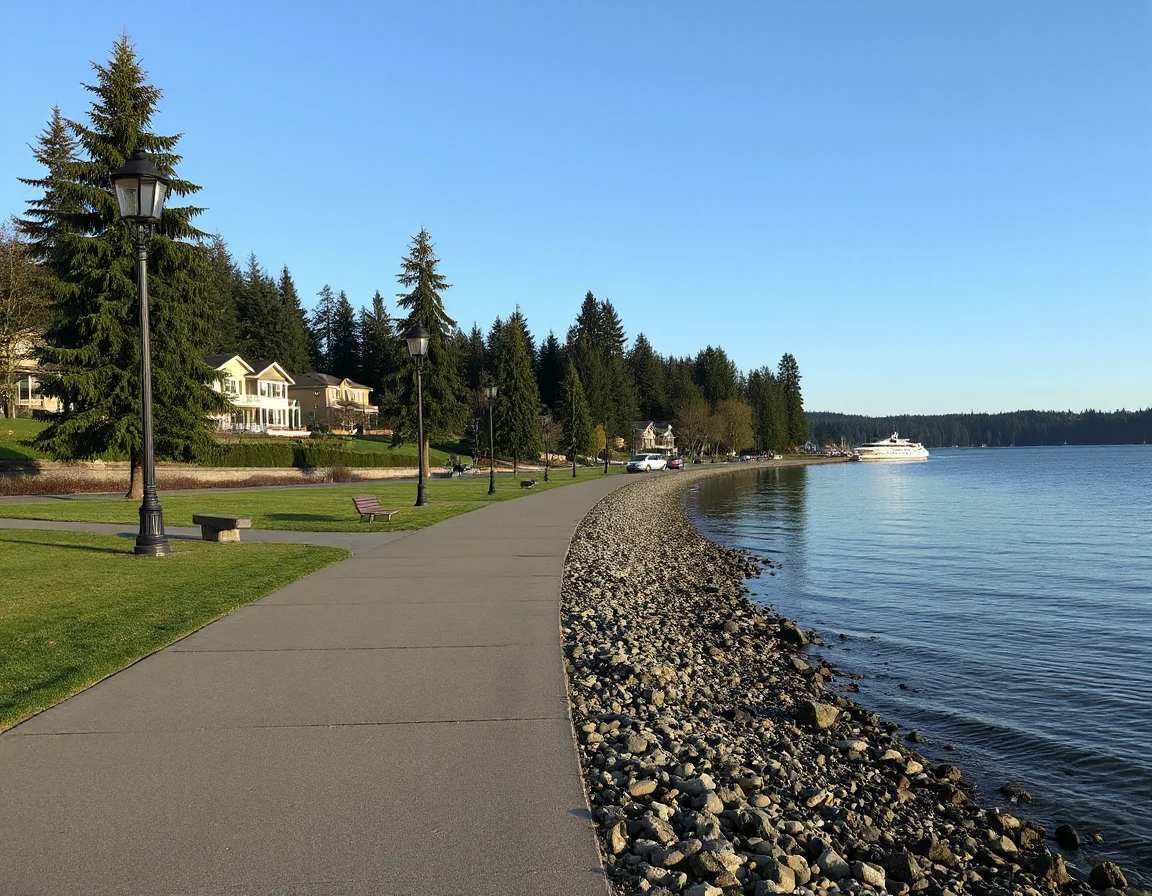
For many buyers, the first distinction is geography. Kirkland sits directly on Lake Washington, and that relationship shapes a lot of the local experience. Waterfront parks, marinas, and lake views are part of the visual identity of the city. Shoreline, by contrast, borders Puget Sound and includes access to sweeping shoreline parkland, but its day-to-day feel is often defined more by its network of residential pockets, green spaces, and transportation connections than by a single concentrated waterfront district.
That difference matters when you picture how you will actually use the area. If your ideal week includes frequent walks near a central lakefront area, dining near the water, and a compact core with a polished feel, Kirkland often stands out. If you prefer a larger city footprint with multiple neighborhood options, broad park access, and flexibility between Seattle-oriented and northbound travel routes, Shoreline may feel more practical.
A useful comparison trick is to map your real weekly patterns: commute, grocery run, favorite park stop, and weekend recreation. The better choice usually becomes clearer when you compare daily logistics instead of broad lifestyle labels.
Housing Stock and Neighborhood Texture
Kirkland’s housing mix includes everything from condos near the waterfront to established single-family neighborhoods and higher-end homes with strong design appeal. In many parts of the city, buyers will notice carefully maintained streetscapes, hillside homes, and properties that emphasize outdoor living with decks, patios, and territorial or water views. Depending on the pocket, inventory can feel competitive, especially for homes close to the water or the most walkable areas.
Shoreline brings a different kind of range. Buyers can encounter ramblers, mid-century homes, updated traditional houses, townhomes, and newer multifamily options across a broad set of neighborhoods. Lot sizes, street patterns, and home styles can vary significantly from one area to the next, which creates more contrast during a home search. That variety can be a real advantage if you want to compare multiple property types and price points without leaving the same city.
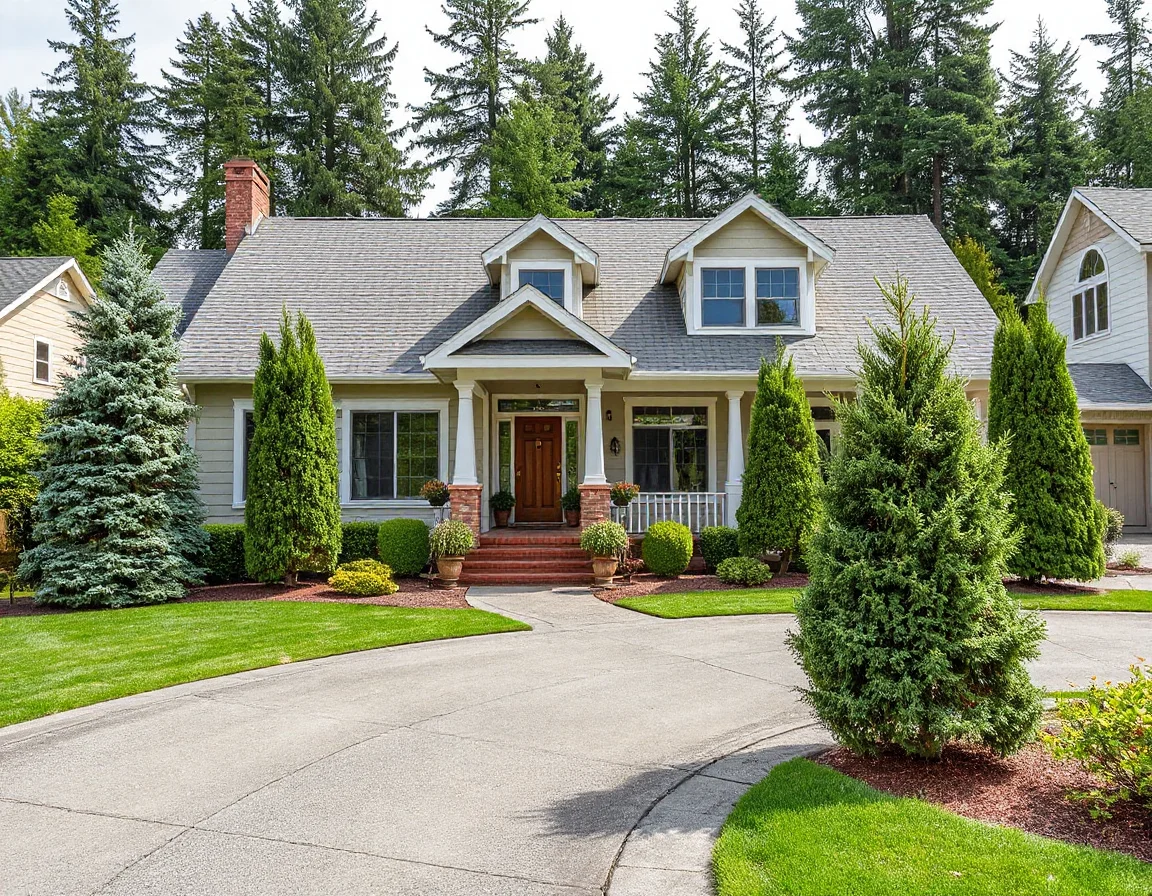
Texture matters just as much as square footage. Some buyers respond immediately to Kirkland’s more refined, lake-oriented atmosphere and the way public spaces and commercial areas connect to the shoreline. Others prefer Shoreline’s more spread-out feel, where blocks can read as quieter and more residential, with parks and daily conveniences woven through different sections of the city rather than clustered in one flagship district.
From a market perspective, this means your search strategy should stay flexible. In Kirkland, paying attention to micro-locations can make a major difference in value, views, and walkability. In Shoreline, comparing neighborhood-by-neighborhood patterns often reveals meaningful tradeoffs in lot size, updates, transit access, and proximity to parks or shoreline amenities.
Parks, Waterfront Access, and Weekend Use
When people talk about a lake-and-trees lifestyle, they are usually describing more than scenery. They are talking about how often they can step outside and immediately enjoy it. Kirkland excels at making that experience visible and central. Waterfront parks, public shoreline access, and trails near the lake can turn an ordinary evening into something that feels elevated. The city’s public realm often feels intentionally designed to connect residents with the water.
Shoreline answers with scale and variety. The city offers broad access to parks, wooded spaces, recreation fields, and shoreline areas that create a more dispersed but still compelling outdoor pattern. Rather than focusing on one signature waterfront promenade, Shoreline often appeals to buyers who want multiple green destinations within a short drive or bike ride. It can feel less like a single postcard scene and more like a toolkit of outdoor options.

If recreation is high on your list, think specifically about your habits. Do you want easy access to waterfront strolling, marinas, paddle sports, and gathering spaces with a strong civic center nearby? Kirkland may align well with that vision. Do you prefer rotating between neighborhood parks, regional shoreline access, and a city layout that gives you different outdoor settings depending on the day? Shoreline may offer the variety you want.
The strongest lifestyle match often comes from repeatable convenience, not one standout amenity. A park or waterfront route you will use three times a week is often more valuable than a scenic spot you visit once a month.
Either way, both cities reward buyers who spend time on location before making a decision. Walk a few routes, test traffic at realistic hours, and visit a park on a weekday as well as a weekend. That kind of firsthand comparison tells you more than a map ever will.
Commute Patterns, Access, and Daily Movement
Kirkland generally appeals to buyers who want strong Eastside positioning, particularly for movement between Bellevue, Redmond, and Seattle. That can be a major practical benefit if your work or routine is centered on the Eastside’s employment hubs. The city’s layout also makes it easier to combine errands, recreation, and dining in a relatively compact area, especially near its most active commercial districts.
Shoreline’s advantage is often regional flexibility. With major north-south corridors and transit improvements, it can work well for people who need practical access into Seattle while also keeping options open toward north King County and Snohomish County destinations. Buyers who expect frequent in-city travel may appreciate that balance, especially if they want a residential setting without being far removed from urban access points.
Because traffic conditions can vary so much by route and time of day, this is one category where broad assumptions can be misleading. Two homes with similar square footage and a similar list price can deliver very different lived experiences depending on whether your weekday routine points east, south, or north. Looking at maps is useful; testing the route is better.
Which One Fits Best?
Kirkland may be the stronger fit if you want a more concentrated lakefront identity, a refined public waterfront experience, and close ties to Eastside destinations. Shoreline may be the stronger fit if you value neighborhood variety, a wider spread of parks and shoreline access, and a location that supports movement into Seattle and the northern part of the metro area.
Neither choice is one-size-fits-all, and that is the good news. Both places offer attractive outdoor settings, established residential areas, and housing options that can support different budgets and priorities. The real goal is to match the city to your pace of life, preferred home style, and the places you need to reach most often. When you compare them through that lens, the right answer usually feels less abstract and much easier to see.