
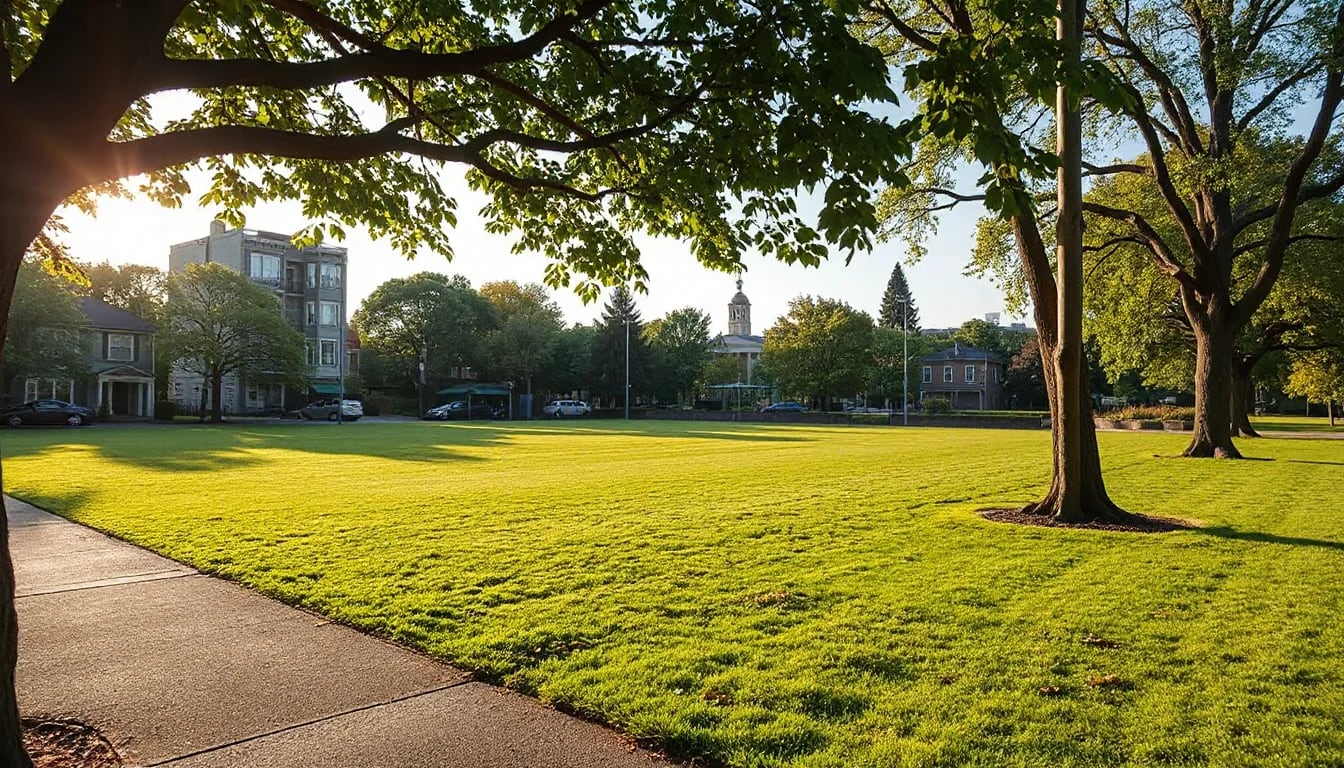
Fremont stands out for its mix of green space, established housing, active commercial corridors, and useful transit connections just north of central Seattle. If you are comparing Seattle neighborhoods, this guide breaks down what daily life looks like here, from park access and local landmarks to housing styles and practical market considerations. The result is a clearer picture of how Fremont fits into a home search based on location, amenities, and long-term appeal.
Why Fremont Draws Attention in Seattle
Set along the Lake Washington Ship Canal and close to Aurora Avenue, Ballard, Wallingford, and Queen Anne, Fremont offers a location that feels connected without losing its own identity. Streets shift between busy retail blocks, hillside homes, waterside paths, and small pockets of quiet residential character. That contrast is part of the neighborhood’s appeal: a short walk can take you from public art and gathering spaces to shaded side streets lined with older homes, townhomes, and updated residences.
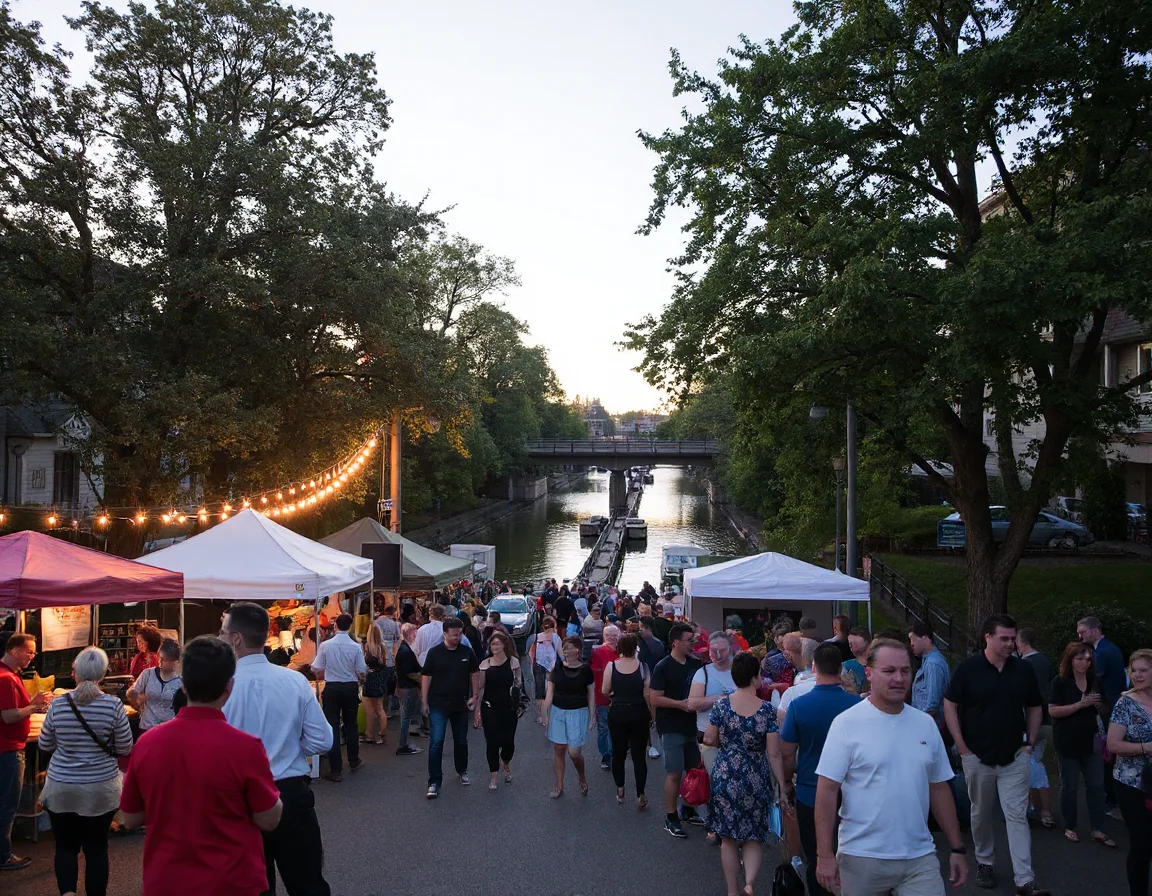
Many people know Fremont first for its independent spirit and recognizable landmarks, but the neighborhood also works well on a practical level. Access to nearby employment centers, a variety of home types, and a strong collection of daily conveniences make it more than just a weekend destination. Whether someone is looking at a condo near the commercial core or a detached home on a quieter slope, Fremont often enters the conversation because it combines character with functionality.
Architecturally, the area includes a broad mix: early-20th-century houses, Craftsman details, remodeled bungalows, contemporary infill, and condominium buildings woven into the neighborhood fabric. That variety can be useful for buyers who want options in layout, lot size, and maintenance level without leaving Seattle proper.
In Fremont, small location shifts can change the feel of a property quickly. A home near the canal, a hilltop residential block, and a unit close to the commercial center can each offer very different day-to-day rhythms despite being only minutes apart.
Parks, Water Access, and Outdoor Space
One of Fremont’s strongest assets is how much outdoor space is built into the neighborhood experience. Gas Works Park sits just to the southeast and is one of Seattle’s most memorable open spaces, with skyline views, broad lawns, and shoreline access that make it a year-round destination. Closer to the heart of Fremont, canal-side paths and bridge views add visual interest to everyday walks, runs, and bike rides.
Woodland Park is also nearby, adding trails, open recreation areas, and more breathing room than many close-in neighborhoods can offer. For those who value access to the Burke-Gilman Trail, Fremont’s location is especially notable. The trail creates a practical route for cycling and walking while also connecting the neighborhood to other parts of Seattle and the Eastside system.
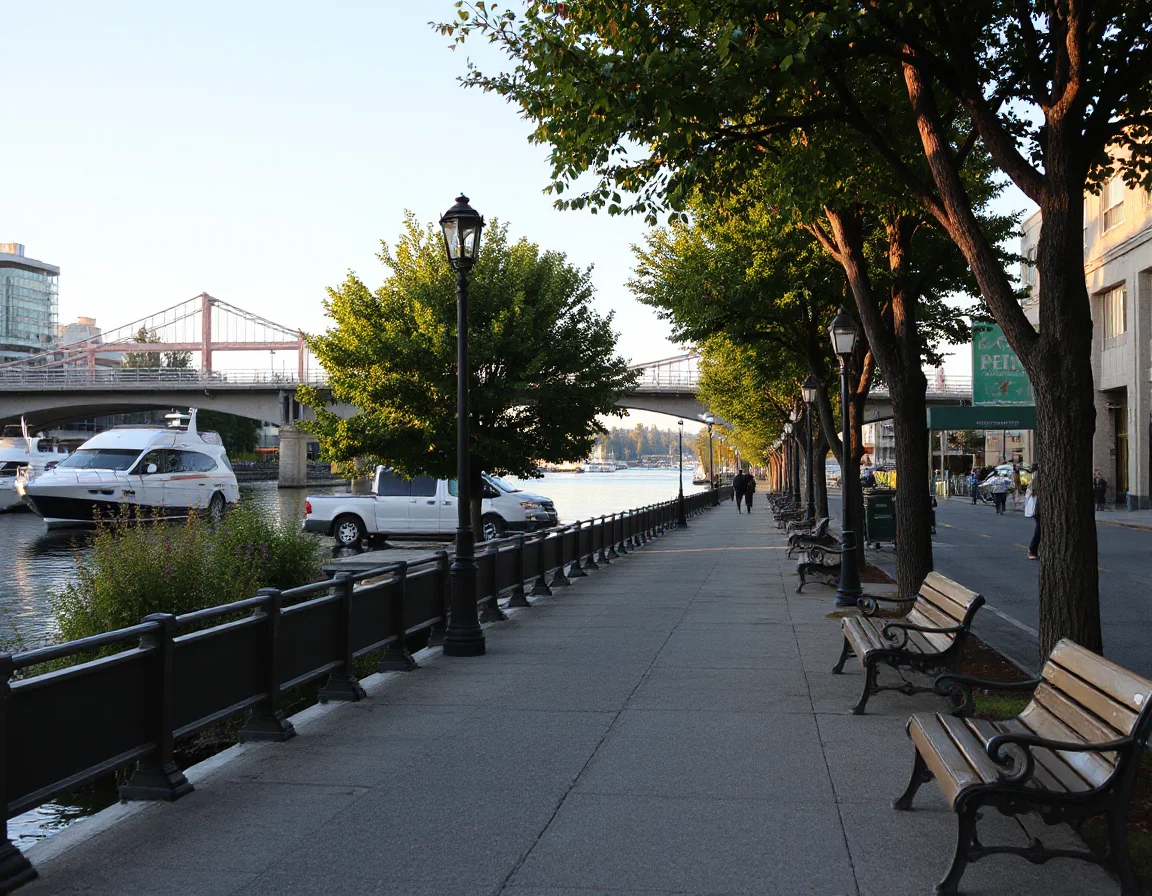
These outdoor connections shape more than leisure time. They can influence commuting choices, walking routes, and how people use the neighborhood throughout the week. A residence with quick access to a trail or park may appeal differently than one centered on retail convenience, even within the same ZIP code.
Seasonally, Fremont benefits from Seattle’s long summer evenings and a steady calendar of outdoor activity, but it also holds up well in cooler months because the landscape is integrated into the street network rather than isolated from it. Even a quick errand can include water views, tree cover, or a stop at a nearby open space.
Trail access is one of Fremont’s most practical location advantages. If walking and cycling routes are part of your routine, map them from a specific address before comparing price alone.
Retail Corridors, Dining, and Neighborhood Character
Fremont’s commercial core has a long-established local feel, with a mix of everyday services, casual gathering spots, specialty retail, and recognizable public spaces. The neighborhood has kept much of its distinct personality even as Seattle has grown and changed around it. Public art, bridge approaches, and compact blocks create an environment that feels active and visually layered rather than uniform.
Instead of relying on a single strip, Fremont’s activity is distributed through interconnected streets and nodes. That means residents often have more than one route to coffee, groceries, fitness options, or an evening out. It also gives the area a lived-in rhythm throughout the day, with morning errands, lunch activity, and evening foot traffic all contributing to the street scene.
Local history adds another dimension. Fremont developed as an independent city before becoming part of Seattle, and that legacy still shows up in its self-defined identity and playful landmarks. For home buyers, history matters not only because it creates atmosphere, but because it often corresponds with lot patterns, older building stock, and blocks that feel different from newer planned developments elsewhere in the city.
Transit and Getting Around
For many buyers, Fremont’s real strength is how easily it connects to other parts of Seattle. Bus service links the neighborhood to downtown, South Lake Union, the University District, and nearby urban centers. Aurora Avenue also provides a north-south route that can simplify regional travel, while adjacent bridges and arterials make cross-city trips manageable depending on time of day.
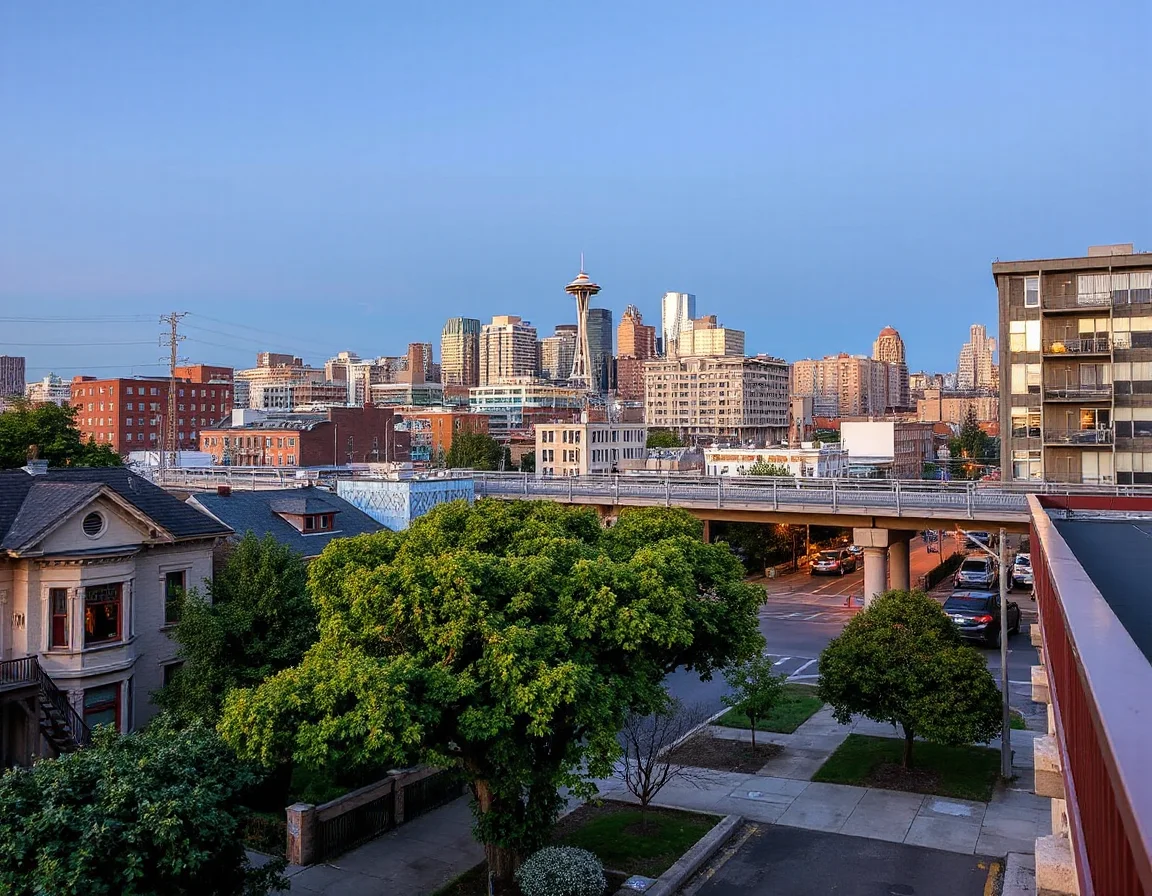
That said, transportation experience in Fremont depends heavily on micro-location. A home near major bus corridors may feel very different from one tucked into a hillier residential pocket. Parking, street width, traffic patterns, and pedestrian comfort can all vary block by block. This is why in-person tours often reveal more than a map can: elevation, intersection design, and actual walking routes matter here.
Buyers comparing Fremont with nearby neighborhoods like Wallingford, Ballard, or Queen Anne often weigh the same questions: how often they drive, whether they want trail access, and how much they value being near an active commercial area. Fremont tends to perform well for those looking for a central Seattle location with multiple transportation options rather than a single dominant mode.
What to Know About Homes and the Market
Housing in Fremont is varied enough that broad generalizations usually miss the point. Some properties emphasize charm and original detail, while others focus on updated systems, lower-maintenance living, or contemporary design. Buyers should pay close attention to lot configuration, parking arrangements, views, and how much of the neighborhood’s activity is audible or visible from the home.
Condo shoppers may want to compare HOA structure, reserves, and building upkeep, especially in smaller associations. Buyers considering detached homes should look carefully at age-related maintenance items, drainage, foundation details, and renovation quality. In a neighborhood with both older properties and newer construction, value often comes down to the specifics rather than the category alone.
From a long-term perspective, Fremont’s combination of location, identity, and limited land supply tends to keep it in demand. Even so, individual pricing can vary significantly based on block, condition, and proximity to amenities. The best approach is to compare recent comparable sales while also evaluating how a property lives on a daily basis.
For anyone trying to decide whether Fremont fits their goals, the neighborhood is worth seeing at more than one hour of the day. Morning traffic, evening foot activity, light patterns, and weekend energy can all shape the experience. A careful tour usually tells the story better than headlines do: this is a Seattle neighborhood where parks, history, commerce, and connectivity all meet in a compact footprint.