

Ballard remains one of Seattle’s most closely watched housing markets because it offers a rare mix of established residential streets, waterfront access, and a lively commercial core. For buyers, the current landscape is less about chasing headlines and more about understanding price bands, property types, and how quickly well-prepared offers can move. This guide breaks down what inventory levels can mean, where buyers may still find flexibility, and how to compare options without losing sight of long-term value.
Why Ballard Continues to Draw Attention
Few Seattle neighborhoods combine daily convenience and neighborhood texture quite like Ballard. From blocks lined with older Craftsman homes to newer condo buildings near transit, the area offers a broad range of housing stock within a relatively compact footprint. That variety matters in a market where buyers often need to balance budget, commute patterns, square footage, and access to amenities rather than focus on a single feature.

Current pricing in Ballard tends to reflect both location and product type. Detached homes on quieter interior streets can sit in a very different price bracket from townhomes near major corridors, and condos can create a separate entry point altogether. In practical terms, that means “the Ballard market” is really several smaller markets moving at slightly different speeds. Buyers who understand that distinction are often better positioned than those who react only to a neighborhood-wide average.
Inventory is another key variable. When selection is tight, homes that are updated, well-located, and priced close to market expectations can still attract strong attention quickly. When more listings come online, buyers may gain room to compare finishes, HOA structures, parking, storage, and outdoor space instead of making a decision after seeing just one or two options.
In Ballard, the biggest pricing differences often come from housing type and micro-location, not just bedroom count. A buyer comparing a condo, townhome, and detached house may see three very different value stories within a few blocks.
What Inventory Levels Mean for Buyers
Inventory is more than a number on a market report. It shapes how buyers schedule tours, how much negotiating leverage may exist, and how selective they can be about inspection details or closing timelines. In a lower-inventory stretch, buyers generally benefit from having financing, proof of funds, and preferred terms ready before a standout listing appears. That preparation can make the difference between moving confidently and hesitating long enough to lose options.
In a market with slightly more choice, buyers may be able to think more strategically. They can compare monthly ownership costs across condos and townhomes, weigh the tradeoff between updated interiors and better lot placement, or hold out for a layout that better suits daily routines. This does not always mean lower prices, but it can mean a less compressed decision window and more room to evaluate condition, reserves, and future maintenance considerations.
Buyers should also watch for stale inventory, which can be useful if approached carefully. A home that has been on the market longer than nearby listings is not automatically a bargain, but it can signal an opening to ask more questions. Pricing, layout limitations, deferred maintenance, or HOA concerns may be part of the story. Sometimes that extra due diligence reveals a mismatch worth avoiding; other times it uncovers a workable opportunity for a buyer who sees the property differently.
Where Buyer Options May Be Broader Than Expected
Many buyers begin with detached homes and then widen their search only after confronting price pressure. In Ballard, that broader search can be worthwhile from the start. Townhomes can offer newer construction, efficient layouts, and lower exterior maintenance demands. Condos may provide access to the neighborhood at a lower purchase price, sometimes with amenities such as secure entry, parking, or shared outdoor space. Detached homes, meanwhile, may appeal to buyers prioritizing lot size, architectural character, or additional flexibility in how the property is used over time.
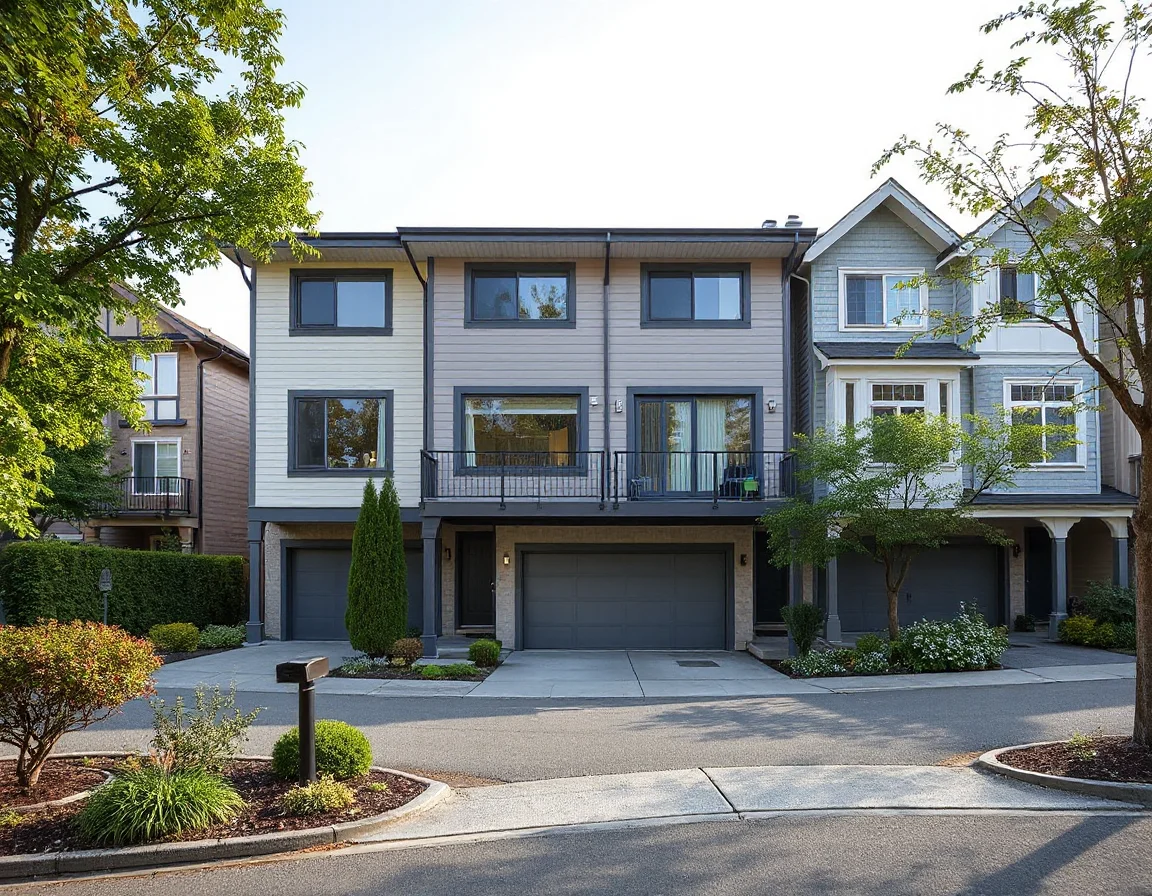
That wider lens can also help buyers match monthly cost expectations more realistically. A lower purchase price does not always mean lower monthly outlay if dues, parking fees, or upcoming assessments are part of the equation. Likewise, a higher-priced detached property may still compete well when compared against a newer attached home with multiple levels, less storage, or less privacy. Looking at the full ownership picture rather than sticker price alone often leads to better decisions.
Another important factor is location within the neighborhood. Some buyers prioritize quick access to transit routes and the commercial core, while others focus more on quieter residential pockets or easier routes toward other parts of Seattle. Ballard offers enough internal variation that a few extra blocks in one direction or another can reshape both price and day-to-day experience. The best approach is usually to identify which conveniences matter most and then compare listings through that lens instead of assuming every address delivers the same value.
If the first round of Ballard listings feels tight on price, expanding to include multiple property types can create more realistic options without leaving the neighborhood altogether.
How to Evaluate Pricing Without Guesswork
Price per square foot can be a useful reference point, but it should never stand alone. Two homes with a similar size may differ significantly based on lot utility, renovation quality, natural light, parking, storage, building systems, and proximity to busier streets. Buyers in Ballard often benefit from comparing recent sales that truly resemble the property they are considering, not just nearby listings with a loosely similar bedroom count.
It also helps to separate emotional response from resale logic. A home with strong presentation may command attention quickly, but buyers should still ask whether the finish level, plan configuration, and location justify the premium. On the other hand, a listing that shows less dramatically online may offer excellent value if the layout is efficient, the condition is solid, and the location supports long-term appeal. In a neighborhood with a strong identity like Ballard, presentation matters, but underlying fundamentals still matter more.
For buyers looking at condos or townhomes, reviewing HOA documents and shared expenses is especially important. Reserve funding, building age, rental policies, pet rules, and anticipated maintenance all shape the true cost of ownership. These details may not be glamorous, but they influence both budget stability and future marketability. A careful review can prevent surprises and help buyers compare one opportunity against another on equal footing.
What a Smart Buyer Strategy Looks Like Right Now
Strong buyer preparation in Ballard is rarely about rushing; it is about clarity. That means knowing your financing range, identifying your top non-negotiables, and deciding in advance where you can compromise. Some buyers will trade square footage for location. Others will choose a simpler finish package in exchange for a more functional floor plan or better access to green space and daily services. The more clearly those priorities are defined, the easier it becomes to act with confidence when the right listing appears.
Timing can matter too, but not always in the obvious way. New listings often draw the most immediate attention, yet opportunities can emerge throughout the week as price adjustments, inspection findings, or relisted properties create new openings. Buyers who stay consistently informed tend to see more possibilities than those who only monitor major weekend launch periods.
Ultimately, Ballard remains appealing because it offers more than a single market narrative. It has a blend of housing forms, a recognizable neighborhood identity, and access to amenities that continue to support demand. For buyers, the path forward is not simply to ask whether prices are up or down. It is to understand which segment of the market fits their goals, evaluate inventory with discipline, and be ready when the right combination of price, condition, and location comes into view.