
Real estate investing in the Seattle area can create long-term wealth, but the strongest opportunities usually come from buying with a clear plan, realistic numbers, and a neighborhood-specific strategy. Whether you are considering a first rental, a move-up home with future income potential, or a small multifamily purchase, understanding cash flow, appreciation drivers, and local demand can help you make a smarter decision. Buyers and sellers alike benefit when investment decisions are grounded in market fundamentals rather than hype.
In the Puget Sound market, real estate investment is rarely about finding a "perfect" property at a bargain price. More often, success comes from identifying the right fit between your budget, timeline, and risk tolerance. A condo in Seattle may appeal to a buyer focused on long-term appreciation and low-maintenance ownership, while a single-family home in Tacoma or Bothell may offer stronger rental flexibility and broader tenant demand.
For homeowners thinking about selling, investor demand also matters. A property with an accessory dwelling unit, a functional layout, or proximity to major employment centers may attract buyers who are looking beyond owner-occupancy and evaluating future income potential. That can influence pricing strategy, marketing, and the timing of your sale.

Start With the Numbers That Actually Matter
Many buyers begin with price alone, but investors need to look deeper. Monthly payment, taxes, insurance, expected rent, vacancy risk, maintenance, and reserves all shape whether a property supports your goals. In higher-cost markets like Bellevue, Kirkland, and Mercer Island, the play may be appreciation and long-term equity growth more than immediate cash flow. In other areas, the balance between purchase price and rental demand may create a different opportunity profile.
A strong investment property is not always the cheapest one on the market. Often, the better choice is the home in a more durable location with steadier demand, fewer deferred-maintenance surprises, and better long-term resale appeal.
That is why buyers should evaluate both current performance and future flexibility. Can the property attract a wide range of tenants? Is the layout practical? Are there nearby employers, transit options, schools, or neighborhood amenities that support demand over time? These questions matter just as much as the list price.
Why Location Strategy Matters More Than Broad Market Headlines
Seattle-area real estate is not one market. Conditions can vary significantly between Seattle, Bellevue, Redmond, Tacoma, and surrounding communities. Some neighborhoods appeal to tech-driven demand and premium pricing, while others attract buyers seeking more space, easier entry points, or better rent-to-price ratios.
For example, a buyer focused on long-term appreciation may prioritize established neighborhoods near job centers, waterfront districts, or transit corridors. Another investor may prefer emerging areas where infrastructure, redevelopment, and affordability create room for future upside. Sellers should understand this too, because the story behind a property can shape how it is positioned to the market.
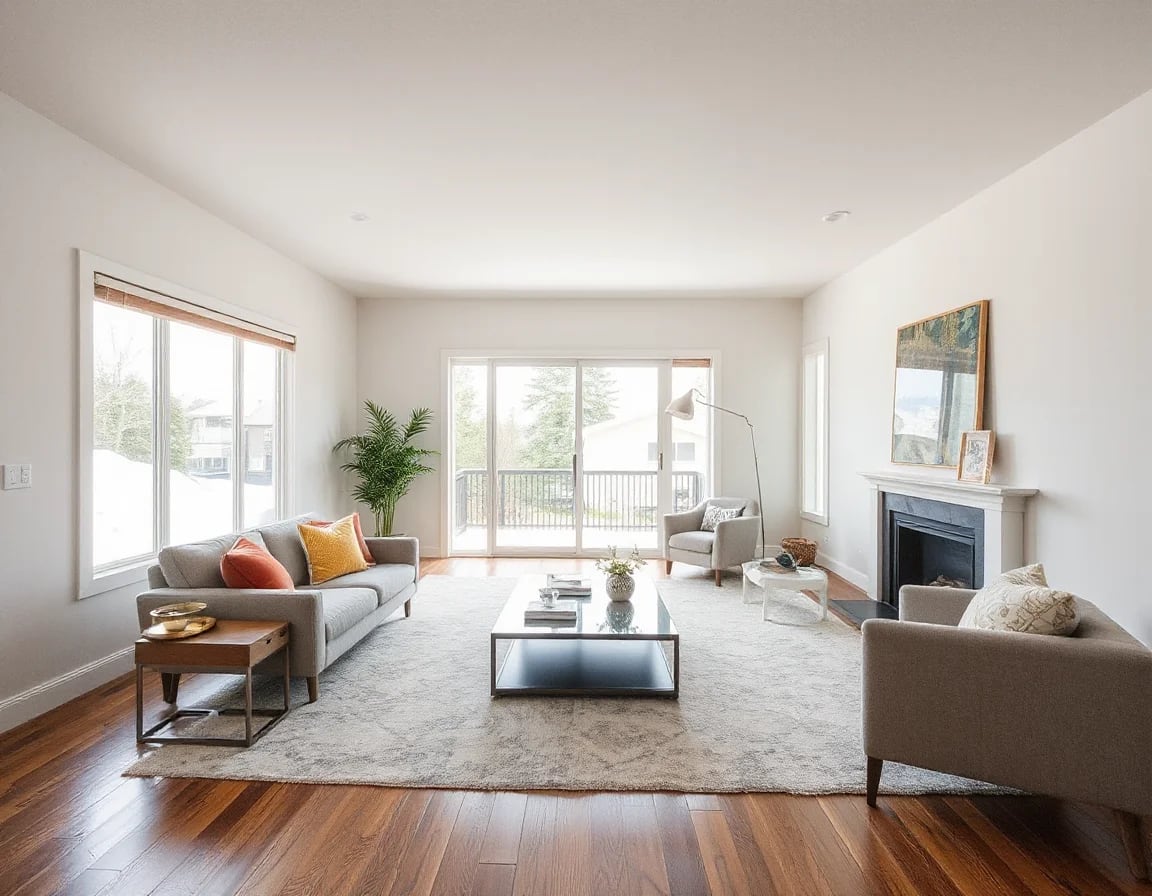
When a home has features that appeal to both owner-occupants and investors, that dual audience can be a real advantage. Flexible living spaces, updated kitchens, off-street parking, and low-maintenance exteriors tend to broaden demand and strengthen marketability.
Value-Add Opportunities Can Improve Returns
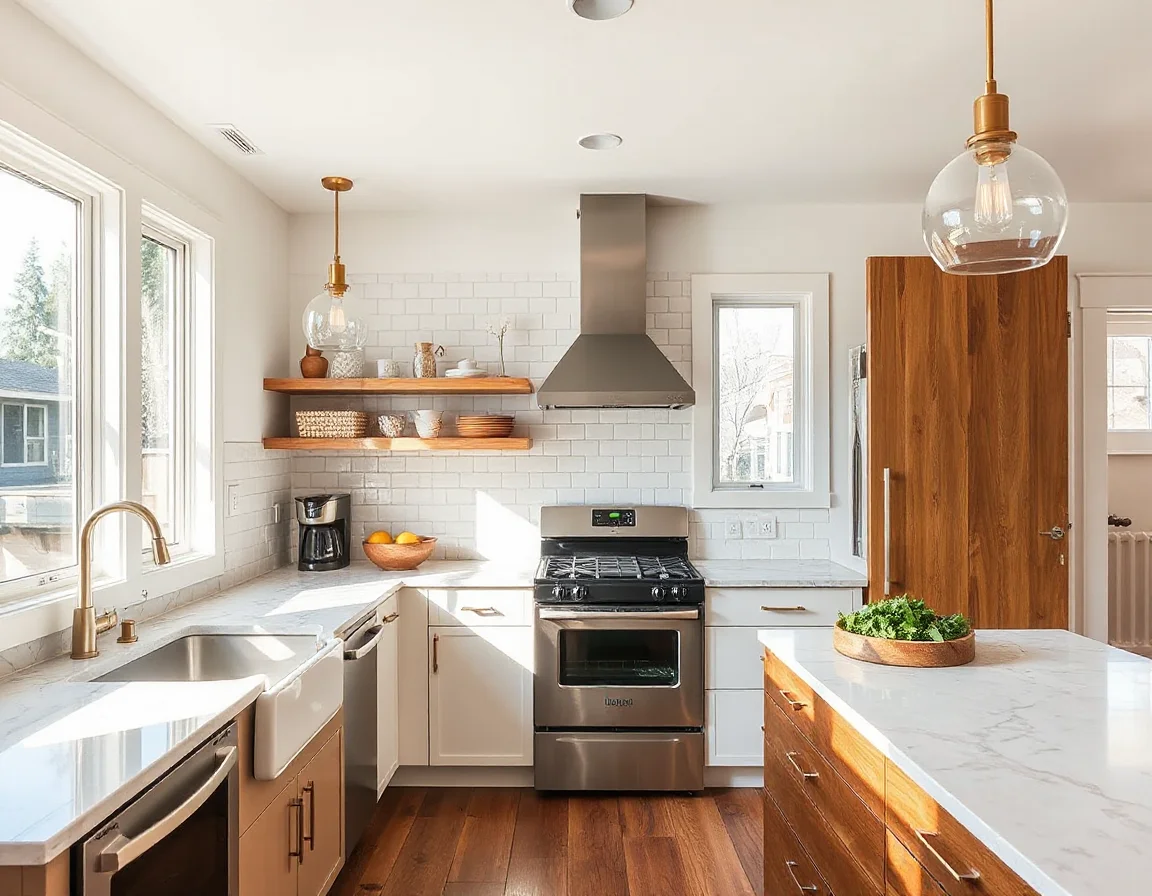
Not every investment win comes from buying a turnkey property. In many cases, strategic improvements create the biggest upside. Cosmetic updates, better lighting, refreshed flooring, improved landscaping, and kitchen or bath upgrades can increase rental appeal and resale value without requiring a full-scale renovation.
For sellers, this is an important takeaway. If you own a property that could attract investment-minded buyers, small pre-sale improvements may help your home stand out. The goal is not to over-improve, but to remove obvious objections and make the property easier for buyers to underwrite with confidence.
The best pre-sale upgrades are usually the ones that improve usability, condition, and first impressions. Buyers pay attention to whether a property feels easy to own, easy to rent, and easy to resell later.
Buyers should also be realistic about renovation scope. A project with hidden costs, permit complications, or layout limitations can quickly erode projected returns. Before making an offer, it helps to compare the likely improvement budget against neighborhood ceiling values and expected rental demand.

Think Beyond the First Purchase
For many households, real estate investment starts with a primary residence. A buyer may purchase a home today with the intention of converting it to a rental later. Others may look for a property with a basement suite, extra bedroom, or flexible floor plan that supports multigenerational living now and income potential later. This kind of planning can create options without requiring an immediate leap into a large portfolio strategy.
That same long-view mindset can help sellers decide when to hold and when to list. If your property has appreciated significantly, selling may unlock equity for a better-performing opportunity. In other cases, keeping the home as a rental could make sense if the numbers, condition, and management plan align with your goals.
Ultimately, real estate investment services should help buyers and sellers make decisions with clarity. In a market as varied as Puget Sound, the right strategy depends on your timeline, financing, property type, and the specific neighborhood you are targeting. A thoughtful plan can help you move with more confidence, whether you are buying for future income, selling an investment asset, or evaluating your next step in the market.