
Bellevue offers a mix of urban convenience and outdoor access that continues to draw attention from home buyers across the Eastside. From waterfront parks and trail systems to established residential enclaves and newer mixed-use districts, the city gives residents multiple ways to shape day-to-day living. If you are comparing neighborhoods, commute patterns, and local amenities, understanding how Bellevue fits together can make your home search far more focused.
Why Bellevue Continues to Stand Out on the Eastside
Set between Lake Washington and Lake Sammamish, Bellevue combines a polished city center with neighborhoods that feel distinct from one another. Some areas are known for high-rise living and walkable retail corridors, while others feature quiet residential streets, larger lots, and easier access to parks or trail networks. That range is a big reason the city remains a consistent point of interest for people relocating within the Seattle region or moving in from outside Washington.
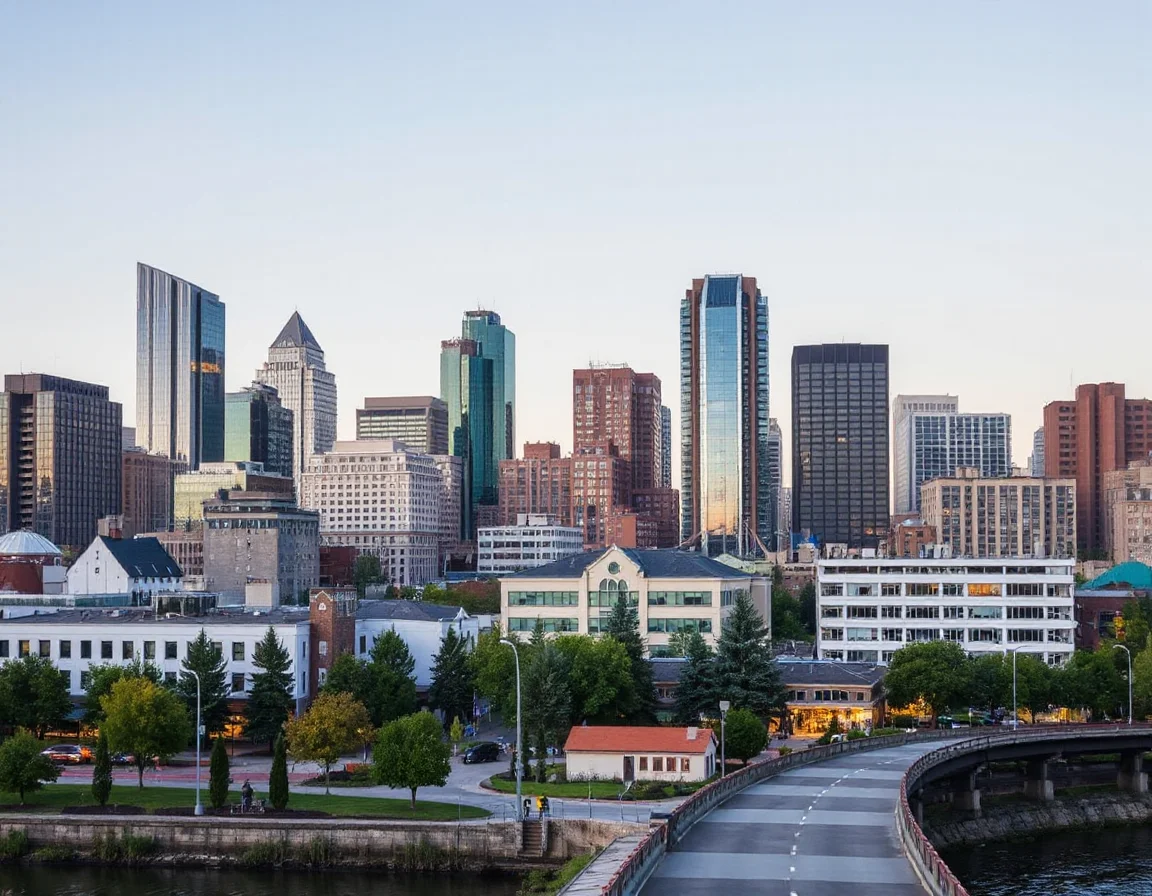
What makes the city especially practical is how many everyday essentials are spread throughout it rather than concentrated in a single core. Grocery options, medical services, parks, recreation facilities, and major employers are woven into different parts of Bellevue, so the experience of living here can vary significantly depending on where you settle. A condo near Downtown Bellevue feels very different from a home in Somerset, Bridle Trails, Newport Hills, West Bellevue, or Lakemont, even though all are part of the same city.
Housing also spans a wide spectrum. Buyers may encounter luxury condominiums, townhomes, mid-century ramblers, newer construction, and larger estate-style properties depending on neighborhood and price point. That variety means it helps to define priorities early: proximity to transit, access to green space, lot size, views, school attendance areas, or a shorter drive to work can all influence which pocket of Bellevue feels like the strongest fit.
In Bellevue, a difference of just a few miles can noticeably change commute time, housing style, and daily convenience. Mapping your most frequent trips before touring homes can save time and sharpen your search.
Parks, Trails, and Outdoor Access
One of Bellevue's biggest strengths is its park system. The city has a strong balance of destination parks and smaller neighborhood green spaces, which gives residents options for everything from quick walks to longer weekend outings. Downtown Park remains one of the most recognizable public spaces, with its open lawn, circular promenade, and central water feature creating a clean, highly usable gathering place close to offices and residential towers.
Farther afield, Bellevue Botanical Garden offers a quieter atmosphere with landscaped paths and seasonal color, while Mercer Slough Nature Park adds wetlands, boardwalks, paddling routes, and a more immersive natural setting. In the northern part of the city, Bridle Trails State Park is a major asset, offering wooded trails and a distinctly different feel from Bellevue's more urban districts. The result is a city where outdoor access is not an afterthought; it is built into the way many residents spend their mornings, lunch breaks, and weekends.
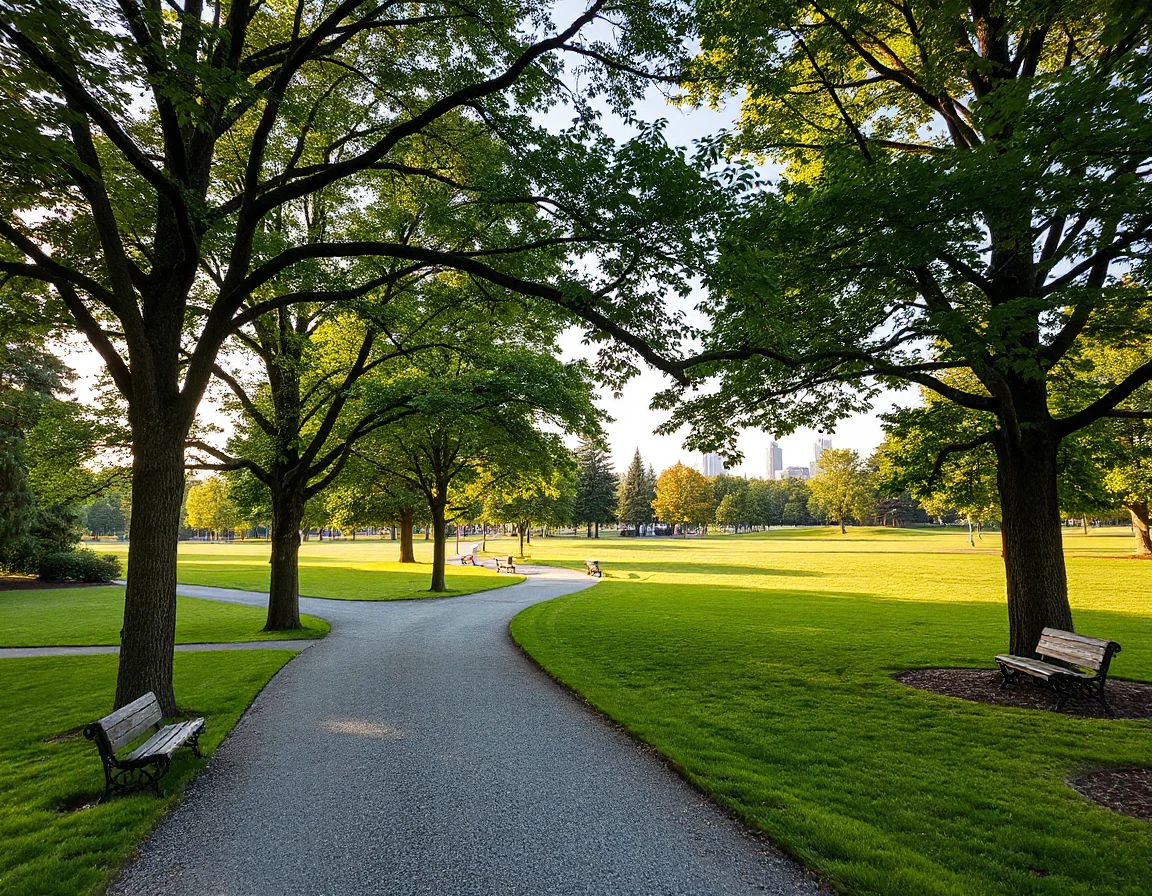
For buyers who value recreation, this network can affect neighborhood choice as much as square footage or finishes. A home near trail access may offer easier routines for walking, running, or cycling, while a property closer to waterfront corridors can provide a different rhythm altogether. Bellevue's topography also matters: some neighborhoods are flatter and more connected for errands on foot, while hillside areas can offer broader views and a more tucked-away feel.
Seasonality plays a role too. Even during much of the cooler and wetter part of the year, Bellevue's parks stay active because many paths are paved or well maintained, and tree cover can make outdoor time feel inviting rather than exposed. That consistency adds meaningful day-to-day value for homeowners who want the option to get outside without planning a long drive.
Dining, Shopping, and Everyday Convenience
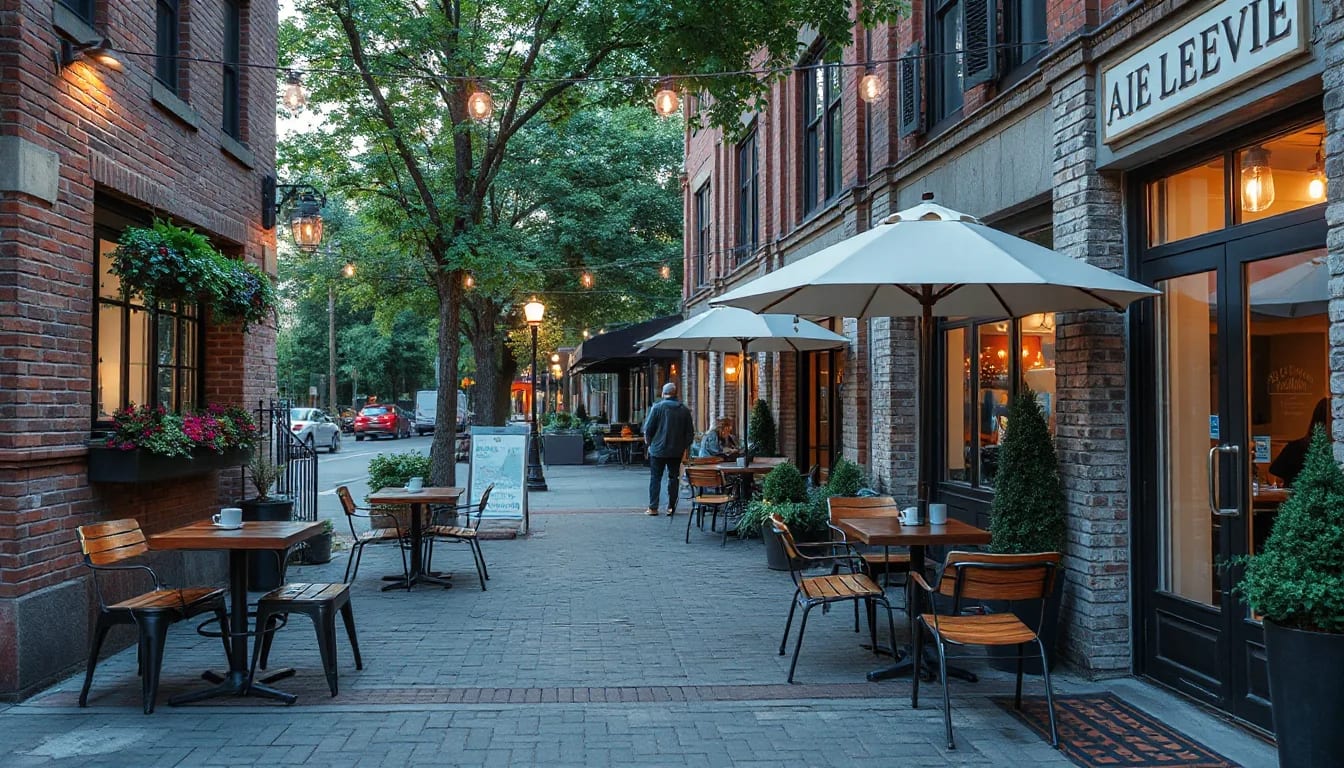
Bellevue's dining landscape is one of its most practical lifestyle advantages. The city has a concentration of upscale and casual options in and around Downtown Bellevue, Old Bellevue, and several mixed-use centers, but it also offers neighborhood-level convenience in other districts. That means a resident can choose between a more urban routine with many options close at hand or a residential setting where key services remain a short drive away.
The appeal is not just variety; it is efficiency. Being able to combine errands, dining, and entertainment in one area can make weekly routines simpler, especially for households balancing work schedules, school calendars, and recreation. Areas near Bellevue Square, Lincoln Square, and nearby corridors often appeal to buyers who want a more connected, amenity-rich environment, while other neighborhoods may trade some immediate walkability for larger homesites or a different streetscape.
Old Bellevue and the downtown core can feel very different at different times of day. Visiting a neighborhood on both a weekday evening and a weekend afternoon gives a better read on traffic flow, parking, and street activity.
From a real estate perspective, access to everyday conveniences can support long-term desirability. Homes near established commercial nodes, parks, and transportation routes often remain easier to compare and market because buyers can quickly understand the benefits of the location. That does not mean every purchaser should target the busiest parts of the city, but it does highlight why micro-location matters so much in Bellevue.
Commute Patterns and Getting Around
Commute planning is a major part of any Bellevue home search. The city connects to Seattle, Redmond, Kirkland, Issaquah, and other Eastside hubs through a web of major roadways, and that regional access is a big advantage. At the same time, traffic patterns can shift considerably by time of day, route, and neighborhood, so practical drive tests are often more useful than map estimates alone.
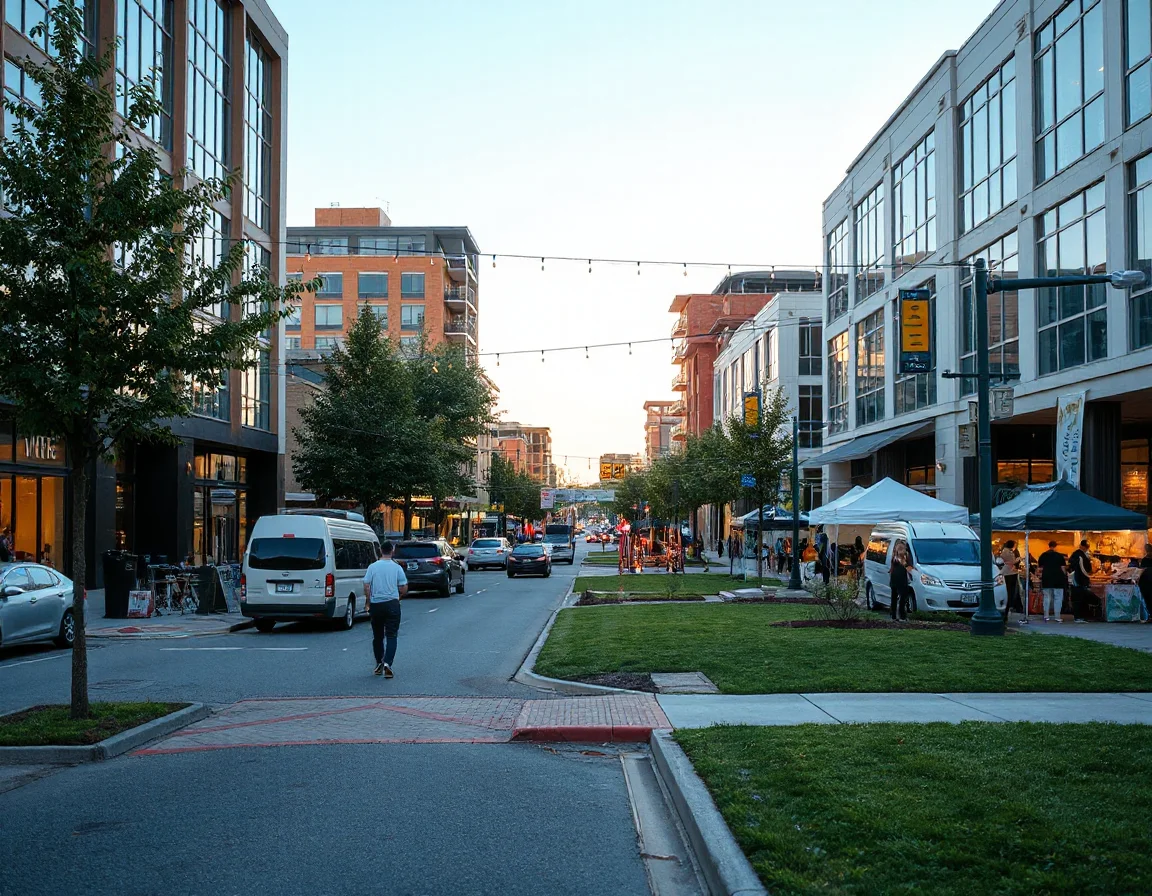
Downtown Bellevue can be especially attractive for those who want closer proximity to major employers, regional transit connections, and a more walkable pattern of living. Other buyers prioritize easier access to I-405, I-90, or SR 520, depending on where they travel most often. For example, someone regularly heading to Seattle may focus on different subareas than a buyer whose routine centers on Redmond or Issaquah.
Transit improvements have also become a bigger part of the conversation. As regional transportation options expand, some buyers are weighing not only current commute times but also future flexibility. A neighborhood that offers strong road access today and more transit convenience tomorrow may hold broader appeal over time. This is one reason Bellevue often benefits from both local demand and interest from people comparing multiple Eastside cities.
The best approach is to match the home search with lived reality. Consider your most frequent destinations, your tolerance for congestion, and whether you prefer a location that reduces driving for errands as well as work. Those details can narrow choices quickly and keep the search grounded in the routines that matter most.
Neighborhood Highlights and What Buyers Often Compare
Bellevue is less about one single identity and more about a collection of neighborhood experiences. West Bellevue is often associated with proximity to the downtown core, waterfront access, and some of the city's most established residential streets. Somerset and Newport Hills can attract attention for their elevated settings and access to major commuting routes. Bridle Trails offers a greener, more secluded feel in many pockets, while Eastgate and Factoria tend to be noted for convenience and connection to services, retail, and freeway access.
Buyers also tend to compare lot size, topography, age of housing stock, and renovation potential. In some neighborhoods, the conversation centers on land value or custom construction. In others, the appeal may be a move-in-ready home near parks and shopping or a condominium with reduced exterior maintenance. There is no universal "best" part of Bellevue; the strongest match depends on how someone balances budget, commute, home style, and proximity to amenities.
For anyone starting the process, Bellevue rewards careful block-by-block comparison. Touring with a clear list of priorities, visiting at different times, and understanding how each neighborhood connects to the rest of the Eastside can make a major difference. The city offers a lot, but the smartest move is to focus on the version of Bellevue that best supports the way you want to live day to day.