
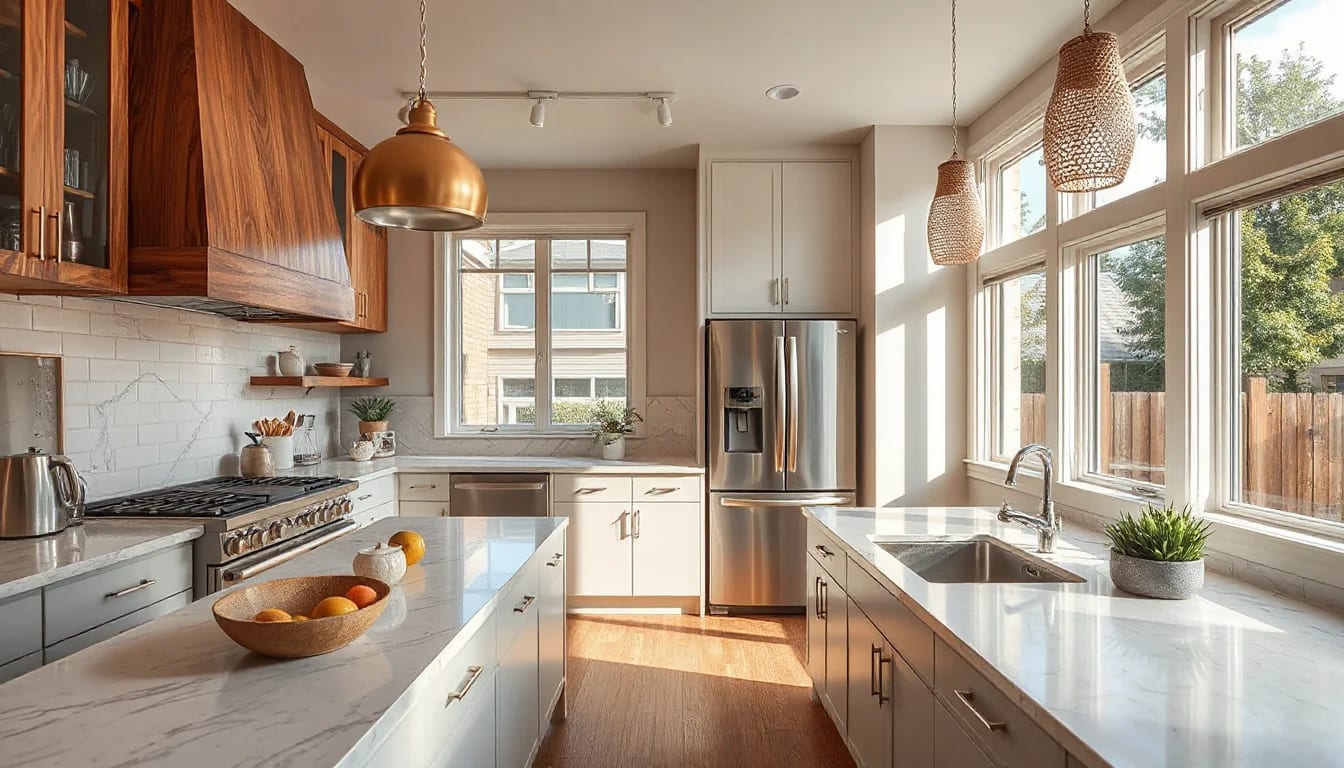
Small exterior changes can reshape how a Seattle property looks the moment someone pulls up. Thoughtful improvements like refreshed paint, cleaner landscaping, better lighting, and updated entry details often help a home feel more maintained and more competitive when buyers compare options online and in person. The key is choosing projects that fit the home, the weather, and the local market rather than overbuilding for the block.
Why exterior updates matter in Seattle
First impressions form quickly, and in a market where buyers often scroll through dozens of listings before booking a showing, the outside of a home does a lot of heavy lifting. In Seattle, curb appeal is not only about style. It is also about how well a property appears prepared for rain, shade, seasonal moss, and the wear that comes from a damp climate. A home that looks cared for on the exterior can signal that maintenance has been handled consistently throughout the property.
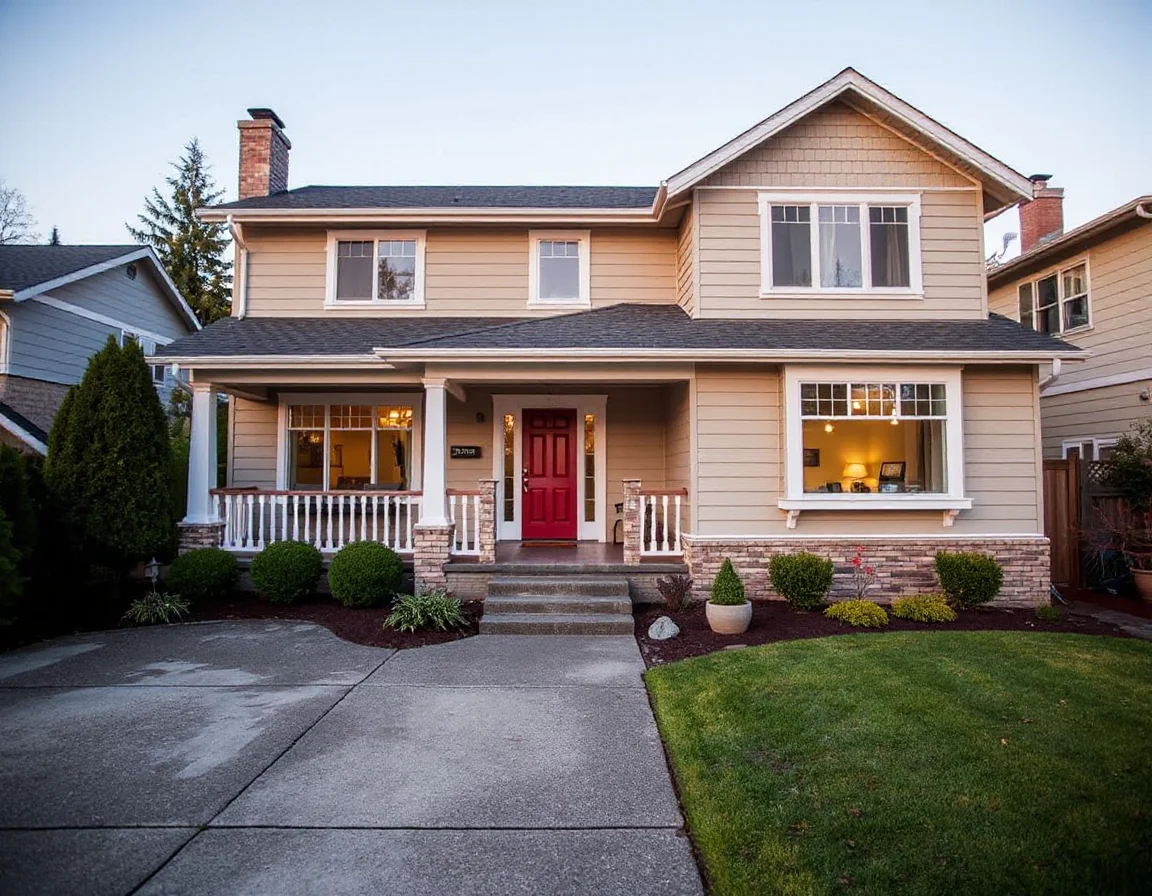
That does not mean every seller needs a major remodel before listing. In many cases, the most effective improvements are visible, practical, and reasonably priced. Fresh trim, a pressure-washed walkway, edged planting beds, and a front door with crisp hardware can make the entire property feel sharper. When those details are paired with strong listing photos, they can improve click-through interest before a buyer ever visits.
In Seattle’s wetter months, simple maintenance items often carry extra weight because buyers immediately notice moss, peeling paint, and clogged drainage. Clean, dry-looking exterior surfaces can make a property feel better cared for from the start.
Another reason these upgrades matter is neighborhood context. Buyers compare one listing against nearby homes at similar price points, so exterior presentation becomes part of that comparison set. If one home looks move-in ready from the sidewalk and another appears to need immediate outdoor work, the cleaner and more polished option often gains attention faster.
The highest-impact projects are often the simplest
Paint and surface care usually deliver some of the strongest visual returns. In Seattle, muted, natural palettes tend to work well with the region’s architecture and landscape, but the bigger issue is condition. Faded siding, chipped trim, and stained concrete can drag down the overall look of a property even when the interior is updated. Repainting targeted areas, cleaning siding, and refreshing decks or porches can make a home photograph better and show better.
Landscaping is another area where restraint usually works better than excess. Buyers do not need to see an elaborate garden design to appreciate a home’s exterior. They respond well to clear paths, trimmed shrubs, healthy mulch, and plantings that frame the house rather than hide it. In Seattle, where greenery is abundant, an overgrown yard can make a property feel darker and smaller than it really is. Opening sight lines to the front door and windows often improves the entire presentation.
Entry-focused updates are especially effective because they create a natural focal point. A modern light fixture, updated house numbers, a freshly painted front door, and a clean porch can give the home a more current feel without changing the architecture. These are details that buyers notice both consciously and subconsciously during a showing.
Seattle-specific curb appeal upgrades to consider
Climate should guide the project list. Exterior work that performs well in drier regions may not hold up the same way in Seattle, so durability matters as much as appearance. Gutters and downspouts should look functional and clear. Wood surfaces should be sealed or stained where needed. Steps, railings, and walkways should feel sturdy and safe underfoot, especially during rainy seasons when slick surfaces stand out more.
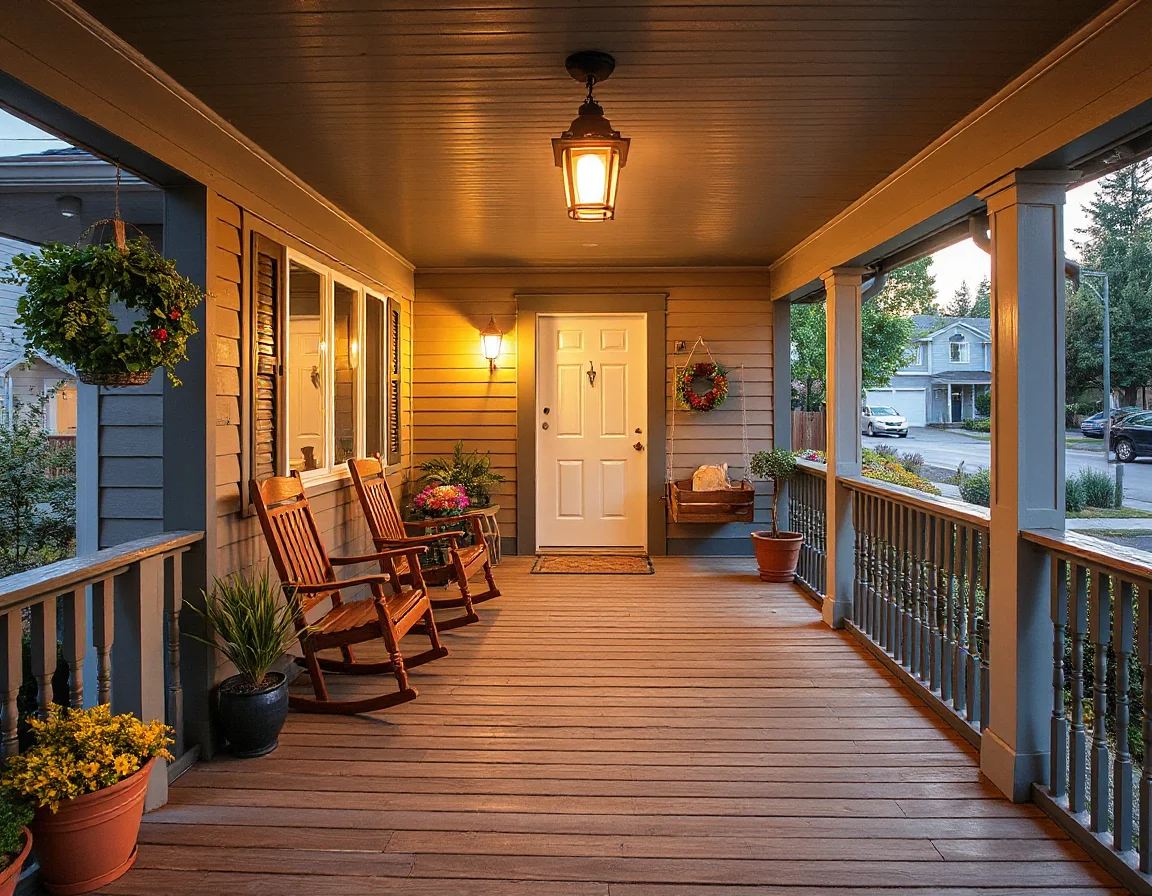
Outdoor lighting can also do more than many sellers expect. Since Seattle has long stretches of overcast weather and shorter winter daylight hours, layered exterior lighting can make a property look warmer and more intentional. Path lights, porch fixtures, and garage sconces can help architectural features stand out in listing photos and twilight showings. The goal is not dramatic brightness; it is balance, visibility, and a well-finished look.
Garage doors, fencing, and driveways deserve attention too. These larger surfaces occupy a lot of visual space, so damage or discoloration can affect curb appeal quickly. Sometimes a full replacement makes sense, but often a repair, repaint, or professional cleaning is enough. If the front elevation is dominated by parking or hardscaping, softening those areas with neat border plantings can help the whole property feel more welcoming and cohesive.
If your budget is limited, concentrate on the view from the street and the first ten feet around the entry. That is where many buyers decide whether a home feels polished, dated, or unfinished.
One common mistake is adding upgrades that are too personalized or too expensive for the likely price range of the home. High-end exterior features can be attractive, but they do not always return dollar for dollar if they push the property beyond neighborhood expectations. It is usually smarter to aim for clean, current, and consistent than to chase the most elaborate design trend.
How curb appeal connects to value
Exterior improvements rarely operate in isolation. Their impact on value comes from how they support the full listing package: pricing strategy, photography, buyer expectations, inspection readiness, and the condition of the interior. A home with strong curb appeal can encourage more showings, and more showings can improve the odds of stronger offers and faster momentum once the property hits the market.
That said, not every project produces the same result. A new roof may not create the same emotional reaction as a beautifully updated porch, but if the old roof looks near the end of its life, replacement can remove a major objection. Likewise, drainage corrections or siding repairs may be less glamorous than decorative upgrades, yet they can protect value by addressing concerns that might surface during due diligence.
For sellers, the best approach is often to sort projects into three groups: maintenance items that should be handled first, cosmetic upgrades that improve first impressions, and optional improvements that depend on budget and timing. This keeps spending aligned with the market rather than scattered across low-impact tasks.
A practical plan before listing
Start with a walk from the curb to the front door and take photos as if you were a buyer seeing the home for the first time online. Look for peeling areas, clutter, uneven plant growth, dirty glass, outdated fixtures, and anything that blocks the entry or darkens the facade. Then build a short project list that prioritizes visibility and condition.
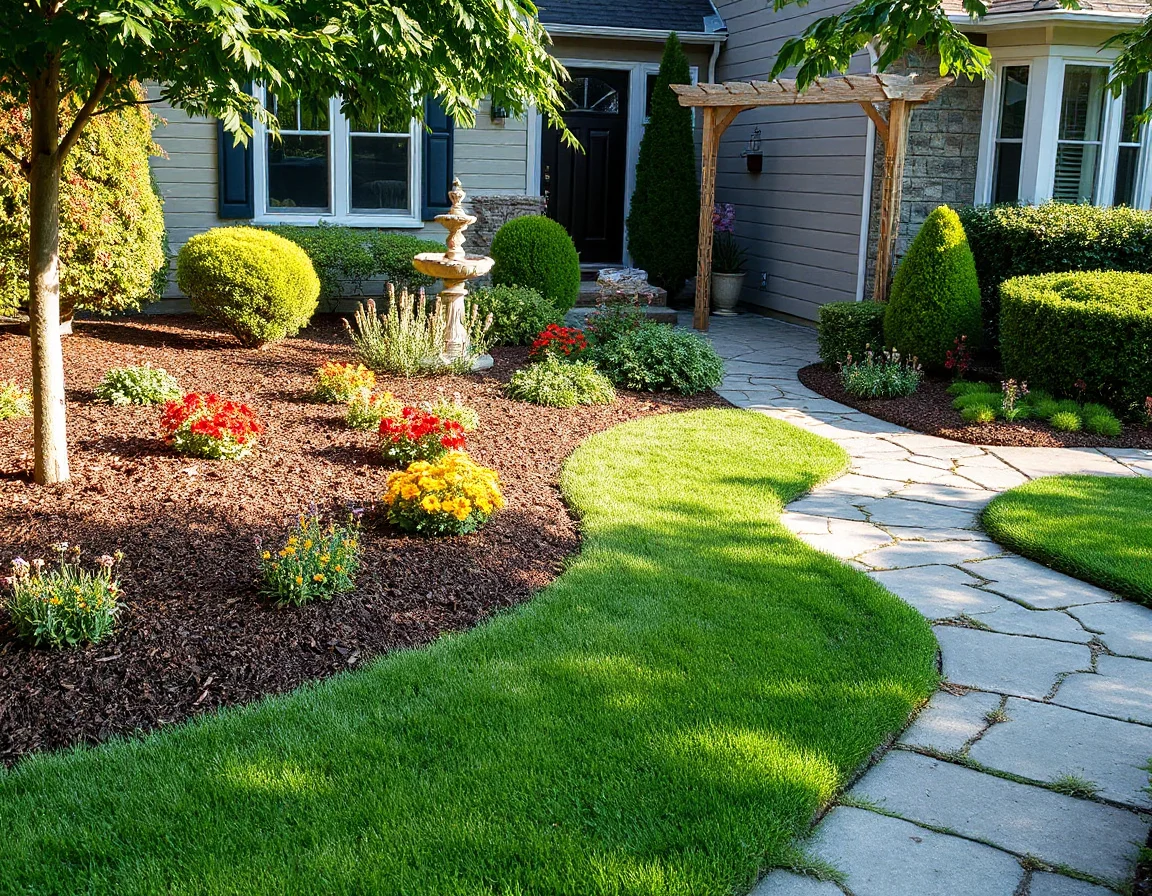
Next, think in terms of coordination. A beautifully painted door can lose impact if the porch light is rusty and the steps are stained. A tidy yard can still feel unfinished if the siding needs washing. The strongest curb appeal usually comes from several modest upgrades working together rather than one standout feature competing with neglected surroundings.
If you are preparing to sell, it also helps to get market guidance before committing to larger projects. The right upgrade plan depends on price point, competition, lot style, and how buyers are responding to current inventory in your area. In some situations, light preparation is enough. In others, a more complete exterior refresh can strengthen positioning.
Done well, Seattle exterior upgrades do more than make a home look attractive for a weekend. They help communicate maintenance, improve photo appeal, and support a pricing strategy grounded in how buyers actually shop. When the outside feels as ready as the inside, the whole property tends to make a stronger impression.