

An inspection response is not a request to make every older home feel brand-new. It is a practical conversation about condition, risk, timing, and the value of a completed transaction. With a focused plan, Seattle buyers can raise the issues that matter while keeping negotiations clear, credible, and moving forward.
Start With the Purpose of the Inspection
Once an offer is accepted, the inspection period can feel like a sudden shift from excitement to a long list of unknowns. A detailed report may contain dozens of observations, from a loose outlet cover to an aging roof, and it is easy to read every item as a reason for concern. In reality, inspection reports are designed to document visible conditions comprehensively. The most productive negotiation begins by separating routine maintenance from findings that may affect safety, function, future cost, or the ability to use the property as intended.
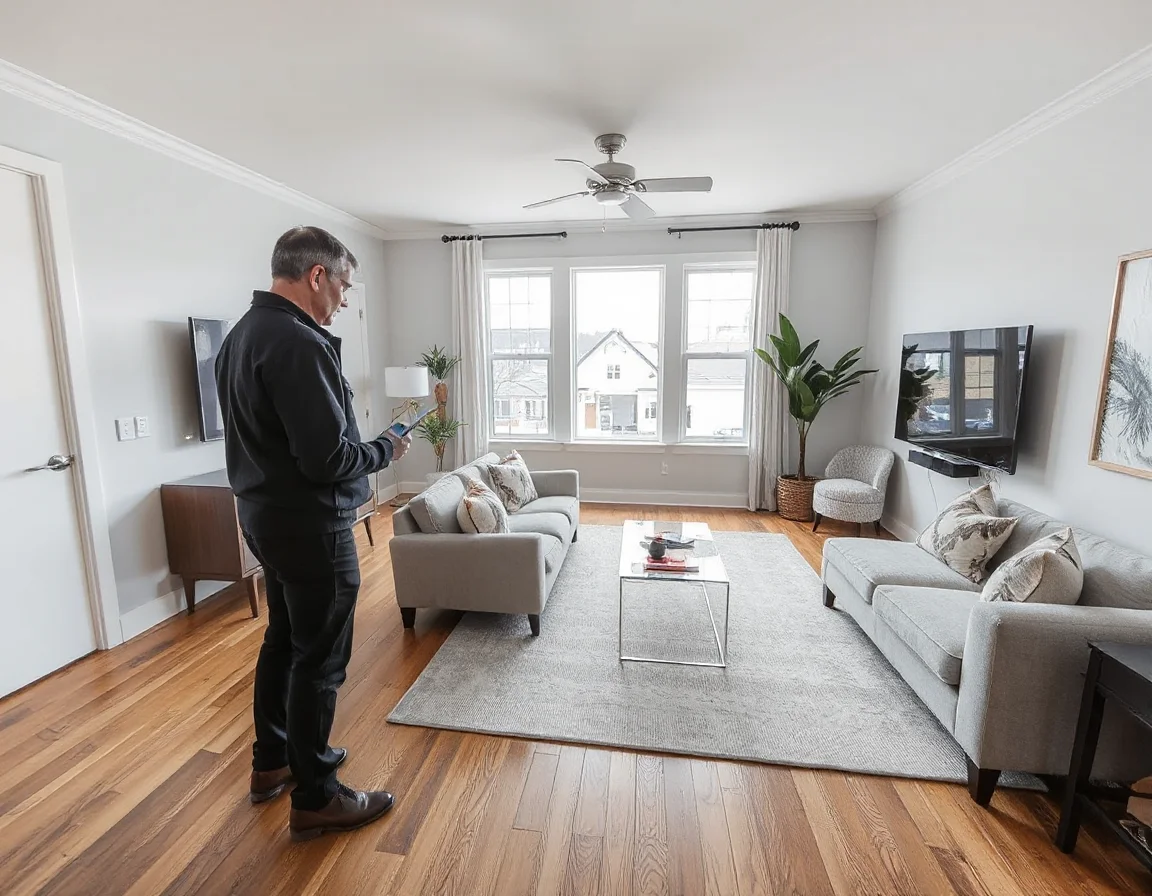
Focus on material items first. In a Seattle-area property, that often means reviewing moisture intrusion, drainage, roofing, foundation observations, electrical panels, plumbing supply lines, heating systems, fireplaces, and signs of deferred exterior maintenance. Older homes may have components that reflect the era in which they were built, while newer construction can still have installation or warranty-related concerns. The question is not whether a home is flawless; it is whether the evidence points to a meaningful issue that deserves a response before closing.
Ask the inspector to help prioritize the findings. A good follow-up conversation can clarify what needs immediate attention, what should be evaluated by a licensed specialist, and what belongs on a homeowner’s future maintenance list. When an observation is technical, such as an indication of an electrical, sewer, structural, or roofing concern, a specialist evaluation can give both sides a more precise basis for discussion. Estimates and invoices are usually more persuasive than broad assumptions about cost.
Seattle’s wet-season conditions make water management an especially useful lens. Gutters, downspouts, grading, retaining walls, crawlspaces, windows, decks, and roof transitions can all merit a closer look when the report identifies signs of moisture. That does not mean every stain or minor drainage note requires a major concession. It does mean buyers should understand the condition, likely scope, and next step before deciding how to proceed.
A concise repair request tied to a few documented, material findings is usually easier to evaluate than a long list of cosmetic updates and routine maintenance items.
Build a Request That Is Clear and Proportionate
The strongest inspection response is organized around evidence rather than emotion. Instead of forwarding the entire report with a general request to “fix everything,” identify the specific findings that materially affect the property and state the outcome you are seeking. Depending on the situation, that may be a seller-performed repair, a credit toward closing costs where permitted, a price adjustment, additional time for specialist review, or confirmation that a particular system is functioning properly.

Specific language helps. If a report notes an active plumbing leak, an unsafe electrical condition, or a roof defect with evidence of water entry, name the report section, include the recommended specialist evaluation when appropriate, and explain the requested resolution. This gives the seller a concrete issue to consider and reduces the chance that the conversation becomes a debate about vague expectations. It also allows your broker to present the request in a professional, solution-oriented way.
There is no universal answer to whether repairs, credits, or price adjustments are best. A repair may make sense when a qualified contractor can complete the work before closing and documentation can be provided. A credit can give the buyer more control over timing and contractor selection after closing, although lender rules and loan program limits may affect how credits are structured. A price adjustment changes the purchase economics but does not provide immediate funds for work. Your broker, lender, and appropriate professionals can help you understand the tradeoffs in your transaction.
It is also wise to avoid requesting upgrades disguised as repairs. Replacing a functioning older appliance with a premium new model, changing finishes, or asking for elective improvements can distract from legitimate concerns. Keeping the request proportionate signals that you are working toward a fair resolution rather than reopening the entire purchase decision.
Review the home buying process
Read the Market Without Letting It Make the Decision
Negotiation strategy should reflect the property, the inspection findings, and the current terms of the transaction. Market conditions can influence how likely a seller is to negotiate, but they should not replace careful due diligence. A competitive listing may have limited flexibility, while a property that has been available longer may invite a more detailed conversation. Either way, the inspection contingency is a defined period for gathering information and making an informed choice.
Timing matters as much as the request itself. Inspection timelines in Washington purchase agreements can move quickly, especially if specialist appointments are needed. Schedule inspections promptly after mutual acceptance, review reports without delay, and communicate questions early. Waiting until the final hours of a contingency period can limit options and create unnecessary pressure for everyone involved.
Keep the long-term picture in view. Nearly every home will require maintenance over time, and an inspection can be a useful roadmap for planning ownership costs. If the report identifies manageable projects—such as servicing a furnace, improving caulking, cleaning a roof, or replacing worn weatherstripping—those notes may be valuable without necessarily changing the transaction. The goal is to understand the distinction between a future maintenance plan and a condition that materially changes the value or usability of the property.
Prepare for the Response and the Next Step
Sellers may agree to the request, offer an alternative, decline some items, or ask for more information. None of these responses automatically ends the transaction. A counterproposal can be an opportunity to compare options calmly: Is the proposed credit sufficient? Does the repair scope address the documented concern? Is additional evaluation warranted? Would proceeding as-is still align with your budget, timeline, and comfort with future maintenance?
When repairs are part of the agreement, request clear documentation. Receipts, invoices, warranties, permits when applicable, and contractor details can help confirm what was completed. A final walkthrough is also an important time to verify that agreed-upon work appears complete and that the property is in the expected condition. It is not a substitute for a professional inspection, but it is a practical final check before closing.
Inspection negotiations work best when buyers stay focused, organized, and open to reasonable solutions. Northwest Premier Brokers can help clients interpret the process, coordinate communication, and keep attention on the terms that matter most. A careful response does more than address a repair list—it helps you move toward closing with a clearer understanding of the home and the decisions ahead.