
Seattle living is shaped by water, evergreens, neighborhood gathering places, and an easy connection to destinations across Puget Sound. From a lunchtime park walk to a ferry ride or mountain trail on the weekend, the city offers many ways to build a routine around the places that matter to you. The key is understanding how transit, housing styles, and daily amenities fit together before beginning a home search.
A City Built Around Water and Green Space
Seattle’s geography makes even ordinary errands feel connected to the outdoors. Elliott Bay, Lake Washington, Lake Union, the Ship Canal, and the surrounding hills create a city of changing views, bridges, waterfront paths, and distinct local districts. On a clear day, Mount Rainier, the Olympic Mountains, and the Cascade Range can all become part of the backdrop. That setting is more than scenery: it influences commute routes, recreation options, and the character of homes from one part of the city to the next.

Waterfront parks offer a practical reset during the week as well as a reason to linger on a weekend. Myrtle Edwards Park and Centennial Park trace Elliott Bay near the central city, while Green Lake provides a well-used loop for walking, running, and cycling. Discovery Park combines shoreline access with broad natural areas, and Seward Park reaches into Lake Washington with forested trails and water views. Each setting provides a different pace, from active pathways to quieter places to pause.
The city’s many parks also make it easy to explore an area beyond its listing photos. A visit can reveal how a route feels at different times of day, where the nearest trail connections begin, and how the terrain changes from block to block. For buyers comparing locations, these small observations can be as useful as a list of interior features. A home’s setting may affect morning light, outdoor space, parking patterns, and the ease of reaching everyday destinations.
In Seattle, a few blocks can noticeably change elevation, transit access, and water or mountain outlooks—touring the surrounding streets is an essential part of evaluating any property.
Housing itself reflects that variety. Seattle includes classic Craftsman homes, mid-century residences, contemporary townhomes, condominium buildings, and new construction in many styles. Some properties emphasize gardens and porches, while others prioritize skyline, lake, or bay views. Buyers can start by identifying the features that support their routine: a dedicated workspace, storage for recreation equipment, an accessible transit connection, outdoor living space, or proximity to a favorite park.
Transit, Neighborhood Centers, and Daily Rhythm
Getting around Seattle is often a mix of walking, biking, driving, bus service, light rail, ferries, and ride-share options. Link light rail continues to connect key destinations through the region, while bus routes serve many neighborhood corridors and transfer points. The best transportation choice can change by day and destination, so it helps to test a potential commute or routine before making a housing decision.
Living near a transit stop can add flexibility, but the details matter. Consider the walking route, topography, service frequency, station access, and whether your common destinations are reached directly or require transfers. Those who drive may also want to review garage access, on-street parking regulations, bridge routes, and the timing of regular trips. A practical evaluation turns a map into a more realistic picture of daily life.

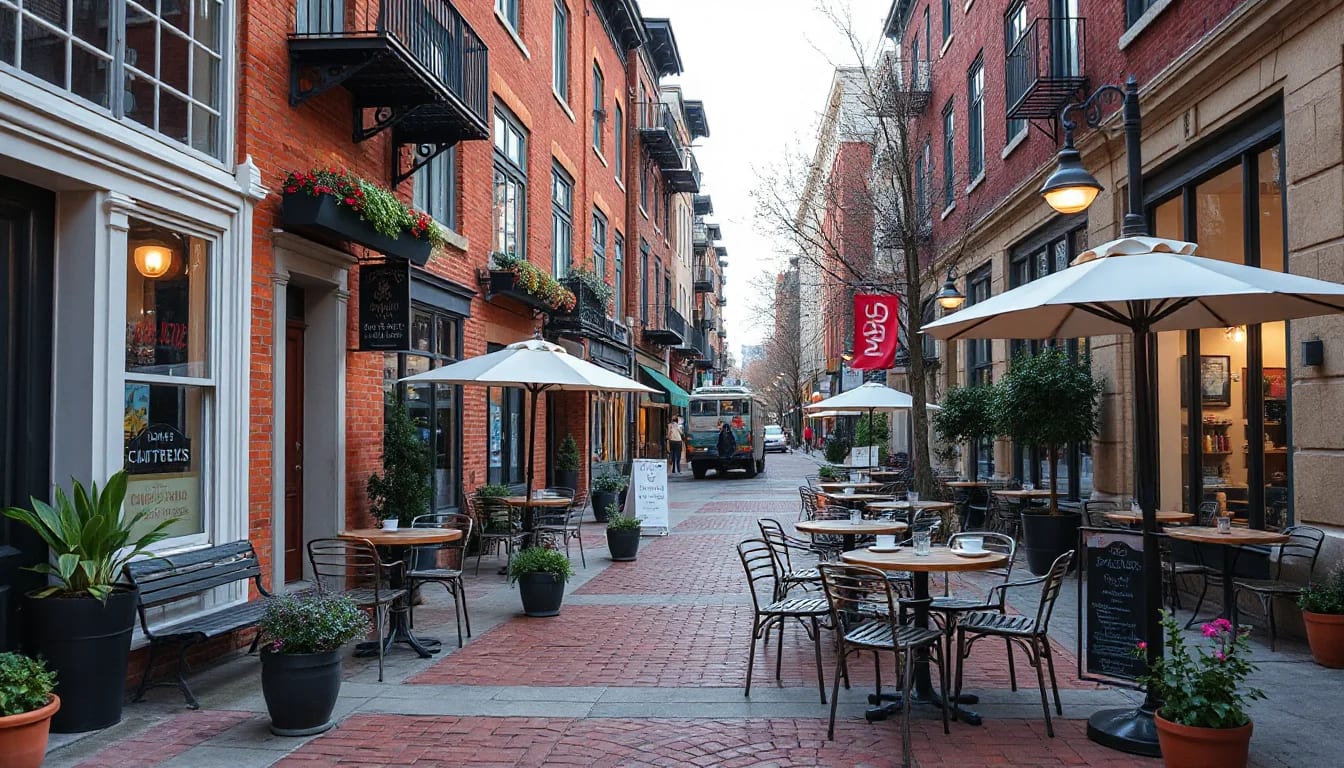
Coffee is woven into Seattle’s everyday rhythm, from quick counter service before a commute to a long conversation at a neighborhood table. Independent roasters and familiar regional names appear throughout the city, often near bookstores, small markets, public libraries, and community gathering spaces. Rather than treating coffee as a tourist stop, many residents use these places as convenient landmarks: a place to meet, work briefly, or pause between errands.
Seattle’s local districts also offer a wide range of dining, arts, and cultural destinations. Ballard has maritime history and access to the Hiram M. Chittenden Locks; the International District includes regional food and cultural institutions; Capitol Hill offers music and nightlife; and Columbia City hosts events and a well-known commercial corridor. These are not interchangeable experiences, which is why time spent exploring can help people clarify what feels useful and enjoyable in their own schedule.
For households considering schools, objective research is worthwhile. Review official district resources, attendance boundaries, transportation information, program availability, and current enrollment policies directly with the relevant school district. Boundaries and policies may change, so information should be verified during the home-buying process rather than assumed from an address or online listing.
Weekend Destinations Within Reach
One of Seattle’s defining advantages is the range of weekend outings available without booking a flight. A ferry from the waterfront can lead toward Bainbridge Island, while a drive east opens routes to Snoqualmie Falls, North Bend, and mountain trailheads. To the north, day trips may include the Skagit Valley, Whidbey Island, or waterfront towns along Puget Sound. Seasonal conditions, ferry schedules, and traffic can shape these plans, but the variety remains a lasting part of regional life.
Closer to home, Lake Union supports kayaking and boating, while the Burke-Gilman Trail provides a long corridor for cycling and walking. The Washington Park Arboretum, Volunteer Park, and Kubota Garden offer very different landscapes within city limits. Seattle’s weather rewards flexibility: misty mornings can be ideal for museum visits or coffee, while summer evenings invite waterfront walks, outdoor events, and time on the water.
A Seattle home search is also a lifestyle search: compare not only square footage and finishes, but also the routes and destinations you expect to use most often.
The local real estate market can move differently across property types and locations. Condominiums, townhomes, detached houses, and investment properties may each have distinct inventory levels, homeowner association considerations, maintenance demands, and financing questions. Buyers benefit from reviewing recent comparable sales, monthly ownership costs, property condition, and the terms that best fit their goals. Sellers benefit from a clear presentation plan that highlights both the home and its objective location features.
Whether you are drawn to a waterfront path, a light-rail connection, a historic home, or easy access to weekend recreation, Seattle offers many ways to create a meaningful home base. Start with the practical details, take time to explore the streets around each property, and leave room for the local places that make a routine feel personal. With a clear plan and current market guidance, the search can become less about narrowing choices and more about recognizing the right fit.