

Shoreline brings together leafy parks, everyday conveniences, a growing light-rail connection, and a wide range of housing styles just north of Seattle. Whether you are comparing neighborhoods, planning a move, or tracking local real estate, understanding how the city’s parks, transit, dining, and school options fit together can make your search more focused.
A City Shaped by Green Space and Everyday Access
Living in Shoreline often means having nature close to the rhythm of daily life. The city sits along the northern edge of Seattle, with Puget Sound nearby, mature trees throughout many residential streets, and public spaces that offer room for walks, recreation, and a change of scenery. Rather than feeling like a single concentrated commercial center, Shoreline is made up of distinct areas connected by arterial roads, neighborhood parks, transit corridors, and community destinations.
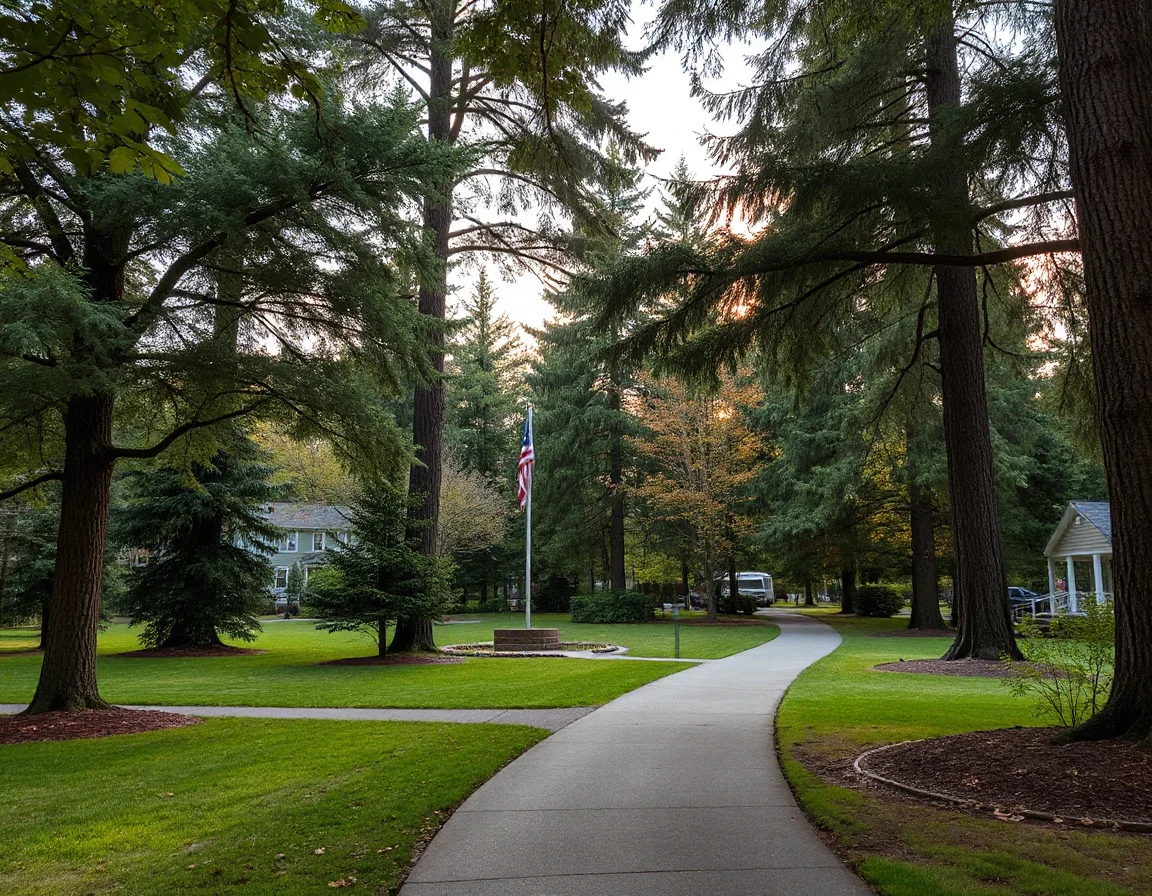
Richmond Beach Saltwater Park is one of the city’s best-known outdoor destinations, with shoreline views, beach access, trails, and picnic areas. On the east side of the city, Paramount School Park and Boeing Creek Park provide additional places to walk, play, or spend time outdoors. These spaces are part of what gives Shoreline its established, green character while still placing Seattle, Edmonds, Lake Forest Park, and the Eastside within reach.
For a more active outing, the Interurban Trail runs through Shoreline and connects to a larger regional path network. It is used for walking, running, and cycling, while city recreation facilities and sports fields add more ways to enjoy time outside. The city’s parks are not just occasional destinations; they can become useful landmarks when comparing homes, planning weekend routines, or deciding how a particular location fits the way you want to move through the area.
Shoreline’s mix of wooded parks, shoreline access, and regional trail connections gives buyers more than one way to evaluate location: proximity to transit, outdoor space, and daily errands can all matter differently from one block to the next.
Housing in Shoreline ranges from mid-century houses and classic Northwest ramblers to townhomes, condominiums, newer construction, and properties with redevelopment potential. Lot sizes, topography, renovation history, and distance from major corridors can vary significantly, so it helps to look beyond a listing’s headline features. A home near a park may offer a different daily feel than one near a light-rail station, while a property farther west may place more emphasis on access to the shoreline and Puget Sound views.
Because the city is evolving, buyers may also see a mix of established streets and newer multifamily or mixed-use development near transit. That variety can create options across a range of layouts, maintenance needs, and ownership goals. Reviewing current inventory alongside a clear list of priorities is often the best way to understand what is available at a given time.
Light Rail Changes the Regional Map
One of Shoreline’s most significant recent changes is the arrival of Link light rail. The 1 Line extension added Shoreline North/185th Station and Shoreline South/148th Station in 2024, creating a direct rail connection between Shoreline and major destinations to the south. For many residents, this adds another transportation option alongside driving, buses, biking, and walking.

The stations have also focused attention on nearby streets and future development. Homes within walking, biking, or short driving distance of rail stations may appeal to people who value a transit connection, while properties farther from the stations can offer a different balance of street setting, lot configuration, and access to other routes. Commute times naturally depend on the destination, time of day, station access, transfers, and personal travel patterns, so it is worthwhile to test a route before making it a key decision factor.
Shoreline’s location also offers access to Interstate 5, State Route 99, and routes toward the Eastside and Snohomish County. That geography can be useful for those whose work, recreation, or regular appointments take them across the region. When touring homes, consider the practical details: where you would park, how you would reach a station or bus stop, whether a preferred route feels comfortable at different times, and how nearby road noise changes from one property to another.
Transit-oriented growth does not make every part of Shoreline feel the same. Instead, it adds another layer to a city that already has residential streets, commercial corridors, parks, and shoreline destinations. For buyers, that means a useful opportunity to compare homes based on a full picture of access rather than assuming one location serves every need in the same way.
Dining, Local Services, and Community Gathering Places
Shoreline’s dining scene is spread across the city rather than concentrated in one compact district. Along Aurora Avenue North and around the 15th Avenue Northeast and 185th Street corridors, residents can find a broad range of casual meals, takeout options, bakeries, coffee, international cuisine, and everyday services. The nearby communities of Edmonds, Lake Forest Park, and north Seattle expand the choices even further.
This distributed pattern can be an advantage when choosing a home. Some locations place everyday errands close by, while others feel more removed from busier corridors but require a slightly longer trip for groceries, dining, or appointments. A practical neighborhood visit might include stopping by at different times of day, noting traffic patterns, checking parking, and taking a walk around the nearest commercial area. These observations can reveal more about daily convenience than a map alone.
Community events, library programming, recreation classes, and local gathering spaces also add to the city’s character. Shoreline’s civic amenities provide opportunities for learning, fitness, arts, and seasonal activities. For prospective owners, these features can be part of a larger question: what resources are nearby, and how easily can they become part of an ordinary week?
When comparing Shoreline homes, visit the nearest transit stop, park, and errand corridor on the same day. Seeing all three in sequence can provide a realistic sense of how the location functions beyond the property line.
Schools and Home Search Due Diligence
School information is an important research topic for many home buyers, and Shoreline is primarily served by Shoreline School District, with boundaries that should always be verified for a specific address. District attendance areas, programs, enrollment policies, transportation, and school assignments can change, so buyers should consult official district resources directly rather than rely only on listing descriptions or informal neighborhood information.
It can also be helpful to separate a home search into property facts and independently researched community services. Confirm the assigned schools, review public information about programs and operations, and consider travel time from the property. The same approach applies to parks, transit service, utilities, zoning, planned construction, and neighborhood associations. Thoughtful due diligence makes it easier to compare homes on consistent, objective criteria.
For sellers, these same themes can help shape a clear property presentation. Highlighting factual features such as a home’s layout, updates, outdoor space, transit proximity, nearby parks, and location within Shoreline gives prospective buyers useful information without overstating the experience of living there. Accurate details, strong photography, and a well-prepared showing plan remain essential in a market where buyers can compare many options quickly.
Finding the Right Shoreline Fit
Shoreline offers a compelling combination of regional access and local texture: wooded parks, Puget Sound connections, varied home styles, expanding rail service, and an established network of everyday amenities. The best fit depends on the details that matter most to you, whether that is a particular layout, a preferred transit route, outdoor access, renovation potential, or proximity to a regular destination.
Take time to explore more than one part of the city, compare current listings with recent sales, and revisit promising areas at different times. With a practical search strategy and careful local research, Shoreline’s many layers become easier to understand—and a home search can move from broad interest to a well-informed decision.