
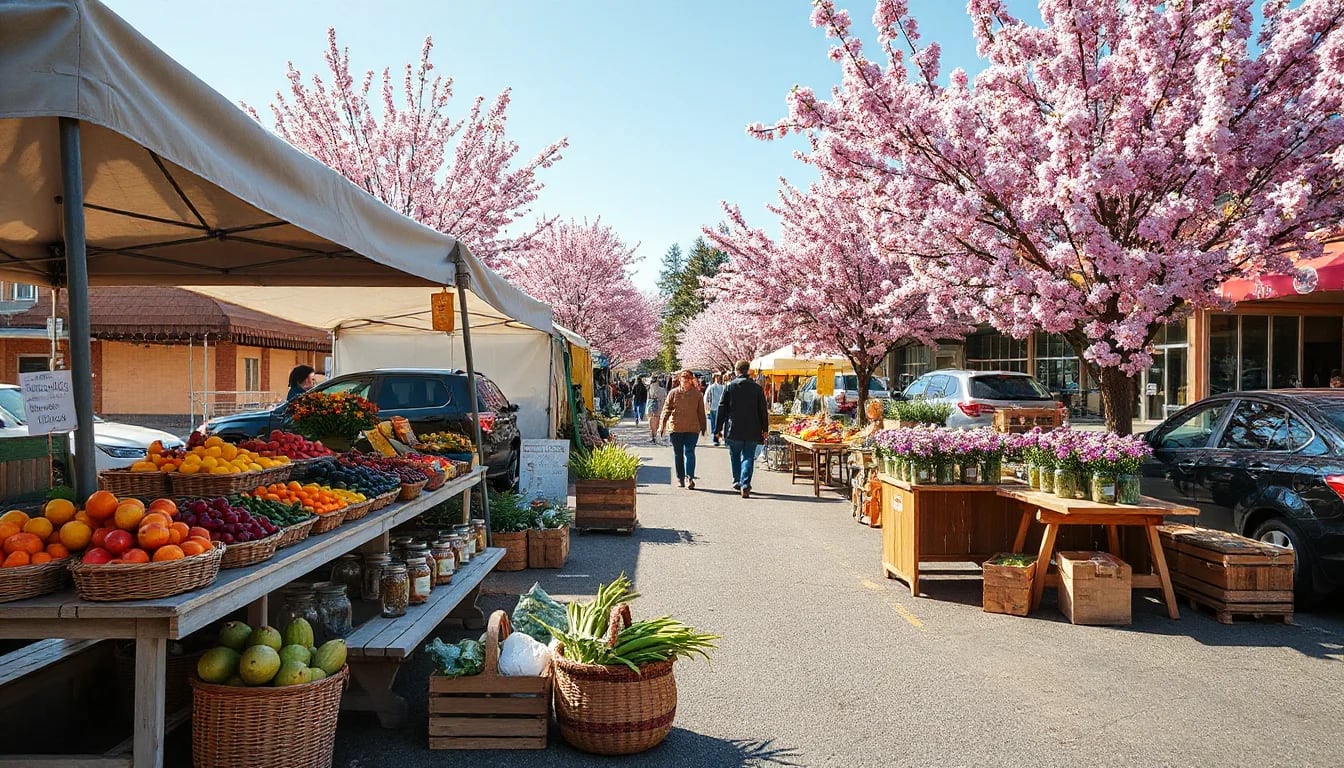
Seattle’s event calendar gives each season its own rhythm: pink cherry blossoms in early spring, waterfront celebrations and neighborhood gatherings in summer, and colorful cultural events as the weather turns. Knowing where and when these traditions happen can make a weekend outing—or a home-search visit—feel much more connected to the city.
Spring Arrives in a Cloud of Pink
Seattle’s cherry blossom season is one of the city’s most anticipated signs of spring. The University of Washington’s Quad is widely known for its mature cherry trees, which typically bloom for a brief, weather-dependent window between mid-March and early April. When the blossoms open, the paths, brick buildings, and green lawns create a memorable seasonal scene that draws visitors from throughout the Puget Sound region.
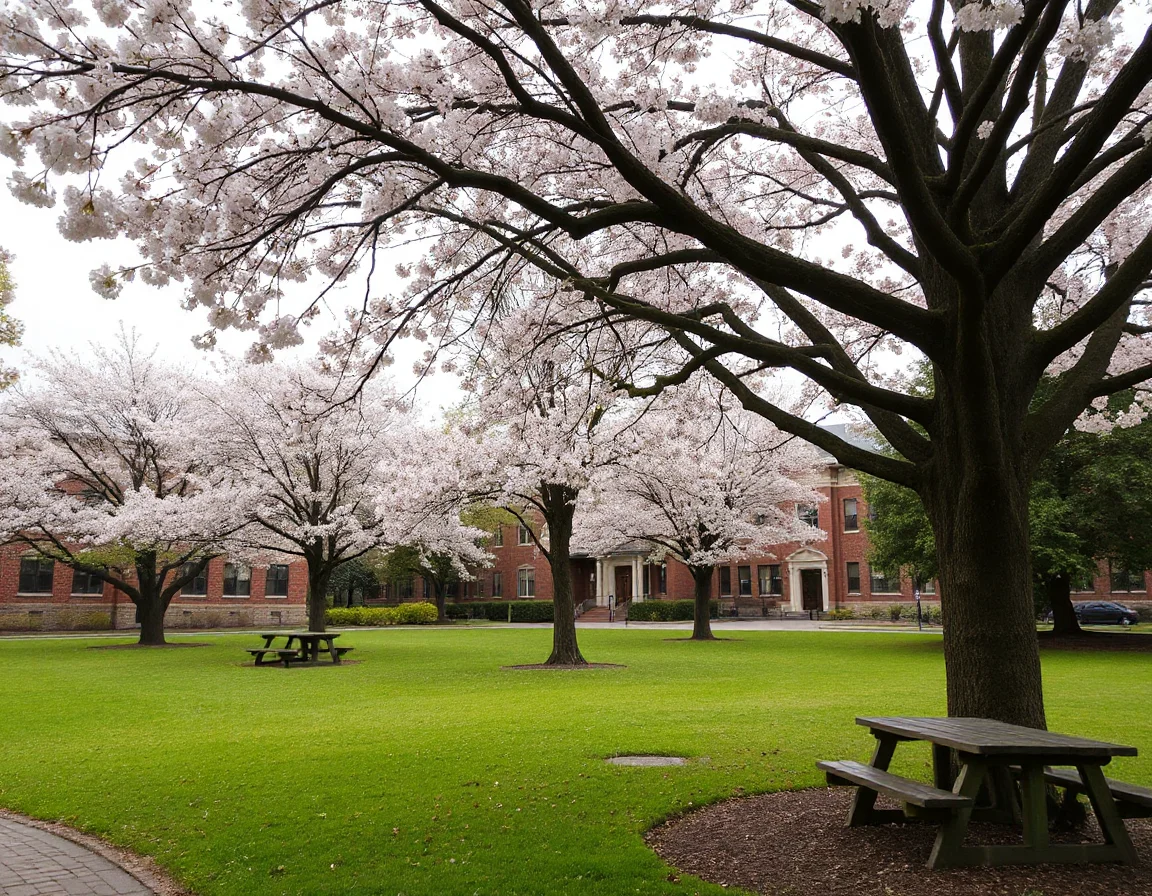
The best approach is simple: check the bloom forecast, arrive early, and leave room for a walk through the surrounding University District. The season is short, so timing matters more than a fixed calendar date. A cool spell can slow the opening of the flowers, while a stretch of mild weather can bring the peak forward quickly. Rain is part of the Seattle experience, but it can also make the petals especially vivid against the dark branches and paved paths.
Cherry trees also appear in many public spaces beyond the Quad. Volunteer Park on Capitol Hill, the Washington Park Arboretum near Lake Washington, and portions of the Seattle Japanese Garden provide additional places to notice spring color. Each setting offers a different atmosphere: formal garden paths, broad lawns, wooded trails, and views of established residential streets. These destinations are useful reminders that Seattle’s green space is woven into everyday city life rather than limited to one marquee attraction.
Peak cherry blossom viewing can last only a week or two, so checking current bloom updates before planning a visit is more useful than relying on last year’s dates.
For anyone exploring Seattle neighborhoods in spring, the blossom season adds another layer to a practical visit. It is an opportunity to notice transit access, nearby parks, sidewalks, local gathering places, and the pace of activity at different times of day. A home search involves more than comparing bedrooms and square footage; spending time in an area during a seasonal event can provide useful context about how the surroundings feel and function.
Summer Brings Street Energy and Waterfront Traditions
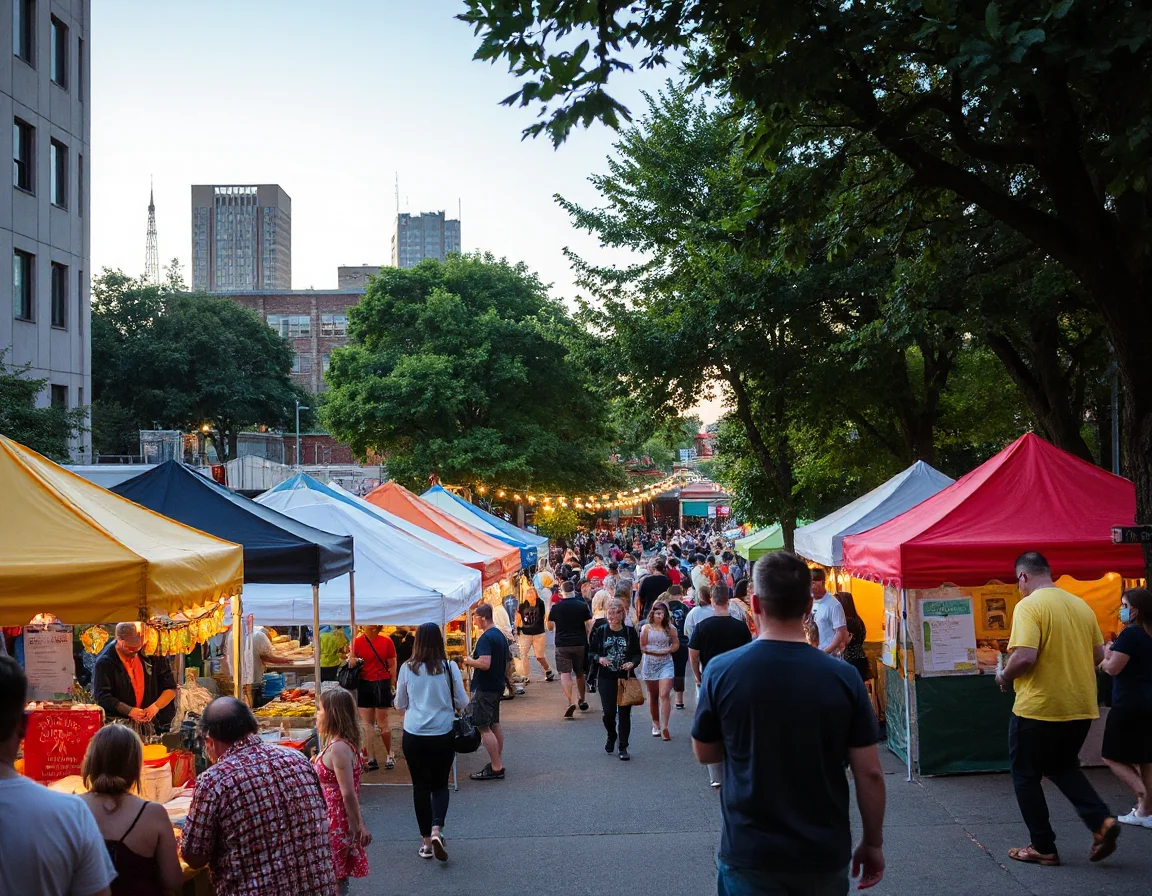
By early summer, Seattle’s calendar shifts outdoors. Long daylight hours bring neighborhood festivals, music programming, art walks, waterfront events, and public gatherings to parks and paved streets across the city. Seattle Pride in late June, the Seafair summer festival season, and the Capitol Hill Block Party are among the better-known annual events, while many smaller gatherings highlight local artists, food, makers, and community organizations.
Seafair is particularly woven into the city’s summer identity. Its schedule often includes hydroplane racing on Lake Washington, air-show programming, community parades, and related activities throughout the region. Exact dates, access points, and transportation details vary by event, so it is worth reviewing official schedules before heading out. Lake Washington Boulevard, the Montlake area, and other nearby corridors can be busier during major waterfront programming.
Seattle’s neighborhood festivals provide a different kind of discovery. Ballard, Fremont, Wallingford, Beacon Hill, Columbia City, West Seattle, and the Central District all host recurring events or seasonal programming that invite people to spend time outdoors. These occasions can be a lively way to experience a neighborhood’s public spaces, sample regional food, listen to music, or browse local art without trying to fit an entire city into one afternoon.
Street closures and parking demand are part of the practical side of festival season. Transit, rideshare, cycling, or a planned walk from a nearby parking area can make a visit smoother, especially around popular events. For residents, recurring event weekends can be something to enjoy, plan around, or both. For visitors considering a move, observing how a neighborhood handles activity, traffic flow, and public gathering space can be useful real-world information.
Seattle’s summer light lasts well into the evening, which makes an early dinner, a neighborhood stroll, and an outdoor event realistic parts of the same outing.
Waterfront access also becomes a focal point in summer. Alki Beach, Gas Works Park, Green Lake, Golden Gardens, and Lake Union offer distinct settings for walking, boating, picnicking, and watching the changing light over the water. Seattle’s geography makes these experiences feel close at hand, even within an active urban area. The key is to choose the setting that suits the day: a shoreline path, a lawn with skyline views, a quiet dock, or a busier public gathering.
Autumn Color, Cultural Events, and Indoor-Outdoor Weekends
Autumn in Seattle has a quieter but equally appealing event rhythm. As maples and other deciduous trees change color, public gardens and neighborhood parks become inviting places for a walk between seasonal events. The Washington State Fair in nearby Puyallup, fall harvest programming, arts events, and cultural celebrations throughout the region create options well beyond the central city. Seattle’s changing weather encourages flexibility: a morning outdoors can pair easily with an afternoon gallery visit, museum stop, or meal in a nearby district.
The fall calendar often includes events connected to film, design, books, music, and food. Rather than treating these occasions as a checklist, consider choosing one neighborhood and giving it time. A visit to Seattle Center may include public art, open spaces, and nearby attractions. Pioneer Square offers historic architecture and access to the waterfront. The International District provides another setting for exploring Seattle’s layered history and seasonal cultural programming. Event details change year to year, but the city’s mix of venues makes spontaneous weekend plans possible.
For home buyers, autumn can be a practical season to revisit areas that looked different during summer. Earlier sunsets reveal street lighting, weather patterns show where umbrellas and covered entryways become valuable, and leaves on the ground can change the feel of a park or tree-lined block. These are not reasons to rule a place in or out; they are simply details that help create a more complete picture of daily routines and property maintenance considerations.
Plan Around the Season, Not Just the Destination
Seattle rewards a little advance planning. Check official event pages for dates, admission requirements, transit advisories, and weather guidance, especially for large festivals or waterfront programs. Bringing layers, comfortable walking shoes, and a flexible itinerary is often more useful than waiting for a perfectly clear forecast. The city’s maritime climate can change quickly, and many of its most recognizable seasonal moments remain enjoyable under soft clouds or light rain.
Whether the goal is seeing cherry blossoms, attending a summer gathering, or taking in fall color, seasonal events offer a welcoming way to understand Seattle beyond a map. They reveal how parks, public spaces, waterfronts, and neighborhood streets are used throughout the year. For those considering a Seattle move, that firsthand perspective can complement listing research and help turn a house-hunting trip into a more informed exploration of the city.