
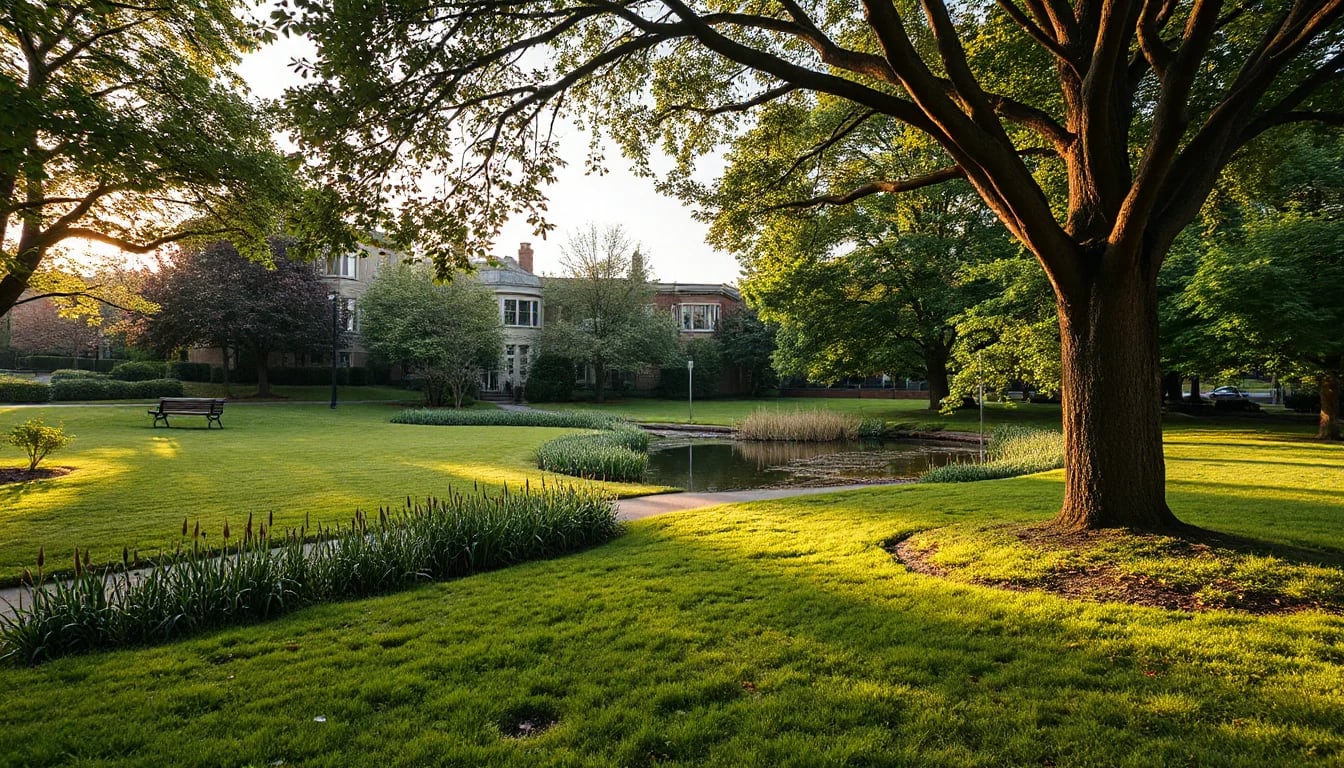
Capitol Hill rewards close attention: leafy parks, historic residential streets, independent dining destinations, and frequent transit are woven into a compact stretch east of downtown Seattle. Whether you are exploring the area for a future move, a day out, or a closer look at local housing, this guide highlights the places and practical details that shape everyday life here.
A Neighborhood Built for Exploring on Foot
Capitol Hill is one of Seattle’s most recognizable urban neighborhoods, but its appeal is not limited to one landmark or one corridor. The area shifts block by block: active commercial avenues give way to older homes, apartment buildings, pocket gardens, broad sidewalks, and streets shaded by mature trees. It is a place where a short walk can connect a coffee stop, a public park, a library, a transit station, and an evening reservation.
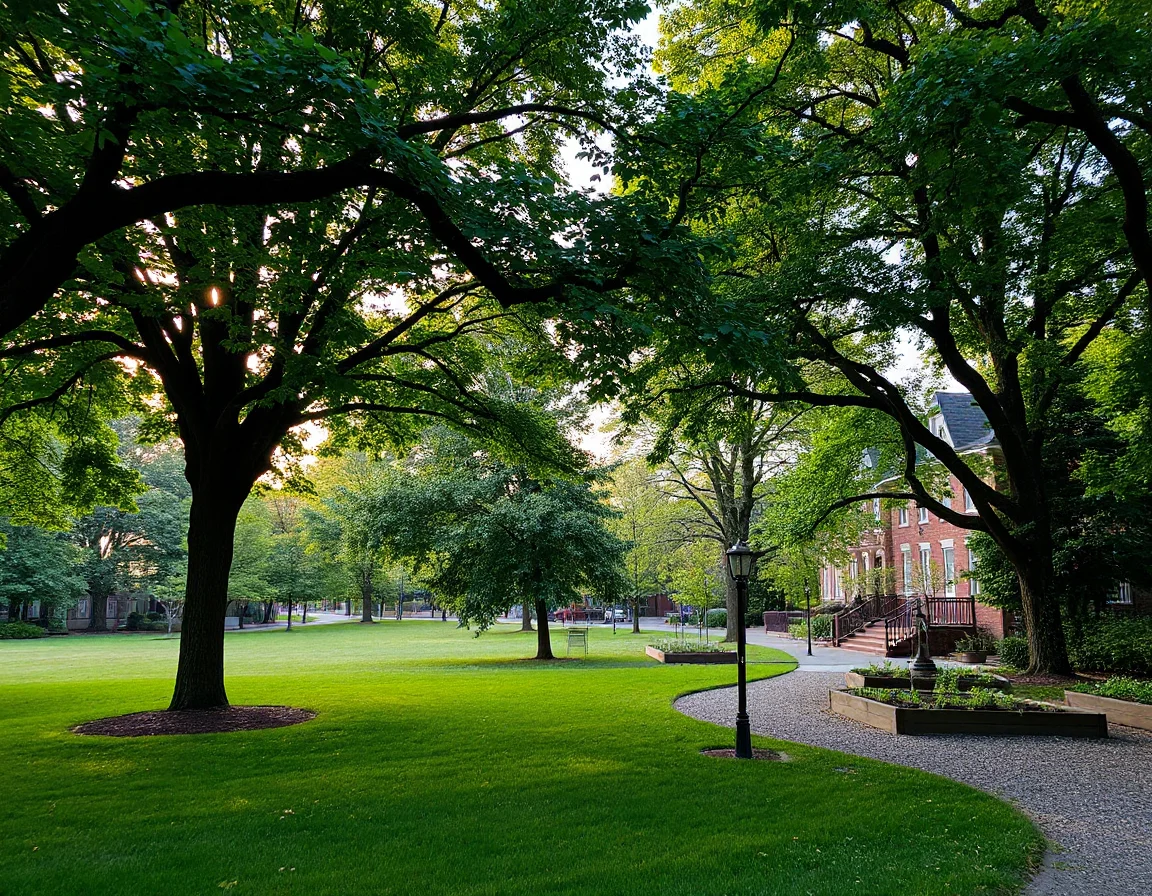
Its geography helps explain that energy. Capitol Hill rises east of downtown and borders several distinct Seattle districts, making it a useful starting point for trips toward South Lake Union, the Central District, First Hill, the University District, and the waterfront. The terrain includes noticeable slopes, so a route that looks simple on a map can feel different in person. Exploring on foot is often the best way to understand where the flatter commercial stretches end and quieter residential blocks begin.
Historic architecture is part of the experience. Along side streets, visitors will find early-20th-century houses, brick courtyard buildings, converted structures, and newer condominium or apartment communities. That varied building stock creates a neighborhood with many visual layers rather than a single architectural style. When viewing homes, pay attention to practical details such as orientation, street noise, parking arrangements, storage, building access, and the condition of older systems.
A few blocks can make a meaningful difference in transit access, topography, and the feel of the street—walk the route from a prospective home to the places you expect to use most often.
For anyone studying the local real estate market, Capitol Hill is also a reminder that “neighborhood” is a broad label. A condo near the light rail station, a townhouse on a residential slope, and a vintage home near Volunteer Park may offer very different layouts, upkeep considerations, and pricing patterns. Comparing recent sales and active listings by property type is usually more informative than relying on area-wide averages alone.
Parks, Gardens, and Room to Pause
Green space gives Capitol Hill a welcome counterpoint to its busy corridors. Volunteer Park, on the northern side of the neighborhood, is a major draw for its lawns, tree canopy, walking paths, public art, and views from its elevated setting. The park is also home to the Seattle Asian Art Museum and the historic Volunteer Park Conservatory, making it easy to combine a walk outdoors with a cultural stop.
Cal Anderson Park is another central gathering place, positioned close to Broadway and the Capitol Hill light rail station. Its open fields, paths, play areas, sports facilities, and central lawn make it a familiar landmark for people meeting up, taking a break, or spending time outside. The park’s location is particularly useful when orienting yourself around the neighborhood’s busiest transit and dining areas.
Smaller green spaces matter here, too. Tree-lined streets and planted medians soften many of the residential blocks, while nearby trails and parks in adjacent neighborhoods expand the options for walking, running, and cycling. Seasonal weather changes the experience: spring brings flowering trees, summer extends outdoor gathering hours, and autumn adds color to the canopy that frames many older streets.
These amenities can be useful reference points during a home search, but it is wise to visit at several times of day. Park activity, sunlight, event schedules, and traffic conditions can vary. Buyers reviewing a condominium should also ask about building policies, HOA dues, reserve funding, rental rules, and any planned assessments rather than assuming all nearby properties function alike.
Dining, Culture, and the Everyday Rhythm of the Hill
Capitol Hill’s dining scene is one of its defining features, with options spread across Broadway, Pike/Pine, 15th Avenue East, and neighboring side streets. The mix includes long-running local favorites, new openings, bakeries, late-night options, cocktail bars, and casual daytime spots. Rather than treating the neighborhood as a single destination, it is worth exploring different corridors; each has its own pace, architecture, and concentration of activity.
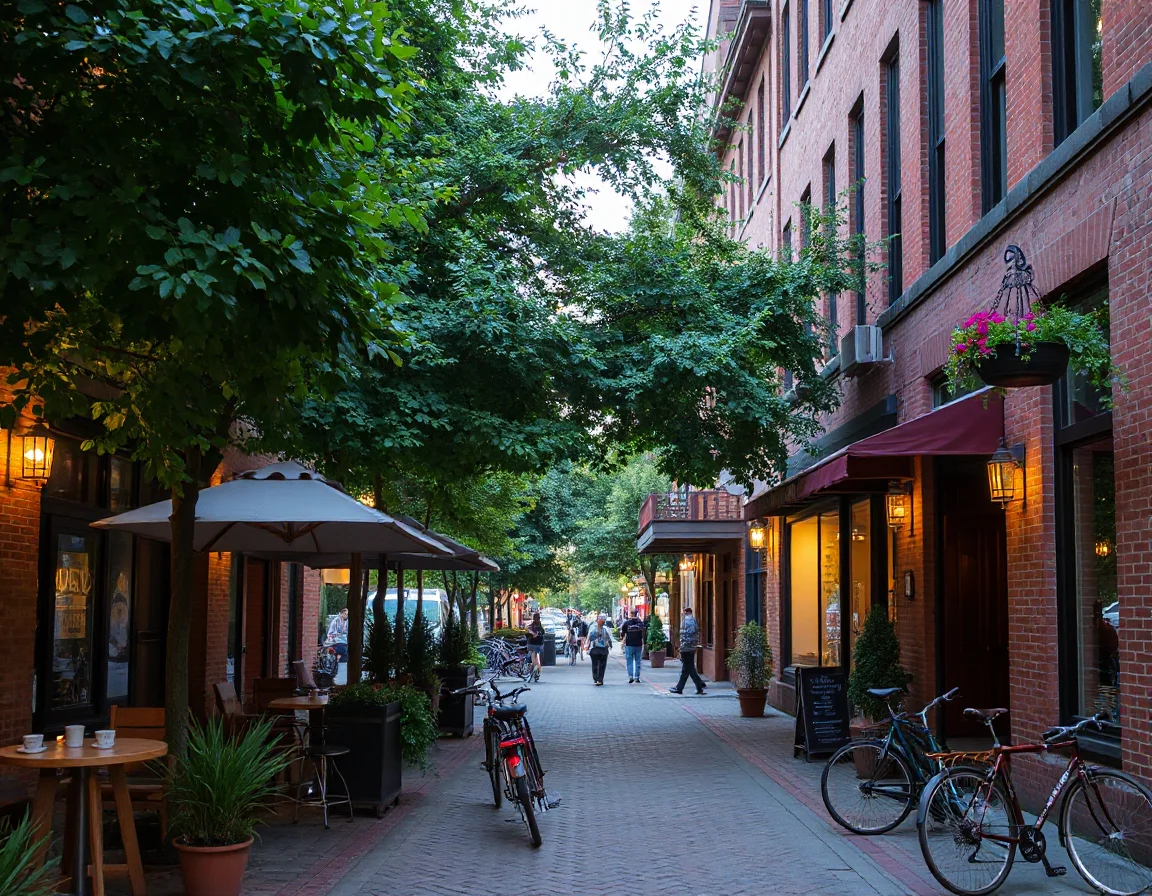
Beyond dining, the neighborhood has a deep connection to Seattle’s arts and nightlife landscape. Performance spaces, music venues, galleries, bookstores, and community events contribute to an active calendar throughout the year. Pike/Pine in particular is known for its converted industrial buildings and older brick façades, while the streets farther north often feel more residential and garden-oriented. The contrast is part of what makes a walk through Capitol Hill memorable.
For practical errands, the area includes grocery options, pharmacies, fitness studios, services, and neighborhood businesses within a relatively concentrated footprint. This level of proximity can be valuable for people who prefer to combine daily tasks with a walk, bike ride, or transit trip. At the same time, the most active blocks may bring more pedestrian activity, delivery traffic, and evening sound than quieter streets several blocks away.
When considering a home near commercial corridors, visit during both weekday and weekend hours. Notice loading zones, construction activity, street parking rules, and how sound carries into the building or yard. These straightforward observations help connect listing photos with the lived details of a particular block.
Transit Connections and Getting Around Seattle
Capitol Hill is among Seattle’s most transit-connected neighborhoods. The Capitol Hill Station provides Link light rail access, linking the area with downtown Seattle, the University District, Northgate, Sea-Tac Airport, and other points along the system. Bus routes on Broadway, Pike, Pine, 15th Avenue East, and nearby arterial streets add options for local trips and cross-city connections.
The First Hill Streetcar also serves the broader area, connecting Capitol Hill’s southern edge with First Hill and the International District. For drivers, Interstate 5 is accessible to the west, although travel times can change considerably with peak-hour conditions, events, and road work. Cycling is another common way to move through the neighborhood, though hills, weather, and route comfort are important factors to assess personally.
Transit convenience is highly location-specific: check the actual walking route, elevation changes, and service schedule from the property—not just the distance shown on a listing map.
Transit access can influence buyer interest, especially for condos and townhomes near major corridors, but it is only one part of the property equation. Building construction, window placement, parking availability, monthly expenses, and resale history all deserve equal attention. A detailed showing and a careful review of seller disclosures can clarify how a particular home fits your priorities.
A Thoughtful Way to Experience Capitol Hill
The best Capitol Hill visit is unhurried. Start at a park or transit station, walk a few different corridors, pause on residential side streets, and take note of the changing elevation and building styles. Consider returning in a different season or at a different hour to see how the neighborhood’s rhythm changes. That approach provides a fuller picture than a quick drive through can offer.
For real estate buyers, sellers, investors, and property owners, Capitol Hill remains a market where local context matters. The area’s historic streets, public spaces, transit network, and commercial activity create broad appeal, yet each block and building presents its own set of questions. With thoughtful research and an on-the-ground perspective, it is easier to evaluate both the character of the neighborhood and the practical details of a specific property.