

Buying a first home in Seattle involves more than finding a listing you like: the offer, inspection, appraisal, financing, and closing each have their own deadlines and decisions. This checklist breaks the process into practical steps so you can prepare questions, organize documents, and move from search to keys with greater clarity.
Start Before the Search: Budget, Loan, and Priorities
Seattle buyers often begin by scrolling listings, but the most useful first step happens before the first tour. Review your income, recurring expenses, savings, and the cash you want available after closing. Your purchase budget should account for more than a down payment: lender fees, prepaid taxes and insurance, inspection costs, appraisal charges, moving expenses, and reserves for early repairs or updates can all affect the amount that feels comfortable.

Get a preapproval rather than relying on an online estimate. A lender can review your financial information and explain the loan amount, monthly payment range, rate options, and documentation requirements. Preapproval is not a final loan commitment, but it provides a stronger foundation for your search and helps you understand what may be needed once you have a signed purchase agreement.
Then separate your wish list into three categories: essentials, preferences, and future projects. Essentials may include location, commute considerations, access to transit, layout, number of bedrooms, parking, or outdoor space. Preferences might include a renovated kitchen, view, fireplace, or specific architectural style. Future projects are features you could change over time. This distinction helps when comparing homes with very different strengths.
A clear spending ceiling can make decisions faster when a home attracts multiple offers. Include room for inspections, closing costs, and post-closing maintenance instead of focusing only on the listing price.
It is also smart to gather a small team early: a real estate professional, lender, and, when appropriate, an insurance contact. Seattle-area properties range from condominiums with association documents to older homes with distinctive systems and newer construction with different maintenance questions. The right questions are rarely identical from one property type to the next.
Tour With a Checklist, Not Just a First Impression
A showing is your opportunity to look beyond staging and surface finishes. Take notes, compare each home to your stated priorities, and revisit the listing details after the tour. Pay attention to the items that are difficult or expensive to change, including the lot, parking arrangement, floor plan, light exposure, storage, drainage, roof condition, and visible signs of deferred maintenance.
For condos and townhomes, ask for information about homeowner association dues, reserves, meeting minutes, insurance, rules, upcoming work, and any assessments. These materials can provide useful context about the building and anticipated expenses. For detached homes, consider questions about sewer lines, electrical panels, heating systems, foundations, retaining walls, decks, and landscaping. A later inspection will offer a more detailed review, but early observations can help you decide whether to pursue a property.
Location research should be factual and personal to your daily routines. Map travel times at the hours you expect to travel, check transit access if relevant, and visit nearby parks, waterfront paths, libraries, grocery options, and community spaces. Review publicly available information about zoning or major nearby projects when that may affect your decision. A home is both a building and a location, so it helps to evaluate both with the same care.
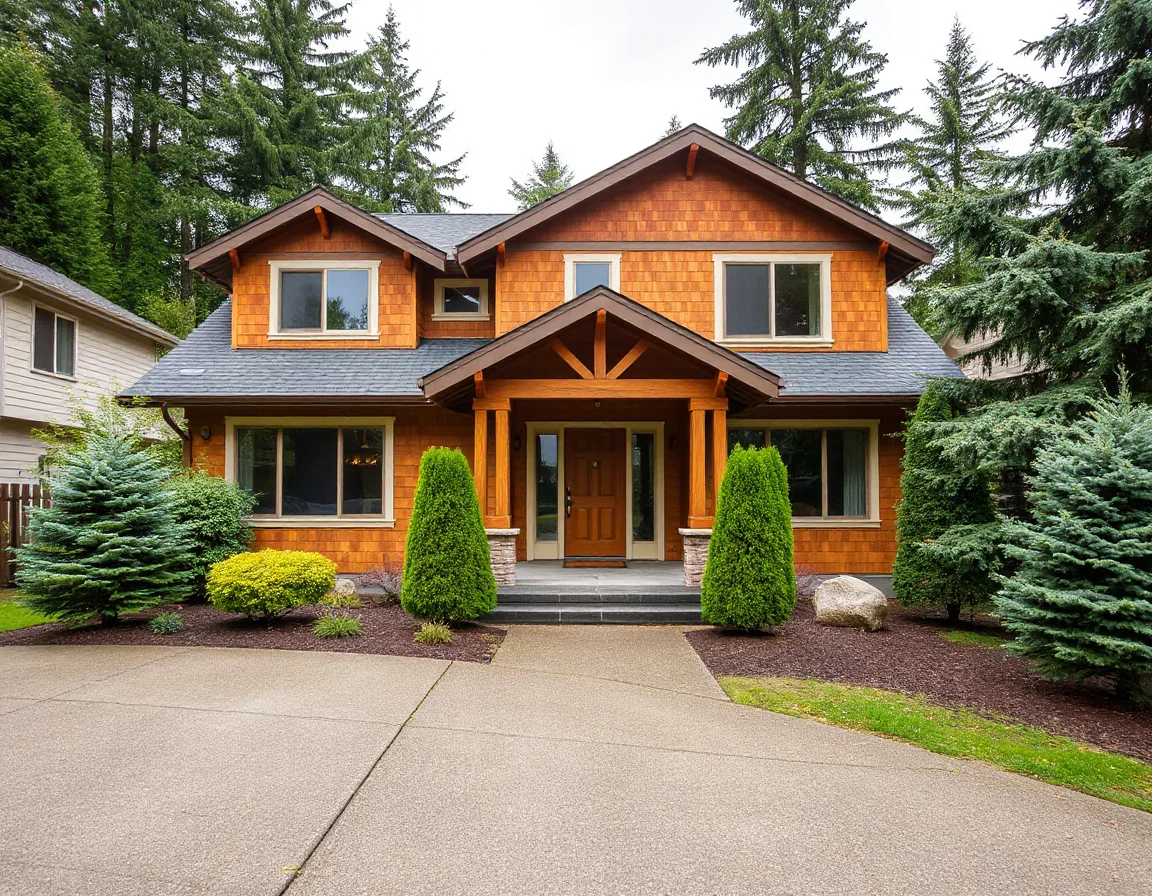
When you find a possible match, compare recent nearby sales with current competing listings. Your agent can help explain how size, condition, lot characteristics, updates, and location can influence market positioning. The goal is not to predict every market movement; it is to submit an offer supported by current information and aligned with your financial plan.
A complete offer can include price, earnest money, financing details, requested closing date, contingencies, and seller-provided information. In competitive situations, terms can matter alongside price. Discuss the practical implications of each term before signing. A deadline may seem distant at first, but once an offer is accepted, the calendar moves quickly.
Use the Inspection Period to Learn About the Property
An inspection is an educational step, not a pass-or-fail grade. A professional inspector generally evaluates accessible components and reports on observed conditions, maintenance items, and potential concerns. Older homes may have long lists simply because they have more history and more systems to review. Newer homes can also require attention, particularly around finishes, drainage, ventilation, and warranties.
Attend the inspection when possible and ask the inspector to distinguish between urgent concerns, recommended repairs, routine upkeep, and items that need further evaluation by a specialist. This conversation can make a lengthy report easier to understand. Keep copies of reports, estimates, disclosures, permits, and invoices in one digital folder; they may be useful both before closing and after you move in.
Depending on the agreement and findings, buyers may proceed as planned, request repairs or credits, seek additional specialist evaluations, or reconsider the purchase under the terms of their contract. Avoid assuming that every item will be repaired or negotiated. Instead, focus on the condition issues that materially affect your decision, budget, or ability to insure and finance the home.
Inspection reports commonly identify maintenance tasks even in well-cared-for homes. The most productive review separates immediate safety or system concerns from the normal upkeep that comes with ownership.
Understand the Appraisal, Financing, and Closing Timeline
After mutual acceptance, your lender will continue verifying financial information and may order an appraisal. The appraisal provides an opinion of value for the lender’s underwriting process; it is different from an inspection and does not replace your own due diligence. If the appraised value differs from the contract price, your real estate professional and lender can explain the available paths based on the contract and loan terms.
During underwriting, respond promptly to lender requests and avoid major financial changes unless you have discussed them with the lender first. Opening new credit accounts, making large unexplained deposits, changing employment arrangements, or making substantial purchases can create additional questions. Continue monitoring deadlines for financing, appraisal, title review, and other agreed contingencies.
Before closing, review your closing disclosure carefully. Confirm the loan terms, cash required to close, credits, prorated taxes or dues, and contact instructions for transferring funds. Verify wire instructions directly through a trusted phone number rather than relying on an unexpected email. At the final walkthrough, confirm the property is in the agreed condition and that included items remain in place.
Closing day marks the completion of the purchase, but it is also the beginning of homeownership planning. Save your closing documents, change locks or access codes as appropriate, locate shutoff valves and utility information, and create a seasonal maintenance list. With a realistic budget, careful due diligence, and a well-managed timeline, the process can feel less like a maze and more like a sequence of informed decisions.