

A home inspection is not a pass-or-fail test; it is a practical roadmap for deciding what deserves attention before closing. In Seattle’s competitive market, the strongest negotiation strategy is usually focused, documented, and tied to material condition issues rather than a long list of cosmetic preferences. Knowing when to request repairs, seek a credit, adjust the price, or move forward as-is can help keep a transaction on track.
Start With the Inspection Report, Not the Emotion of the Moment
Receiving an inspection report can feel overwhelming, especially when a newly discovered home suddenly comes with dozens of notes, photos, and recommendations. Most reports are intentionally thorough: inspectors document visible conditions, routine maintenance items, and potential concerns so buyers have a fuller picture of the property. A lengthy report does not automatically mean the home is in poor condition. It means the next step is to sort the findings by urgency, cost, and impact on the home’s function.
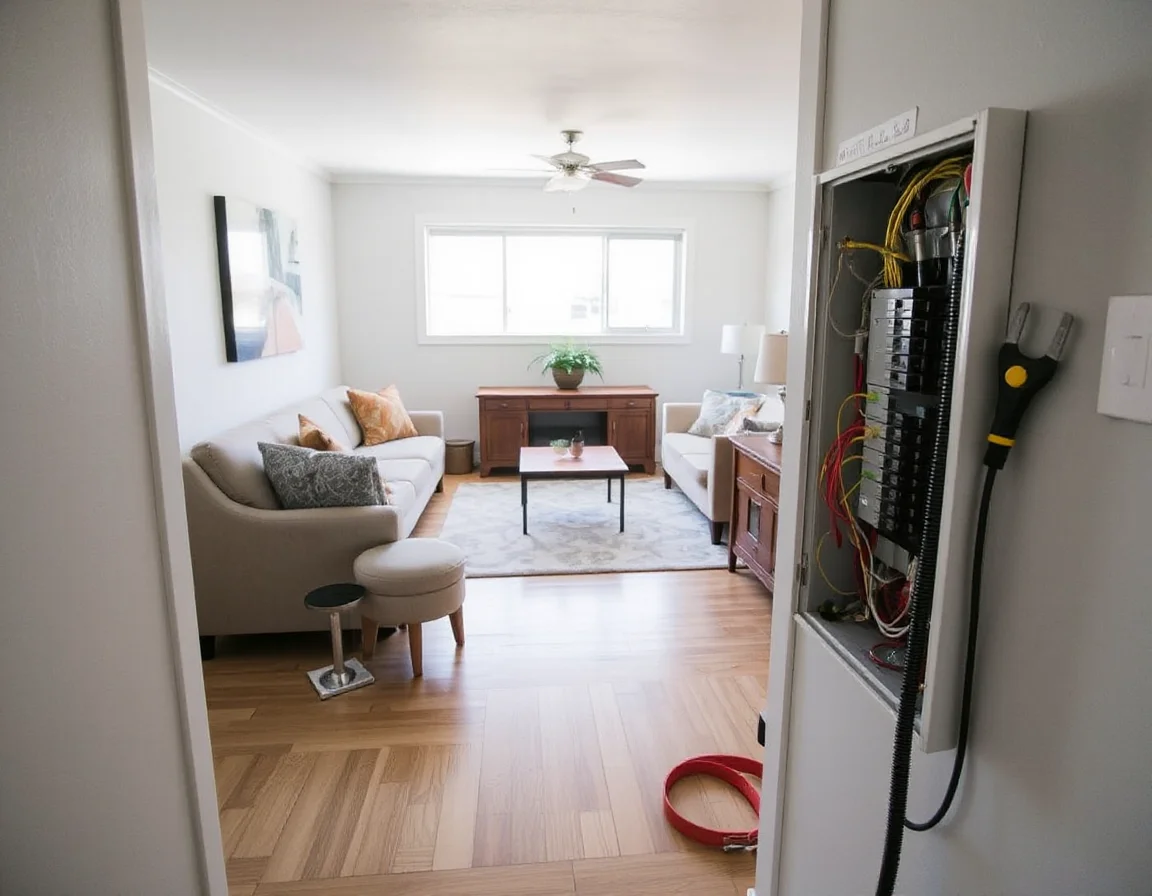
A productive review usually begins by separating observations into three groups: health and safety concerns, major systems or structural issues, and ordinary upkeep. Conditions involving active water intrusion, significant electrical hazards, furnace or water-heater performance, roofing failures, drainage, or foundation movement generally deserve closer attention. By contrast, worn caulk, a sticking interior door, faded paint, or an aging but functioning appliance may be useful information for future planning without necessarily being the center of a negotiation.
Seattle-area homes can range from newer construction to properties with many decades of history, and each era brings different maintenance patterns. Older homes may have aging plumbing, electrical updates completed at different times, drainage challenges, or deferred exterior work. Newer homes may still present issues involving installation details, ventilation, grading, or warranty coordination. The key is to evaluate the particular finding, not make assumptions based solely on age.
A short, well-supported request focused on material items is often easier to evaluate than a broad list of minor corrections. Inspection photos, contractor opinions, and repair estimates can help clarify the conversation.
When a report identifies something unfamiliar, ask for context. Is the condition active or historical? Is it a maintenance item, a specialist evaluation, or an immediate repair? What is the likely consequence of waiting? A qualified roofer, electrician, plumber, HVAC technician, structural professional, or sewer-scope provider may offer more detail than a general inspection can provide. That extra information can prevent both unnecessary alarm and an underinformed decision.
Choosing Between Repairs, Credits, and a Price Adjustment
Once priorities are clear, buyers and sellers typically have several paths forward. The right option depends on the contract terms, the timing before closing, lender requirements, the seller’s capacity to complete work, and the nature of the issue. Clear communication matters because each solution shifts responsibility, timing, and risk in a different way.

Seller-completed repairs can work well when the repair is specific, urgent, and readily completed before closing. For example, correcting an active plumbing leak or addressing a documented electrical concern may give a buyer confidence that the issue has been handled. The request should identify the scope of work, any licensing or permit expectations that apply, and documentation to be provided. Vague language such as “repair all inspection items” can create confusion because inspection reports often include many recommendations that vary widely in significance.
A closing credit may be preferable when the buyer wants to choose the contractor, the timing is tight, or the work would be disruptive before possession. Credits may be subject to lender limits and closing-cost rules, so buyers should discuss the option early with their lender and real estate team. A credit does not solve every problem, particularly if a lender requires a condition to be addressed before financing can be finalized, but it can be a flexible solution for many repair discussions.
A price adjustment changes the purchase price rather than providing funds at closing. It can be useful in some circumstances, though it does not necessarily give the buyer immediate cash for repairs and may affect appraisal, financing, and down-payment calculations differently than a credit. Sellers may also consider an as-is approach with appropriate disclosures and pricing, depending on the condition of the home and the buyer’s willingness to proceed.
Rather than treating every choice as a contest, it helps to focus on a shared goal: a clear agreement that allows both parties to make informed decisions. A seller may reasonably prefer a credit instead of managing contractors. A buyer may reasonably prefer repairs when a condition is difficult to assess or needs attention before move-in. The best outcome is the one that is specific, achievable, and understood by everyone involved.
Review the home buying process
How to Write an Effective Repair Request
A repair request is most persuasive when it is concise and grounded in the inspection findings. Begin with the items that materially affect the home’s systems, structure, weather protection, water management, or safe operation. Include the relevant report page or finding, summarize the concern in plain language, and state the requested solution. If a specialist has provided an estimate or evaluation, use that information to support the request rather than relying on assumptions.
It can be helpful to think in terms of outcomes instead of overly prescriptive instructions. For example, the request might ask for a licensed professional to correct an active leak and provide paid documentation, rather than dictating every product or construction method. There are exceptions: some repairs may require a precise scope, permits, engineering input, or follow-up testing. In those situations, detailed language protects both sides from uncertainty.
Timing is equally important. Inspection contingencies and response deadlines can be short, and a delay in obtaining estimates can limit options. Buyers should review the report promptly, make a prioritized list, and consult relevant professionals where the findings warrant more investigation. Sellers benefit from reviewing the request promptly as well, because early decisions leave more room for estimates, scheduling, and a clean path to closing.
- Prioritize active leaks, safety concerns, major system failures, and structural or drainage issues.
- Use inspection findings and specialist documentation to explain the request.
- Keep cosmetic preferences separate from material repair concerns.
- Specify whether the preferred solution is repair, credit, price adjustment, or further evaluation.
- Confirm how completed work and receipts will be documented before closing.
Keep the Transaction Moving With Clear Next Steps
After an agreement is reached, keep the paperwork and follow-through organized. If repairs are being completed, confirm the agreed scope, contractor qualifications where applicable, receipt requirements, and any final walk-through expectations. A final walk-through is typically an opportunity to verify the property’s general condition and confirm agreed-upon work has been completed; it is not a replacement for the original inspection or specialist evaluations.
For buyers, this stage is also an opportunity to build a practical home-maintenance plan. Save the inspection report, invoices, warranties, utility information, and notes about shutoffs or service schedules. Even homes in strong condition require ongoing care, and a report can become a useful reference for planning projects over the first year of ownership. For sellers, organized records can demonstrate the work completed and reduce uncertainty during the final steps of the transaction.
Inspection negotiations are rarely about making a house perfect. Every property has maintenance needs, and every buyer has a different comfort level with projects, timing, and budget. The goal is to understand the home’s condition, identify the items that matter most, and create an agreement that reflects the facts. With a focused strategy and knowledgeable guidance, the inspection period can move from a stressful surprise to a useful decision-making tool.
