
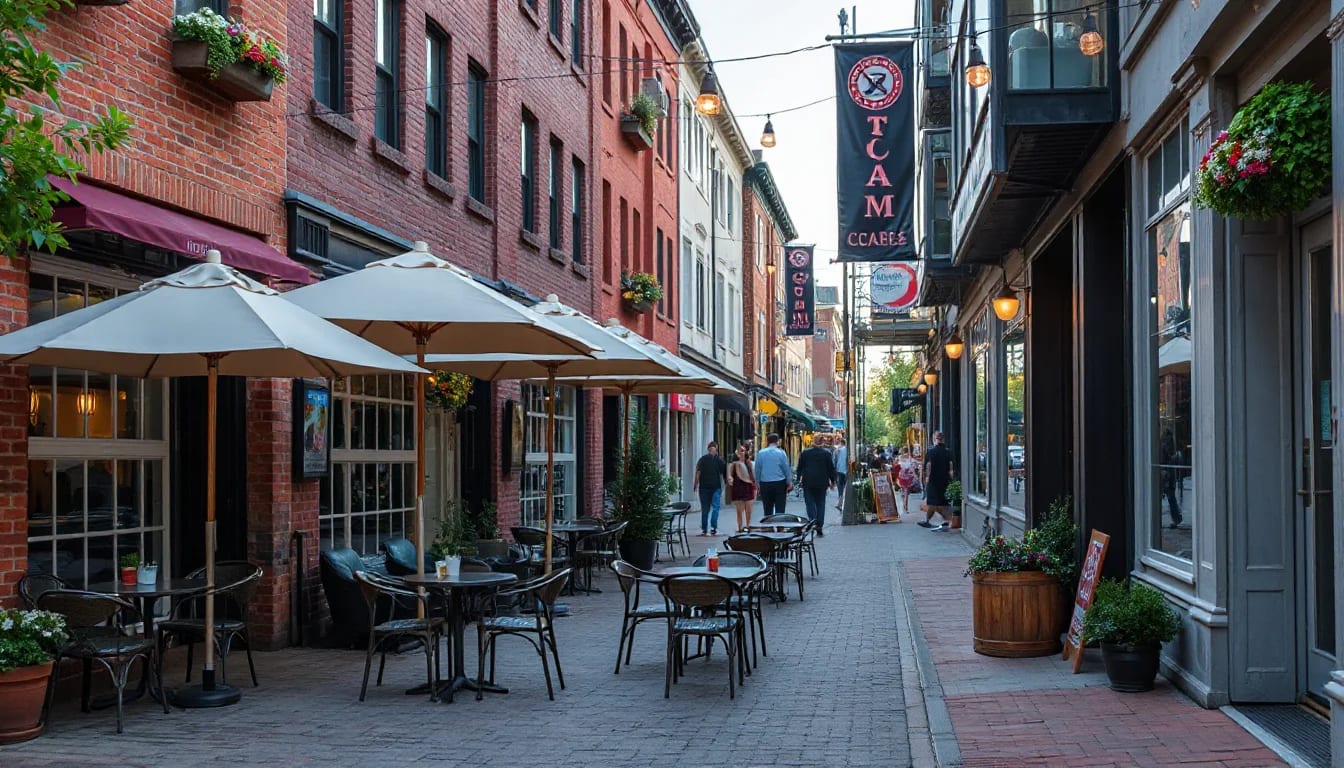
Seattle living can be explored one walk, ferry ride, light-rail stop, or neighborhood coffee break at a time. From the Elliott Bay shoreline to leafy residential streets and active urban centers, the city offers a wide range of ways to shape a daily routine around water, transit, recreation, and local gathering places. Knowing how those pieces connect can make a home search feel more grounded and more personal.
Start at the Water, Then Follow the City Inward
Seattle’s waterfront is more than a postcard view. It is a living edge of the city where public paths, piers, ferry activity, parks, and changing weather create a memorable rhythm throughout the year. A walk along Elliott Bay can begin near the central waterfront and continue toward Myrtle Edwards Park, where the route opens to views of the Olympic Mountains, Elliott Bay, and the working waterfront. The experience is different on a clear summer evening than it is on a misty winter morning, but that changing atmosphere is part of what gives Seattle its character.

For home buyers, proximity to the water can mean many different things. It may mean a nearby trail for an early walk, a view corridor from a hillside street, easy access to a ferry terminal, or simply a shorter trip to waterfront parks and public open space. Condominiums near the urban core, historic homes in established neighborhoods, and newer townhomes in growing areas can all offer distinct relationships to the shoreline. The right fit often comes down to how you expect to use the city rather than how close a property sits to the water on a map.
Seattle’s waterfront also connects naturally to cultural destinations and everyday conveniences. The Seattle Aquarium, Olympic Sculpture Park, Pike Place Market, and the central ferry docks create a compact area that can be visited on foot from many nearby neighborhoods. Rather than planning every outing around a car, residents often combine errands, meals, walks, and transit connections into a single trip. That flexibility can be especially valuable when comparing homes with different parking, storage, or commute arrangements.
A waterfront address is only one way to enjoy Elliott Bay. Homes farther inland may still offer practical access through transit, bike routes, neighborhood paths, and short drives to public shoreline parks.
Seattle’s weather deserves consideration, too. Covered entryways, mudrooms, durable exterior materials, secure bike storage, and practical indoor-outdoor transitions can make a noticeable difference during the wetter months. When touring a property, it helps to look beyond the view and consider the daily details: where umbrellas go, how groceries come inside, whether walking routes feel convenient, and how natural light moves through the space on a gray day.
Coffee Stops, Public Spaces, and Everyday Neighborhood Rhythm
Much of Seattle’s appeal is found in its small routines. Neighborhood business districts often bring together coffee counters, bakeries, bookstores, fitness studios, parks, and services within a few blocks of residential streets. Ballard, Capitol Hill, Columbia City, Fremont, Green Lake, West Seattle, Wallingford, and Beacon Hill each offer their own mix of architecture, street activity, public gathering places, and access to the rest of the city. No two areas feel exactly alike, which is why spending time there at different hours can be so useful during a search.
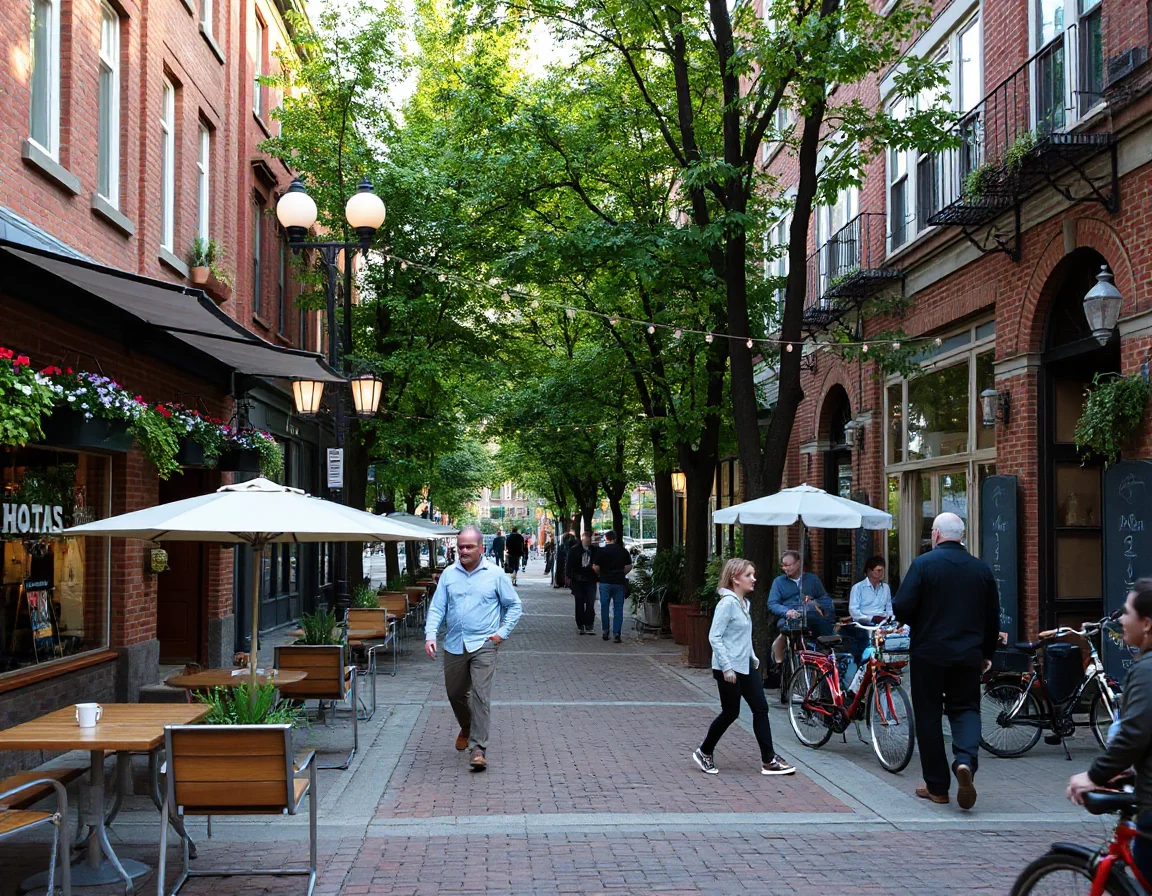
A productive neighborhood visit goes beyond a single open house. Try walking a few blocks in several directions, noting sidewalk conditions, tree cover, nearby green space, transit stops, and the practical services you might use during an ordinary week. Visit in the morning and again near the end of the day if possible. The goal is not to judge a neighborhood by one moment, but to understand how its pace, access, and built environment line up with your own priorities.
Seattle’s food and coffee culture provides an easy way to pause while exploring. A casual stop can become a useful planning moment: review listings, compare travel times, or observe how an area changes as people arrive for work, recreation, and evening activities. Public libraries, community centers, farmers markets, and neighborhood parks add additional layers to that daily rhythm. These places can help buyers identify the amenities they value most without relying on broad assumptions about any one part of town.
Housing styles shift quickly across the city. One block may feature early twentieth-century homes with front porches and mature landscaping, while another includes contemporary apartments, compact townhomes, or mixed-use buildings. Older homes may offer distinctive materials and established outdoor spaces, while newer construction can emphasize efficient layouts, updated systems, and low-maintenance finishes. Neither approach is automatically better; each comes with a different set of questions about upkeep, storage, parking, renovations, association rules, and long-term plans.
When comparing Seattle homes, pair the property tour with a ten-minute walk. The route to transit, groceries, green space, or a favorite gathering spot can reveal as much as a floor plan.
Transit Changes the Shape of a Home Search
Transit is a practical part of Seattle real estate decisions, especially when a home’s location is being compared against time, convenience, and transportation costs. Link light rail serves key north-south destinations, while buses, ferries, streetcars, and regional connections broaden the options available from many neighborhoods. Access varies by location, schedule, and route, so it is wise to test a potential trip rather than relying only on a transit map.
For some buyers, being close to a rail station is a top priority. For others, a frequent bus route, a dependable ferry connection, or an easy drive to a workplace matters more. A home with one transit advantage may have tradeoffs in price, size, lot configuration, or proximity to other amenities. The best comparison is specific: consider the routes you would actually take, the hours you would use them, and the backup options available when schedules change.
Seattle’s terrain also matters. Hills, bridges, and waterways create beautiful views but can change the feel of a trip from one neighborhood to another. A route that looks short online may include an elevation change, a transfer, or a limited crossing point. Touring with this in mind can help you assess walking, cycling, driving, and transit access realistically. It is also worth looking at bike storage, charging access, garage layout, and visitor parking when those features matter to your household.
Bringing Lifestyle Priorities Into a Seattle Purchase
A strong Seattle home search begins with a clear list of priorities, but it leaves room for discovery. Start with the fundamentals: budget, preferred home type, desired space, condition, and transportation needs. Then add the qualities that make a location feel useful and enjoyable, such as nearby trails, waterfront access, a walkable business district, a community garden, a library, or a direct transit connection. These details can shape how a home works long after the excitement of move-in day.
Market conditions can vary by neighborhood and property type, from competitive urban condominiums to single-family homes, townhomes, and investment properties. Buyers benefit from reviewing recent comparable sales, active competition, homeowners association documents where applicable, inspection findings, and likely maintenance needs before making a decision. Sellers benefit from presenting those same practical strengths clearly, including access to transit, outdoor space, storage, parking, views, and nearby amenities.
Whether your ideal Seattle day includes a shoreline walk, a ferry crossing, a quiet park loop, or a quick ride across town, the city offers many ways to build a routine around place. Taking time to explore the streets between destinations can turn a general search into a more confident decision. The most rewarding home is not simply near the action; it is one that supports the way you want to move through Seattle every day.
