
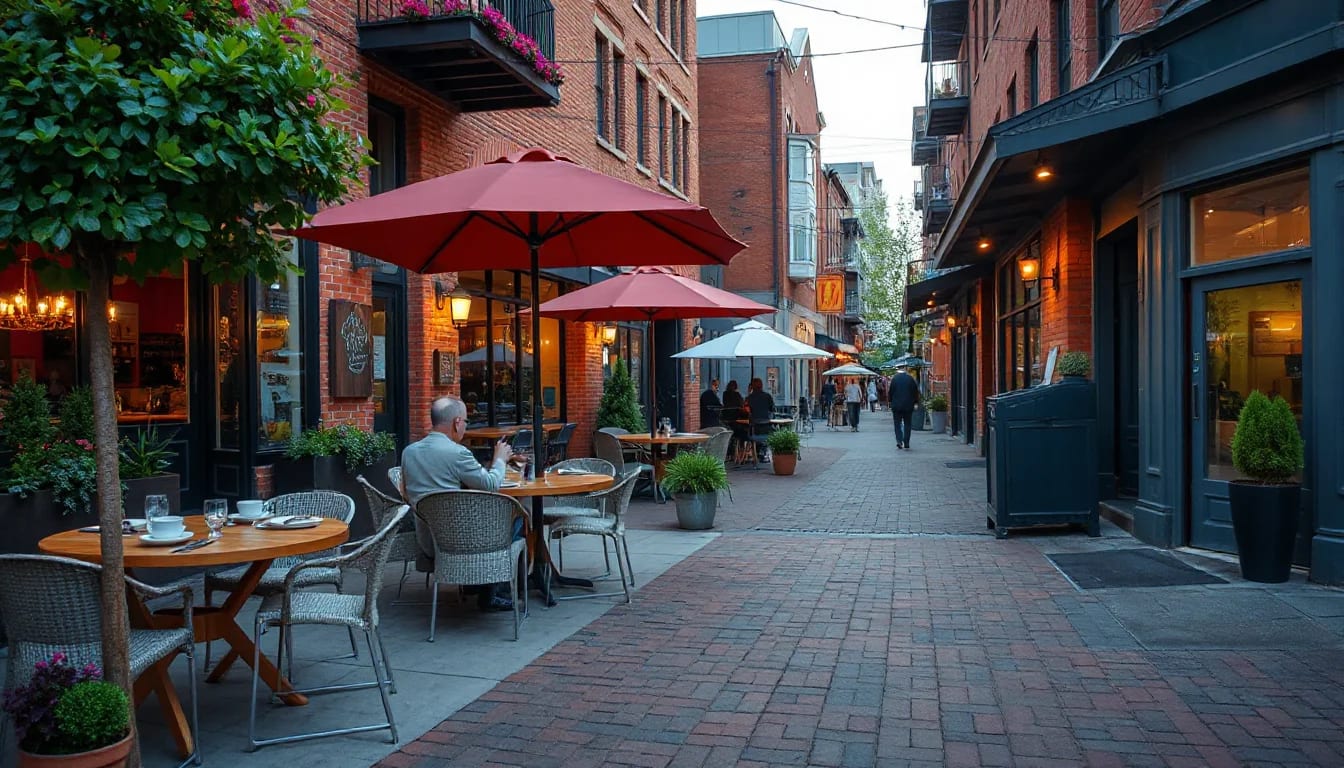
Ballard offers a distinctly Seattle blend of saltwater views, working-waterfront character, walkable daily errands, and an active dining scene. From Golden Gardens sunsets to the Hiram M. Chittenden Locks and Market Street gathering places, the neighborhood rewards people who value both local routines and easy access to the rest of the city. Understanding its micro-areas, home styles, and transportation options can make a Ballard home search more focused.
A Waterfront Setting Built Into Daily Life
Ballard sits in northwest Seattle between the waters of Puget Sound and Salmon Bay, with a landscape that makes the outdoors feel close at hand. The neighborhood’s shoreline, marinas, views toward the Olympic Mountains, and active maritime facilities give it a visual identity that is hard to confuse with anywhere else in the city. A quick errand can turn into a walk along the water, and an evening outing can end with changing light over the Sound.
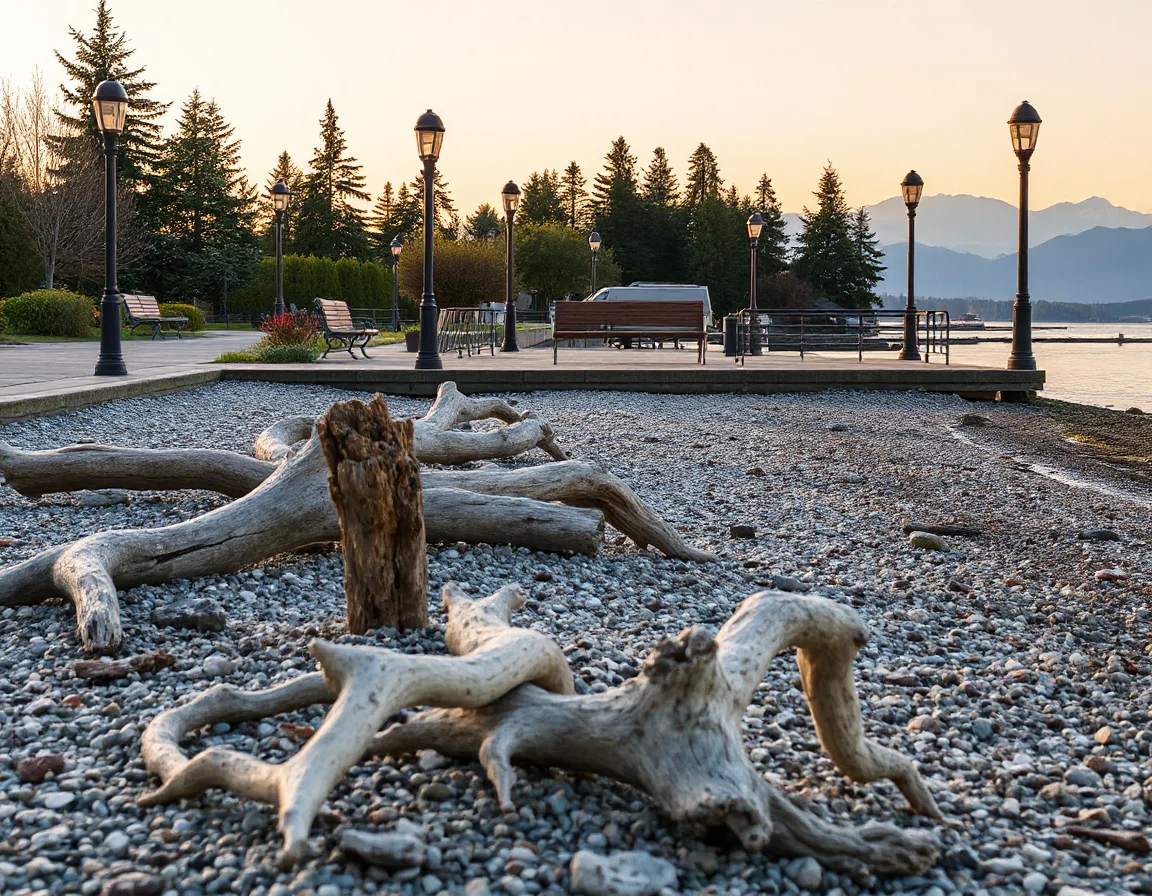
Golden Gardens Park is one of Ballard’s most recognizable outdoor destinations. Its beach, walking paths, open lawn, and views across the water create a setting that changes with the weather and season. On clear days, the Olympic Mountains provide a dramatic backdrop; in cooler months, the shoreline remains a compelling place for a brisk walk, birdwatching, or a pause beside the water.
Closer to the center of the neighborhood, the Hiram M. Chittenden Locks connect Puget Sound with Lake Washington Ship Canal waters. Watching boats move through the locks offers a front-row view of Seattle’s maritime infrastructure, while the adjacent botanical grounds provide a calm contrast to the working waterfront. The fish ladder is another distinctive feature, particularly during seasonal salmon runs.
Ballard’s waterfront is not only a scenic amenity; it also explains much of the neighborhood’s history and present-day rhythm. Fishing vessels, recreational boats, industrial activity, and public shoreline spaces share the area. That mix gives Ballard a practical, lived-in feel while preserving opportunities to enjoy the water without leaving Seattle.
Golden Gardens, the Locks, and the Burke-Gilman Trail are all useful reference points when comparing Ballard locations: each offers a different route to waterfront access and outdoor recreation.
Market Street Energy and Everyday Convenience
At the center of Ballard, Market Street and nearby blocks provide the neighborhood’s most concentrated mix of services, dining, personal-care businesses, and gathering places. The streetscape is active throughout the week, with historic brick buildings standing alongside newer mixed-use construction. It is an area where many daily needs can be handled on foot, depending on where home is located.
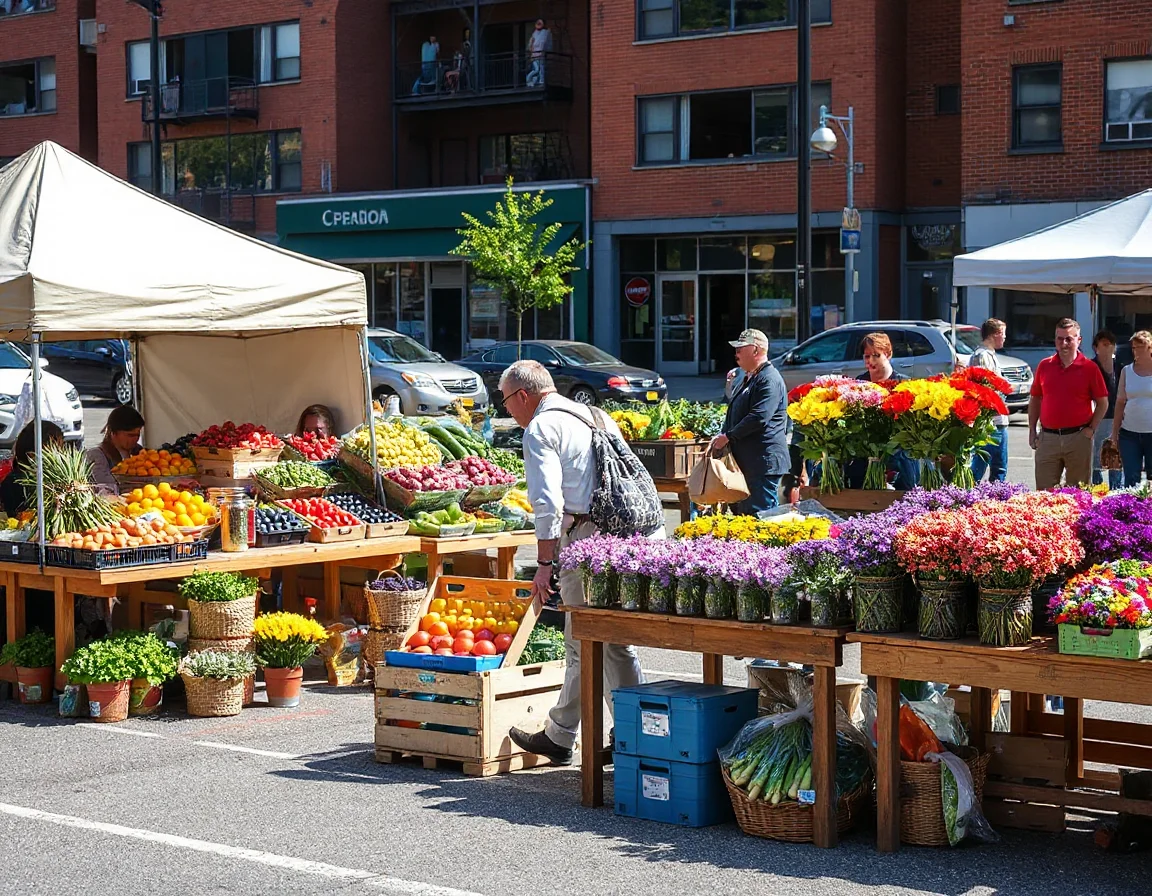
The Ballard Farmers Market is a long-running Sunday tradition that brings regional produce, prepared foods, flowers, and crafts to the neighborhood. Beyond the purchases themselves, it gives the area a regular public rhythm and an easy reason to spend time outdoors. For residents, it can become part of a weekly routine; for visitors, it provides a useful glimpse of Ballard’s local character.
Dining is another major part of the neighborhood’s appeal. Options range from casual bakeries and coffee counters to seafood-focused menus, global flavors, breweries, and destination meals. Rather than relying on a single entertainment district, Ballard’s food and beverage options are woven through several nearby corridors, including Market Street, Ballard Avenue, and the streets around the brewery district.
Everyday convenience also extends beyond dining. Grocery options, fitness studios, pharmacies, banks, professional services, and neighborhood retail are available within Ballard and the surrounding communities. This concentration can be particularly useful for people who prefer to combine errands with walking, cycling, or a stop at a nearby park.
Transit connections and major routes link Ballard with downtown Seattle, Fremont, Queen Anne, Interbay, and other employment and activity centers. Travel times vary considerably by time of day and mode of travel, so it is worth testing a prospective commute rather than relying on a map alone. Bus routes, biking connections, and access to major roadways can all influence which part of Ballard feels most practical for an individual schedule.
Homes, Blocks, and the Details That Shape a Search
Ballard’s housing stock reflects its long evolution from an independent city to one of Seattle’s most established neighborhoods. Buyers may find early twentieth-century craftsman homes, modest bungalows, townhomes, contemporary single-family construction, condominium buildings, and apartments throughout the area. The choices vary by micro-location, lot size, condition, parking arrangement, and proximity to active commercial streets or shoreline amenities.
Some blocks feature mature trees, front porches, and older homes with original details. Other sections have seen substantial redevelopment, introducing newer townhomes and multifamily buildings. Neither approach is inherently better; the practical question is how the layout, maintenance profile, outdoor space, storage, parking, and access to preferred routes align with a buyer’s priorities.
When touring homes, pay attention to the features that are difficult to change after closing. These may include lot orientation, noise exposure, stairs, natural light, room dimensions, utility systems, and how the home connects to streets, transit, parks, or daily services. In a neighborhood with varied housing types, comparing properties by price alone can miss important differences in long-term usability and operating costs.
Condominium and townhome buyers should also review homeowner association documents, reserve information, monthly dues, rental rules, and upcoming maintenance plans where applicable. Detached-home buyers may want to understand drainage, sewer line condition, roof age, electrical updates, and the likely scope of any renovation work. A careful review helps transform an appealing showing into a better-informed decision.
In Ballard, a few blocks can change the experience of a property substantially. Visit at different times of day to observe traffic, light, parking patterns, and the nearby activity level before narrowing your options.
Recreation Beyond the Shoreline
Ballard’s outdoor options extend well beyond the beach. The Burke-Gilman Trail offers a popular route for walking and cycling, connecting the neighborhood to Fremont, the University District, and destinations farther east. Nearby parks, playfields, gardens, and water-access points create additional choices for exercise, fresh air, and time outside.
The neighborhood’s proximity to the water also supports boating, paddling, fishing, and marina activity, subject to seasonal conditions and local access rules. Even for those who do not participate directly, the presence of working boats and waterfront paths gives the neighborhood a dynamic backdrop. It is common to see a different side of Ballard depending on the route: quiet residential streets, lively commercial blocks, or saltwater views can all be minutes apart.
Seattle’s changing seasons are part of the appeal. Summer brings long evenings and a fuller calendar of outdoor activity, while autumn and winter invite a different appreciation for cozy dining rooms, neighborhood events, and stormy-water views. Spring offers fresh greenery and renewed activity at parks and along the trails.
Making a Thoughtful Move in Ballard
A successful Ballard home search begins with clarity about how you want to use the neighborhood. Consider which amenities matter most: beach access, trail connections, a shorter commute route, nearby dining, a quieter residential block, a particular home style, or room for future changes. Ranking those priorities early can help make tradeoffs easier when inventory is limited or several properties are competing for attention.
It is also useful to look at the neighborhood in layers. Explore Market Street during a busy weekend and a weekday morning. Walk near the Locks, visit Golden Gardens near sunset, and take a practical errand route from homes that interest you. These visits reveal the ordinary details that listing photos cannot always show.
With its waterfront setting, longstanding local businesses, varied homes, and access to Seattle’s wider network of destinations, Ballard remains a place where everyday routines can feel connected to the city’s natural landscape. A focused search, careful property review, and time spent on the ground can help you identify the Ballard location and home features that best support your next move.
