

Bellevue housing decisions are easier when inventory, pricing, competition, and timing are viewed together rather than as isolated headlines. Whether you are preparing to buy, sell, invest, or compare a move across the Eastside, a current-market plan can help you focus on the options that fit your budget, property goals, and preferred timeline.
How to Read Bellevue Inventory Beyond the Headline
Inventory is often the first number people notice in a real estate update, but it tells only part of the story. In Bellevue, the most useful question is not simply how many homes are available. It is how many properties match the features, price range, location, condition, and ownership structure that matter to your search. A rise in active listings can create more choice, yet competition may remain focused on well-presented homes in especially sought-after segments.
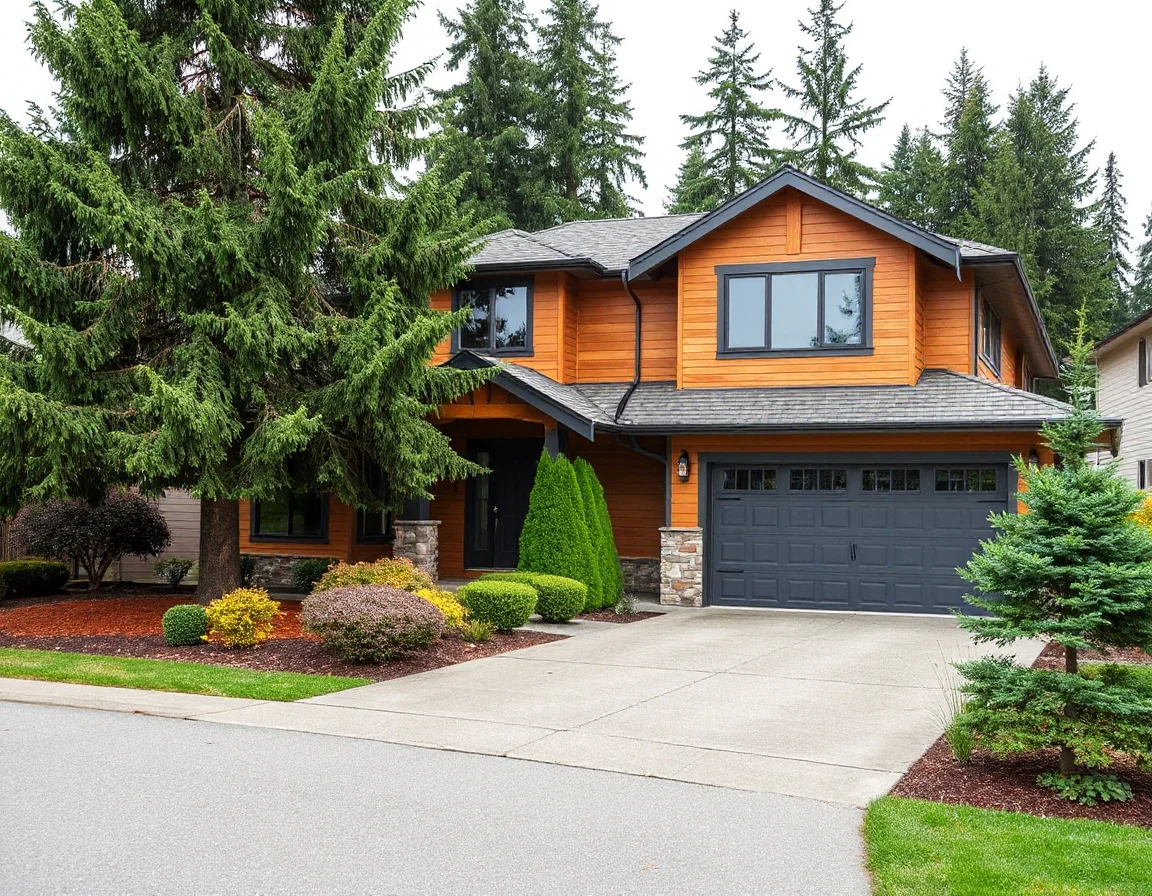
Look at inventory through several lenses: new listings entering the market, total active listings, pending sales, and the number of days a property remains available. New listings show what fresh options may be coming, while pending sales indicate where buyers are actively reaching agreement. Days on market can be helpful as context, especially when compared with condition, pricing, and the property’s specific location rather than treated as a stand-alone verdict.
Property type matters as well. A condominium, townhome, new-construction residence, and detached home can move through different supply-and-demand cycles even when they share a Bellevue mailing address. Condo buyers may be weighing monthly dues, reserves, rental policies, and building maintenance alongside purchase price. Detached-home buyers may be comparing lot size, renovation level, transit access, and outdoor spaces. Segmenting the data helps turn a broad market report into a practical shortlist.
The listing count that matters most is the number of homes that genuinely meet your criteria, not the citywide total. A focused search can reveal where selection is improving and where prepared buyers may still need to move decisively.
For sellers, inventory is equally important because it shapes positioning. When similar homes are limited, presentation and accurate pricing can help a listing stand apart quickly. When choices are more plentiful, preparation becomes even more visible: deferred maintenance, unclear disclosures, weak photography, or a pricing strategy that misses the current market can give buyers a reason to continue searching. The goal is not to chase a headline number; it is to understand the alternatives a buyer will see during the first week your home is available.
Price Trends Are Local, Property-Specific, and Time-Sensitive
Median price and average price can provide a useful starting point, but neither should substitute for a property-level analysis. A median can shift when the mix of sales changes: for example, a month with more high-value sales may produce a higher headline figure even if comparable homes in another segment are holding steady. In the same way, an average can be affected by a small number of unusually high or low transactions.

A more meaningful price review considers recent closed sales, current competing listings, and pending transactions when available. It also accounts for the details that can materially affect value: square footage, lot configuration, building age, renovation quality, parking, views, homeowner association obligations, and the condition visible at a showing. Two nearby homes can have very different market responses when one offers an updated interior or a more functional layout and the other requires near-term work.
Seasonality can influence the pace of the market, but it should not replace a current strategy. Listing activity often changes through the year, and buyer attention can vary around holidays, school calendars, weather, and interest-rate news. Those broad patterns are useful for planning, yet a property’s launch date should also reflect readiness. Sellers benefit from entering the market with repairs completed, disclosures organized, and a clear plan for showings. Buyers benefit from having financing conversations, documentation, and decision criteria in place before the right home appears.
Price reductions are another data point worth interpreting carefully. A reduction may signal that a listing is adjusting toward current buyer expectations, but it does not automatically mean a property is a bargain. Compare the revised price with recent sales, active competition, condition, and estimated ownership costs. In some cases, a well-priced home will still receive strong interest because it aligns with the evidence buyers can see.
Turning Market Data Into a Useful Buying Plan
For buyers, a Bellevue market update should become a set of actionable choices. Start by defining the non-negotiables: preferred property type, budget range, commute considerations, outdoor needs, layout preferences, and monthly carrying costs. Then identify the features that would be welcome but flexible. This distinction helps you act with confidence when inventory is limited without stretching for details that do not truly support your goals.
It is also helpful to separate the listing price from the full cost of ownership. Loan terms, property taxes, insurance, utilities, association dues, maintenance, and potential improvements all deserve a place in the conversation. For a condominium or townhome, review governing documents and financial materials as part of due diligence. For a detached home, inspections can help clarify the age and condition of major systems. A purchase decision is stronger when the budget accounts for both the initial transaction and the years that follow.
A thoughtful offer is more than a price. Financing strength, contingency timelines, closing preferences, and careful due diligence can all shape how an offer is received.
When several homes appeal to you, compare them on the same framework. Consider location, condition, likely near-term projects, monthly expenses, and resale factors, then revisit your priorities before writing an offer. This approach reduces the temptation to make a decision based solely on a single open-house impression or a dramatic weekly market headline. It also makes it easier to recognize value when a property aligns with your practical needs and financial plan.
A Seller’s Perspective on Competition and Preparation
Owners planning a Bellevue sale should begin with a candid comparison of their property against current alternatives. Buyers will notice the visible details quickly: exterior upkeep, lighting, storage, paint, flooring, landscaping, and the overall flow from room to room. Not every home needs a major renovation before listing. Targeted repairs, decluttering, professional presentation, and clear information about upgrades can often make a meaningful difference in how a property is perceived.

Pricing deserves the same discipline. The strongest list price is supported by recent comparable sales and informed by active competition, not simply by a hoped-for outcome. A property that launches at a well-supported price can attract attention while it is freshest to the market. A listing that begins too far from current evidence may accumulate days on market, which can change the conversation even if the home itself remains appealing.
Local market conditions can also affect negotiations after an offer arrives. Inspection findings, appraisal outcomes, financing requirements, and closing schedules may all matter. Preparing documents early and understanding the property’s condition can help owners respond more calmly when questions arise. That preparation is especially valuable in a market where buyers have more options and are comparing properties closely.
Whether your next move involves purchasing a residence, selling an existing property, evaluating an investment opportunity, or considering property management, current Bellevue data is most useful when it is matched to your exact situation. Focus on the homes that compete with yours or meet your search criteria, stay ready for changing conditions, and use each new listing or sale as one more piece of a larger, more informed picture.
