

Buying a first home in Shoreline is easier to navigate when the process is broken into clear decisions: financing, priorities, touring, offer strategy, inspections, and closing. This guide helps you prepare for each step so you can compare homes with confidence and move forward on a timeline that works for you.
Start With a Financial Picture That Feels Realistic
Before opening listing alerts or touring homes, take time to understand the numbers behind a purchase. A mortgage preapproval is a useful early step because it gives you an estimate of the loan amount a lender may be willing to offer after reviewing income, assets, debts, and credit history. It also helps define a comfortable price range, which can be different from the maximum amount shown on a preapproval letter.

Ask a lender to walk through more than the principal and interest payment. The full monthly picture can include property taxes, homeowners insurance, mortgage insurance when applicable, and homeowner association dues for a condominium or townhome. Setting aside funds for moving, initial repairs, utilities, and furnishing a new space can also make the transition more manageable.
It is helpful to organize documents early. Recent pay stubs, tax returns, bank statements, identification, and records for any large deposits are commonly requested during underwriting. Preparing these items before you write an offer can reduce last-minute scrambling when the transaction is moving quickly.
A preapproval is not just a price-range tool. It gives you a chance to compare loan programs, estimated cash to close, and monthly payment scenarios before a specific property enters the picture.
For first-time buyers, the down payment is often the most visible number, but it is not the only one that matters. Different loan products have different requirements, and eligibility may depend on the property, borrower profile, and lender guidelines. A lender can explain current options without assuming that one path is right for every buyer.
Define Priorities Before You Begin Touring
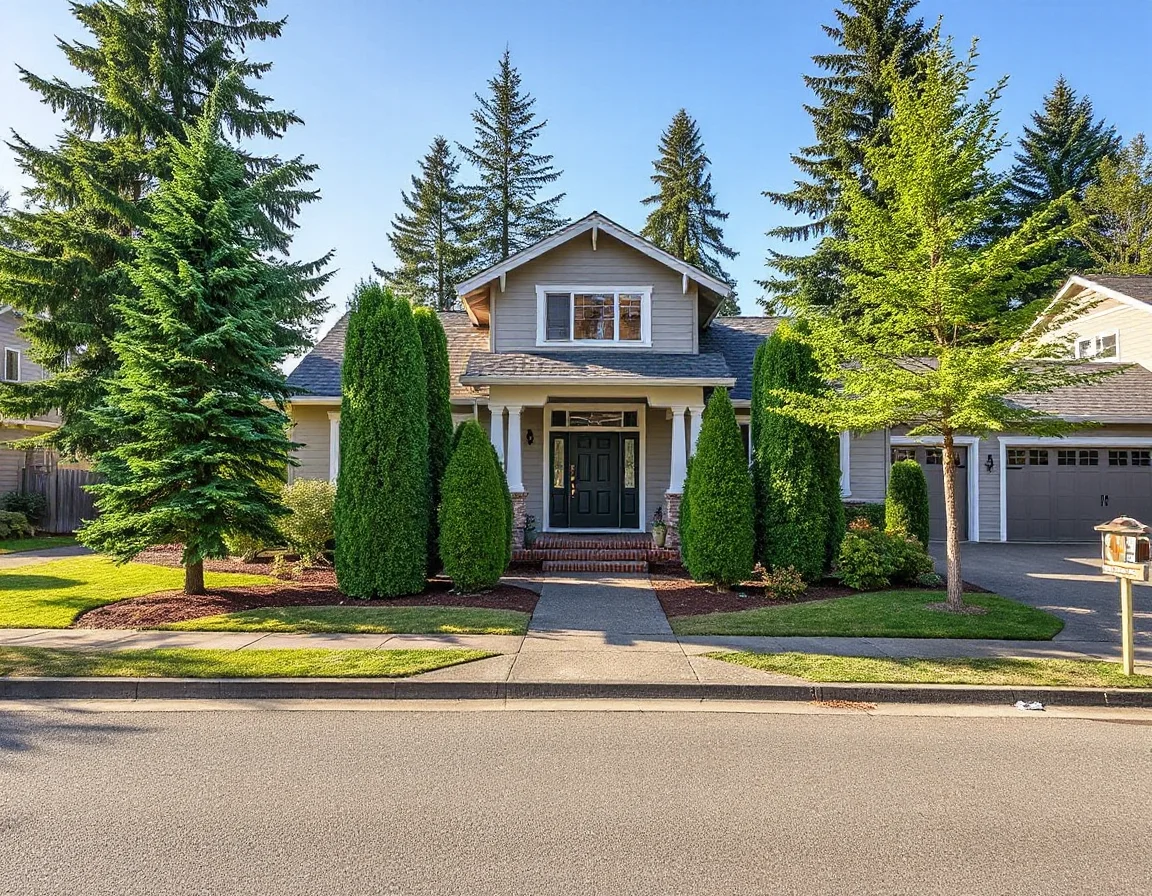
Shoreline offers a range of housing types, from detached homes on established residential streets to condominiums, townhomes, and newer construction. Creating a short list of priorities before you start touring can make each showing more productive. Think about layout, number of bedrooms and bathrooms, workspace needs, storage, parking, outdoor areas, maintenance expectations, and access to the places you visit regularly.
Separate your list into “must have,” “strong preference,” and “nice to have.” This distinction matters because nearly every home involves tradeoffs. A home with the right layout may need cosmetic updates; another may have a polished interior but less storage. Looking at each property through the same list helps prevent a striking paint color or staged furniture from outweighing practical details.
Location research can be equally valuable. Consider commute routes and transit options, nearby parks and recreation, grocery access, local services, public spaces, road conditions, and the distance to daily destinations. Visit at more than one time of day when possible. Morning traffic, afternoon light, and weekend activity can all provide useful context that a listing photo cannot show.
- Review the home’s approximate age and likely maintenance needs.
- Compare lot size, outdoor upkeep, and parking arrangements.
- Ask about homeowner association fees, rules, reserves, and pending assessments when applicable.
- Look beyond finishes to evaluate storage, natural light, room dimensions, and flow.
- Keep notes after each tour while details are still fresh.
Bring a practical mindset to every showing. Open closets, look at electrical panels and utility areas when accessible, check window placement, and notice whether rooms work with your actual furniture or routines. The goal is not to find a flawless home; it is to find a property whose strengths, condition, and cost align with your priorities.
Read the Property, the Paperwork, and the Market Together
Once a home stands out, the next step is to evaluate it in context. Your real estate professional can help review available listing information, recent comparable sales, seller disclosures, and the property’s market position. In a changing market, the number of days a property has been available, recent price adjustments, and competing interest can all shape an offer approach.
An offer is more than a purchase price. Depending on the situation, it may include earnest money, financing terms, inspection contingencies, appraisal considerations, a proposed closing date, and requests for seller-paid costs or personal property. Each part should support your goals while protecting your ability to conduct appropriate due diligence.
Inspection is one of the most important moments for a first-time buyer. A qualified inspector can identify visible conditions and maintenance concerns involving major systems, structure, roofing, plumbing, electrical components, ventilation, and more. The inspection report is not a prediction that every item will fail, nor is it a renovation checklist. Instead, it gives you a detailed snapshot of the home’s observable condition and helps you make informed decisions during the contingency period.
Older homes may have character and established landscaping, while newer homes can offer different materials, systems, and warranty considerations. Neither is automatically better. Ask questions about the age and service history of major components, permit history when available, drainage, insulation, and any recent repairs described in the seller disclosures.
The strongest offer is not necessarily the most aggressive one. It is the offer whose price, terms, and deadlines you understand well enough to carry through to closing.
If the property is part of a condominium or homeowner association, take time to read the resale certificate and governing documents. These materials may cover monthly dues, financial reserves, meeting notes, insurance, planned projects, and use restrictions. Reviewing them carefully helps you understand the ongoing ownership costs and responsibilities connected to the home.
Move From Accepted Offer to Closing With a Clear Checklist
After an offer is accepted, the transaction becomes a series of coordinated deadlines. Your lender will continue underwriting the loan, the title company will review ownership records, and you may complete inspections, obtain insurance quotes, and provide additional financial documentation. Staying responsive during this period is one of the simplest ways to keep the process on track.
Avoid major financial changes while your loan is being finalized unless you have discussed them with your lender first. Opening new credit accounts, changing jobs, making large unexplained deposits, or purchasing expensive items can affect underwriting review. Keep records organized, monitor requested deadlines, and ask questions whenever a document or cost estimate is unclear.
As closing approaches, you will receive a final disclosure outlining loan terms and closing costs. Review it alongside your earlier estimates and request clarification about any differences. You will also typically have a final walkthrough shortly before closing. This is the time to confirm that the home is in the expected condition, agreed-upon repairs have been addressed if applicable, and included items remain in place.
Closing day marks a milestone, but homeownership continues as an ongoing planning process. Save inspection reports, warranties, service receipts, and closing documents in a dedicated folder. Start with essential maintenance: learn where the water shutoff is located, replace HVAC filters as needed, keep gutters and drainage areas clear, and establish a seasonal maintenance calendar.
A Thoughtful Pace Can Make the Difference
Buying a first home in Shoreline involves a mix of financial decisions, property research, and personal preferences. The process can feel detailed, especially when you are reviewing new terms and documents, but every stage has a purpose: helping you understand the home, the costs, and the commitments before closing.
Begin with preparation, keep your priorities visible, and use qualified professionals for lending, inspections, title, and real estate guidance. With a clear plan and room for informed questions, you can move from preapproval to closing with a stronger understanding of what you are buying and why it fits your goals.
