
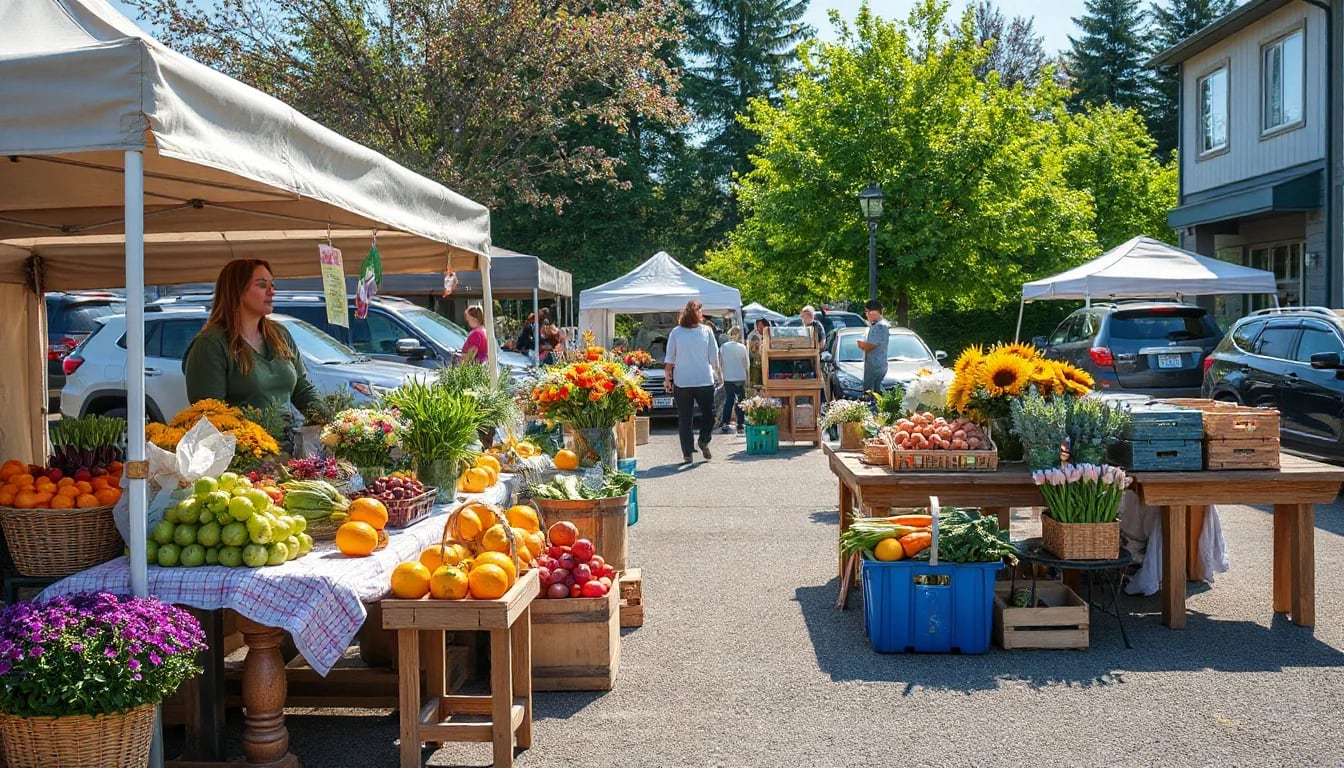
Shoreline’s calendar offers more than a reason to get out of the house—it is a practical way to get familiar with parks, gathering places, local services, and the rhythm of daily life. From outdoor performances and seasonal markets to volunteer projects and arts programming, community events can add useful context to a home search or a move.
A Community Calendar Worth Exploring
Events offer one of the best ways to experience Shoreline beyond a map pin or a listing photo. A weekend gathering can reveal how a park is used, where people tend to meet, how easy it is to get around on foot or by bike, and which local amenities are close at hand. Whether you have lived in the area for years or are just beginning to explore homes in North King County, the community calendar can turn an ordinary afternoon into a more informed look at the city.
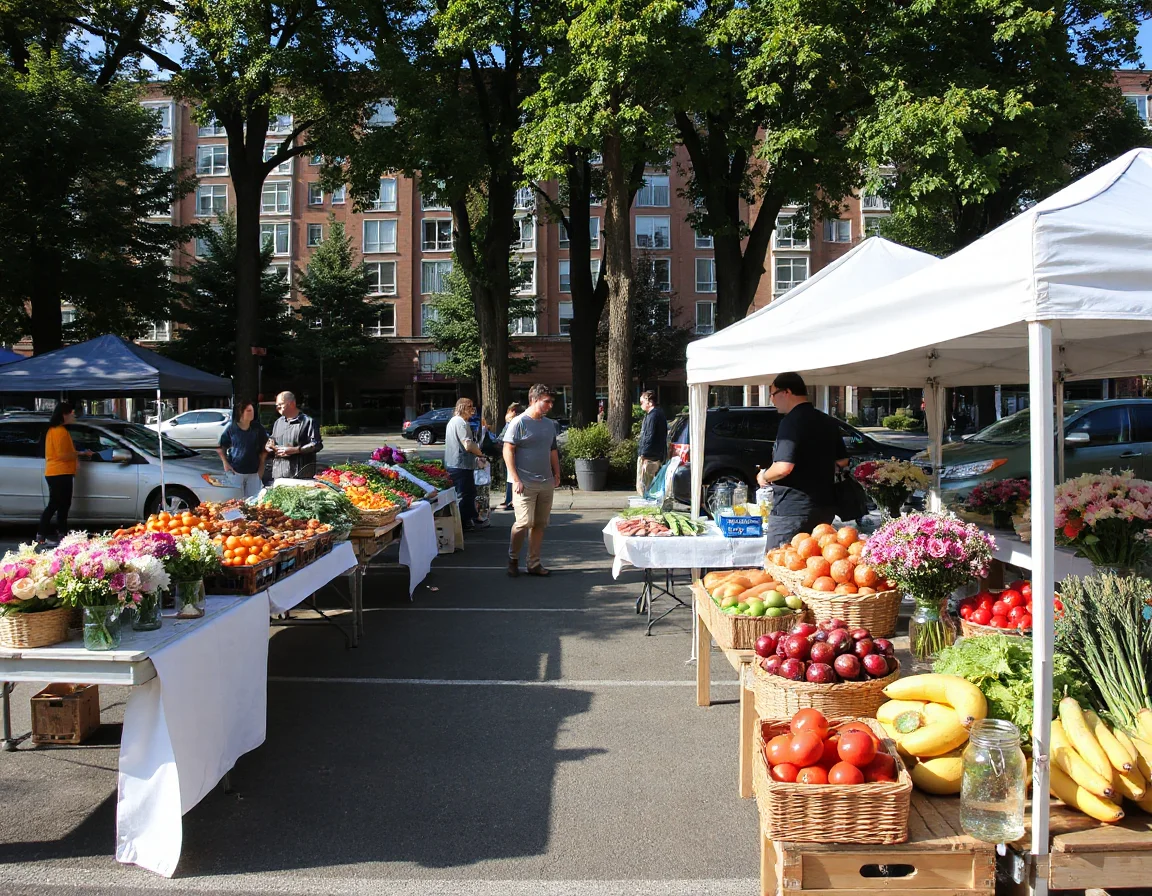
Seasonal markets are a natural starting point. They create a relaxed setting for sampling regional food, picking up flowers or produce, and learning about nearby growers and makers. They also make it easy to notice the small details that shape a routine: available parking, transit stops, shaded seating, pedestrian connections, and the mix of homes and public spaces surrounding the event. Rather than trying to absorb an entire neighborhood in one drive-through, an hour at a market provides a slower and more useful introduction.
Outdoor concert series, movie nights, and arts activities bring a different energy to public spaces. These events often make use of lawns, plazas, and community facilities that may otherwise be overlooked during a home tour. Bring a light layer for a Puget Sound evening, arrive a little early, and leave time to walk the blocks around the venue. A familiar route can feel entirely different when it is experienced at the pace of an event rather than from behind a windshield.
When comparing locations, visit an event at the same time of day you expect to use the area most often. Evening traffic, parking patterns, transit activity, and light levels can all look different from a midday showing.
Shoreline’s proximity to Seattle and the broader Puget Sound region also means that residents can build a calendar that stays close to home while still connecting easily to larger cultural, recreation, and waterfront destinations. Local events are especially helpful for seeing how those regional connections fit into everyday logistics—not as abstract commute estimates, but as real trips from a neighborhood street to a gathering place.
Parks, Trails, and Outdoor Gatherings
Public green spaces are often the backdrop for some of the most memorable community programming. Park cleanups, guided nature walks, recreation classes, outdoor fitness sessions, and seasonal celebrations invite people to experience Shoreline’s trees, open lawns, and trail connections in an active way. These gatherings are also a reminder that amenities are not limited to buildings; access to places for walking, sitting, playing, and spending time outside can be part of a property’s larger location story.
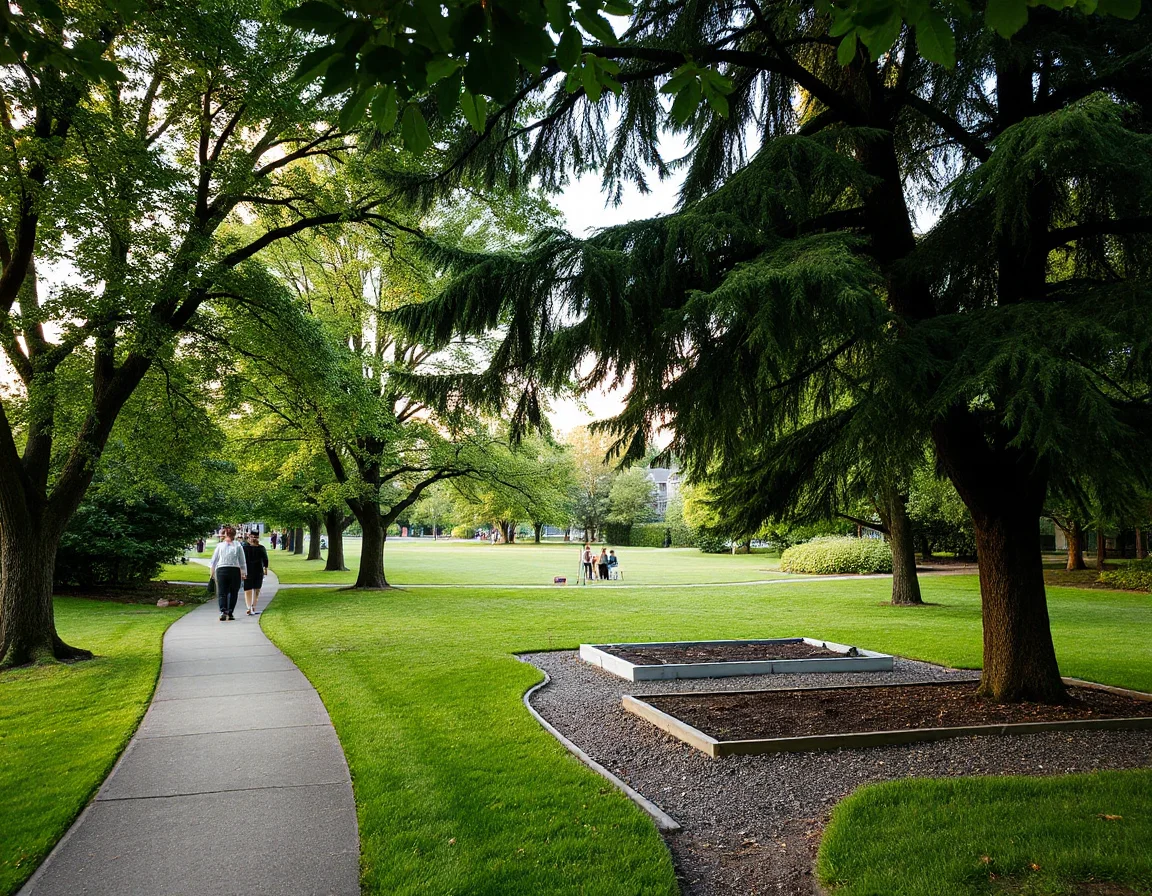
For home buyers, attending an event near a park can help answer practical questions that online research may not settle. Is there a straightforward path from nearby streets? Are there benches, restrooms, athletic facilities, or open areas that suit the activities you enjoy? Does the setting feel connected to other destinations, such as libraries, transit, or neighborhood services? These are personal priorities, and seeing a location in use helps clarify which ones matter most.
Volunteer days provide another way to connect with the landscape. Planting, trail maintenance, litter pickup, and habitat-focused projects can be rewarding opportunities to spend time outdoors while contributing to a shared space. Check the organizer’s current schedule, registration requirements, and weather guidance before heading out. Even if you do not participate, seeing an active stewardship project can offer insight into how public spaces are maintained and appreciated over time.
Recreation programming can change with the season, so it is worth reviewing calendars regularly rather than relying on last year’s dates. Spring and summer often bring outdoor programming, while cooler months may shift attention toward indoor classes, cultural activities, and holiday gatherings. That variety is useful for anyone evaluating a new area: it shows how local routines can continue throughout the year, rain or shine.
Making Room for Arts, Learning, and Local Connections
Not every worthwhile event happens outdoors. Library programs, public talks, workshops, exhibitions, performances, and community meetings can be excellent ways to learn more about local resources. These settings often provide accessible introductions to organizations, volunteer opportunities, and city services. They can also be an easy choice for a rainy weekend when a park visit is less appealing.
Look for programming that aligns with your own interests rather than trying to attend everything on the calendar. A gardening workshop may lead you to a new outdoor space; a local history presentation can add depth to a familiar street; a small-business event may be useful for someone researching commercial real estate or investment opportunities. The goal is not to adopt a particular routine, but to understand the options available within the community.
Events can be especially valuable during the early stages of a move. Listing photos and virtual tours are helpful, but they cannot show how an area feels when its public spaces are active. Visiting several events in different parts of Shoreline can help you compare travel times, observe the built environment, and identify amenities you may want close by. Keep notes on what stood out: an easy transit connection, an inviting trailhead, an active public plaza, or simply a route that felt convenient for your schedule.
A home search is stronger when it pairs property details with firsthand location research. Event days create a useful opportunity to explore nearby blocks before or after viewing a home.
Turn an Event Visit Into a Smarter Home Search
To make the most of a Shoreline event, plan a simple loop instead of treating the visit as a single stop. Start at the gathering, then walk or drive to a nearby park, transit connection, grocery option, or other amenity that matters to you. If you are evaluating a particular property, revisit the surrounding area at another time on a non-event day as well. That contrast can give you a more complete picture of parking, activity levels, and travel patterns.
For sellers, local events can also be a timely reminder to prepare a home’s location story with care. Clear information about nearby parks, transit, public facilities, and community resources can help prospective buyers understand the setting without making assumptions about who belongs there. A thoughtful marketing plan should focus on objective features, accurate distances, and the conveniences that make a location functional.
Shoreline’s events are ultimately an invitation to stay curious. Attend a market, take a walk after an outdoor performance, join a volunteer project, or check a workshop calendar before the weekend arrives. Each experience adds another layer to your understanding of the city—and that kind of firsthand knowledge is useful whether you are buying, selling, investing, or simply getting to know the place you call home.
