

A confident Bellevue home purchase begins with a clear plan, not a hurried list of listings. From defining the right property criteria to reviewing offers, inspections, financing, and closing documents, each step becomes more manageable when you know what comes next. This guide breaks down the process into practical decisions that can help you move forward with focus.
Start With a Search Strategy That Fits the Bellevue Market
Bellevue offers a broad mix of housing styles, from condominium residences near major employment and retail centers to townhomes, established neighborhoods, and newer construction in surrounding areas. That variety can make a home search feel exciting, but it can also make it easy to lose time comparing homes that do not truly match your priorities. Before touring, create a short list of non-negotiables: preferred property type, approximate square footage, bedroom and bathroom needs, parking, outdoor space, building amenities, commute considerations, and a comfortable monthly payment range.
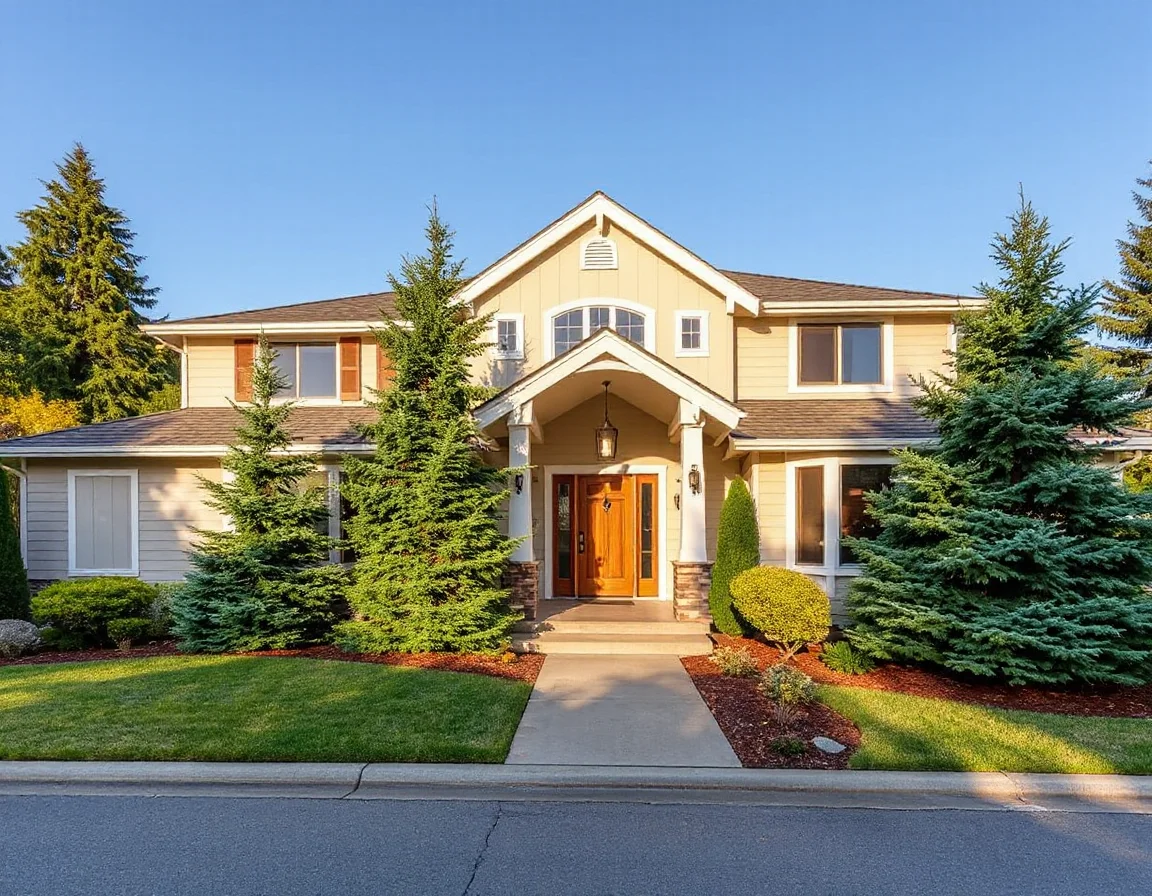
It also helps to separate needs from preferences. A flexible layout, a dedicated workspace, nearby transit access, or a lower-maintenance exterior may matter more in daily life than a dramatic feature seen during a brief showing. Think about how you use your current space and what you want to change. This gives every tour a useful purpose: gathering information rather than simply reacting to finishes or staging.
Location research should be equally specific. Compare practical details such as travel routes, public transportation options, access to parks and trails, nearby services, building rules, and future development plans where available. A property can look compelling online, but visiting at different times of day may reveal traffic patterns, sunlight conditions, street activity, or building access details that are difficult to judge from photos alone.
A focused search list makes it easier to recognize a strong match quickly when inventory changes. Keep your priorities visible during every showing so one appealing feature does not outweigh the full picture.
Financing preparation is another important early step. A pre-approval can clarify your working range and help you understand how interest rates, down payment choices, property taxes, insurance, and condominium dues may affect the monthly cost. In competitive situations, sellers often look for offers that are organized, clearly documented, and realistic about timelines. Being prepared does not mean rushing; it means having the information needed to make a timely decision when the right opportunity appears.
Tour Homes With an Eye on Function, Condition, and Context
Once showings begin, look beyond the listing highlights. Natural light, storage, room dimensions, traffic flow, heating and cooling systems, window condition, drainage, roofing, and signs of deferred maintenance all contribute to a property’s long-term usefulness and cost. Bring a notes app or simple checklist to each visit. After several tours, details can blend together, especially when homes have similar layouts or recent cosmetic updates.
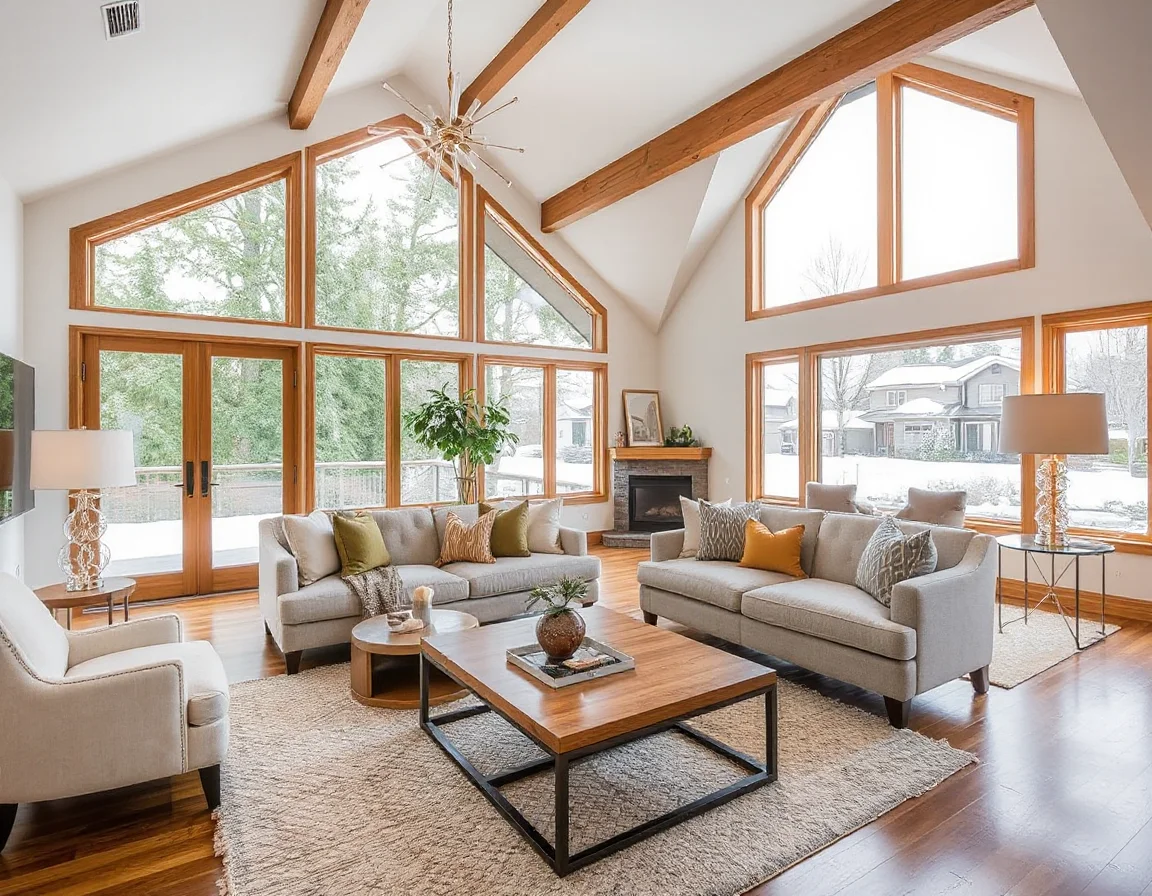
For a condominium or townhome, review the homeowner association materials closely. Monthly dues, reserve funding, planned projects, rental policies, pet policies, parking assignments, insurance coverage, and special assessments can all influence ownership costs and flexibility. These documents provide valuable context about how a building is operated and maintained. A well-presented unit is only one part of the decision; the association’s financial and operational picture matters too.
For detached homes, pay close attention to site conditions. Bellevue’s seasonal rain makes drainage, grading, gutters, and exterior maintenance especially important topics to understand. Ask about the age and condition of major systems, recent repairs, permits for significant work, and any available seller disclosures. A knowledgeable inspection can help identify items that may need repair, monitoring, or further evaluation by a specialist.
It is also useful to consider the property’s future flexibility. Could a den serve as an office, hobby room, or guest space? Does the layout support how you want to live over the next several years? Is there enough storage for equipment, seasonal items, or everyday belongings? These questions are not about predicting every life change; they are about choosing a home with room for practical possibilities.
Write an Offer With Clear Terms and Realistic Expectations
When you are ready to make an offer, price is important, but it is not the only term a seller may consider. Closing date, earnest money, financing details, inspection provisions, appraisal considerations, included items, and contingency timing can all shape how an offer is received. The best strategy depends on the specific property, current demand, available comparable sales, and your own financial comfort level.
A comparative market review can place the asking price in context by looking at recently sold homes with similar location, condition, size, age, and features. No two homes are identical, so the goal is not to find a perfect match. Instead, it is to understand the range of evidence behind the price and identify attributes that may add or reduce value. Renovation quality, lot usability, views, parking, building amenities, and proximity to transportation can all affect the comparison.
A strong offer protects your interests while presenting clean, understandable terms. The right balance is not always the highest number; it is an offer you can support through inspection, appraisal, financing, and closing.
Try to avoid making decisions solely from pressure or headlines about the market. Every listing has its own context. Some homes receive immediate attention, while others may offer more time for review and negotiation. A measured approach gives you space to evaluate documents, compare alternatives, and make decisions that align with your budget and priorities rather than the pace of someone else’s search.
Move From Contract to Closing With Fewer Surprises
After an offer is accepted, the transaction shifts from selection to verification. During this period, your lender, inspector, escrow team, and real estate professionals each help move different pieces forward. Inspection scheduling, repair discussions, appraisal, title review, loan underwriting, insurance arrangements, and final document preparation often happen within a relatively short window. Staying responsive to requests can help keep the process on track.
Inspection results should be read carefully and in perspective. Nearly every property, including newer homes, may have maintenance items or recommended improvements. Focus first on health and safety issues, major systems, material defects, and repairs that could meaningfully affect the property’s value or future costs. Smaller maintenance tasks can still be useful to note, but they are often part of normal ownership planning rather than a reason to lose sight of the home’s overall suitability.
Before closing, review your final loan figures, closing disclosures, title information, and any agreed-upon repair documentation. A final walk-through is typically an opportunity to confirm the property’s condition and verify that included items remain in place. Keep records organized, ask questions early, and make sure you understand the timeline for keys, utilities, and post-closing responsibilities.
Buying in Bellevue is a meaningful financial decision, but it does not need to feel mysterious. With a well-defined search, careful property review, thoughtful offer terms, and steady communication through closing, you can approach the process with more clarity. The goal is not simply to complete a transaction—it is to make a well-informed decision about a property that works for your plans, your budget, and your everyday needs.
