
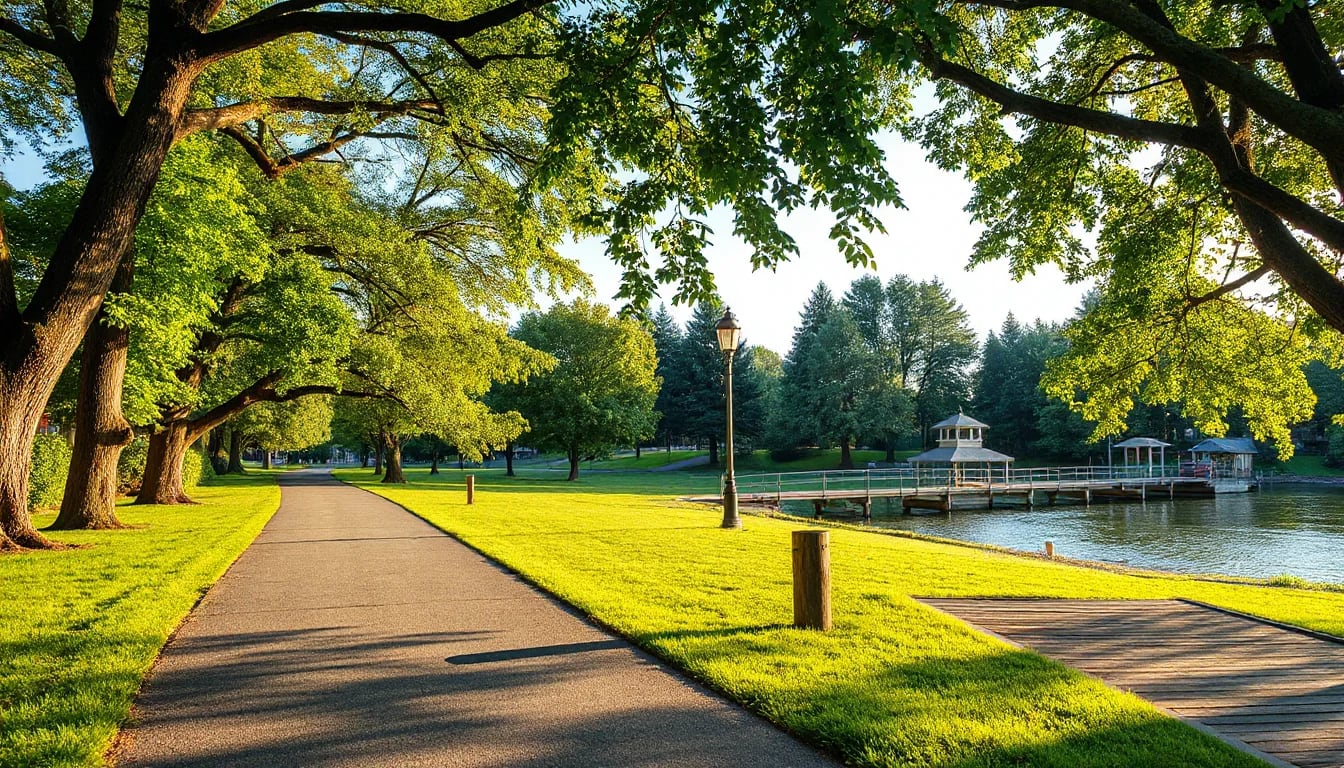
Shoreline offers an easy-to-explore mix of wooded parks, shoreline views, locally owned dining, and two Link light rail stations connecting the city with Seattle and the broader region. Whether you are comparing neighborhoods or planning a weekend outing, this guide highlights practical places to begin and details worth noticing along the way.
A Green Network for Everyday Outdoor Time
One of Shoreline’s defining strengths is how often green space appears in the rhythm of a normal day. Mature trees, pocket parks, athletic fields, wooded trails, and waterfront access create plenty of options for a walk, a picnic, a game, or simply a change of scenery. The city’s park system includes destinations with very different personalities, so a visit can feel quiet and restorative one day and active the next.
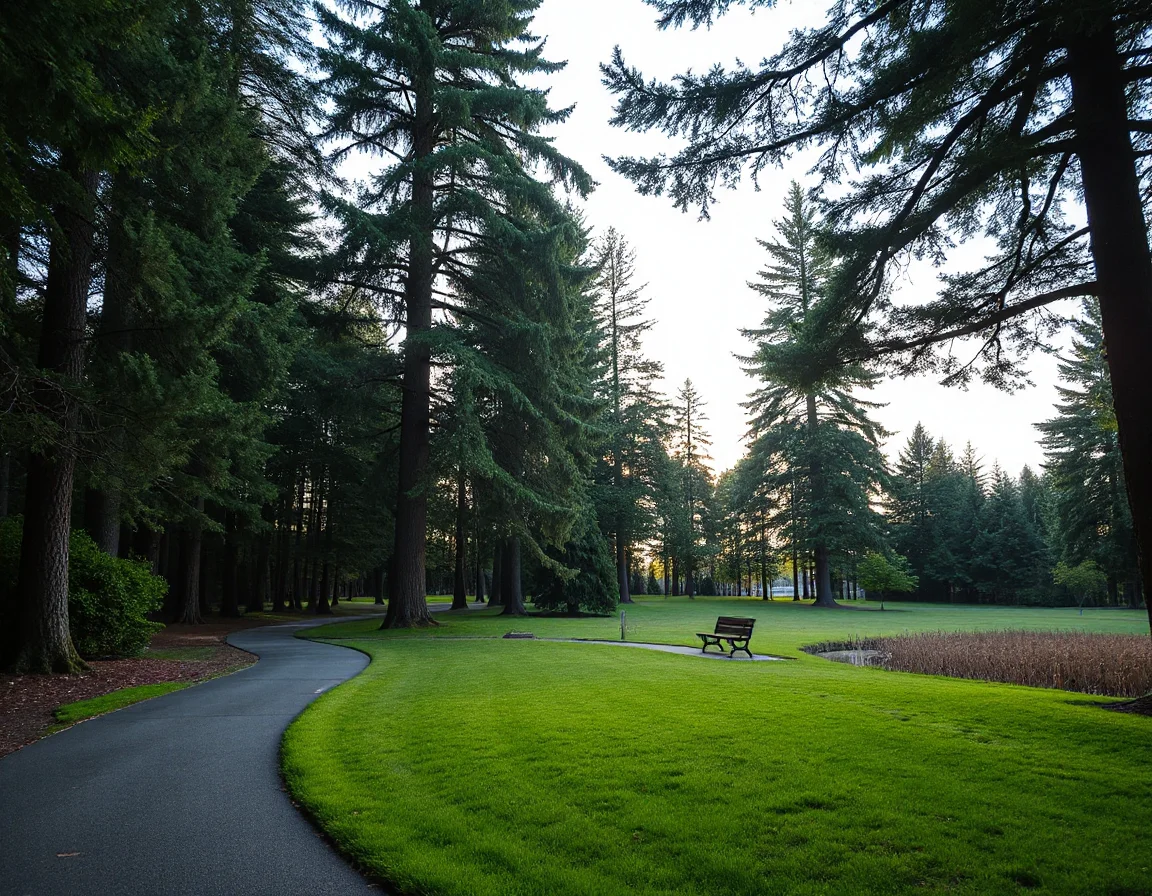
Hamlin Park is a useful starting point for anyone looking for a forested setting within city limits. Its network of paths moves through dense greenery and makes the park feel tucked away despite its convenient location. Nearby, Paramount School Park offers open space and recreational facilities, while Boeing Creek Park provides another opportunity to explore a more natural landscape. Conditions can change with the season, so comfortable shoes and a quick check of park notices are smart before setting out.
For a broader Puget Sound experience, Richmond Beach Saltwater Park is a standout stop. The descent toward the water opens to beach access, driftwood, distant mountain views on clear days, and the steady movement of ferries and boats across the Sound. It is an especially compelling place to take in the region’s maritime character without leaving Shoreline. Bring a layer even in warmer months; waterfront breezes can make the air feel cooler than inland temperatures suggest.
Shoreline’s parks range from forested trail settings to Puget Sound shoreline access, making it easy to combine a neighborhood tour with time outdoors.
These public spaces also add useful context when evaluating a home’s location. Rather than relying on a map alone, try visiting at different times of day, noticing walking routes, street connections, available parking, and how long it takes to reach the places that matter most to you. A park that looks close on a screen may feel very different depending on hills, crossings, or the route from a particular property.
Dining Stops and Local Gathering Places
Shoreline’s dining scene is spread across several commercial corridors, giving residents and visitors options for a quick coffee, a casual meal, international cuisine, bakeries, and takeout after a busy day. Aurora Avenue North remains one of the city’s most visible routes, while smaller clusters along Ballinger Way, Richmond Beach Road, and neighborhood centers add variety. The appeal is not one single entertainment district; it is the convenience of finding useful, independent destinations throughout the city.
Exploring locally is often the best way to understand the texture of an area. A morning pastry, a stop for groceries, or an evening meal can reveal how a corridor functions beyond listing photos and commute estimates. Look for practical details such as sidewalks, bike connections, transit access, outdoor seating where available, and nearby services. Those small observations can help turn a general impression into a more informed location comparison.

For people researching homes, dining and daily errands are worth treating as part of the larger property picture. A home’s interior may be the first draw, but the route to a favorite meal, library visit, park, or everyday service can shape how the location feels over time. Shoreline’s mix of established residential streets and active corridors makes it possible to compare a range of settings within a relatively compact area.
Local businesses and public spaces also change over time, as do hours, construction patterns, and transportation routes. When touring, leave room in the schedule for an unplanned walk or a brief drive beyond the immediate block. That extra half hour can provide a clearer sense of nearby amenities and the character of the surrounding streets.
Link Light Rail Brings a New Transit Connection
Light rail has become a major point of interest for Shoreline real estate conversations. The Shoreline South/148th Street Station and Shoreline North/185th Street Station provide Link connections between Shoreline, Northgate, central Seattle, and other destinations along the expanding regional system. For riders, the value is straightforward: a scheduled rail option that can reduce reliance on driving for many trips.
The two stations serve different parts of the city, and proximity alone does not tell the complete story. It is worth walking or driving the approach from any home you are considering. Observe the route, grade changes, crossings, lighting, available bus connections, bicycle infrastructure, and whether the station feels practical for your personal routine. Sound Transit schedules and service updates are also useful references when planning a commute or an outing.
Transit access can influence how buyers evaluate location, but it is only one part of the decision. Some people prioritize a short walk to rail, while others may place more value on driveway space, a particular floor plan, nearby parks, or access to major roadways. A clear list of priorities makes it easier to compare properties without getting distracted by a single feature.
How to Plan a Productive Shoreline Visit
A simple itinerary can bring these pieces together. Start with a walk at Hamlin Park or Richmond Beach Saltwater Park, then travel through one or two residential areas you are considering. Stop near a Link station to test the route and take note of the nearby street pattern. Finish with a meal or coffee along one of Shoreline’s commercial corridors, allowing time to see how the area feels later in the day.
Shoreline is best understood through these connected experiences: evergreens and shoreline air, familiar daily destinations, and transit that reaches beyond city limits. If you are weighing a move, exploring the city in person can help you identify which combination of park access, dining convenience, home style, and transportation options fits your goals. A knowledgeable real estate professional can then help translate those priorities into a focused property search.