

Pricing a Ballard home well is less about picking the highest number and more about creating a persuasive, well-supported position in today’s market. A strategic list price considers recent comparable sales, competing listings, condition, timing, and the features buyers can see the moment they arrive. The goal is to attract serious attention early while protecting your negotiating position from the first showing through closing.
Start With the Market Your Home Is Actually Entering
Ballard has a distinct identity within Seattle, with a mix of classic craftsman homes, newer townhomes, condominiums, duplexes, and properties near commercial corridors, parks, and waterfront access. That variety makes broad citywide averages useful only as background information. A seller pricing a home near Sunset Hill, Loyal Heights, central Ballard, or the Ballard Locks should look closely at homes that compete for the same buyer attention—not simply every sale with a similar bedroom count.
Recent closed sales establish the evidence. The most relevant comparable properties are usually those that sold recently, are close in location, have a similar property type, and offer a comparable level of usable space, condition, and updates. A renovated three-bedroom home with an efficient floor plan may compete differently than a larger home with deferred maintenance. Likewise, a condo’s pricing logic can be affected by monthly dues, parking, storage, building amenities, and pending assessments.
Current active listings matter just as much because they represent the alternatives a buyer can tour now. If a similarly sized property has been available for several weeks, its price and presentation offer useful information. It may signal that the market is rejecting the number, the condition, the marketing, or some combination of all three. Pending listings can also offer clues, though the final sale price will not be known until closing.
The first one to two weeks on market often generate the clearest feedback. A well-priced home should earn meaningful showing activity and questions that point toward a realistic offer range.
Rather than treating a comparative market analysis as an automatic formula, use it as a decision tool. Adjustments should reflect what buyers can plainly compare: a remodeled kitchen, a finished lower level, a functional outdoor area, off-street parking, views, natural light, or a flexible home-office space. Features that are expensive to create do not always return dollar-for-dollar value, but they can still influence how a home competes and how quickly it receives attention.
Turn Features, Condition, and Presentation Into a Pricing Strategy
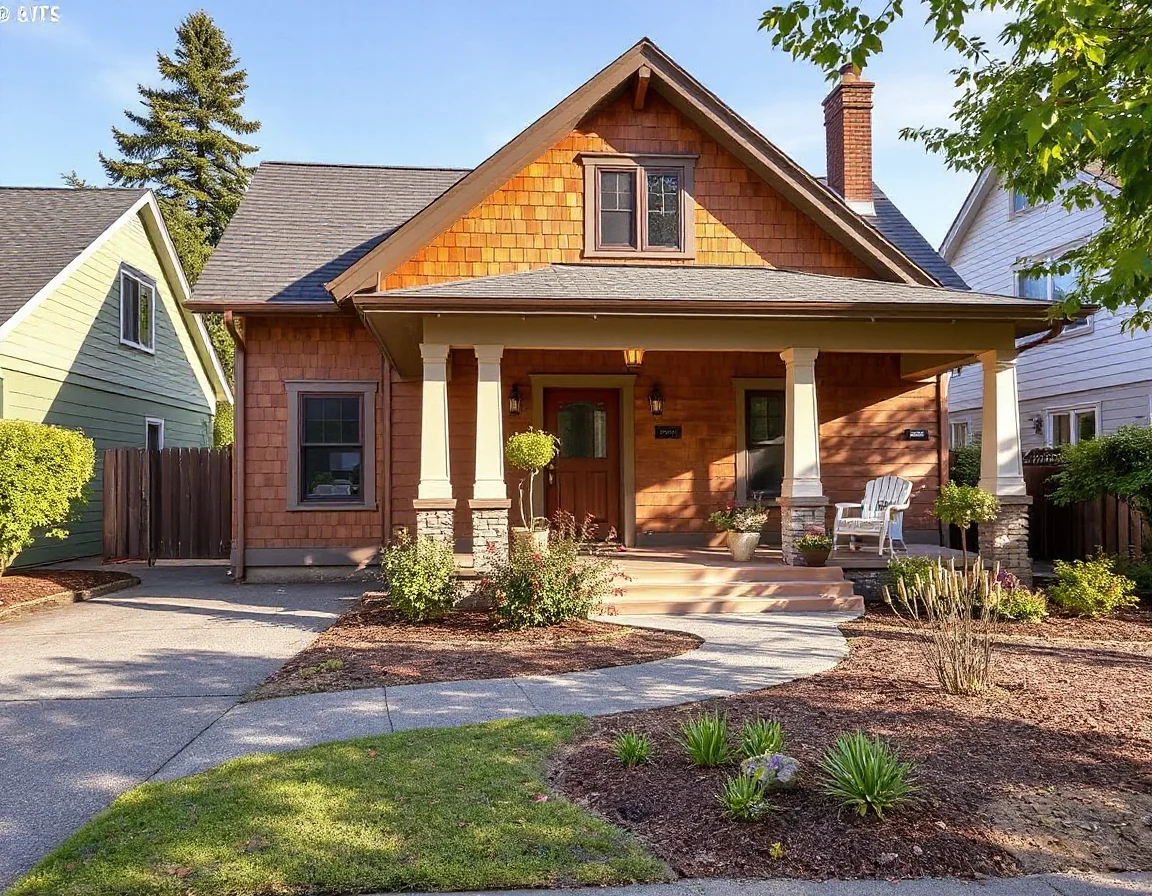
Pricing works best when it is connected to the experience of touring the property. Before setting the list price, walk through the home with a critical eye. Address visible maintenance items, simplify crowded rooms, improve lighting, and make sure the exterior creates a strong first impression. Buyers often form an initial opinion before they reach the front door, so clean pathways, trimmed landscaping, fresh mulch, and an orderly porch can support the value message established online.
A seller does not need to undertake every possible renovation before listing. Instead, focus on work that reduces uncertainty. Small repairs—such as securing loose hardware, repairing damaged trim, refreshing worn caulk, or servicing major systems—can help a home feel cared for. For larger projects, compare the likely cost, disruption, and market benefit before moving forward. In some cases, pricing with the project in mind is more practical than completing it.

Presentation also shapes the pricing conversation because listing photos, floor plans, and written details determine whether buyers schedule a tour. Professional photography should show the home honestly while highlighting its strongest spaces. Accurate room measurements, clear disclosures, and a thoughtful description help buyers understand the opportunity before they visit. If a home includes a remodeled bath, a permitted addition, a detached workspace, or a low-maintenance yard, those details should be easy to find.
Ballard’s appeal is often connected to its established residential streets, local gathering places, proximity to the Ship Canal, access to parks, and convenient connections to other parts of Seattle. Those location benefits should be described factually and paired with property-specific details. A strong listing helps buyers evaluate commute routes, nearby amenities, outdoor recreation, and home features without overpromising or relying on vague language.
Explore the Home Sellers Guide
It is also important to decide whether a pricing threshold matters for your home. Many buyers search in defined price bands, so listing at $999,000 rather than $1,015,000 may place a property in a different group of search results. The right decision depends on the comparable evidence and the property’s competitive position. A thoughtful threshold can increase visibility, but it should never replace a sound valuation strategy.
Avoid the Cost of Chasing the Market
Overpricing can be tempting, especially when a seller remembers a particularly strong past sale or has invested significantly in the property. Yet a price that sits above the market without clear support may limit early showings and reduce the urgency that often creates competitive interest. As days on market accumulate, buyers may begin to wonder why the home remains available, even if the property itself is appealing.
Price reductions can restore visibility, but they are not always as effective as entering at a well-supported number. The strongest launch is usually coordinated: the home is prepared, photography is complete, disclosures are available, pricing is justified, and the listing reaches the market when buyers can fully evaluate it. This approach gives the property its best chance to be considered alongside the newest inventory rather than compared to listings that have lingered.
At the same time, pricing does not mean guaranteeing an outcome. Buyer financing, inspection findings, competing inventory, weather, interest-rate changes, and timing can all influence a sale. A practical strategy includes a plan for reviewing feedback after the launch. Look beyond simple comments such as “too expensive” and ask what the market is communicating: Are buyers touring but not offering? Are they responding to the layout but mentioning condition? Are comparable homes receiving more activity?
- Review closed, pending, and active comparable properties before launch.
- Identify the home’s clearest strengths and any condition items that need context.
- Set a pricing range that matches the property’s competitive position.
- Prepare high-quality visuals, disclosures, and property details before going live.
- Evaluate showing feedback promptly and adjust only when evidence supports it.
A Clear Number Supports a Stronger Sale
The best list price is one that makes sense to a well-informed buyer the moment they compare your home with available alternatives. It reflects location, property type, condition, presentation, and current competition while leaving room for the market to respond. In Ballard, where homes can differ substantially from one block to the next, careful local analysis is especially valuable.
Northwest Premier Brokers can help sellers organize the comparable evidence, prepare a home for market, and build a launch plan that matches their goals. With the right preparation and a price grounded in current conditions, sellers can move forward with greater clarity and a more confident negotiating position.