

A successful first purchase in Redmond starts before you find the right front door. Understanding offer deadlines, inspection choices, and the cash needed at closing can help you move decisively without losing sight of your budget.
Start With a Plan, Not Just a Price Range
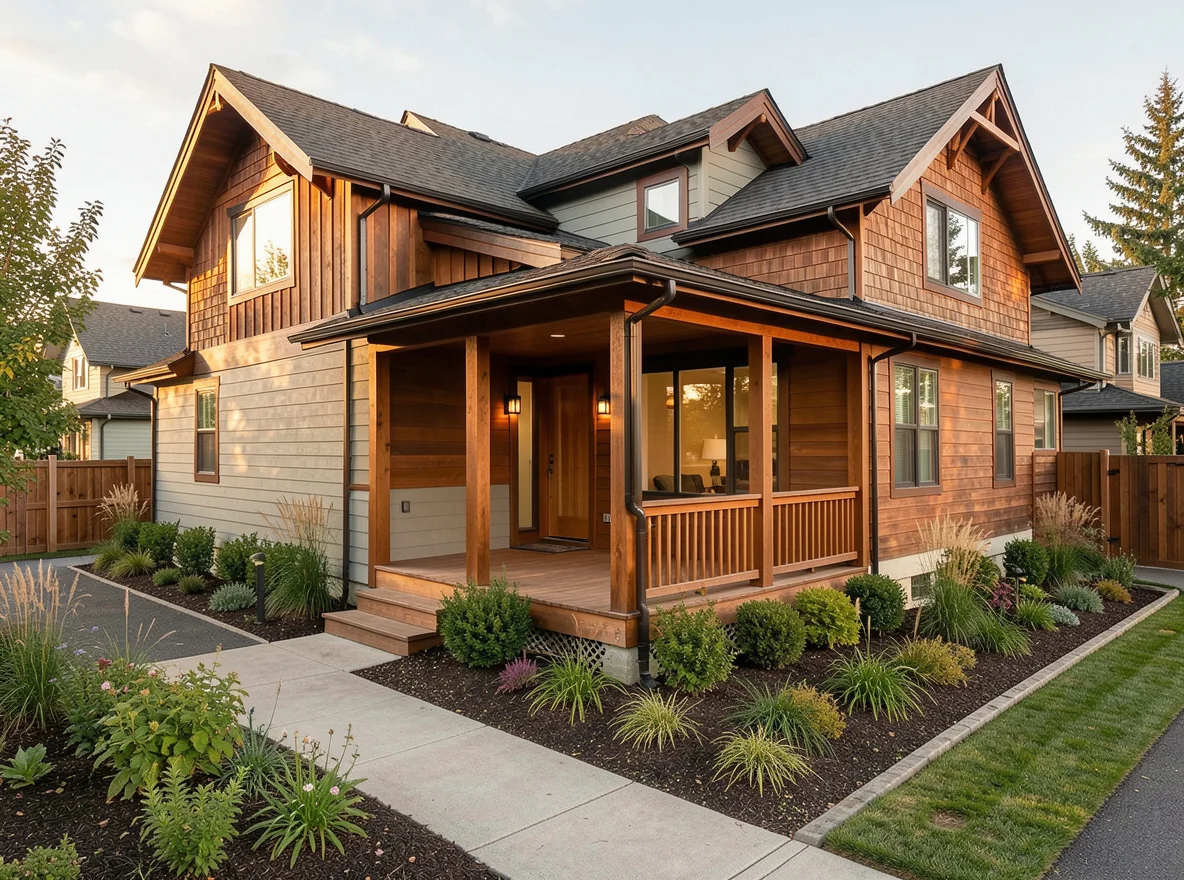
In Redmond, a home search might take you from a condominium near the city center to a townhome along a trail or a detached house on a tree-lined street. Each option brings a different mix of costs, maintenance responsibilities, and access to the places you visit most. Before scheduling tours, decide which features matter most and which trade-offs you are willing to make.
Begin by speaking with a lender about preapproval, not just an online affordability estimate. The lender can review your income, assets, debts, and credit profile and discuss loan programs, down payment options, and an estimated monthly payment. Ask what documents will be needed to update your preapproval if your search takes longer than expected or your financial situation changes.
Then look beyond the loan payment. Property taxes, homeowners insurance, mortgage insurance when applicable, utilities, maintenance, and homeowners association dues can all affect what a home costs each month. A comfortable purchase price is one that leaves room for these expenses and for the cash you want to retain after moving.
It also helps to learn how buyer representation works before touring. In Washington, real estate brokers generally must enter into a written services agreement with a buyer before, or as soon as reasonably practical after, they begin providing brokerage services. Review its duration, scope, and compensation terms, and ask questions before signing. Broker compensation is negotiable.
Understand the Offer Timeline
Once you find a home, your broker can help you review comparable sales, the property’s condition, and the seller’s instructions before you choose a price and terms. Some sellers consider offers as they arrive; others establish a review date. Neither approach guarantees how quickly a decision will be made, so confirm the current process for each listing rather than assuming every property follows the same schedule.
An offer typically addresses more than price. It can specify earnest money, financing terms, inspection provisions, a proposed closing date, and when the seller must respond. Your broker can explain how these pieces fit together and how the seller’s priorities may influence negotiations. A clean, understandable offer can be useful, but the right terms should also reflect the risks you are prepared to accept.
After acceptance, the signed agreement becomes the roadmap. Deadlines may depend on the contract language and the date of mutual acceptance, so ask your broker to put every important date on a calendar. Keep your lender, inspector, and any other professionals informed promptly; a missed deadline can affect your options or your earnest money.
The offer price is only one part of the decision. Inspection, financing, and closing deadlines determine how much time you have to investigate the home and complete your loan.
What happens to earnest money?
Earnest money is a deposit that demonstrates your commitment under the agreement. It is generally held by a neutral party and credited toward your purchase at closing. If the transaction does not close, whether the deposit is returned depends on the contract, the circumstances, and whether applicable deadlines and notice requirements were met. Review those provisions with your broker before submitting an offer.
Make an Inspection Strategy Before You Offer
A home inspection helps you learn about the property’s visible condition and plan for future repairs. In a competitive situation, you may need to decide how much time to request or whether a pre-offer inspection is possible. A pre-offer inspection happens before you know whether the seller will accept your offer, so you may pay for it even if you do not buy the home.
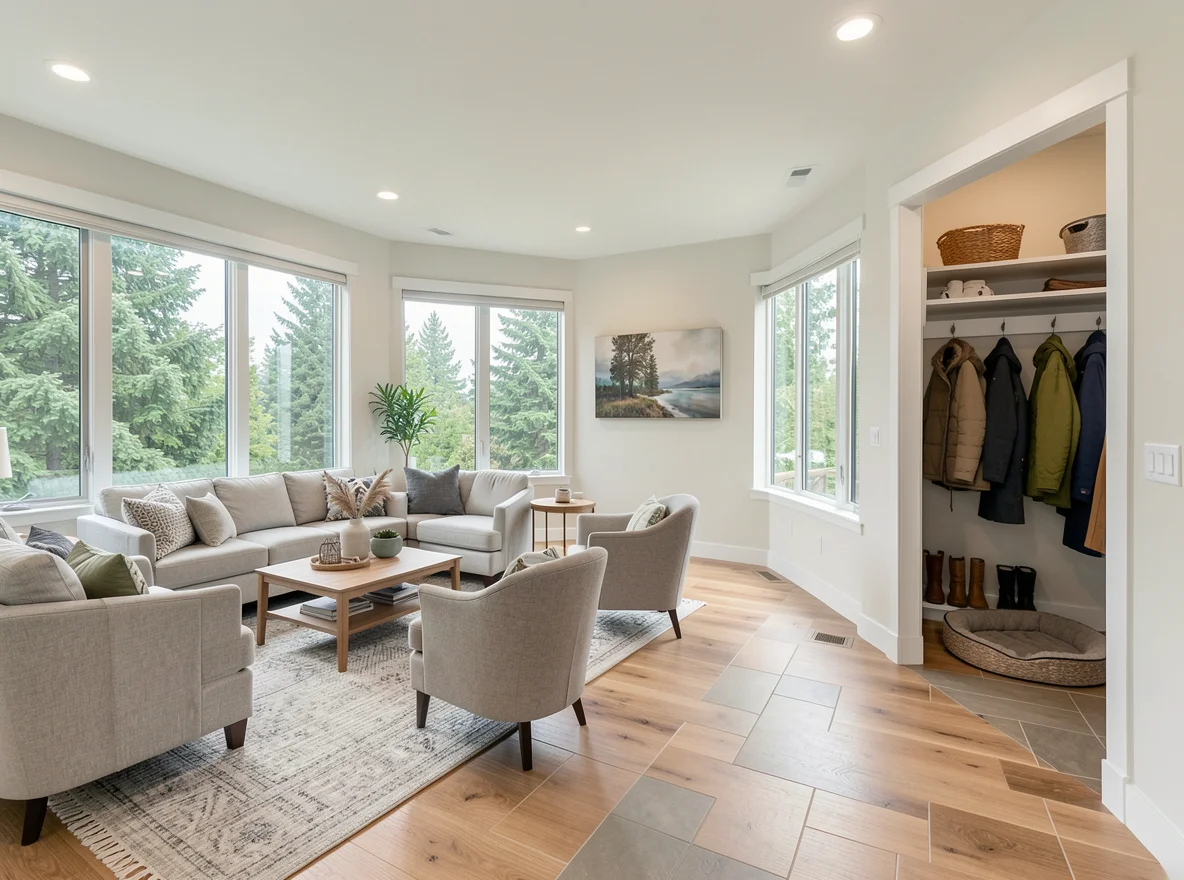
For a Pacific Northwest home, consider asking about the roof, drainage, ventilation, and signs of moisture intrusion, along with the electrical, plumbing, and heating systems. Depending on the property, a sewer scope or evaluation by a specialist may be worth discussing. A general inspection does not necessarily include every system or uncover every hidden issue, so ask the inspector what is and is not covered.
If your agreement includes an inspection contingency, read the language carefully. It may provide a period to review findings and respond, but your choices and notice requirements depend on the forms used. You might request repairs, negotiate a credit, proceed as agreed, or terminate if the contract permits. A seller does not have to agree to every request, and a credit should be discussed with your lender because loan rules can limit how it is applied.
For a condominium or townhome, the inspection is only part of the picture. Review the association’s governing documents, budget, reserve information, insurance, meeting materials when available, and any known or proposed special assessments. Ask which components are maintained by the association and which are the owner’s responsibility. Your broker can explain the documents and review periods applicable to the specific property.
Budget for Closing Costs and Upfront Expenses
Your down payment is not the only cash needed to buy. Closing costs vary by loan, property, and transaction, and your lender’s Loan Estimate is a useful starting point for understanding them. Compare estimates carefully, including the interest rate, points, lender charges, and assumptions about taxes and insurance. An estimate is not a final bill, so revisit it as the transaction moves forward.
Possible expenses include lender fees, appraisal charges, title and escrow services, recording fees, and prepaid items such as homeowners insurance and property taxes. You may also need to fund an initial escrow account for future tax and insurance payments. Some costs are paid before closing, including inspections and potentially the appraisal; earnest money is usually delivered shortly after acceptance according to the agreement.
Who pays a particular charge can depend on the contract, local practice, and lender requirements. Ask your broker and escrow professional to explain the allocation rather than relying on a generic percentage. If you are considering seller-paid costs or a financing credit, confirm with your lender how much is allowed and how it affects the numbers.
Your cash-to-close figure is different from your down payment: it also reflects closing costs, prepaid expenses, credits, and earnest money already deposited.
From Accepted Offer to Closing Day
After mutual acceptance, your lender moves the loan through underwriting and may order an appraisal. An appraisal estimates value for lending purposes; it is not a substitute for an inspection. If the appraisal comes in below the agreed price, your options depend on the contract and loan terms. You may need to discuss renegotiation, additional funds, or other available choices with your broker and lender.
Respond quickly to requests for updated bank statements, income documentation, or explanations of deposits. Avoid making major financial changes, opening new credit accounts, or moving large sums without first checking with your lender. Even after preapproval, the loan must satisfy the lender’s final conditions.
For most mortgages, the lender must provide a Closing Disclosure at least three business days before closing. Compare it with your Loan Estimate and ask about any changes you do not understand. Before sending funds, independently verify wiring instructions with your escrow company using a trusted phone number; fraudulent messages can imitate legitimate transaction emails.
A final walkthrough gives you an opportunity to check the property’s condition and confirm agreed work, if any, before closing. Your broker can explain the signing, funding, and recording sequence and when possession is scheduled under your agreement. Keep copies of your closing documents and set aside a reserve for the first round of maintenance or unexpected repairs.
Find the Right Fit at Your Own Pace
Redmond offers a range of homes and settings, with access to destinations such as Marymoor Park, the Sammamish River Trail, and the city’s evolving transit network. As you compare listings, consider the actual routes, amenities, association rules, and property features that matter to you. Availability and pricing can change, so current listings and recent comparable sales are more useful than assumptions about the market.
Buying your first home involves plenty of moving parts, but you do not have to solve them all at once. Start with a realistic budget, understand the contract before you sign, and build a team that can answer questions as they arise. With a clear timeline and room in your budget for the unexpected, you can focus on finding a home that meets your needs.