
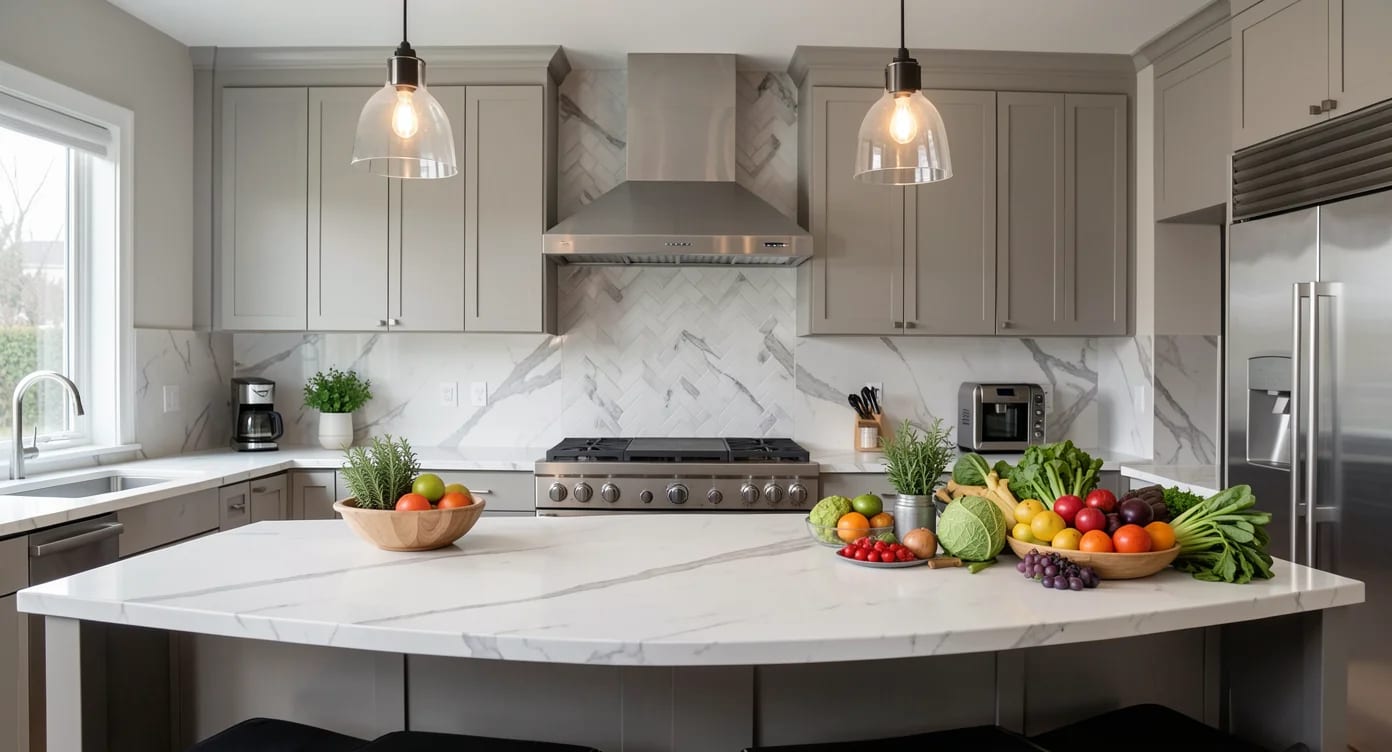
A more useful kitchen does not always require a full remodel. Thoughtful storage, better lighting, durable finishes, and attention to maintenance can make everyday routines easier while helping a home show well. Before spending, compare the improvements with the condition and price range of similar Kirkland homes—and remember that no renovation guarantees a return.
Start With How the Kitchen Works
A kitchen can look attractive in listing photos and still frustrate the person cooking dinner. Before choosing cabinet colors or countertop samples, notice where clutter collects, which doors collide, and whether there is enough usable space beside the sink and range. These observations can reveal improvements that matter more than a dramatic redesign.
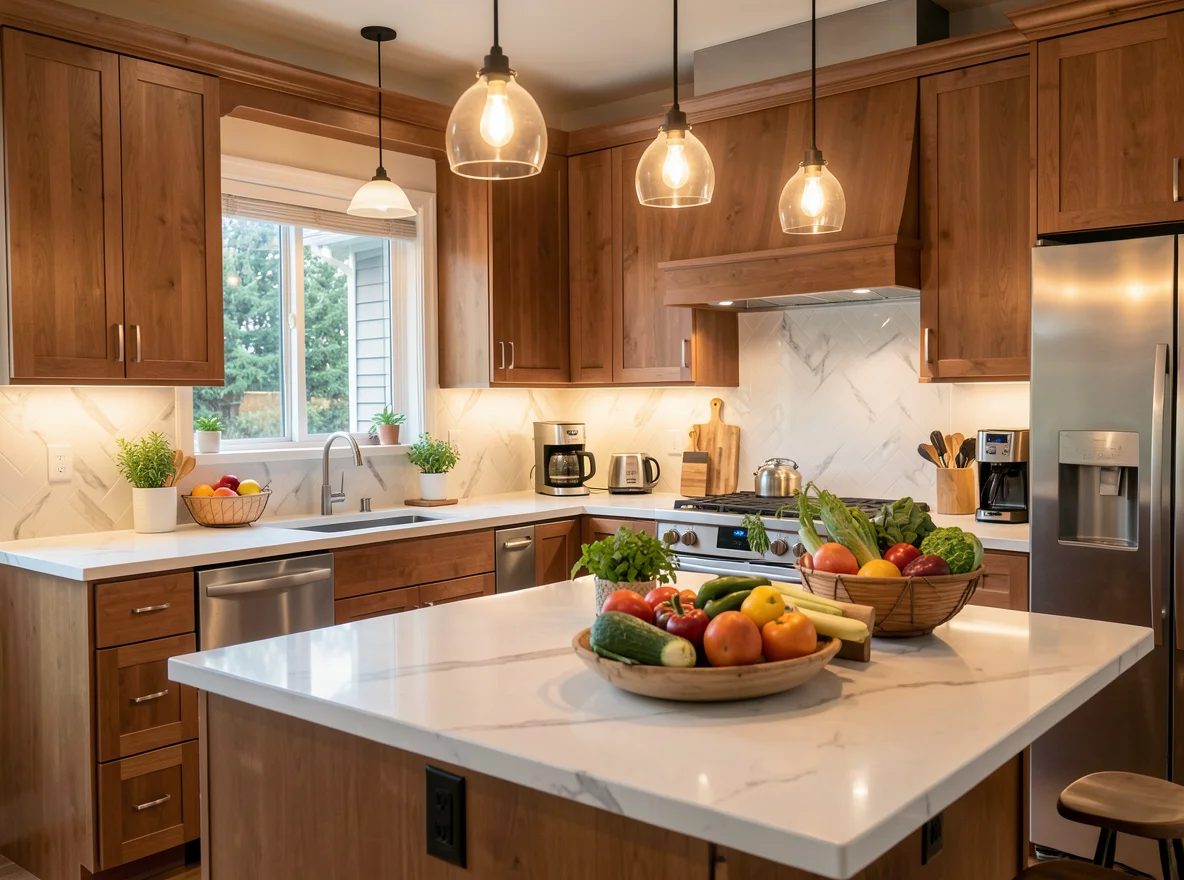
Map a typical meal from refrigerator to prep surface to cooking area. Look for a convenient place to set groceries down and enough clear counter space for everyday tasks. If the existing layout works, keeping major plumbing and appliances in place may help limit the scope and cost of a renovation. A contractor can identify when aging systems or an awkward layout justify a larger change.
Storage often delivers an immediate improvement without changing the room’s footprint. Pull-out shelves can make deep lower cabinets easier to use, while drawer dividers, pantry organizers, and a dedicated spot for waste and recycling reduce countertop clutter. Check whether existing cabinet boxes are sound before deciding to replace them; hardware, repairs, or new doors may be enough to refresh their appearance.
If the layout already works, improving cabinet interiors and lighting may make a noticeable difference without moving plumbing or walls.
For buyers touring a Kirkland home, the same exercise helps separate cosmetic issues from more involved projects. Open drawers, test doors, and consider where small appliances and frequently used cookware would go. A dated finish may be manageable; water damage, persistent odors, or an electrical system that needs attention deserve closer professional review.
Choose Finishes for Real Life
Countertops and cabinet surfaces face spills, heat, and frequent cleaning. Compare materials by maintenance requirements as well as appearance: some surfaces need periodic sealing, while others have specific limits around heat or abrasive cleaners. Ask suppliers for care instructions and samples, then consider how each option looks in the room’s actual daylight and evening light.
Cabinet refinishing or refacing can be worthwhile when the underlying construction is in good condition. If doors sag, shelves are damaged, or moisture has affected the boxes, repairs or replacement may be the more durable choice. Select finishes that complement the rest of the home rather than treating the kitchen as a completely separate design project.
For resale, a cohesive appearance and sound workmanship generally matter more than an expensive material chosen for its price alone. Neutral or restrained finishes can make it easier for buyers to picture their own belongings, but personal enjoyment counts too. If you plan to stay, choose a look you will appreciate rather than designing solely around a future sale.
Do not overlook the details
A faucet that operates smoothly, cabinet pulls that feel comfortable, and a backsplash that is easy to clean can improve the experience of using the room. Replace worn caulk where needed and address leaks promptly. These smaller projects can also signal that the kitchen has been maintained, although they are not substitutes for correcting underlying damage.
Make Lighting and Ventilation Work Harder
Good lighting supports both function and presentation. Instead of relying on one central fixture, consider a combination of general lighting, task lighting over work surfaces, and accent lighting where it adds warmth. Under-cabinet fixtures can brighten prep areas that upper cabinets otherwise shade.
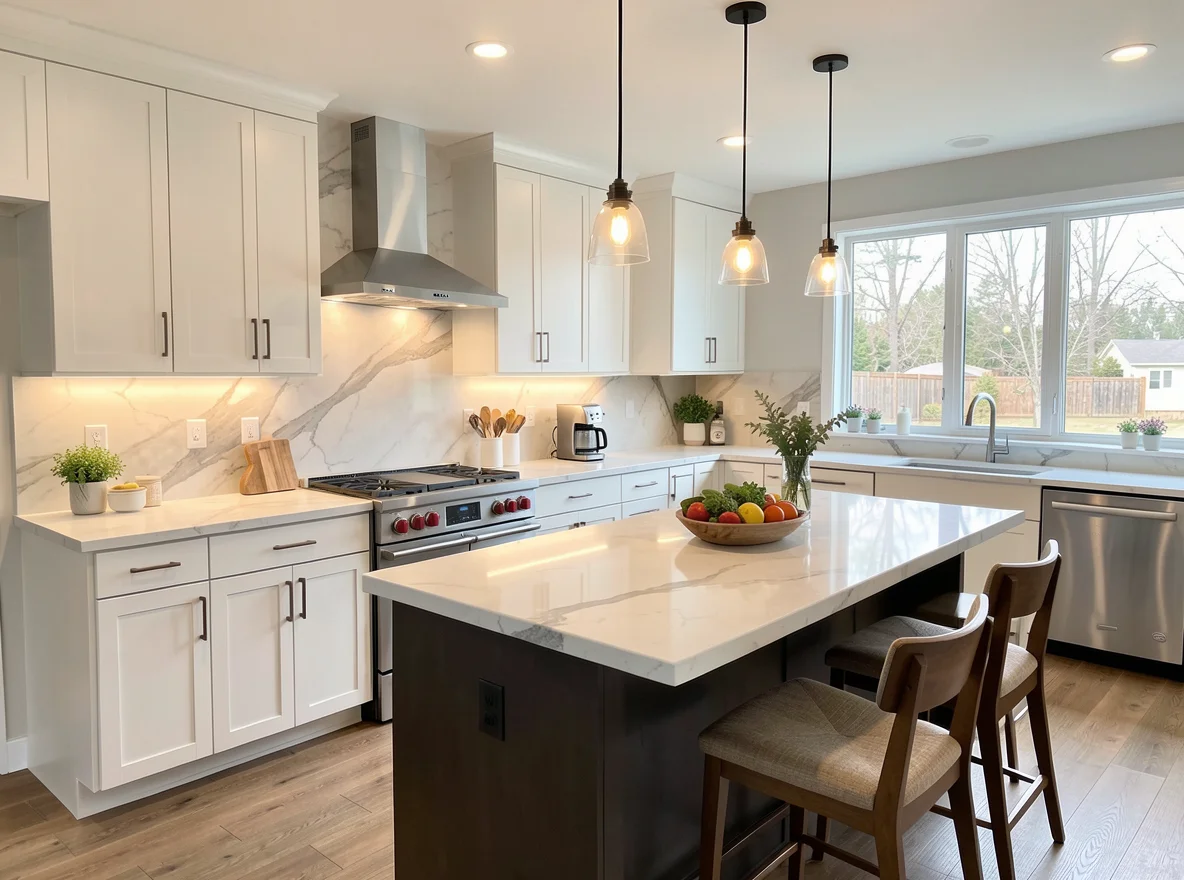
Check the room at different times of day before deciding where additional fixtures belong. A dimmer can offer flexibility, while consistent bulb color helps the space feel connected. Have a qualified electrician assess wiring, outlets, and any proposed changes rather than assuming an older installation can accommodate a new plan.
Ventilation deserves just as much attention. A properly selected and installed range hood can help manage cooking moisture, odors, and airborne grease. Ask an appropriate professional about available venting options, equipment sizing, and applicable requirements for the property. If you are considering an appliance change, confirm electrical or gas capacity and installation costs before ordering.
Price the complete installation—not just the fixture or appliance. Electrical work, venting, cabinetry adjustments, and finish repairs can change the project budget.
In a condominium or other managed property, check association rules and approval procedures before committing to work, particularly when a project could affect shared systems or exterior venting. Confirm local permit requirements with the relevant authority or your contractor; requirements depend on the work being performed.
Set a Budget With Resale in Mind
Begin with a prioritized list: repairs and functional problems first, followed by upgrades that improve appearance or convenience. Request detailed estimates that separate materials, labor, and likely ancillary work. Build a contingency into the budget for conditions discovered after work begins, such as concealed water damage or outdated wiring. The appropriate reserve depends on the home and project scope.
To evaluate resale potential, look at comparable homes in Kirkland that have recently sold, as well as current competition. Compare overall condition, size, location, and kitchen quality—not just the presence of new appliances. A broker can help interpret how your home fits its market, but a renovation’s eventual effect on sale price cannot be predicted precisely.
Consider your timing as well. If a move is approaching, a focused refresh and necessary repairs may make more sense than a lengthy renovation. If you expect to enjoy the kitchen for years, improvements to storage, workflow, and durable surfaces may provide value in daily use even if the full cost is not recovered at sale. Avoid assuming that the most expensive option will deliver the strongest return.
A Practical Plan for Buyers and Sellers
Sellers can start by fixing visible defects, cleaning thoroughly, replacing failed bulbs, and clearing work surfaces. Gather receipts, warranties, and permit records for completed work when available. Before launching a major project, discuss the likely timeline and local competition with a real estate professional so the renovation supports the broader selling plan.
Buyers can use inspections and contractor estimates to understand a kitchen’s condition and potential costs before deciding what to change. Look beyond finishes to cabinet structure, plumbing, ventilation, and appliance condition. When comparing homes, account for both the purchase price and the work you may want or need to complete after closing.
The best kitchen upgrade is one that solves a real problem, fits the home, and respects the budget. Whether that means adding a few pull-outs or planning a broader renovation, an informed approach can create a more useful space now and a more compelling presentation when it is time to sell.