

Downtown Bellevue brings major shopping, dining, parks, and light rail into one compact district, with Lake Washington’s shoreline just to the west. Explore how its streets, public spaces, and housing options fit together—and what to check before buying or selling nearby.
A closer look at Downtown Bellevue
On a visit to Downtown Bellevue, the scenery can change in a few blocks: a landscaped park gives way to towers, dining rooms, and busy intersections, while quieter streets lead west toward the water. This guide focuses on the downtown district and the nearby Meydenbauer Bay waterfront, where the details of a home’s location can shape everyday routes and views.

Bellevue was incorporated in 1953, and its transformation from an agricultural area into a major Eastside center is visible in the contrast between older streets and contemporary development. Downtown today includes offices, residences, hotels, cultural venues, and public spaces. The mix creates a different setting from the more residential areas farther from the center.
For a useful first visit, start at Bellevue Downtown Park and walk toward the shopping district. Then continue west toward Meydenbauer Bay Park. The route helps put the area’s attractions in perspective: a listing described as “near downtown” may still have a different walking experience depending on its exact block, elevation, and distance from a crossing.
Notice the practical details along the way. Sidewalks, construction activity, traffic signals, and the availability of covered parking can all influence how a particular address feels in daily use. Visiting at different times of day offers a more complete picture than a single showing.
Downtown Park and Meydenbauer Bay Park offer two distinct outings: one is a central green space, while the other provides public access to Lake Washington.
Parks and waterfront access
Bellevue Downtown Park is a defining feature of the district, with a large lawn, a circular promenade, and a water feature. It offers a convenient place for a walk or a pause between errands. Nearby Bellevue Botanical Garden, east of downtown, provides a different landscape of cultivated gardens and wooded paths.
West of the downtown core, Meydenbauer Bay Park brings the shoreline into the neighborhood experience. Paths, gathering areas, and views across the bay make it a destination even for residents who do not live on the water. Waterfront property and public waterfront access are not the same thing, however: proximity to the park does not automatically mean a home has a private dock, beach, or lake rights.
If access to the lake is central to your search, look beyond a map pin. Check the actual route from the property, including hills and road crossings, and confirm park hours and any seasonal restrictions before planning an outing. For a home advertised with waterfront privileges, review the deed, title materials, and association documents rather than relying solely on listing language.
Shopping, dining, and daily errands
The Bellevue Collection, including Bellevue Square, anchors much of downtown’s retail activity. Around it, visitors can find dining, entertainment, and services within a relatively concentrated area. The district also has everyday conveniences, although the easiest option for groceries or other errands will depend on the address and preferred route.
Old Bellevue, along Main Street west of the central shopping area, offers another pace and a different streetscape. Its mix of dining and local businesses sits between the larger downtown core and the approach to Meydenbauer Bay. Exploring both areas gives buyers a better sense of the variety that can fit within a short trip.
When comparing homes, consider whether your routine calls for walking, transit, or driving to the places you use most. A few extra blocks may matter less than the condition of the route, the need to cross a major road, or whether a building has convenient access to parking. Business offerings change, so check current locations and hours before making a decision based on a particular amenity.
Transit and getting around
Bellevue Downtown Station connects the district to Sound Transit’s 2 Line, and bus service provides additional ways to travel through the area. Routes, connections, and schedules can change, so consult current Sound Transit and King County Metro information when comparing a property with a regular destination.
Map the complete trip, not just the distance to a station. A journey may include a walk to the platform, a transfer, and time at the other end. If driving is part of the plan, try the route at the hours you expect to travel and factor in parking. Downtown’s major roads connect to the broader Eastside, but travel times can vary with traffic and construction.
A home’s distance from Bellevue Downtown Station is only one part of a transit comparison; check the walking route and current service to your actual destination.
What to consider when comparing homes
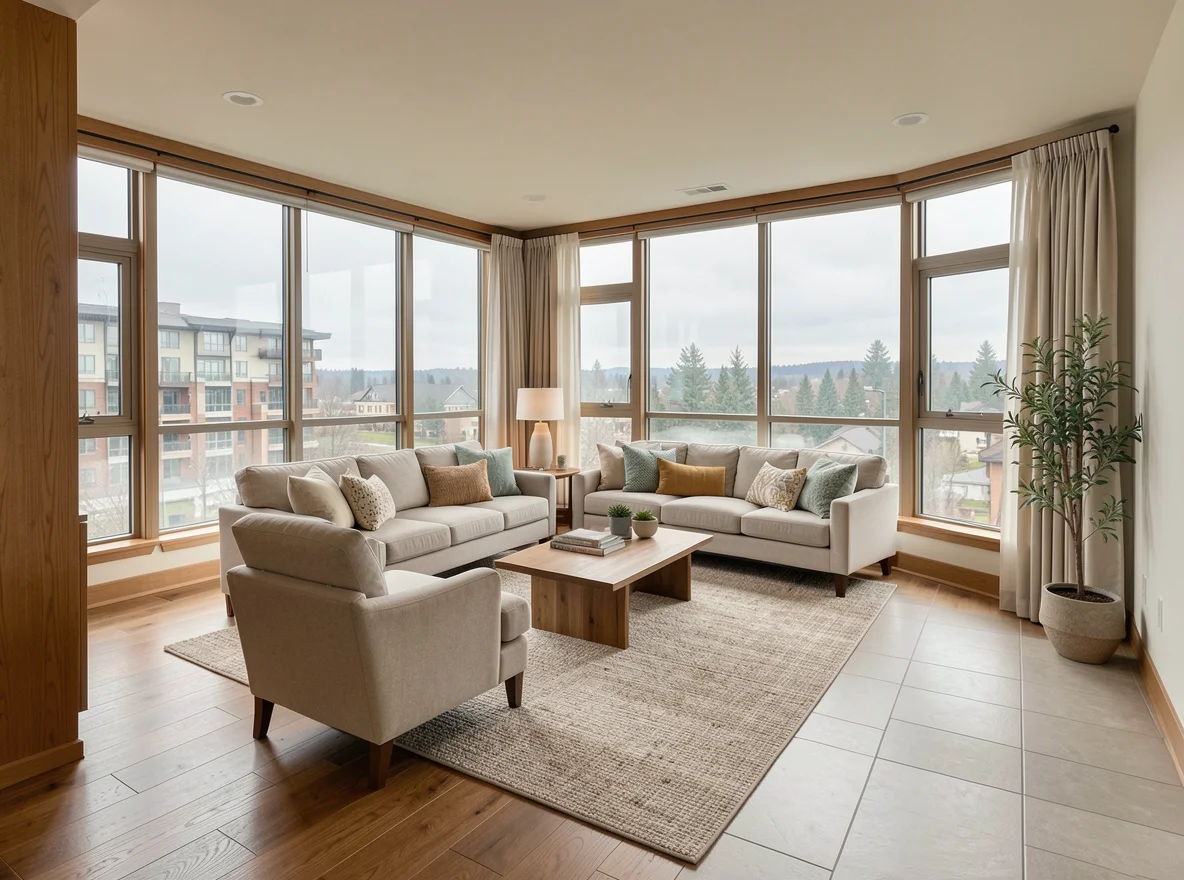
Downtown and the streets toward Meydenbauer Bay offer a range of housing, including condominium buildings, townhomes, and other residences. A home’s outlook, floor level, parking, and building amenities can vary considerably even within the same neighborhood. Compare properties on those details rather than treating the downtown label as a guarantee of a particular experience.
For a condominium, review the association’s budget, reserve information, meeting materials, insurance, rules, and any disclosed special assessments. Ask what monthly dues cover and whether parking or storage is included. Building policies and financial conditions differ, and a careful document review can reveal costs that are not apparent during a tour.
Views deserve a closer look, too. Visit in person to understand what is visible from the rooms and outdoor space you would actually use. Ask about known nearby development, but avoid assuming a view will remain unchanged. For any property, an inspection and review of disclosures can help identify maintenance questions and inform the terms of an offer.
School assignments are another address-specific detail. Boundaries and programs may change, so verify current information directly with the relevant school district rather than relying on an older listing or a general neighborhood description. The same approach applies to building amenities: confirm availability and rules before counting on them.
For sellers, preparation starts with the features a buyer can verify: the property’s condition, parking arrangements, association documents, and proximity to amenities. Pricing should reflect recent comparable sales and current competition, with adjustments for factors such as building, size, condition, and view. Market conditions can change quickly, making a current, property-specific review more useful than a broad citywide assumption.
Make the neighborhood your own research project
Downtown Bellevue is best understood on the ground: walk through the park, explore the streets around the shopping district, and make the trip to the bay. Then compare the routes and property details that matter to you with current listings and recent sales. Northwest Premier Brokers can help buyers and sellers assess the options and make informed decisions about a specific home.