
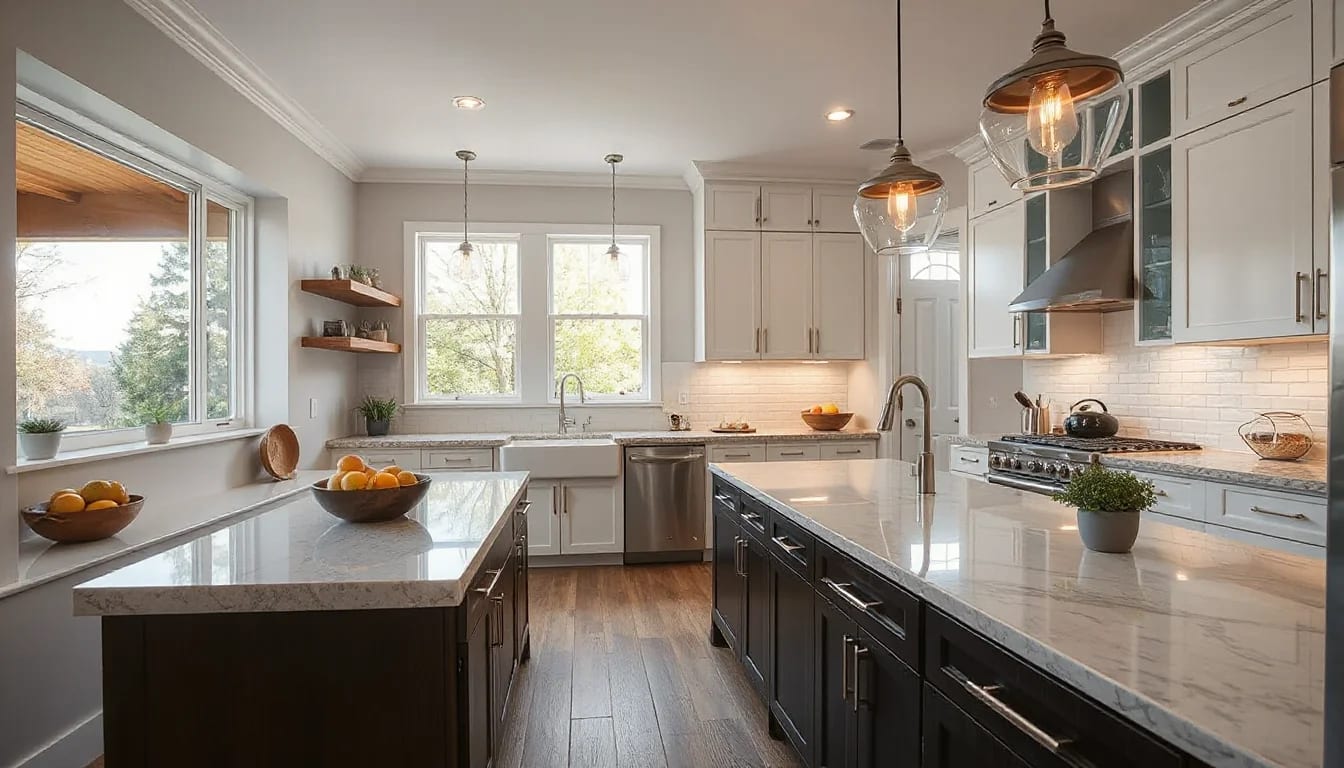
A smart kitchen refresh can help a Kirkland home feel more current without turning prep work into a full-scale remodel. The biggest payoff usually comes from updates that improve light, function, and visual consistency while keeping the design broad enough to appeal to many buyers. If you are deciding where to spend before listing, focus on changes that photograph well, show cleanly in person, and fit the price point of your home.
Start with the upgrades buyers notice first
When people walk into a home, the kitchen tends to set the tone for the rest of the showing. In Kirkland, where many listings compete on condition, layout, and overall finish level, this room often carries outsized weight. That does not mean every seller should gut cabinets or move plumbing. It means the kitchen should look intentional, bright, and easy to maintain.
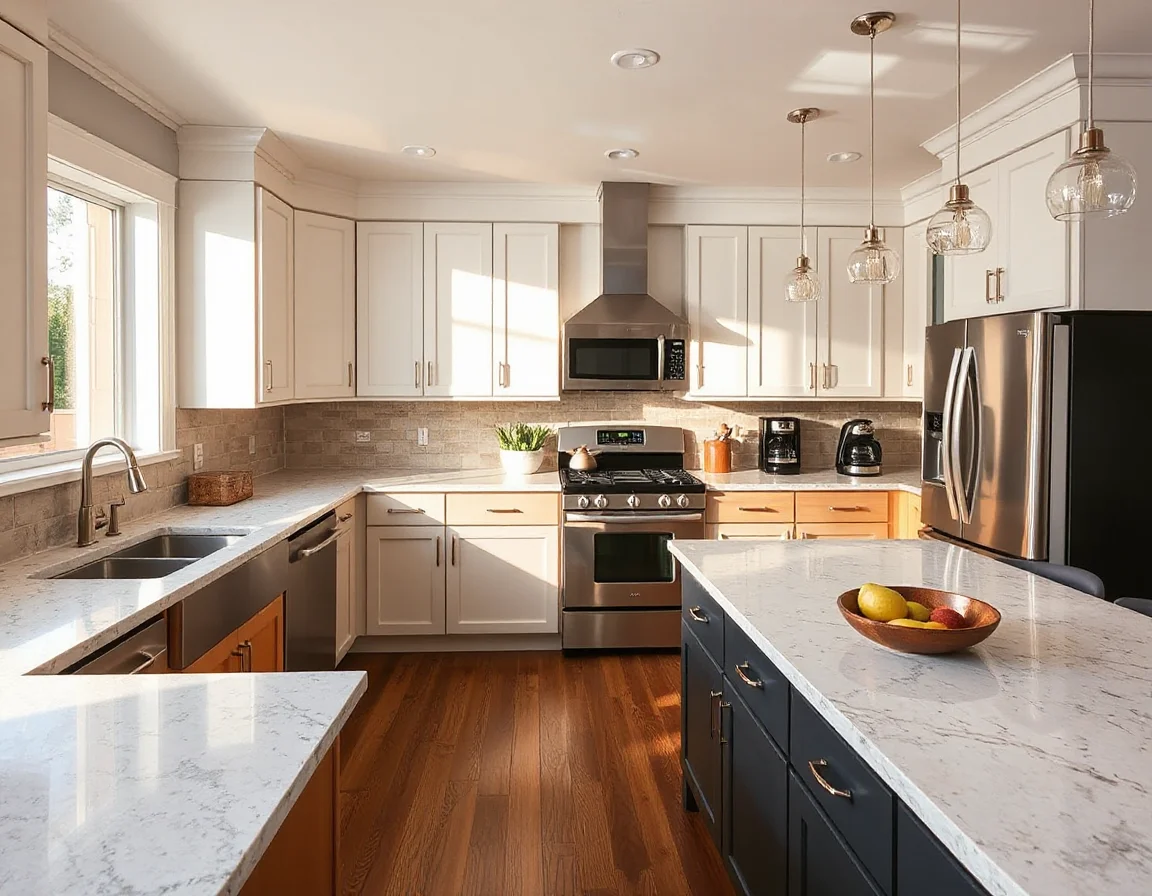
The most reliable value-add items are usually cosmetic improvements with practical impact: cabinet paint or refinishing, updated hardware, new light fixtures, fresh backsplash tile, and durable countertops when existing surfaces are badly worn. These projects can sharpen the entire presentation of the home without forcing a long timeline. A kitchen that feels clean and cohesive often performs better than one with a patchwork of dated finishes, even if the footprint stays exactly the same.
Sellers also benefit from thinking about photography early. Reflective surfaces, brighter task lighting, and uncluttered counters help listing images stand out online, where many buyers decide which homes are worth touring. If your current kitchen has heavy visual noise, dark corners, or mismatched appliances, selective improvements can make the room look larger and more polished in both photos and in-person visits.
If the cabinets are structurally sound, painting or refinishing them is often far more cost-effective than replacement. In many pre-listing budgets, that one decision frees up room for lighting, hardware, and staging.
Choose finishes that feel current but not overly customized
One of the easiest ways to lose efficiency before selling is to choose highly specific finishes that may not match the rest of the house. A better strategy is to aim for materials that feel updated and durable while blending naturally with adjacent spaces. In many Kirkland homes, that means warm whites, soft grays, light wood tones, matte black or brushed metal hardware, and simple tile with subtle texture.
Quartz remains a popular countertop option because it offers a clean look, low maintenance, and a finish that reads well during showings. If replacement is not in the budget, some sellers can still improve the visual impact by repairing chips, re-caulking edges, and removing visual clutter around sinks and prep zones. Even small details like matching switch plates, replacing a dated faucet, or upgrading pendant lighting can make the whole kitchen feel more considered.
Avoid over-improving beyond the likely expectations of your price range. A luxury-grade appliance package in an otherwise modest kitchen rarely delivers the same return as balancing the entire room. Consistency matters. Buyers tend to respond well when the flooring, cabinetry, counters, and lighting all feel like they belong together, even if none of them are the most expensive options available.
See guidance for preparing your home to sell
Function matters as much as style
Looks may draw attention, but function helps a kitchen hold its value during showings. Drawers should glide smoothly, cabinet doors should align, and storage should feel usable. If there is a pantry, make it neat and easy to open. If the kitchen has an island or peninsula, keep pathways clear so the layout reads as practical rather than crowded.
Minor repairs often have an outsized effect here. Loose pulls, squeaky hinges, scorched bulbs, worn grout, or a disposal that hums instead of working can make the space feel less cared for. Addressing these items signals maintenance and reduces distractions. The goal is not perfection; it is confidence. A buyer walking through the kitchen should feel that the home has been attended to consistently.
Appliances deserve a realistic review as well. If they are mismatched, heavily scratched, or nearing the end of their useful life, replacing one or two key pieces may help. If they are older but clean and operating well, presentation may be enough. Deep cleaning, stainless polish, and removing magnets and paper clutter can dramatically improve the impression without major spending.
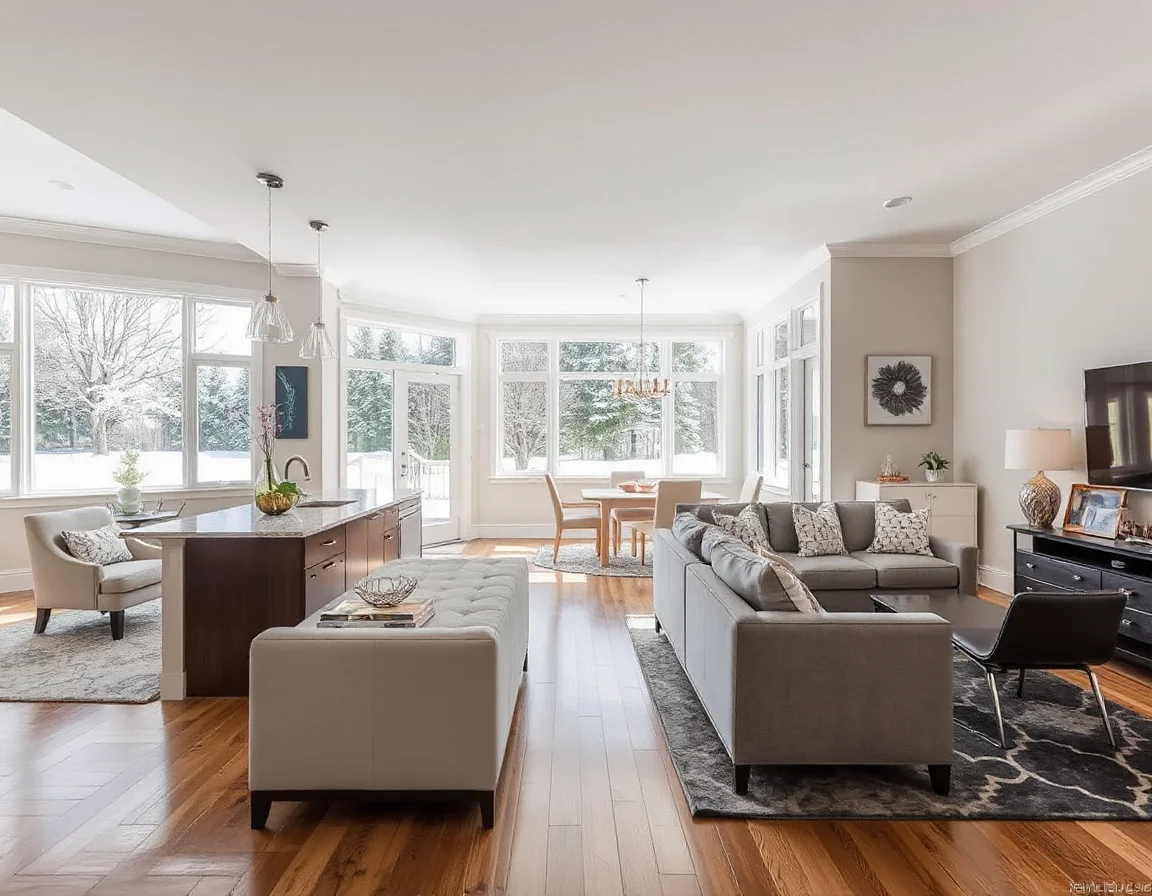
It is also worth checking how the kitchen connects to the rest of the main living area. In open-concept homes, a kitchen update should support the adjoining dining and living spaces. A fresh coat of paint, coordinated light fixtures, and a simplified color palette can make the whole level feel more unified, which often helps buyers understand the home’s flow more quickly.
Before committing to a remodel, compare your planned finishes to the condition of nearby competing listings. The strongest return often comes from bringing a kitchen up to local market expectations, not far beyond them.
Know where not to spend before listing
Some kitchen projects are better saved for a future owner, especially when they involve personal layout preferences or major structural work. Moving walls, relocating gas or water lines, or rebuilding a perfectly functional footprint can quickly consume budget that might be more effective elsewhere in the house. In many cases, sellers get more traction from a whole-home presentation plan than from concentrating too much money in one room.
That broader plan can include interior paint, flooring touch-ups, lighting updates, landscaping, and targeted staging. A kitchen does not need to carry the entire listing by itself. It needs to support the overall impression that the home is move-in ready, well maintained, and aligned with neighborhood expectations. When every room feels consistent, buyers are less likely to mentally subtract for deferred work.
If your kitchen has original elements that are in strong condition, consider whether they can be styled rather than replaced. Warm wood cabinets, for example, may look intentional with the right hardware, paint color, and lighting. The smartest pre-sale decisions are often the ones that clarify what is already working instead of automatically starting from scratch.
Get a home valuation before planning updates
The best kitchen plan is tied to your price point and timing
Not every Kirkland seller needs the same scope of work. A condo, a mid-century rambler, and a newer construction home will each have different buyer expectations and different upgrade ceilings. The most effective approach is to look at condition, competing inventory, and the likely sale timeline together. If you are listing soon, prioritize fast-turn improvements with visible impact. If you have more time, a slightly deeper refresh may be worthwhile if it lifts the home into a stronger competitive position.
In the end, kitchen upgrades add value when they reduce friction. They help buyers picture daily use, they strengthen listing photos, and they make the home feel more finished from the moment someone walks in. Whether the update is as simple as paint and lighting or as involved as counters and backsplash, the strongest results usually come from disciplined choices, not the biggest budget.