

Shoreline is getting attention from buyers and sellers because it offers a practical mix of access, established residential streets, parks, and a housing stock that spans mid-century ramblers, condos, townhomes, and newer construction. If you are entering the market now, the key is understanding how pricing, preparation, and neighborhood-level inventory can shift from block to block. A thoughtful plan matters more than broad headlines, and Shoreline rewards people who look closely at condition, commute patterns, and long-term livability.
Why Shoreline Is Staying on Buyers’ and Sellers’ Radar
Just north of Seattle, this city continues to stand out for people who want location flexibility without giving up everyday convenience. Shoreline combines established neighborhoods, green space, retail corridors, and transit access in a way that gives the market real depth. Instead of feeling defined by one housing type or one price bracket, it offers a range of options that can appeal to different budgets and property goals.

That variety is a major reason Shoreline remains relevant in a changing market. Buyers may be comparing detached homes with larger lots, attached homes with lower maintenance, or condominiums closer to transit and daily services. Sellers, meanwhile, benefit from the fact that their competition may not be a direct apples-to-apples match. A remodeled single-story home, a view property, and a newer townhome can all draw attention for different reasons, which means pricing and presentation need to be tailored carefully.
Another factor is timing. In markets like Shoreline, demand often responds quickly to mortgage-rate changes, new listings, and seasonality. When more inventory appears, buyers gain comparison power; when inventory tightens, well-prepared listings can stand out faster. That push and pull makes local guidance especially useful, because a citywide average rarely tells the whole story.
In Shoreline, two homes with similar square footage can perform very differently depending on updates, lot usability, and access to transit or major commuter routes. Micro-location matters.
Shoreline also benefits from amenities that support day-to-day routines rather than just occasional outings. Parks, trail connections, grocery access, community gathering spaces, and proximity to employment centers all affect how buyers evaluate value. Those practical features tend to hold attention even when the broader market becomes more cautious.
What Buyers Should Watch Closely Right Now
For buyers, Shoreline can look straightforward at first glance, but the smart move is to read each listing with care. Home age, system updates, sewer lines, roofing, window condition, and lot drainage can all matter in older housing stock. A beautifully staged interior may create strong first impressions, yet the lasting value often comes down to the less visible details: insulation, heating efficiency, maintenance history, and the quality of prior remodel work.
It is also worth paying attention to the type of competition surrounding each listing. Some homes are priced to invite multiple offers, while others are positioned closer to where the seller expects to land. Days on market, price adjustments, and the number of similar active listings nearby can give clues about leverage. In one part of Shoreline, a move-in-ready home may draw quick interest; in another, buyers may have more room to negotiate on condition or closing terms.
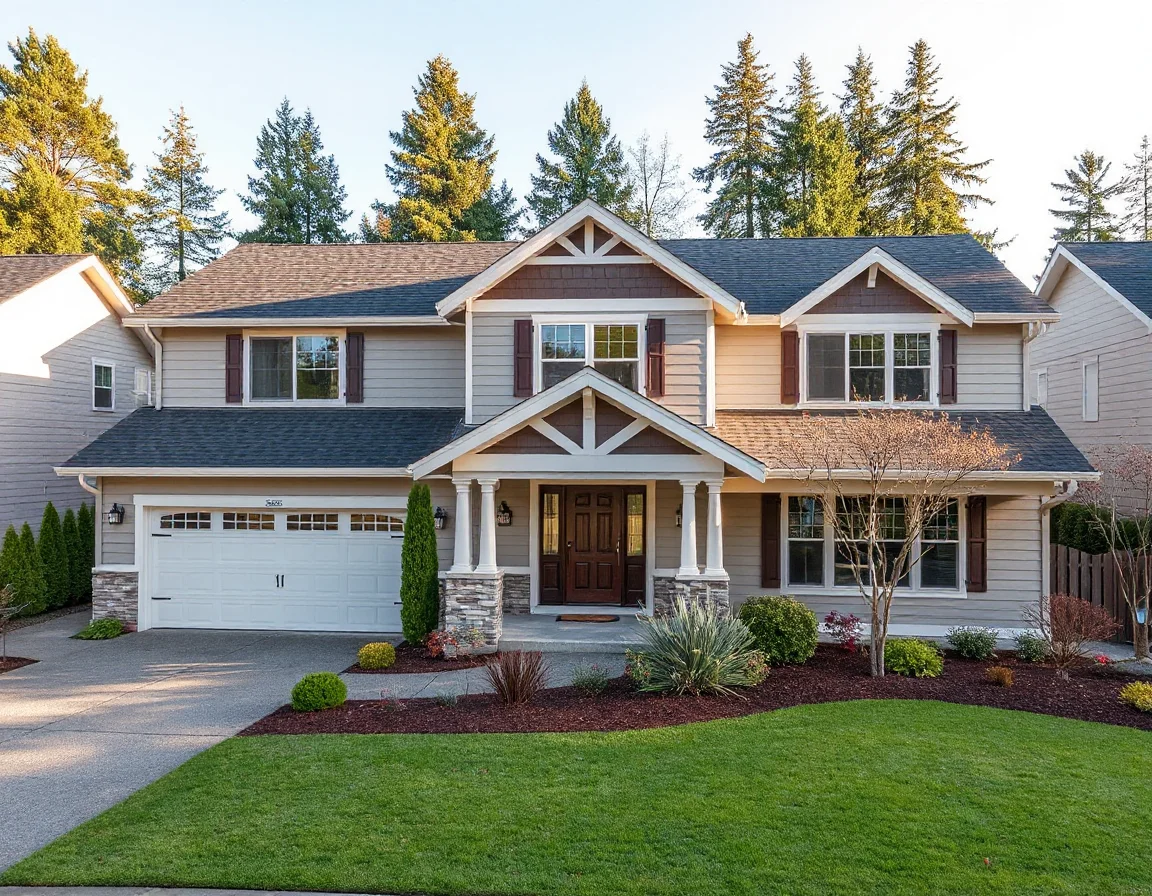
Commute and access patterns deserve a closer look, too. Shoreline’s location can be a major advantage, but convenience varies by address. Buyers should map out not only work travel, but also groceries, recreation, medical services, and routes used during the week. The difference between “close on a map” and “easy in practice” can affect resale value and day-to-day satisfaction.
Because inventory can include both updated homes and properties that need work, buyers should define their renovation tolerance early. A home that needs cosmetic changes is very different from one that needs structural or systems work. Understanding that threshold before touring helps narrow options and keeps decision-making grounded when a compelling listing appears.
A preapproval is only one part of buyer readiness. In Shoreline, a clear repair budget and a short list of must-have property features can be just as important when inventory moves quickly.
What Sellers Need to Get Right Before Listing
Sellers in Shoreline should start with a simple truth: today’s buyers compare aggressively online before they ever schedule a showing. That means pricing, photos, and condition have to work together from day one. If a property launches too high for its condition or fails to communicate its strengths clearly, it may lose momentum before the second weekend.
Preparation does not always mean a full renovation. In many cases, the most effective steps are focused ones: fresh paint, cleaner landscaping lines, decluttering, improved lighting, hardware updates, and pre-listing repairs that remove obvious friction. Buyers often respond well to homes that feel well cared for, even if every finish is not brand new. Shoreline’s mix of older and updated housing stock means buyers are often willing to weigh character and function alongside finish level.
Pricing strategy is especially important because similar-looking listings can draw different reactions based on lot configuration, privacy, school district boundaries, street feel, and update quality. Sellers should look beyond broad city averages and focus on the closest relevant comparables. A realistic strategy can create stronger early interest, while overpricing may lead to reductions that weaken negotiating position later.
It also helps to anticipate the questions buyers are likely to ask. If there have been major improvements, gather documentation. If the property has unique features such as outbuildings, flexible rooms, or energy-related upgrades, those details should be presented clearly. Transparency builds confidence and can reduce avoidable back-and-forth once offers arrive.
How Shoreline’s Character Shapes Real Estate Decisions
One of Shoreline’s strengths is that it does not feel one-note. Some areas offer quieter residential streets with mature trees and larger parcels, while others are closer to transportation corridors, mixed-use development, and more compact housing options. Buyers benefit from touring more than one pocket of the city before deciding what “best fit” means for them. Sellers benefit from understanding how their immediate surroundings compare with nearby alternatives.

Parks and outdoor access continue to be part of Shoreline’s appeal. Interurban Trail connections, neighborhood parks, and proximity to Puget Sound viewpoints give residents options for recreation without needing to drive far. These lifestyle features may not always show up directly in a price-per-square-foot comparison, but they do influence buyer perception and overall marketability.
The local housing conversation is also tied to broader Puget Sound trends. When Seattle inventory shifts, or when financing costs change meaningfully, Shoreline often feels the effects. That does not mean every listing moves in lockstep. It means buyers and sellers should stay responsive. A strategy that worked six months ago may need adjustment today, whether that involves concessions, staging, timing, or offer structure.
For anyone making a move here now, the best approach is balanced and specific. Buyers should stay curious but disciplined. Sellers should be ambitious but realistic. Shoreline remains a market where solid preparation, local knowledge, and clear expectations can make a noticeable difference from listing to closing.