
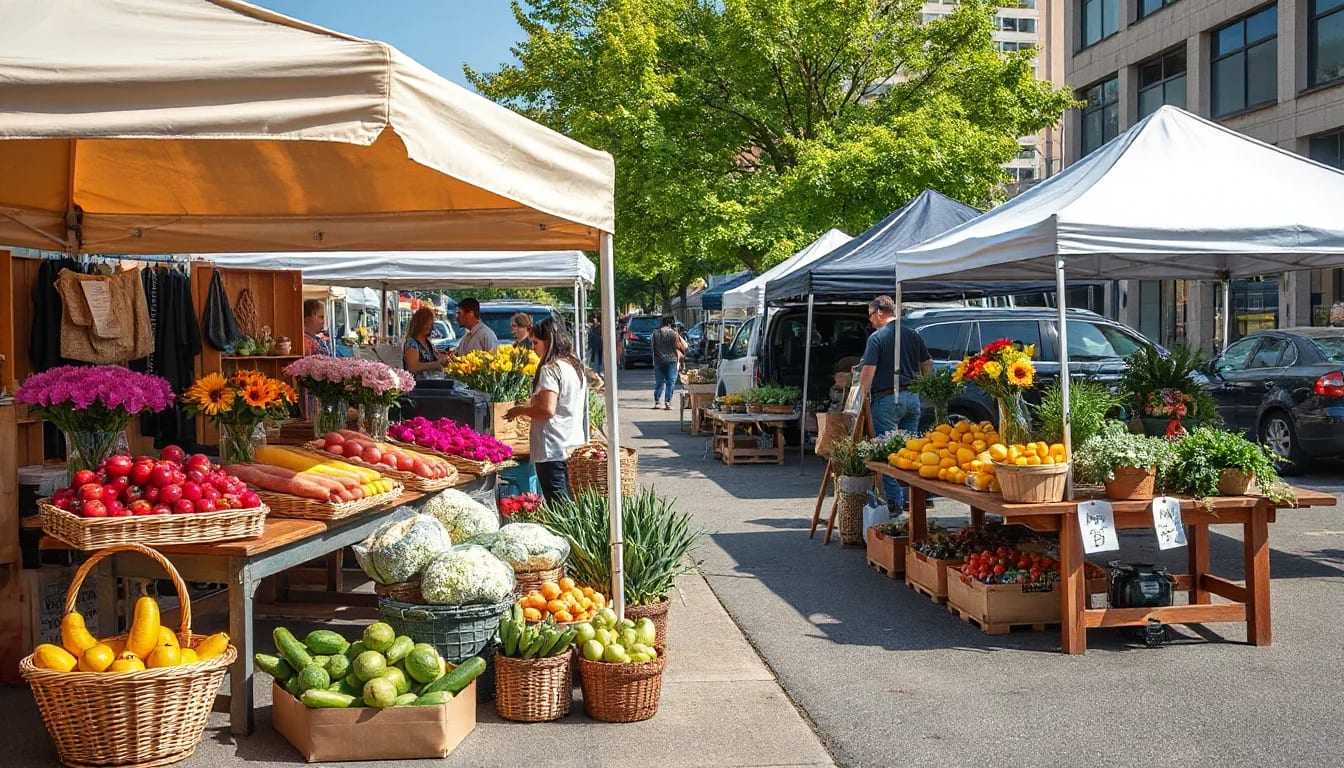
Seattle’s farmers markets and seasonal street fairs offer more than a fun weekend plan—they give home buyers a practical way to understand how different areas feel and function in real time. Watching foot traffic, vendor mix, public space use, and nearby housing types can reveal details you will not get from listing photos alone. If you are comparing neighborhoods, these local events can help you notice convenience, activity patterns, and the rhythm of day-to-day life.
Why local markets matter when you are evaluating a neighborhood
Open-house weekends tell only part of the story. A Saturday market or community fair can show how a neighborhood operates when people are actually out using it—walking between blocks, gathering in public spaces, picking up groceries, and spending time near transit stops, parks, and small business corridors. For buyers trying to narrow the map in Seattle, that kind of real-world context is useful.
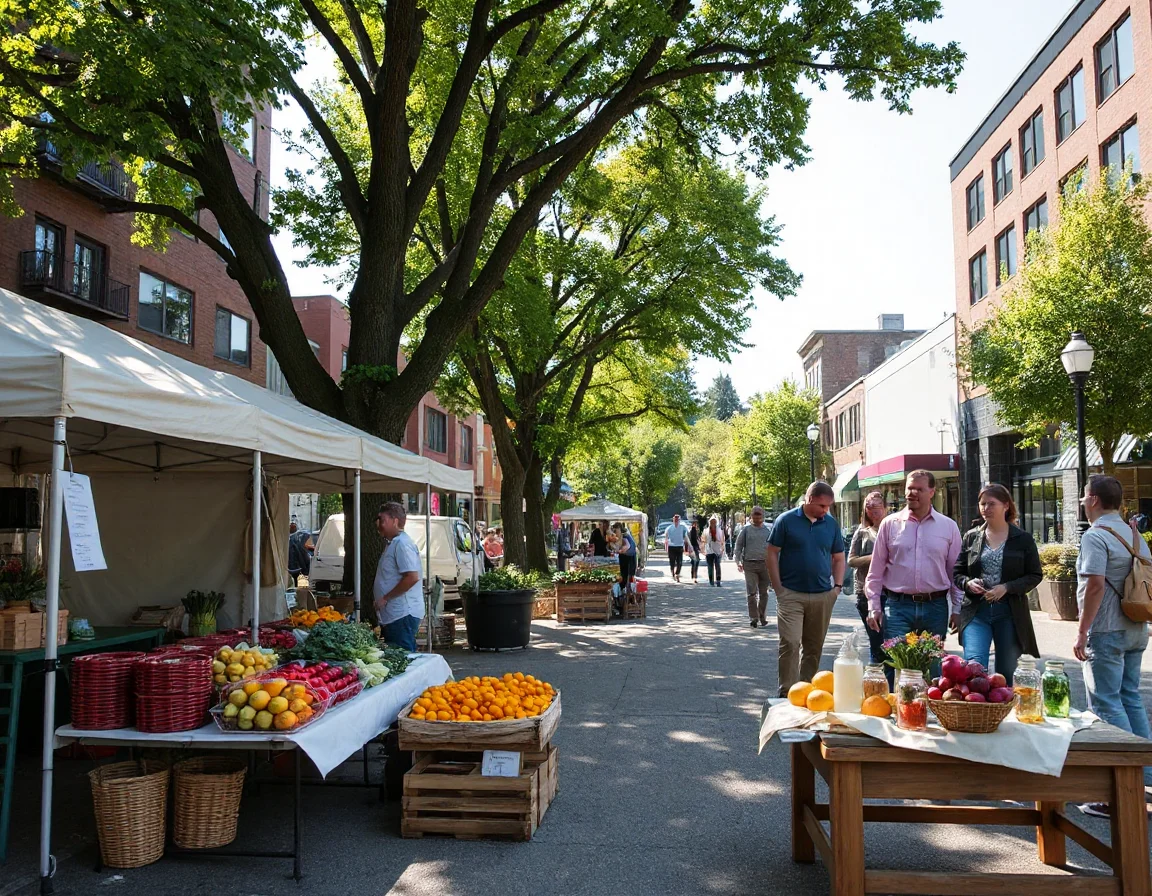
Farmers markets are especially helpful because they bring together several things buyers often care about at once: access to everyday essentials, pedestrian activity, parking conditions, street layout, and the balance between residential blocks and commercial conveniences. When a market is active, you can see whether sidewalks feel connected, whether intersections move smoothly, and whether nearby homes sit close to the kinds of amenities you want to use regularly.
Street fairs add another layer. They often reveal how a neighborhood handles temporary crowds, local events, and shared public spaces. That may sound small, but it can influence your sense of comfort with noise levels, traffic detours, and event-driven activity. A block that feels calm on a weekday afternoon may feel very different during a summer festival.
A market visit works best when paired with a second visit on a quieter day. Seeing the same area under both conditions gives you a more balanced read on traffic, parking, and pace.
For buyers relocating within Puget Sound or moving from outside the region, these events can also make neighborhood comparison more concrete. Instead of relying on broad impressions, you can pay attention to objective details: how easy it is to run errands on foot, where people gather, how close homes are to green space, and whether the area feels aligned with your weekly routine.
Seattle markets and fairs worth adding to your home search weekend
Several well-known Seattle events can double as neighborhood research stops. The University District Farmers Market is one of the city’s strongest examples of a recurring, established market with steady foot traffic and a broad vendor mix. Visiting the area during market hours can help you observe nearby housing density, arterial access, bus connectivity, and the relationship between residential streets and commercial activity.
The Ballard Farmers Market offers a different setting, with a lively historic core, walkable blocks, and a strong sense of place shaped by older buildings and updated retail corridors. Buyers exploring Ballard often use a market day to test how easy it is to navigate parking, move around on foot, and transition from quieter residential streets to the more active central area.
Capitol Hill’s seasonal street fairs and neighborhood festivals can be just as informative. These events show how dense urban living interacts with entertainment corridors, apartment buildings, older homes, and public transit. If you are considering a condo, townhouse, or single-family home in a more active urban setting, festival weekends can reveal whether the pace matches your expectations.
Fremont, South Lake Union, West Seattle, and Columbia City also host recurring community events that give buyers a window into local patterns. In each of these areas, the useful exercise is the same: note how far housing is from gathering spaces, how busy the streets become, and whether nearby amenities support the way you prefer to live from Monday through Sunday.
What to watch for while you walk
It helps to arrive with a checklist. Start with access: how long does it take to enter the neighborhood, find parking, or reach transit? Then shift to the block level. Look at sidewalk width, street lighting, intersections, bike lanes, and the spacing between homes and commercial corridors. A well-loved market can make an area feel appealing, but buyers should still look carefully at how the built environment functions around it.
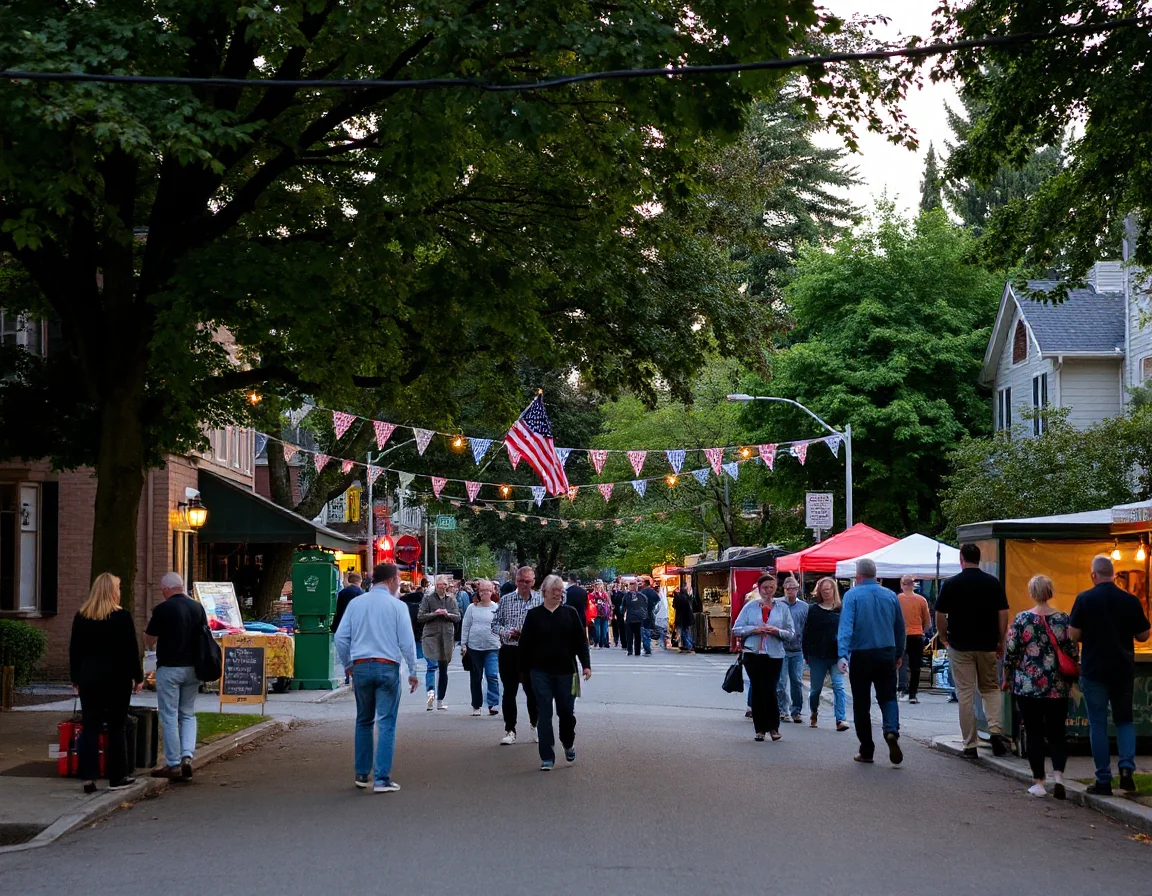
Next, pay attention to housing stock. Are you seeing detached homes, townhomes, mid-rise condos, or a blend? Does the transition between residential and activity-heavy blocks feel abrupt or gradual? These details can tell you a lot about what inventory may be available now and how future development could shape the area over time.
Noise and timing matter too. If an event draws amplified music, food trucks, or street closures, ask yourself whether that energy feels like a bonus or a drawback. There is no universal right answer. The point is to understand the area as it is, not as you imagine it from online photos. You may enjoy a vibrant event district two blocks away, or you may prefer a home farther from recurring festival routes.
Bring up recent sold listings and active listings before your visit. Matching what you see on the ground with actual price ranges can quickly show whether a neighborhood fits both your goals and your budget.
Finally, notice the everyday conveniences around the event itself. Grocery options, green space, libraries, fitness studios, waterfront access, and transit connections all affect long-term livability. A market can be the anchor, but the surrounding infrastructure is what shapes daily use after the novelty wears off.
How these events connect to the Seattle housing search
Seattle buyers often face tradeoffs between location, home type, commute patterns, and price point. Markets and street fairs can help clarify those tradeoffs. A neighborhood that initially looked ideal on paper may feel busier than expected, while another area may offer better street connectivity, more usable public space, or a housing mix that better fits your search.
They are also a smart reminder that home buying is not just about the property line. A well-designed kitchen or updated exterior matters, but so does what happens beyond the front door. The ease of getting coffee on a weekday, picking up produce on a Sunday, or reaching a park without a long drive can meaningfully affect how a home functions over time.
For some buyers, that means prioritizing proximity to recurring neighborhood events and walkable amenities. For others, it means choosing a home with easier access to those benefits while keeping more distance from the busiest blocks. Either way, using community events as part of your search makes your decision more informed and less abstract.
Review the home buying process
A practical way to turn a weekend outing into better decisions
There is real value in spending part of your search weekend at a farmers market or street fair before scheduling the next showing. You get a feel for movement, convenience, housing context, and neighborhood energy in a way that listing portals simply cannot provide. In a market as layered as Seattle, those observations can sharpen your priorities fast.
Whether you are comparing Ballard with West Seattle, weighing Capitol Hill against Columbia City, or trying to decide how close you want to be to an active neighborhood core, local events offer useful perspective. Approach them as research, not just recreation, and you may come away with a clearer sense of where to focus your search—and which areas deserve a second look.