
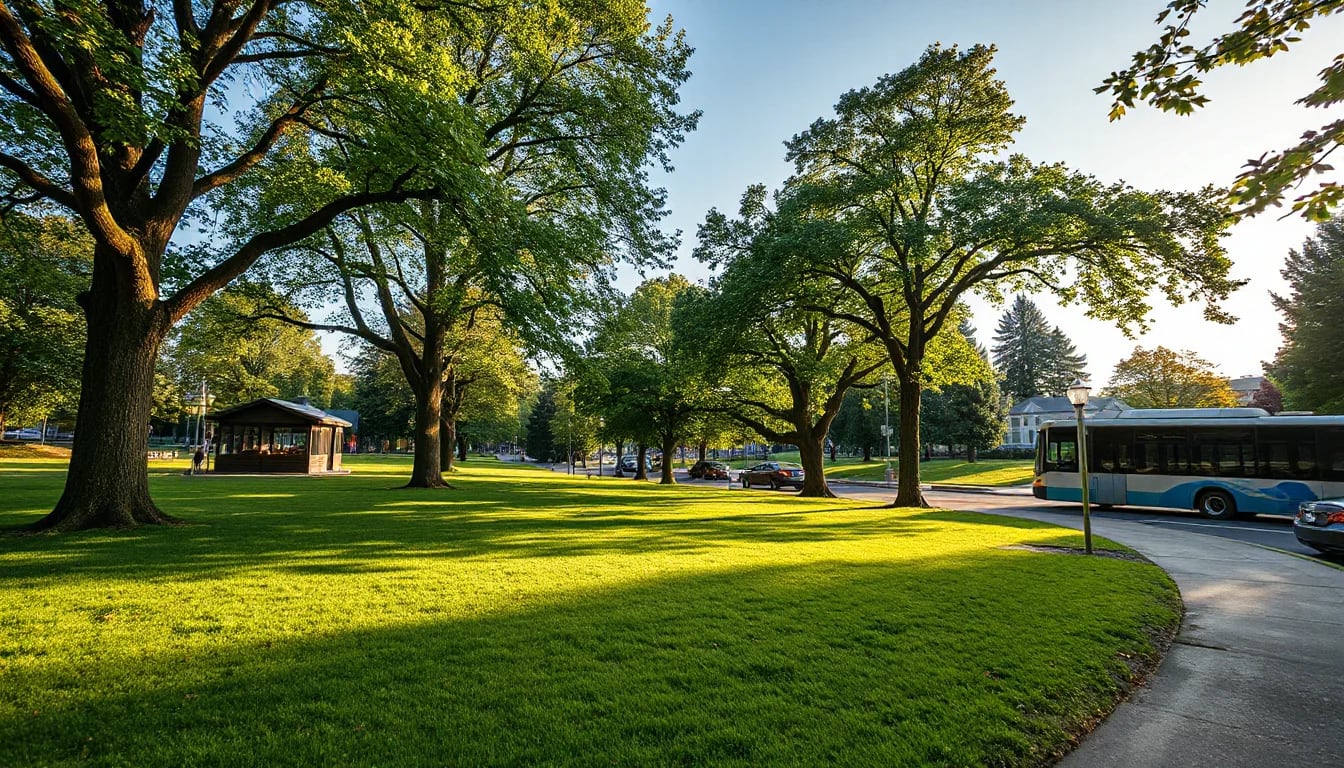
Capitol Hill rewards close attention: one block may hold a classic brick apartment building, another a leafy park edge, and the next a direct transit connection into the rest of Seattle. If you are comparing neighborhoods, understanding how parks, rail access, food destinations, and historic housing stock fit together can make your home search much more efficient. This guide highlights the places and patterns that shape daily life in one of Seattle’s most recognizable urban neighborhoods.
A neighborhood where the details matter
Just east of downtown Seattle, Capitol Hill combines old and new in a way that feels layered rather than staged. Residential streets lined with early 20th-century homes and apartment buildings sit near busy commercial corridors, light rail stations, music venues, and public green space. That mix gives the neighborhood a strong sense of place, but it also means buyers and renters often need to look beyond a map pin and consider how each micro-location functions day to day.
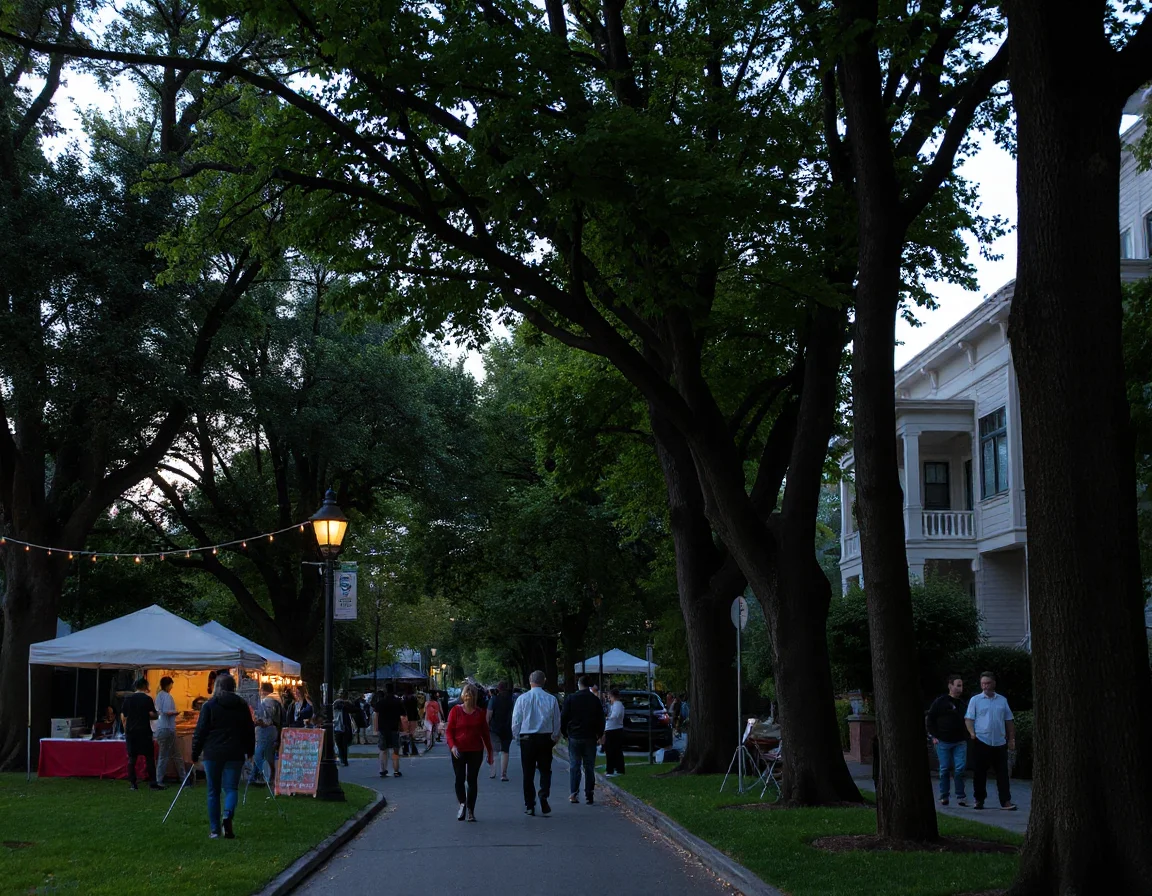
Some pockets feel quieter because they sit a few blocks off the main activity corridors, while others put everyday conveniences at the doorstep. Broadway is often the reference point for transit and retail access, but the neighborhood stretches well beyond that spine. Areas near 15th Avenue East, Volunteer Park, and the edges closer to Madison Valley or Eastlake can each offer a different rhythm, building style, and street experience.
For real estate, that translates into meaningful variety. You may come across vintage co-ops, condominiums in mid-rise buildings, modern apartments, townhomes, and detached houses with distinctive architectural details. Brick facades, covered porches, mature landscaping, and narrow lots are all part of the visual identity here, especially on the older streets that preserve Capitol Hill’s historic character.
In Capitol Hill, a difference of only a few blocks can change the feel of a listing dramatically, especially when transit access, street activity, and park proximity all intersect.
Anyone exploring the area should pay attention to slope, parking patterns, traffic flow, and how close a property sits to late-evening activity zones. Those practical details can matter as much as square footage when weighing whether a home fits your daily routine.
Parks and open space that shape the neighborhood
Capitol Hill’s green spaces do more than add scenery. They break up the urban density, create room for outdoor activity, and give the neighborhood some of its most memorable landmarks. Volunteer Park is the standout, with broad lawns, mature trees, walking paths, and a layout that makes it feel expansive even within the city grid. The Seattle Asian Art Museum anchors one edge, while the water tower and conservatory add a distinct historic note.
Cal Anderson Park plays a different role. More central to the denser core, it functions as an everyday gathering space with open lawn, sports areas, paths, and fountains. For people considering nearby housing, this park can be a major quality-of-life factor because it provides breathing room in a part of Seattle where blocks are otherwise tightly built. The immediate surroundings can feel more energetic, with easy access to transit and neighborhood businesses.
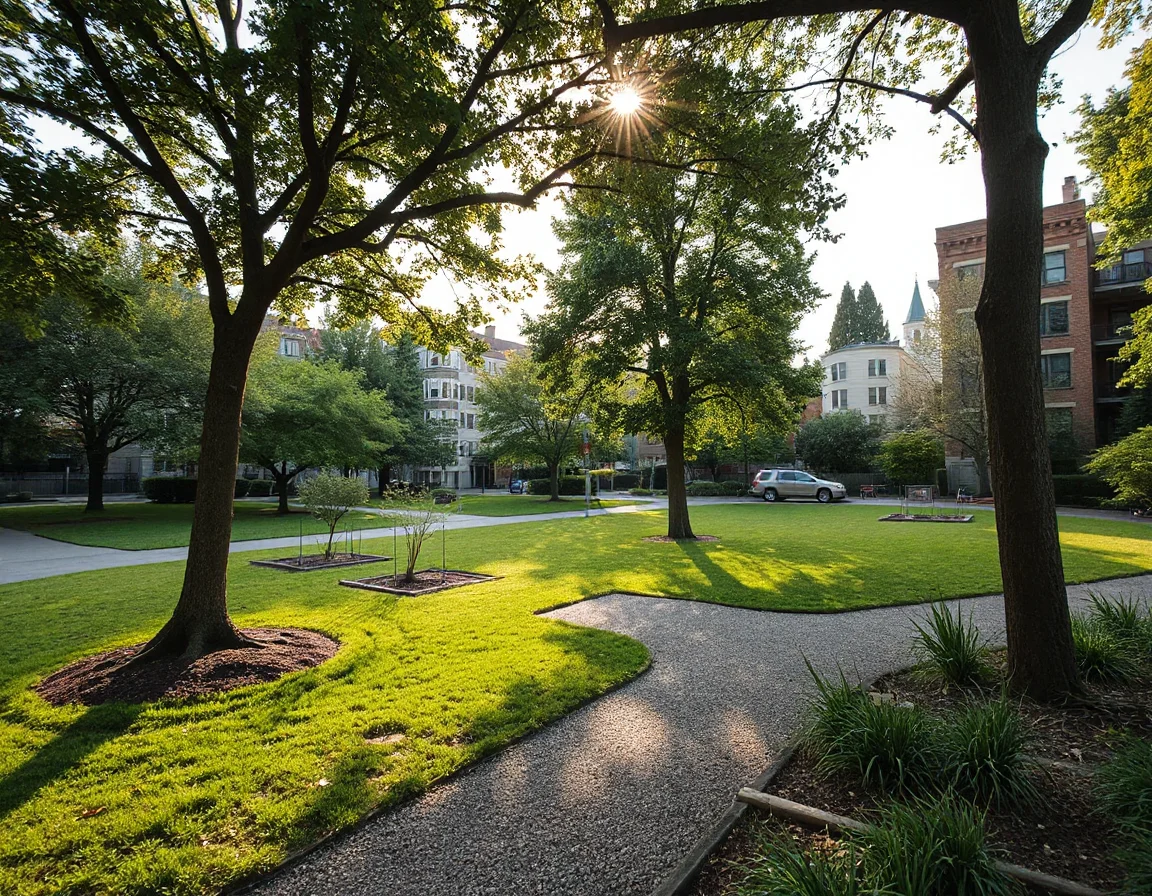
Smaller pocket parks and tree-lined residential streets add another layer. Even when a property is not directly next to a major park, access to planted medians, sidewalks with mature canopy, and nearby outdoor routes can make the neighborhood feel more balanced. In a market where many buyers want both urban access and places to step outside, that matters.
When touring homes, it helps to notice how the nearest park is actually used during the week versus on weekends. A property close to green space can feel connected and convenient, but the level of activity, event use, and pedestrian traffic may vary by location.
Volunteer Park and Cal Anderson Park serve different lifestyles within the same neighborhood: one leans historic and landscaped, the other more central and highly connected.
Transit access is one of Capitol Hill’s biggest advantages
Few neighborhood features influence daily life more directly than transit, and Capitol Hill performs well by Seattle standards. Link light rail makes travel to downtown Seattle, the University District, Northgate, Sea-Tac Airport, and other major destinations more straightforward. For people who prefer to reduce car dependence or simply want flexible transportation options, that connection is a major draw.
Bus routes add even more coverage, especially along major corridors such as Broadway, Madison, and 15th Avenue East. Because the neighborhood sits near downtown but retains its own distinct street network, the ability to move in multiple directions is especially useful. That can affect not only commute planning, but also how easily residents reach grocery stores, medical appointments, entertainment venues, and parks in other parts of the city.
Transit-rich locations may also bring tradeoffs worth weighing carefully. Buildings near major stops or arterial streets can have more street noise, more foot traffic, and tighter parking conditions than homes farther into the residential grid. A listing that looks equivalent on paper may offer a very different experience depending on whether it is one block from a station entrance or several blocks away on a calmer side street.
That is why in-person touring is so valuable in Capitol Hill. The neighborhood is walkable, but the topography, intersection patterns, and street intensity shift quickly. Timing a visit around the hours you expect to use the area most often can offer a clearer picture than photos alone.
Dining corridors and historic streets worth noticing
Capitol Hill is widely known for its dining scene, but the real takeaway for home shoppers is not simply variety. It is how the food and nightlife landscape organizes the neighborhood. Broadway remains a central corridor, while Pike/Pine brings some of the highest concentration of activity. Meanwhile, 15th Avenue East offers its own commercial rhythm, with a more neighborhood-scaled pattern in parts of the district.
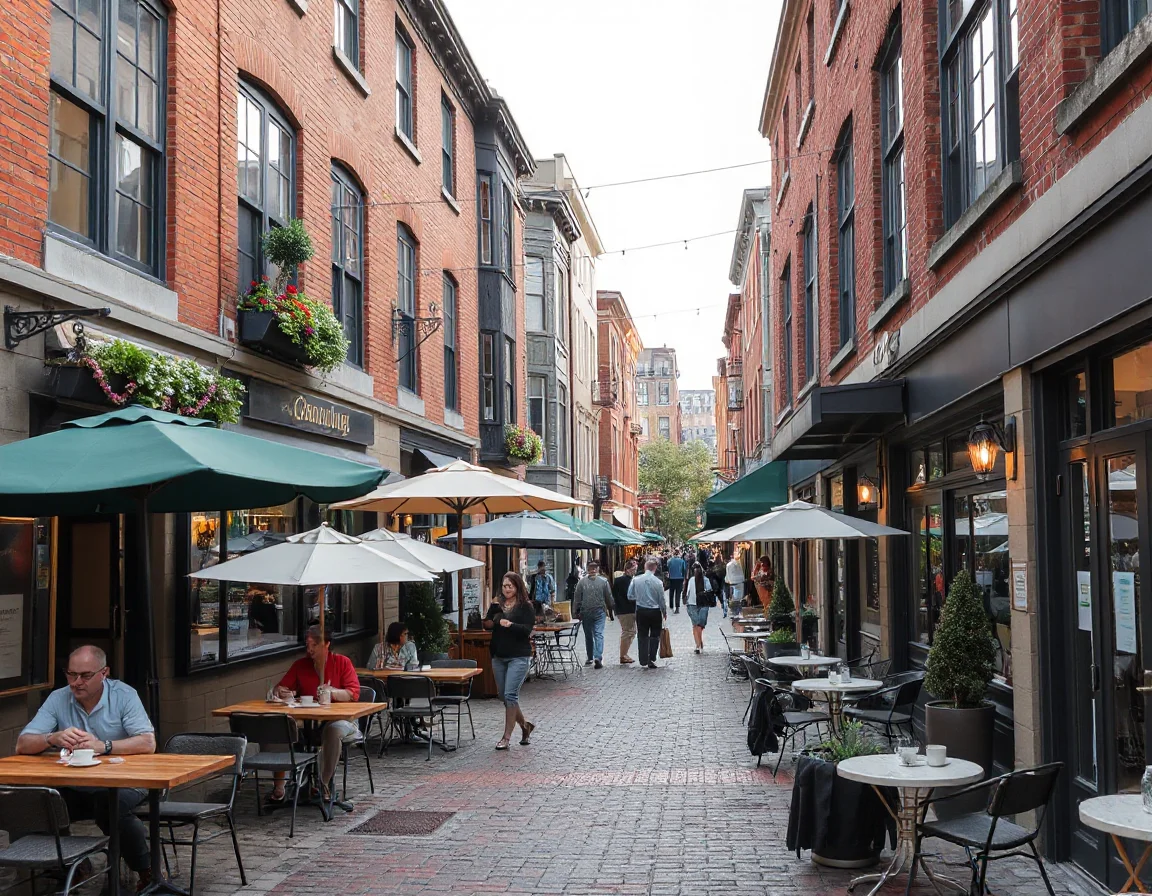
For buyers and renters, that means proximity can be either a primary benefit or a factor to moderate, depending on preferences around activity levels. Living very close to destination dining can make spontaneous evenings out easy and add energy to the streetscape. A few blocks of separation, however, may create a more residential feel while still keeping those amenities nearby on foot.
Historic streets are part of the appeal as well. Capitol Hill has many blocks where older homes, classic apartment buildings, and mature street trees create a strong visual identity that newer neighborhoods cannot easily replicate. Tudor, Craftsman, Colonial Revival, and brick multifamily buildings all appear here, often side by side with more recent construction. That contrast is one reason the neighborhood stays compelling in different market cycles: there is a built-in sense of texture and permanence.
When evaluating historic housing stock, it is smart to look past charm alone. Window condition, electrical updates, foundation work, HOA rules in older buildings, and long-term maintenance planning can all influence value and monthly costs. In a neighborhood with many character properties, these fundamentals deserve as much attention as original trim or period facades.
What home shoppers should keep in mind
Capitol Hill tends to attract steady interest because it offers a rare combination of central location, established character, transit access, and daily convenience. That can support resilient demand, especially for well-located homes near parks, stations, or architecturally distinctive blocks. Still, “best” depends on your priorities: easier parking, quieter streets, elevator buildings, historic charm, or immediate access to neighborhood activity can all point to different parts of Capitol Hill.
Approaching the search with a clear ranking of needs helps narrow the field quickly. Consider your ideal distance to rail, whether outdoor space matters, how much building age you are comfortable with, and how often you want to walk to dining or entertainment. In a neighborhood this varied, those answers can shape a much smarter search than filtering only by price and bedroom count.
Capitol Hill is at its best when you experience it block by block. The parks, transit options, dining corridors, and historic streets are not separate features; together, they define how the neighborhood lives. For anyone exploring Seattle real estate, that combination is exactly why Capitol Hill continues to stand out.