

A strong Bellevue listing launch is rarely about one dramatic upgrade. It comes from a practical sequence: address visible maintenance, make rooms easy to understand at a glance, and price from current local evidence rather than wishful thinking. This checklist can help sellers focus their budget and energy where buyers are most likely to notice.
Start With Repairs That Build Confidence
Before choosing paint colors or moving furniture, walk through the property as if you were seeing it for the first time. Bellevue buyers often compare several homes in a short window, and small unfinished items can become distracting when they appear repeatedly: a loose handrail, a sticking door, a dripping faucet, a burned-out exterior light, or worn caulk around a tub. These details do not always require major expense, but they can affect how carefully the whole home seems to have been maintained.
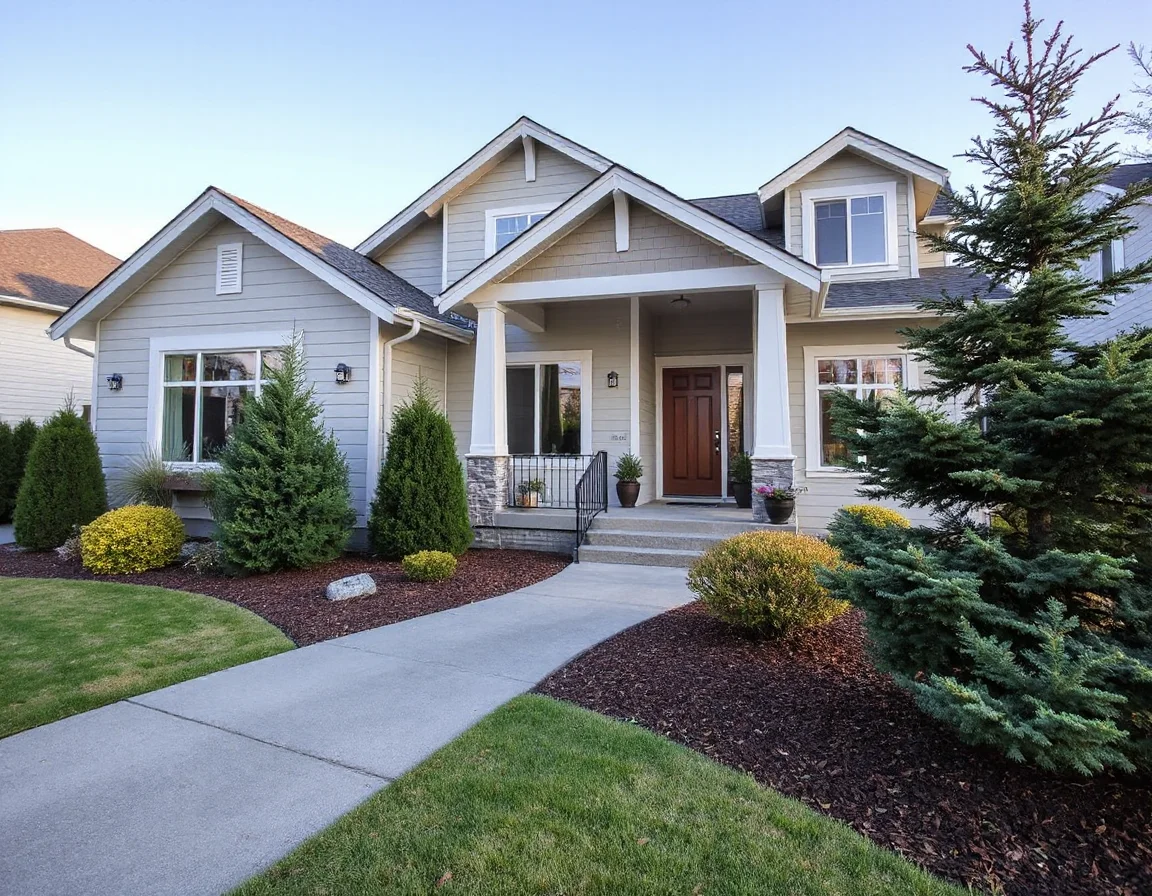
Begin outside. Trim overgrown shrubs away from walkways and siding, clear gutters where needed, touch up peeling paint, and make sure the address is visible from the street. Check the front door, porch light, and threshold, because the entry sets the tone before anyone steps inside. In the Puget Sound climate, buyers may also pay attention to moss, drainage patterns, roof condition, window seals, and signs of moisture around decks or exterior trim.
Indoors, prioritize function and finish. Repair obvious wall damage, replace mismatched switch plates, quiet squeaky hinges, and make sure every fixture works. A home does not need to be remodeled from top to bottom before listing, but it should feel cared for and ready for the next owner to evaluate. If a larger issue is known—such as an aging roof, plumbing concern, or electrical update—discuss the documentation, expected cost, and disclosure requirements with a real estate professional before deciding whether to repair, credit, or price around it.
A short repair list completed before photography can prevent minor details from becoming the focus of every showing and buyer conversation.
Keep records for recent work, including invoices, permits when applicable, appliance manuals, and service reports. This information can be useful during the transaction and helps create a clearer picture of the property’s history. Sellers should also review required disclosures carefully and answer based on their actual knowledge; a polished presentation should never replace accurate information.
Stage for Clarity, Light, and Everyday Function
Staging is not about making a home look unlike itself. It is about helping visitors understand the scale, flow, storage, and flexibility of each room. Start with editing: remove excess furniture, personal paperwork, crowded counters, and items that make a room feel smaller than it is. The goal is a clean visual path from one space to the next, with enough furnishings to show purpose without blocking natural movement.
Pay special attention to the rooms that usually carry the most decision-making weight: the entry, main living area, kitchen, primary bedroom, and outdoor living spaces. In kitchens, clear most counters while leaving a few simple, intentional accents. In living areas, arrange seating to define the room rather than lining every wall. For a room used as storage, a work area, or a hobby space, consider staging it to show one clear function so buyers can better understand its dimensions and options.
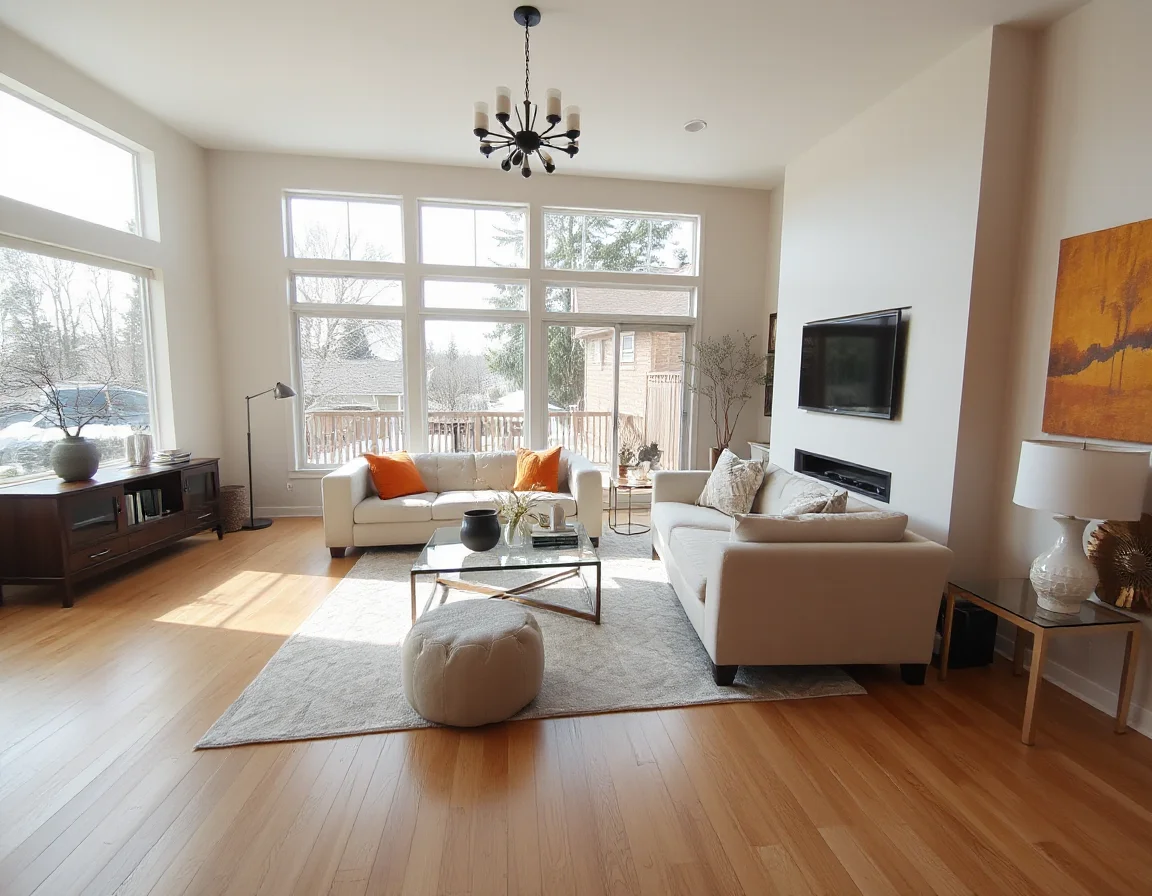
Light is a major part of the presentation. Open window coverings, replace dim bulbs with consistent warm-white lighting, and clean windows inside and out when possible. A professional photographer can work with the home’s best daylight, but sellers can make that process easier by removing magnets and notes from appliances, tucking away cords, and ensuring lamps, ceiling fixtures, and under-cabinet lights are operational.
Do not overlook closets, cabinets, garages, patios, and laundry spaces. Buyers often look closely at storage, utility areas, and maintenance features. Neatly organized shelves and partially cleared closets help convey capacity more effectively than a packed space does. For occupied homes, create a showing routine with a few quick steps: make beds, clear counters, secure valuables and sensitive documents, manage pet supplies, and leave enough time for the home to air out before appointments.
The most effective staging decision is often subtraction: fewer visual distractions allow room size, light, finishes, and storage to do the talking.
Price From Current Bellevue Evidence
Pricing is where preparation turns into strategy. A list price should reflect more than a broad online estimate or the highest sale in the area. It should account for recent comparable sales, active competing listings, pending activity, property condition, location characteristics, lot size, layout, updates, and the current pace of the Bellevue market. Even homes in the same general area can perform differently when their presentation, timing, and features differ.
Ask for a comparative market analysis that distinguishes between closed sales, current competition, and homes that did not sell. Closed sales show what buyers have recently agreed to pay; active listings show the choices buyers have today; withdrawn or expired listings can reveal where a price or presentation missed the market. Review the comparison carefully rather than focusing only on price per square foot, which can overlook important differences in condition, design, and usable space.
A thoughtful launch also considers timing. Listing when the home is fully repaired, cleaned, photographed, and ready for appointments is often more valuable than rushing online with unfinished tasks. The first days of exposure can generate meaningful feedback, and a property that enters the market with clear pricing and strong visual presentation gives buyers a more complete basis for comparison.
Be ready to adjust based on evidence, not emotion. If showings occur but feedback consistently points to condition, layout, or value concerns, revisit the strategy promptly. If activity is limited, look at the property’s online presentation, pricing position, availability for showings, and competing inventory. A timely response can be more effective than allowing a listing to sit without a plan.
Prepare the Details Before the Listing Goes Live
In the final week, confirm that the property information is accurate and complete. Gather utility information, warranty documents, homeowner association materials when applicable, survey or title documents available to you, and a concise list of notable improvements. If the home has smart devices, clarify which items will remain and reset or remove personal account access before closing. These small organizational steps can reduce last-minute questions later in the process.
For photography and showings, plan for consistency. Fresh towels, simple bedding, a clean sink, unobstructed views, and a tidy entry can make a meaningful difference. Avoid strong fragrances that may distract visitors; clean air and a neutral environment are usually the better choice. Exterior areas should be equally ready, with bins stored neatly, pathways clear, and outdoor surfaces swept.
Finally, decide what a successful sale process looks like beyond the number on the offer. Closing timeline, financing terms, inspection requests, contingencies, and the reliability of the overall offer all deserve consideration. With repairs handled, rooms presented clearly, and pricing grounded in local market evidence, sellers can enter the Bellevue market with a plan that supports informed decisions from listing day through closing.