
Ballard’s calendar is shaped by fresh food, working-waterfront views, and recurring neighborhood gatherings that make it easy to experience Seattle beyond the usual itinerary. From a Sunday market stop to summer seafood festivities and a walk near the locks or marina, these events offer useful local context for anyone exploring homes, businesses, or a new routine in northwest Seattle.
A Sunday Tradition with Local Flavor
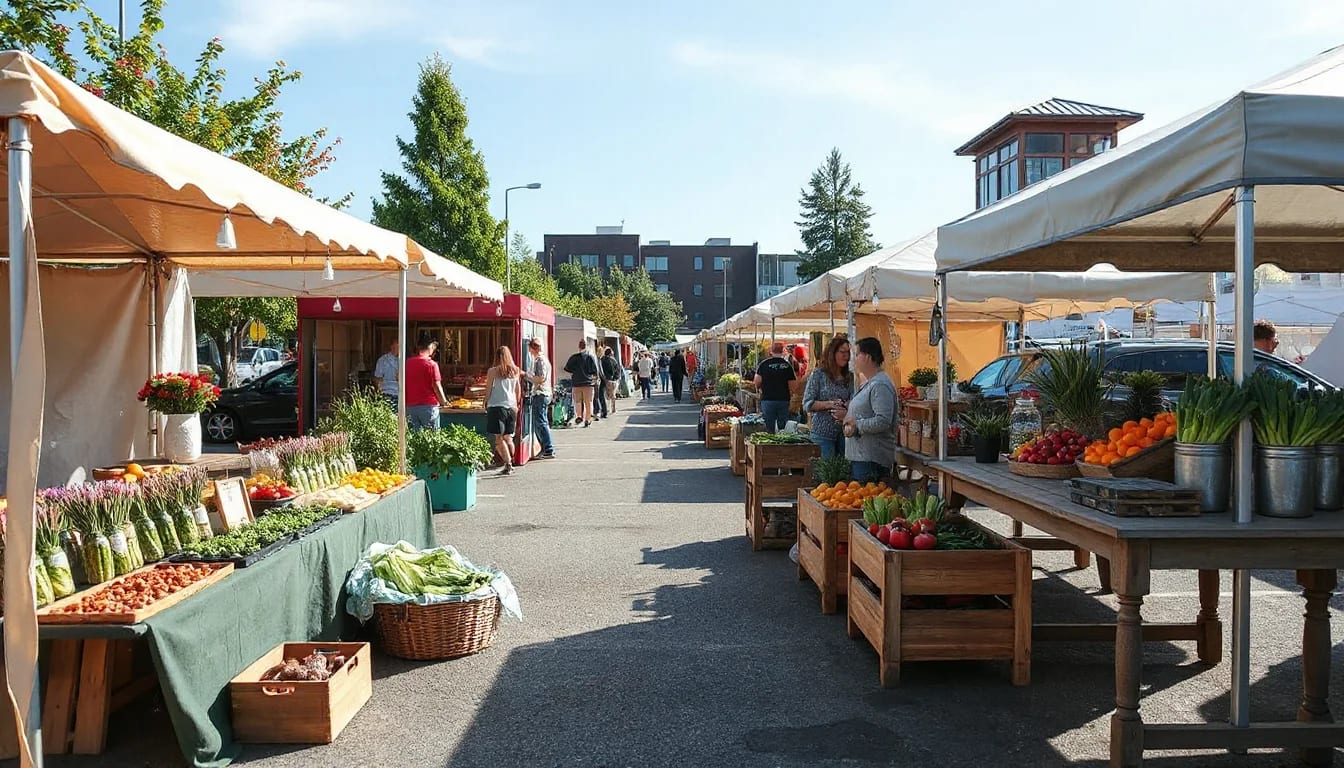
Ballard Farmers Market brings a steady rhythm to the neighborhood each Sunday, turning the historic commercial district into an outdoor gathering place for seasonal produce, baked goods, flowers, prepared foods, and products from regional makers. Operated as part of Seattle’s farmers market network, the market is known for connecting visitors directly with Washington growers and food producers. Exact vendors, hours, and seasonal offerings can change, so checking the current market schedule before heading out is always a practical first step.
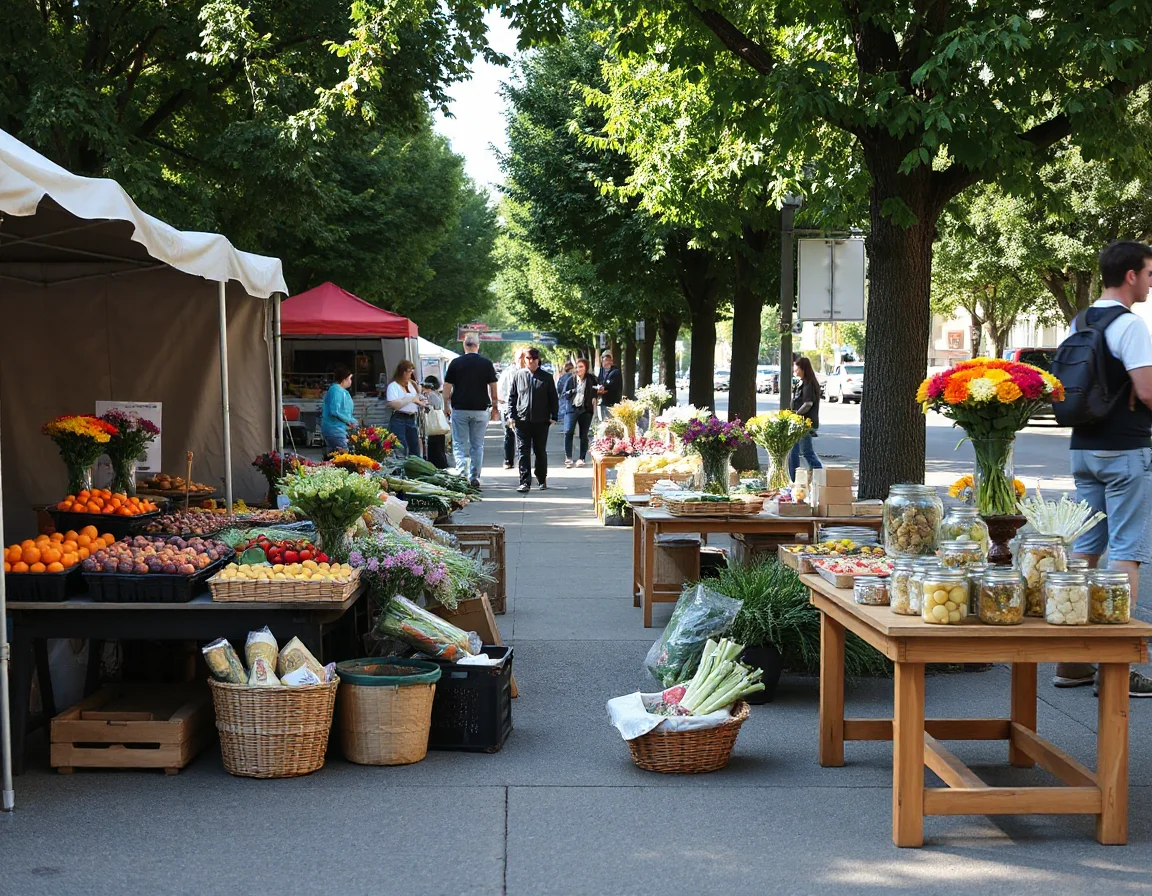
Arriving early can make the experience feel leisurely: there is time to browse the produce stands, compare ingredients, and wander nearby streets before the afternoon crowds build. Later in the day, the pace becomes more energetic, with market-goers carrying bouquets, coffee, and grocery bags through the surrounding blocks. That weekly pattern is part of what gives Ballard a recognizable sense of place—an ordinary errand can become an opportunity to spend time outdoors and notice what is in season around Puget Sound.
For people considering Ballard real estate, the market also illustrates the value of looking beyond a property’s interior. A home’s relationship to everyday destinations can affect how a routine feels, whether that means walking to a weekend event, using nearby transit, or making a short drive for groceries and waterfront recreation. During a showing visit, it can be helpful to explore the area on both an event day and a quieter weekday to understand traffic, parking, noise, and the changing tempo of the neighborhood.
The market is more than a Sunday stop: it is a useful way to observe Ballard’s pedestrian activity, nearby services, and seasonal street life at different times of year.
Food is a natural entry point into the area’s history. Ballard developed alongside fishing, maritime trades, and Scandinavian cultural influences, and those roots remain visible in its waterfront infrastructure, longstanding institutions, and annual celebrations. Market ingredients often tell a wider regional story as well, from Washington apples and berries to mushrooms, seafood, cheese, and greens grown within a manageable distance of Seattle.
Seafood Fest Connects Ballard to Its Maritime Past
Summer brings another well-known gathering: Ballard SeafoodFest, a community event that has traditionally combined seafood-focused food offerings with live music, local vendors, family-friendly activities, and a busy festival atmosphere. Event dates, programming, street closures, and access details can vary from year to year, so visitors should rely on official event announcements when making plans. Even outside festival weekend, the celebration’s focus reflects the neighborhood’s connection to the water and the working maritime economy.
Ballard’s waterfront is not simply a scenic backdrop. The nearby Hiram M. Chittenden Locks, fishing and recreational vessels, shipyards, and Shilshole Bay Marina all point to the active systems that link Lake Washington, Lake Union, Puget Sound, and the broader region. A stroll near the locks can reveal boats moving through the chambers, while the fish ladder viewing area offers a seasonal look at salmon migration. These public places provide a direct, tangible sense of Seattle’s relationship with its waterways.
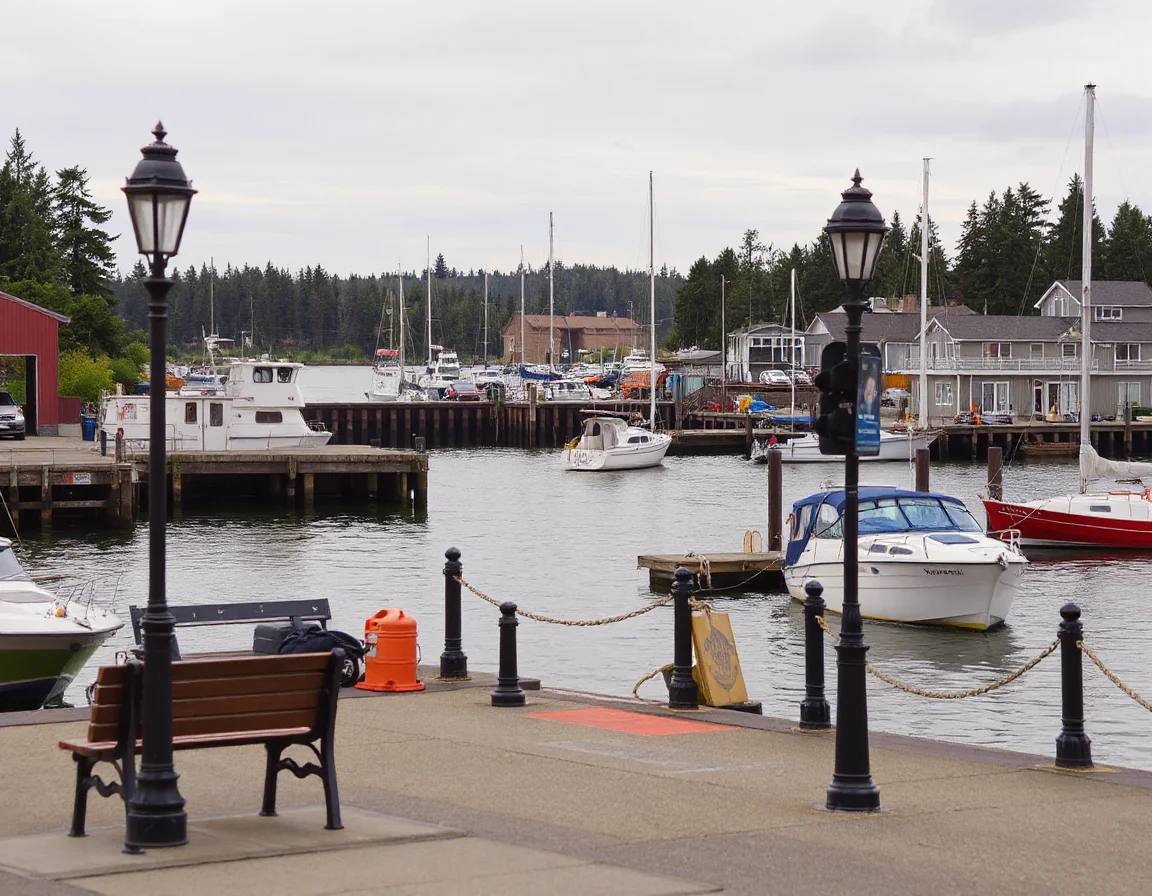
Festival weekends are excellent for sampling the neighborhood’s energy, but they are not the only time to explore the waterfront. A clear morning can be ideal for walking the Burke-Gilman Trail, observing activity around the locks, or taking in views around Shilshole Bay. On a gray day, the water, boats, and industrial details create a distinctly Northwest scene. The variety is one reason Ballard continues to attract interest from buyers, renters, business owners, and property investors looking for an urban area with access to parks, services, and shoreline amenities.
Anyone touring property near a major event corridor should ask practical questions. How are nearby streets used during festivals? What are normal parking conditions compared with event-day conditions? Are there planned transportation or construction projects in the area? These are not drawbacks or advantages by themselves; they are details that help a prospective buyer or tenant evaluate how a particular location fits their own preferences and daily needs.
Waterfront Events Worth Watching
Beyond the market and SeafoodFest, Ballard’s public calendar often includes boating activities, seasonal programming around the locks, art walks, music events, and neighborhood gatherings. The precise schedule shifts throughout the year, but the geography remains constant: the neighborhood offers access to trails, green space, the Lake Washington Ship Canal, and Puget Sound. Golden Gardens Park, located northwest of central Ballard, adds another waterfront destination with beach views, picnic areas, and open sightlines toward the Olympic Mountains on clear days.
For an event-focused outing, consider building a route rather than trying to see everything at once. Start with the farmers market, continue toward the historic core for a meal or coffee, then head west or south toward the water. This approach makes room for the small details that often define a visit: the sound of rigging at the marina, changing light on the canal, an unexpected public-art installation, or a quiet side street lined with older homes and newer residential development.
Ballard’s housing stock is varied, with detached houses, townhomes, condominiums, apartments, and mixed-use buildings appearing across different pockets of the neighborhood. Architecture ranges from early twentieth-century residences to contemporary infill and larger multifamily projects. That variety makes it especially important to compare location, condition, parking arrangements, building rules, outdoor space, and proximity to the destinations that matter most to you rather than assuming one part of Ballard will feel the same as another.
Explore Ballard at More Than One Pace
The best way to understand this corner of Seattle is to return at different times. Visit on a market morning for color and movement, on a weekday afternoon to gauge the everyday pace, and near sunset for a waterfront walk. Each visit reveals another layer of a neighborhood where maritime history, independent businesses, public gathering spaces, and active residential streets sit close together.
Whether you are planning a casual weekend outing or beginning a more serious home search, Ballard’s events offer a memorable introduction to the area’s ongoing rhythms. Bring comfortable walking shoes, allow extra time for parking or transit during major celebrations, and keep an eye on official schedules for current details. The reward is a fuller picture of a Seattle neighborhood that feels connected—to local food, to the water, and to the changing seasons of the Pacific Northwest.