
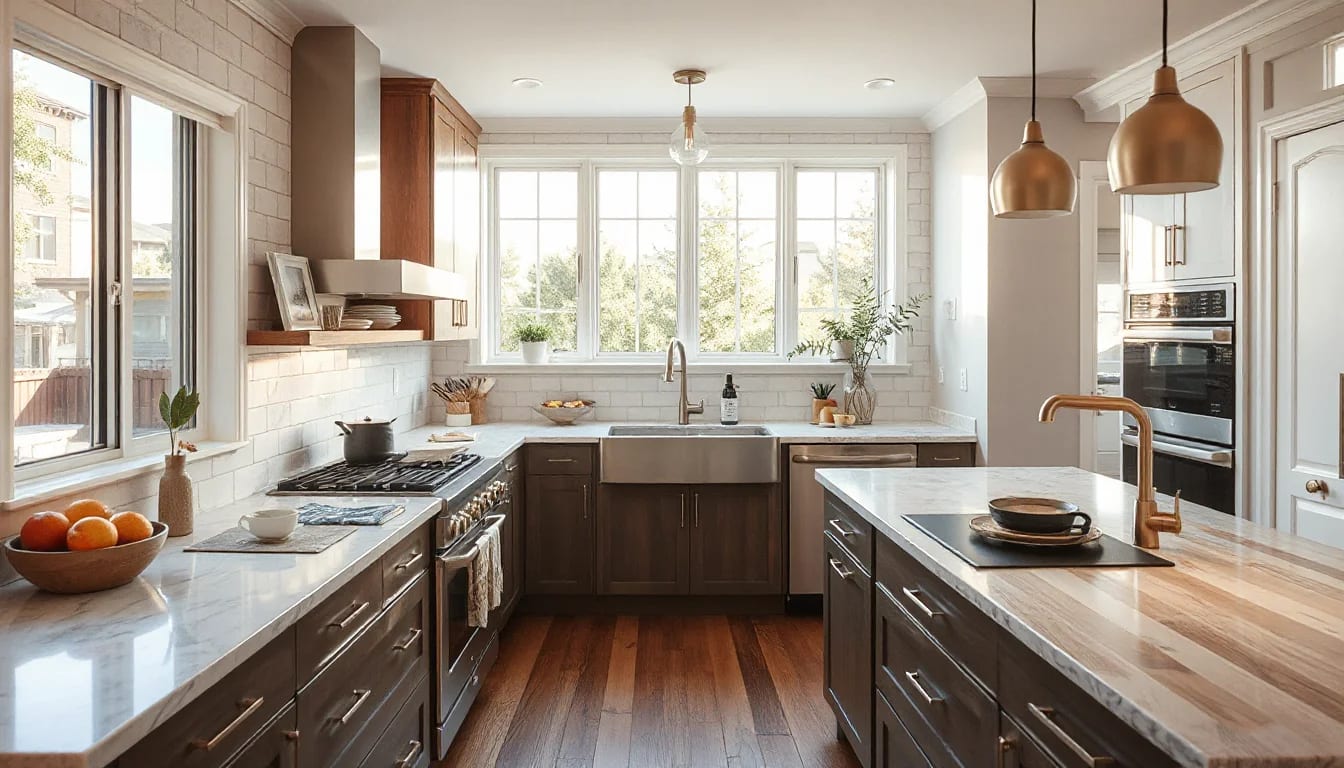
A kitchen refresh can help Seattle sellers make a stronger first impression without committing to a full renovation. The highest-impact updates are usually the ones that improve light, function, and visual consistency while respecting the home’s price range and condition. Start with a clear budget, focus on details buyers notice quickly, and make decisions that support the entire presentation of the home.
Start With the Kitchen Buyers See in the First 30 Seconds
In Seattle, kitchens often carry a large share of a home’s visual appeal. Whether the property is a compact condo, a classic craftsman, a mid-century home, or a newer townhome, this room tends to appear repeatedly in listing photos, video tours, and in-person showings. That does not mean every seller needs custom cabinetry or a complete layout change. It means the kitchen should look clean, cohesive, and ready for its next chapter.
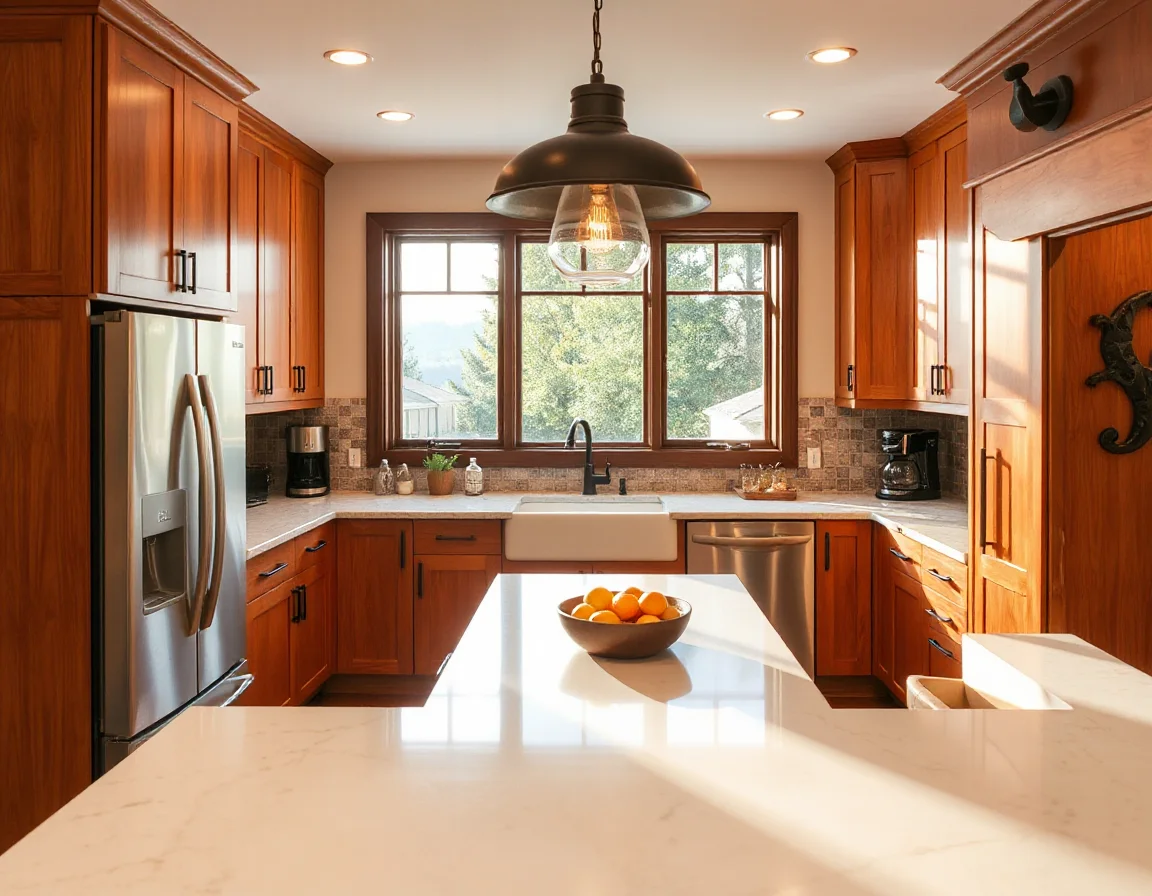
Begin with condition rather than trends. Cabinet doors that hang unevenly, chipped tile, worn caulk, greasy vent hoods, and dated light fixtures can make an otherwise functional kitchen feel neglected. Addressing those details is often less expensive than replacing major components, yet it can make the room feel noticeably more polished. A thorough cleaning, fresh grout, repaired hardware, and neatly organized counters are foundational steps before considering larger upgrades.
Paint is one of the most flexible tools in a pre-sale plan. Neutral, light-reflecting wall colors can help a kitchen connect visually with adjacent rooms, particularly in homes with older finishes or limited natural light. If cabinets are structurally sound but visually tired, professionally painted cabinets may offer a more measured alternative to replacement. Durable finishes and careful prep matter: visible brush marks, peeling paint, or unfinished edges can undermine the benefit of the update.
A coordinated kitchen usually photographs better than a collection of individual upgrades. Choose one finish direction for hardware, lighting, faucets, and accent details before purchasing anything.
Lighting deserves special attention in Seattle’s gray-season months, when a well-lit interior can feel especially inviting. Replacing a dated ceiling fixture, adding under-cabinet lighting, or selecting warm, consistent bulbs can make countertops and work areas easier to appreciate. The goal is not to make the room look staged beyond recognition; it is to show its practical surfaces, storage, and proportions clearly.
Where a Focused Budget Often Has the Most Impact
Countertops, backsplashes, sinks, and hardware are the finishes many buyers examine up close. Their condition can influence the perceived age of the room, even when the floor plan remains unchanged. Sellers do not always need to replace every surface, but it is worth considering how the existing materials work together. For example, an intact countertop may feel renewed with a simple backsplash, updated faucet, and streamlined cabinet pulls.
When replacement is appropriate, prioritize materials that are durable, easy to maintain, and visually suited to the home. Quartz remains a common choice because it provides a clean, consistent surface with straightforward care. But the best selection depends on the surrounding cabinetry, flooring, and price point. An expensive countertop paired with visibly worn cabinets can create an uneven result, while a modest but well-coordinated upgrade can feel intentional.
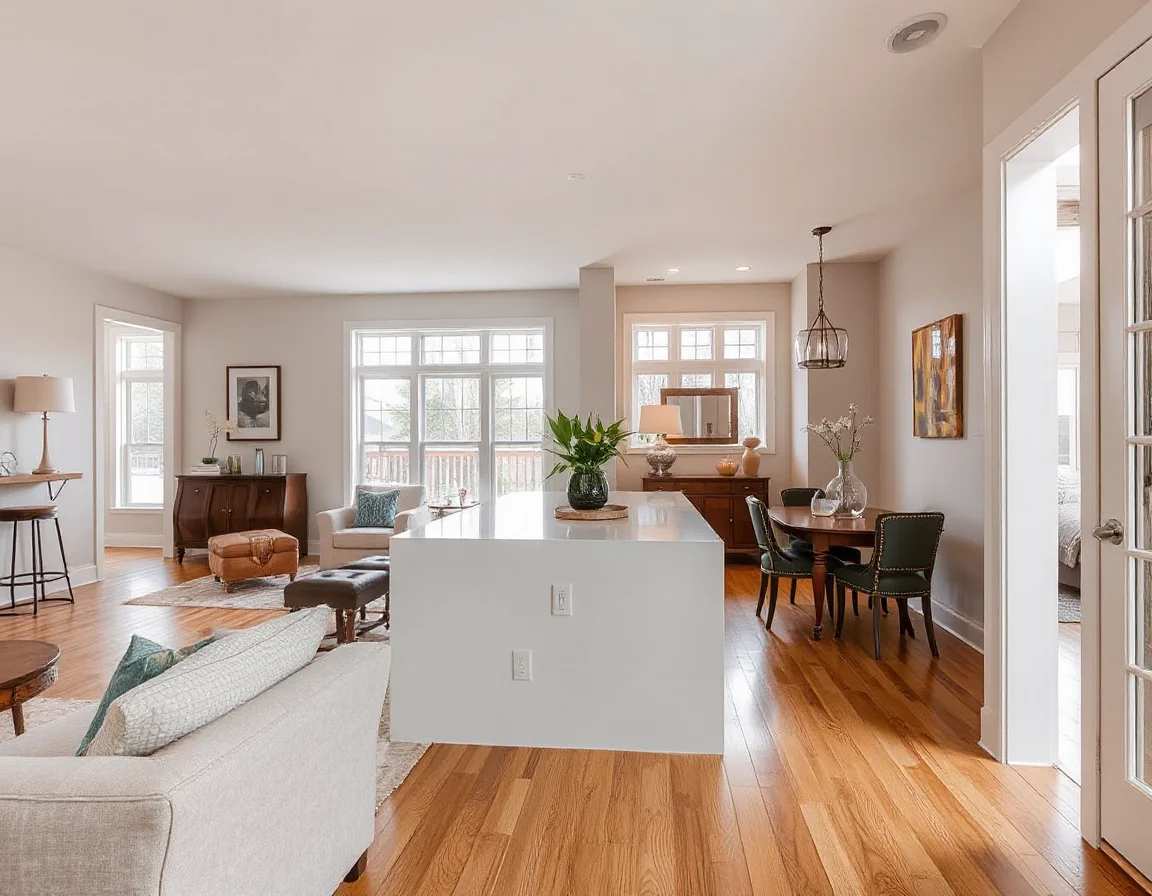
A faucet replacement can be a relatively contained project with outsized visual value. Look for a finish that relates to the cabinet hardware and nearby lighting rather than introducing a competing style. A deep single-bowl sink or a modern pull-down faucet may improve daily usability as well as appearance, but fit and installation quality should guide the decision. Plumbing changes can uncover additional needs, so it is wise to leave room in the budget for repairs that become apparent once work begins.
Appliances require a practical assessment. If the current set is clean, operational, and visually consistent, replacement may not be necessary. If one appliance is clearly failing or the finishes are mismatched, a coordinated update can make the kitchen look more complete. Avoid selecting an appliance package solely because it is on sale; dimensions, ventilation requirements, electrical capacity, and delivery timing all matter when a listing date is approaching.
Before ordering materials, confirm lead times and installation dates. A smaller upgrade completed cleanly before photography is generally more useful than a larger project still underway at launch.
Flooring is another decision where restraint can pay off. Refinishable hardwood, clean tile, or well-maintained resilient flooring may simply need professional cleaning and minor repair. If flooring is damaged beyond a reasonable repair, select a product that transitions smoothly to nearby spaces. An abrupt change in tone or height can draw attention for the wrong reasons during a walkthrough.
Match the Scope to the Home and the Current Market
The most valuable upgrade plan is rarely a one-size-fits-all checklist. A kitchen in a historic Seattle home may benefit from preserving original character while improving everyday performance. A contemporary condominium may call for simple finish updates and better lighting rather than structural work. Before setting a budget, compare the kitchen’s condition with similar homes currently available or recently sold in the relevant area, then consider the property’s overall presentation.
A full renovation can be worthwhile in some circumstances, especially when the kitchen has major functional limitations, water damage, obsolete systems, or a layout that prevents normal use. Still, larger projects involve permits, contractor schedules, material delays, and the possibility of unexpected expenses. Sellers planning to list in the near term should be cautious about expanding a project midstream. A clear scope and a realistic timeline help protect both the budget and the launch date.
It is also useful to consider what not to change. Highly personalized colors, unusual tile patterns, and specialty fixtures may reflect individual taste but can narrow the kitchen’s visual appeal. Neutral does not have to mean bland: warm wood tones, textured tile, soft contrast, and simple metal finishes can add character without overwhelming the room. The best result feels maintained and thoughtfully assembled rather than aggressively redesigned.
Professional photography should be part of the planning conversation, not an afterthought. Counters should be cleared of small appliances and excess décor, cabinet faces should be spotless, and lights should be consistent throughout the space. A few intentional details—such as a bowl of citrus, a simple plant, or neatly folded linens—can add warmth while allowing the materials and layout to remain the focus.
A Practical Pre-Listing Kitchen Checklist
Before putting the finishing touches on the room, walk through it as if seeing it for the first time. Open drawers, test lighting, look beneath the sink, and stand at the entry to note the overall impression. Small maintenance items can become more visible during an inspection or showing, so it is better to resolve them in advance when possible.
- Repair loose cabinet hinges, damaged drawer slides, and missing hardware.
- Clean or replace discolored caulk, grout, outlet covers, and switch plates.
- Confirm appliances, disposal, faucet, and ventilation operate as intended.
- Use consistent lighting temperatures throughout the kitchen and nearby living areas.
- Remove excess items from counters, refrigerator doors, and open shelving before photos.
- Keep receipts, warranties, and contractor records for completed work when available.
Thoughtful kitchen updates are not about chasing every design trend. They are about presenting a room that feels cared for, functional, and visually connected to the rest of the home. With a focused scope, dependable workmanship, and a strategy grounded in local competition, sellers can use the kitchen to support a confident, well-prepared listing.