

A condo’s purchase price is only one part of its financial picture. Reviewing reserve funds, recent repair history, insurance, and the possibility of special assessments can help you compare Seattle buildings with greater confidence and avoid costly surprises after closing. The key is to read the association documents as carefully as you read the listing details.
Why Condo Reserves Matter in Seattle
Condominium ownership combines a private home with shared responsibility for the building and common areas. Roofs, elevators, plumbing risers, exterior siding, hallways, parking structures, landscaping, and building systems all require ongoing maintenance. The condominium association, often called the HOA, collects regular dues to operate the property and set aside money for significant future work.
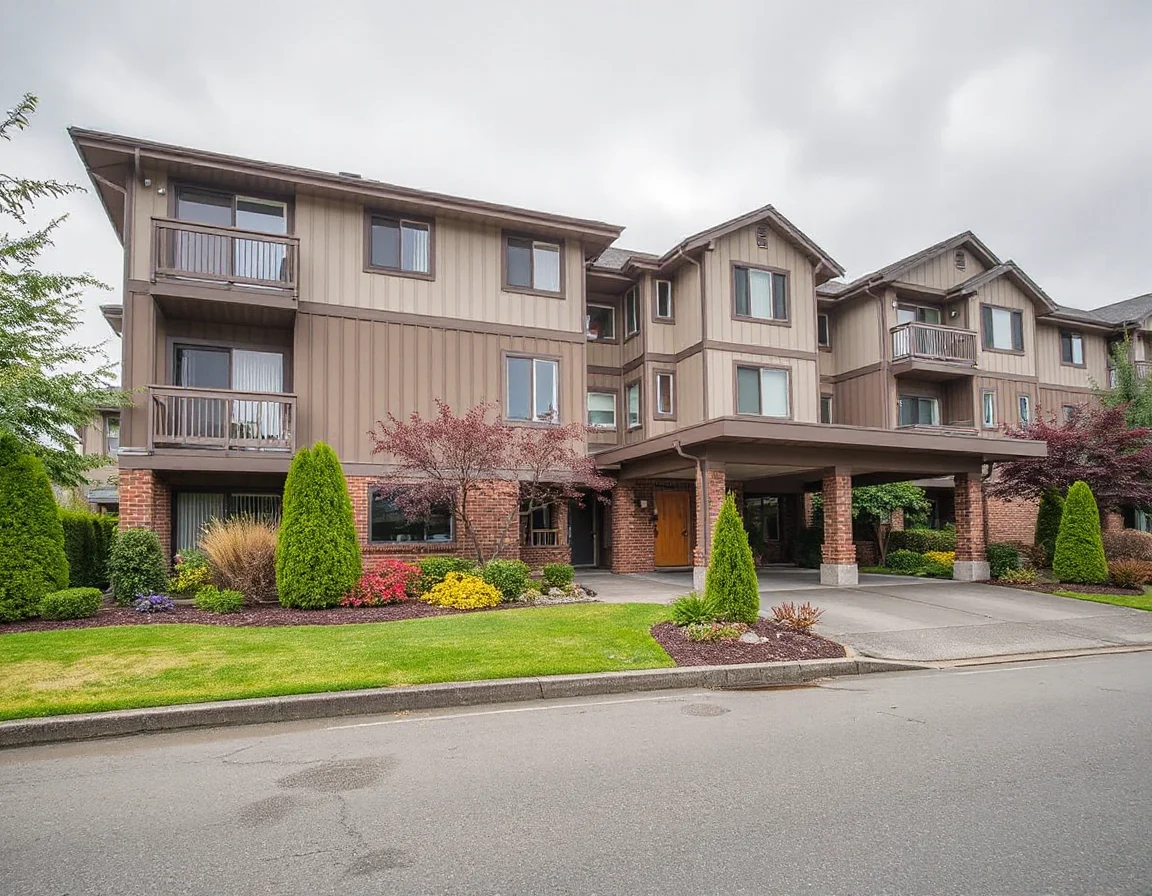
Reserve funds are the association’s long-term savings account. They are generally intended for predictable, major expenses that occur over time rather than routine monthly bills. A building may use reserves for projects such as replacing a roof, repainting exterior surfaces, repairing balconies, updating an elevator, or addressing aging mechanical equipment. The amount needed depends on the building’s age, construction, amenities, maintenance history, and anticipated repair schedule.
Seattle’s wet seasons and temperature changes make exterior maintenance especially important. Water management, roofing, flashing, drainage, balconies, windows, and building-envelope components deserve close attention in the documents for many properties. That does not mean every older building is a concern or every newer building is free from future costs. It means buyers benefit from understanding what has been maintained, what is planned, and how the association expects to pay for it.
A healthy reserve balance is useful context, but it is not a pass-or-fail number by itself. A building with lower reserves may have recently completed major work and may be rebuilding its fund. Another building may have a larger balance but also face a substantial upcoming project. The clearest picture comes from comparing the reserve study, financial statements, meeting minutes, maintenance records, and planned capital improvements together.
The most useful question is not simply “How much is in reserves?” Ask whether the current balance and future contributions align with the building’s expected repair schedule.
What a Reserve Study Can Tell You
A reserve study is a planning tool that identifies common components, estimates their remaining useful life, projects replacement costs, and recommends a funding path. Washington condominium associations may obtain reserve studies under state law, and the document can offer a valuable starting point for evaluating an association’s long-term planning. Studies are estimates, not guarantees, so their assumptions should be considered alongside recent building activity.
When reviewing a reserve study, look for the date it was prepared and whether it has been updated. Construction costs, material availability, labor expenses, insurance conditions, and project scope can change over time. An older study may still provide helpful background, but a current update is generally more useful when a major component is nearing its expected replacement window.
- Funding level: Review the projected reserve balance and recommended annual contributions rather than focusing only on today’s cash balance.
- Major components: Note the anticipated timing for roofing, siding, windows, decks, elevators, plumbing, garages, and other shared systems.
- Recent work: Compare the study with invoices, meeting minutes, or project updates that indicate whether planned repairs have already been completed.
- Assumptions: Consider whether projected costs and timelines seem current for the building’s condition and Seattle-area construction environment.
- Funding strategy: Determine whether the association intends to use reserves, increase dues, borrow, or levy an assessment when larger work is needed.
It can also help to distinguish between an association that is proactively planning and one that is merely reacting. Regular inspections, documented maintenance, transparent budgets, and clear communication about future projects are all practical signs that the board is working from a plan. Buyers should still conduct their own due diligence and discuss questions with qualified professionals, including their lender, inspector, attorney, or financial adviser as appropriate.
Special Assessments: What They Are and Why They Happen
A special assessment is an additional charge to unit owners beyond regular HOA dues. Associations may use assessments when reserves and operating funds are not sufficient for an unexpected expense, a major planned project, an insurance deductible, a legal obligation, or a repair that cannot reasonably be delayed. Assessments can be paid in a lump sum, in installments, or through association financing that is repaid over time through owner contributions.

An assessment is not automatically evidence of poor management. Even well-run associations can encounter urgent repairs, hidden conditions, storm-related damage, changes in insurance costs, or construction expenses that exceed earlier estimates. What matters is the surrounding context: the reason for the assessment, the total project scope, the payment schedule, the association’s communication, and whether the work is expected to resolve a clearly defined need.
Before making an offer, ask whether any assessment has been approved, proposed, discussed, or anticipated. Meeting minutes are often especially revealing because they may show conversations that have not yet appeared as a formal line item in the budget. Also review whether a current assessment will be paid by the seller before closing, credited at closing, assumed by the buyer, or handled another way under the purchase agreement. Terms can vary, so this should be addressed clearly in writing.
Pay attention to unusually low monthly dues as well as rising dues. Lower dues can be appealing at first glance, but they may not provide enough room for operating costs and long-range reserve contributions. Higher dues may reflect amenities, utilities, staffing, insurance, ongoing maintenance, or a deliberate effort to strengthen reserves. Comparing the full budget and services covered is more meaningful than judging a single monthly figure in isolation.
Meeting minutes can reveal the earliest signals of a major project: recurring leaks, engineering reports, bids being requested, or board discussion about funding options.
A Practical Document Review Checklist
Condo resale documents can feel dense, but a focused approach makes them manageable. Start with the most recent budget, balance sheet, income-and-expense statement, reserve study, insurance summary, governing documents, and at least several months of board meeting minutes. If the building has an active project, request relevant reports, bids, contracts, permits, financing details, and owner communications when available.
- Read the current budget and identify regular dues, utilities or services included, reserve contributions, and any unusual expense categories.
- Review the balance sheet for operating cash, reserve cash, receivables, loans, and other liabilities.
- Check meeting minutes for maintenance concerns, insurance discussions, rule changes, litigation disclosures, project planning, and assessment conversations.
- Compare the reserve study’s projected projects with the building’s known repair history and current conditions.
- Ask how the association handles delinquent dues, because unpaid assessments can affect the operating budget.
- Confirm the association’s insurance coverage and deductible structure with your insurance professional and lender.
- Evaluate the total ownership cost: mortgage payment, taxes, insurance, regular dues, parking or storage charges, and a reasonable cushion for future changes.
For a purchase involving a larger building, newer construction, a waterfront setting, extensive shared amenities, or an older structure with upcoming work, additional questions may be worthwhile. A real estate professional can help organize the document request and identify items that merit closer review, while specialists can provide advice within their respective fields. The goal is not to predict every future expense; it is to make an informed decision with the information available.
Compare Buildings, Not Just Individual Units
A beautifully updated unit can be compelling, but the association’s financial and maintenance picture is part of the property you are buying into. Two condos with similar layouts and list prices may carry very different long-term costs based on their reserve planning, dues structure, insurance profile, repair history, and future capital needs. Building documents provide the context that listing photos cannot.
Approach the review with curiosity rather than alarm. Well-documented maintenance, realistic budgets, current studies, and transparent communication can help clarify a building’s direction. When questions arise, get answers early, understand the relevant timelines, and factor the complete financial picture into your offer and planning. A careful review of reserves and assessments can turn a complicated document package into a stronger, more confident Seattle condo decision.