

Seattle roofs work hard through long wet seasons, wind events, moss-friendly shade, and occasional winter freezes. A few planned maintenance projects can help homeowners spot small drainage, flashing, and surface issues before they become interior repairs, insurance claims, or last-minute expenses during a sale.
Start With Water Management, Not Just Shingles
In the Puget Sound region, a roof’s job is not only to shed rain but also to move water away from the structure consistently. That makes gutters, downspouts, valleys, roof edges, and drainage paths just as important as the visible roofing material. When debris collects in these areas, water can back up beneath shingles, overflow near the foundation, or linger where wood trim and roof decking are most vulnerable.

A practical maintenance routine begins with a visual check from the ground after heavy weather. Look for overflowing gutters, downspouts that discharge too close to the home, branches rubbing against the roof, loose-looking metal flashing, or dark streaks that may indicate recurring moisture. If a closer inspection is needed, a qualified roofing professional can assess the condition without the risk of walking on a wet or fragile surface.
Gutter cleaning is often most useful after the heaviest leaf drop and again before the wettest part of the season. The timing varies by site: homes near large deciduous trees may need more frequent attention, while properties beneath dense evergreens may collect needles throughout the year. Downspout extensions and splash blocks can also help direct water away from siding and foundation areas, provided they are positioned to avoid creating drainage issues elsewhere on the lot.
A gutter that looks clear from the ground can still be blocked at a downspout elbow or roof valley. During rainfall, watch for overflow points and slow drainage rather than relying on a dry-day glance alone.
Roof valleys deserve special attention because they concentrate runoff from multiple roof planes. Leaves, needles, and moss can form a damp mat in these channels, slowing water and increasing the chance of deterioration around adjacent shingles or flashing. Keeping valleys clear is a modest project compared with repairing damaged decking, stained ceilings, or compromised exterior trim.
Address Moss Carefully and Protect the Roof Surface
Moss is a familiar sight across Seattle, particularly on shaded roof planes where sunlight takes longer to dry morning moisture. It may begin as a thin green film and gradually spread between shingle edges. Left unmanaged, heavier growth can retain moisture, interfere with normal runoff, and lift roofing materials over time. The goal is not aggressive scrubbing; it is thoughtful removal and prevention that preserves the roof surface.
Pressure washing is generally not an appropriate shortcut for most asphalt shingle roofs because it can remove protective granules and force water where it does not belong. Likewise, metal tools and harsh brushing can damage shingles, tile, or protective coatings. A roofing specialist can recommend a roof-compatible treatment and removal method based on the material, pitch, age, and visible condition of the roof.
Tree maintenance can support moss prevention as well. Selective pruning that reduces direct contact with the roof and improves airflow may help surfaces dry more evenly. Any pruning plan should consider the health of the tree, local rules, utility lines, and the long-term shade pattern around the property. Clearing branches also reduces abrasion during wind and helps limit the leaf and needle load that reaches gutters.
Homeowners should also inspect nearby exterior surfaces for clues. Moss and algae on fences, walkways, and shaded siding do not automatically mean the roof is failing, but they can signal a persistently damp microclimate. Regular exterior care allows maintenance decisions to be made early, rather than after moisture has moved from the roof into an attic, wall, or ceiling assembly.
Check Flashing, Penetrations, and Attic Ventilation
Many leaks originate at transitions rather than in the middle of a roof field. Flashing around chimneys, skylights, vents, plumbing stacks, dormers, and wall intersections must direct water outward as materials expand, contract, and weather. A small gap in sealant or a corroded flashing edge may not be obvious until water appears inside, sometimes far from the original entry point.
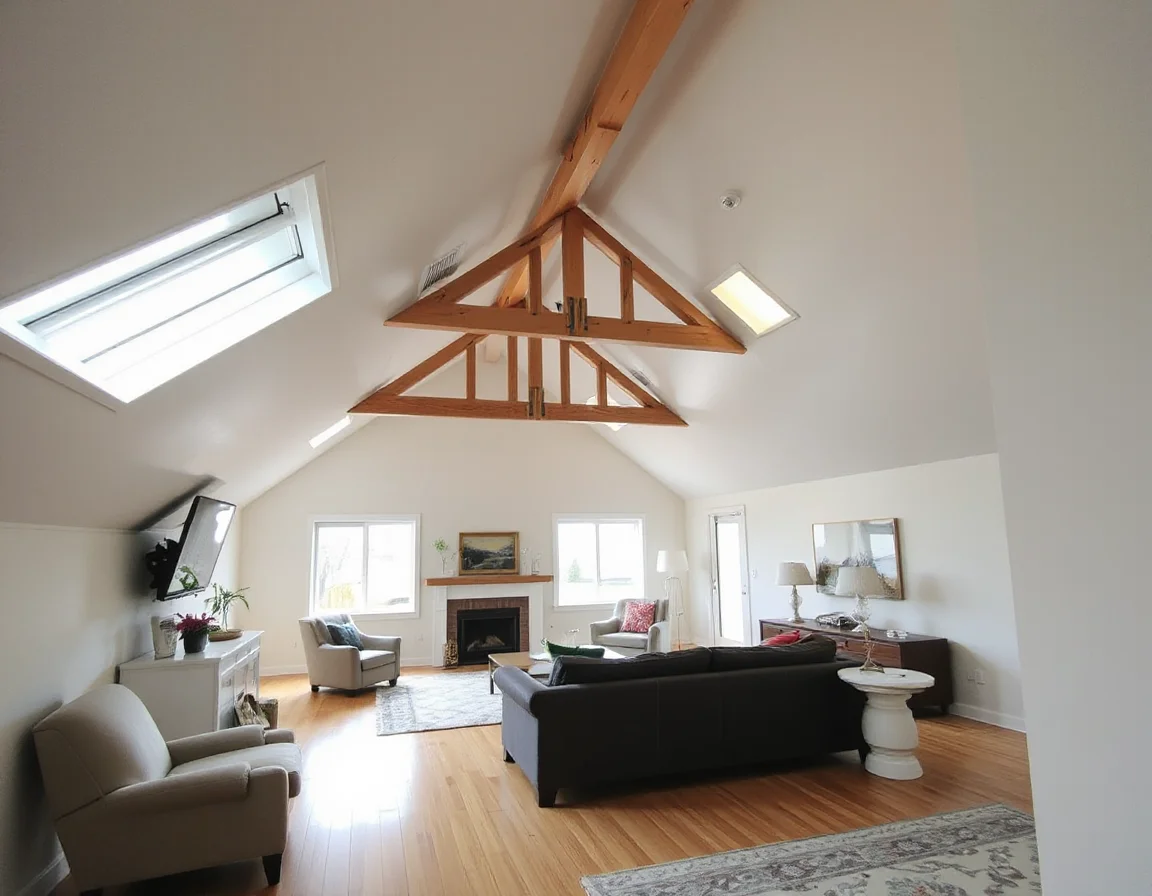
An attic check is one of the most useful complements to an exterior inspection. On a dry day, look for water stains, damp insulation, musty odors, daylight visible around penetrations, rusted fasteners, or darkened roof sheathing. These signs do not always identify the precise source of a problem, but they provide valuable information for a roofer or building professional. Documenting the location and taking dated photos can make it easier to track whether a condition changes over time.
Ventilation matters because roofs are part of a larger building system. Balanced intake and exhaust ventilation can help manage heat and moisture in the attic, while insulation and air sealing affect how indoor air reaches that space. Condensation can sometimes resemble a roof leak, especially during colder weather, so a professional assessment may distinguish between weather intrusion and an indoor moisture issue.
Water stains can remain visible long after the source has been repaired, but fresh staining, soft drywall, or active drips call for prompt evaluation. Early documentation helps a contractor compare conditions and prioritize the repair.
Skylights and chimneys deserve routine attention because they combine several materials and joints in one location. Watch for cracked sealant, loose cladding, missing shingles near the edges, or interior discoloration around the opening. Replacing sealant alone is not always the answer; the underlying flashing system, surrounding roofing material, and slope all influence whether water will shed properly.
Plan Repairs Before Listing or Before the Wet Season
Roof maintenance is easier to budget when it is treated as ongoing ownership rather than an emergency-only task. Keep invoices, inspection notes, warranty documents, photos, and records of any repairs in one place. This documentation can be helpful when comparing contractor recommendations, planning future capital improvements, evaluating a rental property, or preparing a home for sale.
For sellers, addressing known roof concerns before a listing can reduce uncertainty during inspections and create a clearer picture of the property’s condition. That does not mean every roof needs replacement before a sale. In many cases, cleaning, targeted repairs, updated flashing, or professional certification may be the appropriate next step. The right approach depends on the roof’s age, material, installation quality, visible wear, and the scope of any confirmed moisture issue.
When requesting estimates, ask each contractor to explain the source of the issue, the proposed repair method, the materials involved, permit requirements if applicable, and the expected warranty. It is also useful to clarify whether work includes related items such as flashing, ventilation, damaged decking, gutter work, or disposal. Comparable written scopes make it easier to evaluate proposals on more than price alone.
Seattle weather rewards steady attention. Clear drainage, careful moss management, intact flashing, and periodic attic checks can help protect a major part of the home’s exterior envelope. By scheduling maintenance while conditions are manageable, property owners can make decisions with more time, more information, and fewer unpleasant surprises when the next extended stretch of rain arrives.