
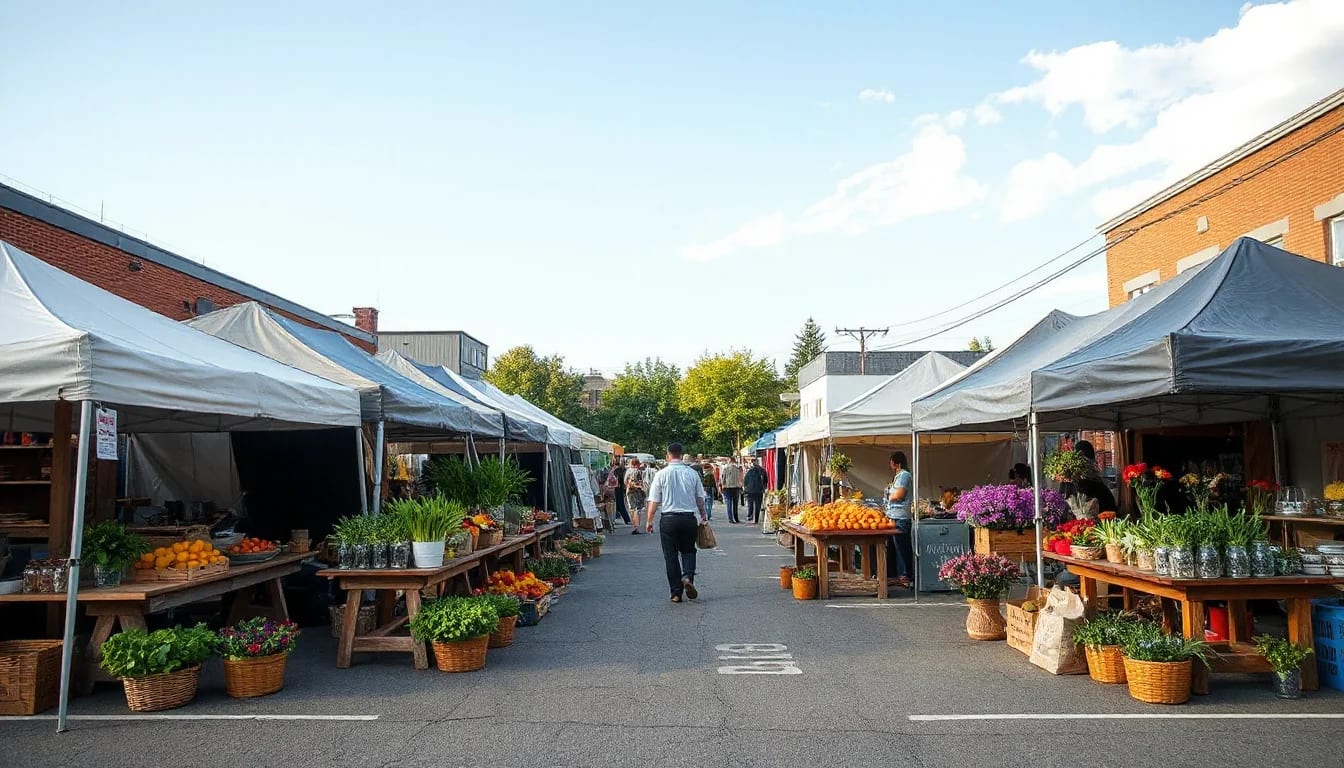
Seattle’s calendar is shaped by fresh produce, waterfront views, neighborhood gathering places, and creative events that shift with the seasons. Exploring farmers markets, street fairs, and festivals is a practical way to get to know the city’s distinct districts, plan a weekend, and notice the everyday amenities that make each part of Seattle feel different.
A City Best Explored One Event at a Time
Seattle rewards curiosity. A Saturday can begin with a coffee near a public market, move through a waterfront walk or a shaded park, and finish with live music, a seasonal food event, or an evening gathering in a neighborhood business district. While major attractions earn plenty of attention, recurring markets and annual festivals often provide a more useful view of daily rhythms: where people linger, how streets connect to parks and transit, and which local traditions return year after year.
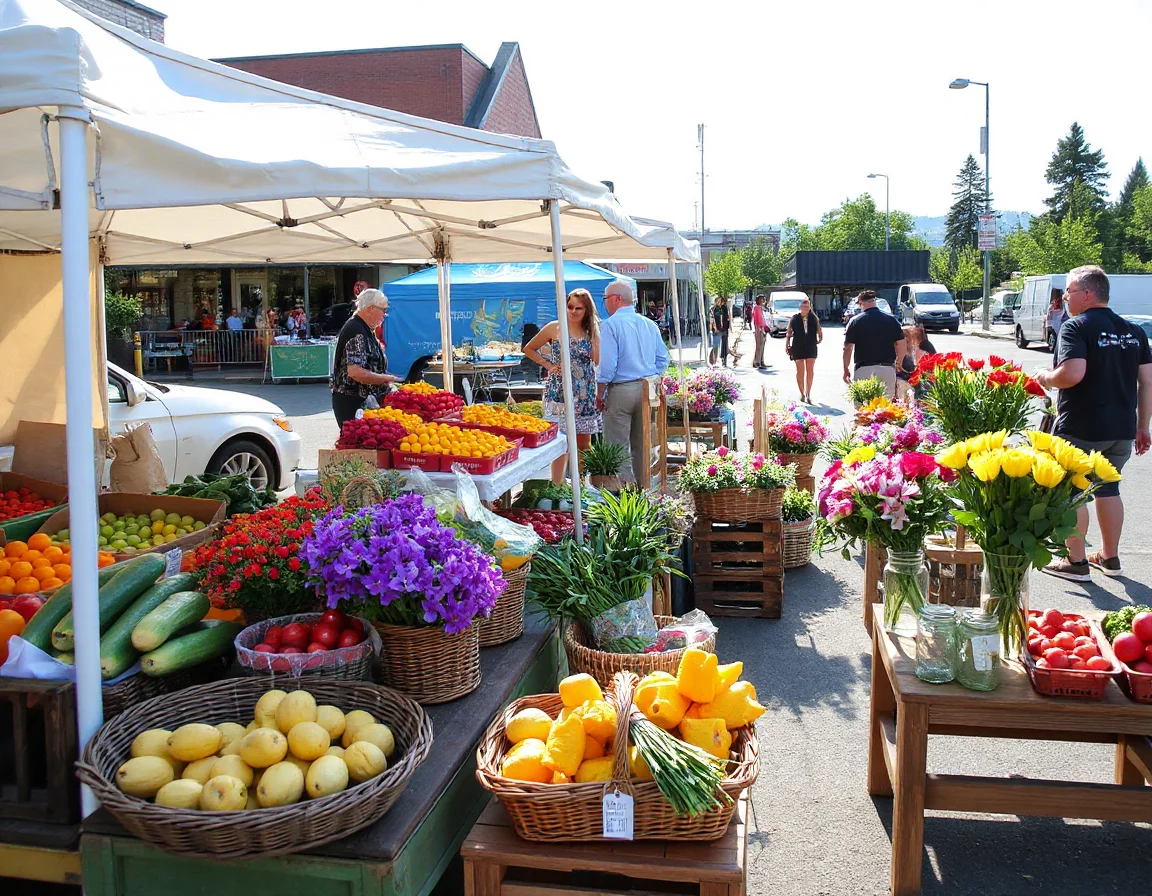
Farmers markets are an especially approachable starting point. Seattle’s market schedule changes throughout the year, with familiar options in and around Ballard, Capitol Hill, Columbia City, the University District, West Seattle, and other areas. Stands may feature Washington-grown fruit, vegetables, baked goods, flowers, seafood, and prepared foods, while nearby sidewalks and public spaces make it easy to extend a visit into a walk around the surrounding blocks.
For anyone researching a move, these outings can reveal details that listing photos cannot: the grade of a nearby hill, the character of a tree-lined route, available street parking, the distance to a transit stop, or the pace of a weekend morning. For current residents, they offer an easy ritual for shopping locally and discovering what is in season. Market schedules, vendors, and weather plans can change, so checking official event information before heading out is always worthwhile.
A market visit can double as a neighborhood research walk: arrive early, take a route away from the busiest blocks, and note how long it takes to reach parks, transit, and everyday services.
Seattle’s seasons show up clearly at the market table. Spring brings tender greens and early flowers; summer adds berries, stone fruit, and abundant bouquets; fall is known for apples, squash, mushrooms, and harvest events. Winter markets and indoor gatherings keep the tradition going even when rain is part of the forecast. A compact umbrella, comfortable shoes, and a reusable bag are simple additions that make spontaneous stops easier.
Street Fairs Turn Neighborhood Blocks into Gathering Places
When warmer weather arrives, street fairs create a different kind of city tour. Temporary road closures make room for local makers, food vendors, art displays, music, and activity areas, often stretching across several blocks. Events such as the Fremont Fair, the Capitol Hill Block Party, and summer celebrations in Ballard and West Seattle each have their own scale and atmosphere, but all invite visitors to experience a district on foot.
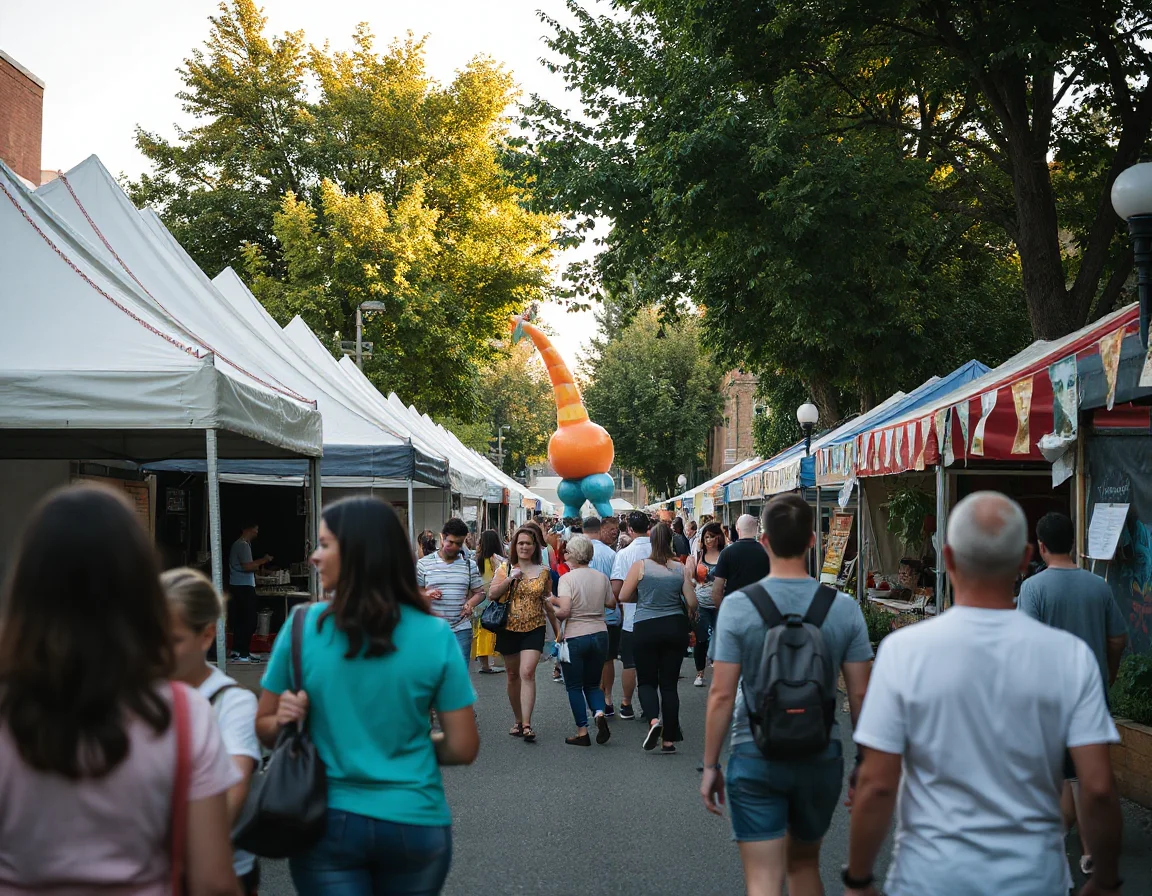
Fremont is often associated with playful public art, the Burke-Gilman Trail, and views near the Lake Washington Ship Canal. During its annual fair, the area’s walkable connections and public gathering spaces become particularly visible. In Ballard, visitors can pair a fair or market stop with a look at the historic commercial district, the Ballard Locks, or nearby waterfront routes. These are not interchangeable experiences; each illustrates how Seattle’s geography and neighborhood centers influence a day out.
Capitol Hill events bring a more urban setting, with frequent transit access and dense clusters of dining, entertainment, and community spaces nearby. West Seattle events offer a chance to explore the peninsula’s business districts, parks, and water views while considering travel time across the West Seattle Bridge. Rather than relying on a broad impression of “Seattle living,” spending an afternoon in several districts can help home buyers identify the routines and access points that matter most to them.
Street fairs also call for a little planning. Transit may be easier than driving during major events, and temporary closures can affect ride-share drop-offs, deliveries, and parking. Look for published maps, accessibility information, and event hours in advance. Arriving at the opening hour generally offers more room to browse, while later hours may be better for catching scheduled performances or enjoying the energy of a fuller crowd.
Annual events are a useful reminder that proximity is only one part of location: test the actual route, parking options, and transit connection at the time of day you expect to use them.
Explore Seattle area information
Festivals Connect Seattle to Water, Art, and Seasonal Traditions
Seattle’s festival calendar extends well beyond neighborhood streets. Waterfront celebrations, music events, film programs, cultural gatherings, and seasonal light displays give people reasons to return to familiar places in different months. The city’s setting between Puget Sound and Lake Washington also shapes the calendar: boating activity, shoreline paths, marinas, and public parks become natural backdrops for summer events and outdoor evenings.
Seattle Center is one of the city’s best-known event hubs, hosting large gatherings throughout the year amid public open space and iconic architecture. The area is served by Seattle Center Monorail access from downtown and is near several bus routes, which makes it a useful reference point for learning how central neighborhoods connect. A festival visit can easily include a stroll through Belltown, Lower Queen Anne, or the waterfront, depending on timing and energy.
For a quieter seasonal outing, many Seattle parks and waterfront paths offer room to pause between larger events. Green Lake, Discovery Park, Gas Works Park, Alki Beach, and Seward Park each provide different views and terrain. Conditions vary by season, and some areas can be busy during special events, but these public spaces help explain why outdoor access is a meaningful part of the region’s appeal. Checking park rules, transit notices, and weather forecasts can make the day more comfortable.
There is also a practical benefit to following the calendar over time. Repeat visits in rain, low winter light, peak summer activity, and shoulder-season calm provide a more complete sense of a location than a single sunny-day visit. People considering Seattle real estate can use events as a reason to revisit favorite areas, compare travel routes, and narrow down the amenities that fit their own priorities.
Make a Local Exploration Plan
A simple approach is to choose one market, one street fair, and one waterfront or arts event across different seasons. Build in time to walk a few blocks beyond the event boundary, stop in a park, and test a return trip by transit or car. Keep notes on what you enjoyed, including the pace of the area, nearby green space, architecture, and how easily the outing fit into the rest of your day.
Seattle’s markets and festivals are not just dates on a calendar; they are invitations to notice how the city works at ground level. Whether you are new to Puget Sound, planning a move, or looking for a fresh way to spend a weekend, these gatherings provide an engaging route into local food, art, recreation, and neighborhood character. Let the season guide the itinerary, and leave enough time for the discoveries that happen between scheduled stops.