
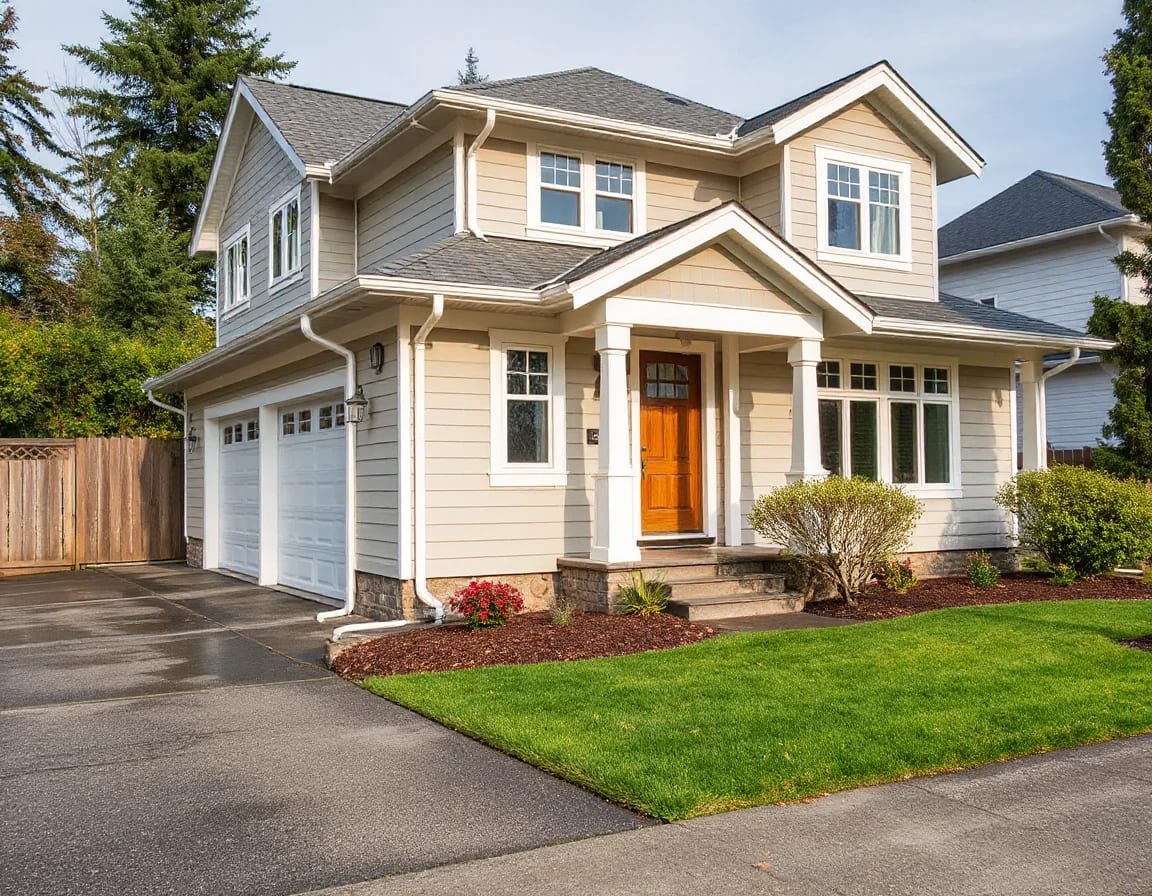
Seattle rain is part of the landscape, but water that repeatedly collects near a home can create preventable maintenance issues. A thoughtful drainage plan helps direct runoff away from foundations, preserve planting areas, and make outdoor spaces more usable through the wet season. The best improvements start with observation: where water starts, where it travels, and where it can safely finish.
Start With the Water You Can See
In the Seattle area, drainage is rarely a one-size-fits-all project. A property may have roof runoff, sloped planting beds, compacted soil, older downspout connections, or paved surfaces that all move water differently. Before selecting a drain, trench, or landscape feature, take a close look during steady rainfall and again a few hours afterward. Note standing water, overflowing gutters, damp areas near exterior walls, muddy pathways, and locations where mulch or soil has washed away.
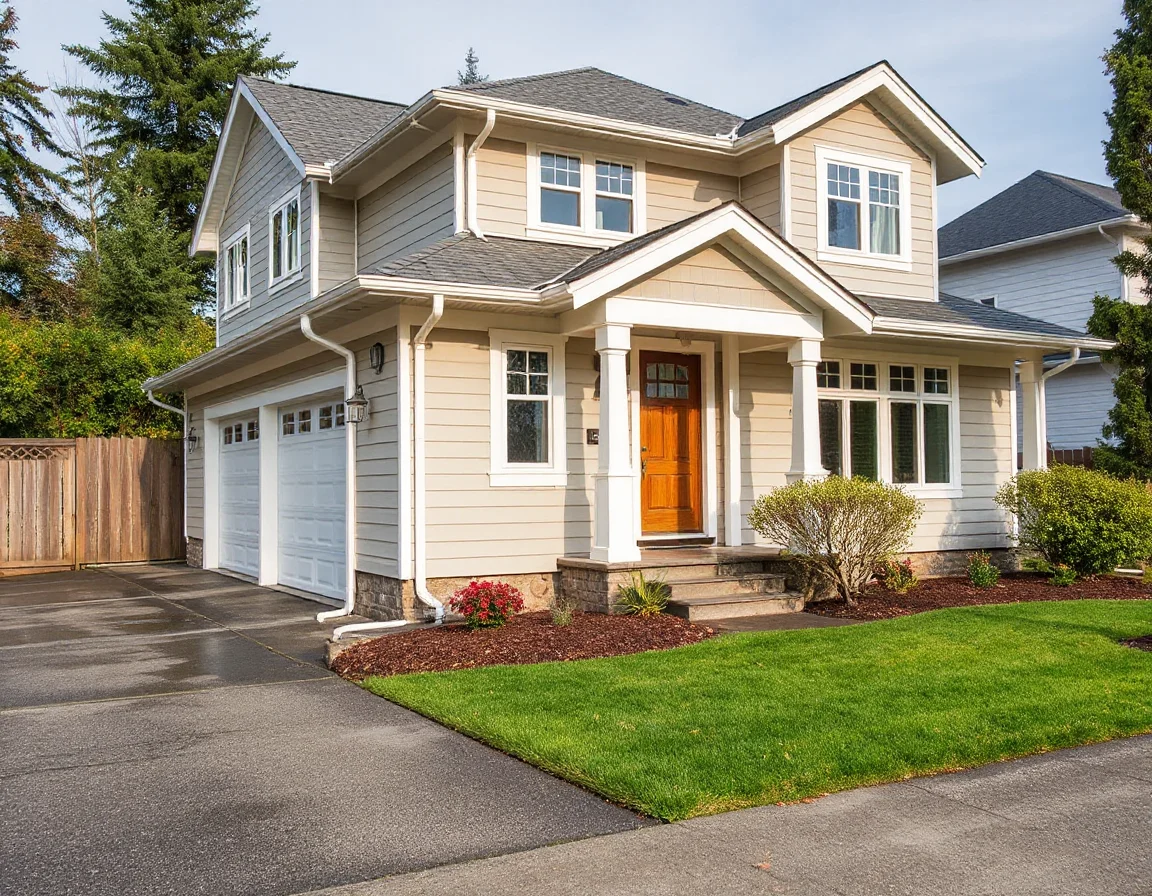
Roof water is often the first place to investigate. Gutters filled with needles, leaves, or roof debris cannot carry water efficiently, and short downspout extensions can release a concentrated stream immediately beside the foundation. Cleaning gutters on a regular schedule, confirming that downspouts are secure, and checking that water discharges to an appropriate location are practical first steps. The goal is not simply to move water faster; it is to move it in a controlled direction that does not create a new problem farther down the yard.
Pay attention to grading as well. Soil, mulch, patio material, and even repeated foot traffic can gradually alter the shape of the ground around a structure. Ideally, the finished surface near the home slopes away from the foundation so rainfall does not linger at the wall. If the grade has settled, a qualified landscape or drainage professional can help determine whether adding soil, reshaping a bed, or adjusting hardscape edges is appropriate.
A downspout that releases water only a few inches from the home can affect the same small area through every storm. Extending and directing that discharge is often one of the most visible maintenance improvements a property owner can make.
Seattle’s mix of mature trees, hillsides, clay-heavy soil in some locations, and frequent seasonal rainfall means that two nearby homes can need very different solutions. Keep the assessment focused on the property itself rather than relying on a neighbor’s setup. A simple sketch showing rooflines, downspouts, slopes, paved areas, and recurring puddles can make conversations with contractors clearer and help prioritize work.
Choose Drainage Improvements That Work Together
Effective drainage is usually a system of small, coordinated measures rather than one dramatic fix. Begin with basic maintenance, then consider upgrades based on where water is collecting and how the site is shaped. For example, downspout extensions may be enough for a small runoff issue, while a low point between a driveway and a planting area could call for a properly designed catch basin or channel drain.
- Gutter and downspout maintenance: Keep roof runoff moving freely and inspect joints, brackets, and discharge points.
- Surface grading: Shape soil and landscape edges to encourage water to travel away from the structure.
- Drainage swales: Use shallow, landscaped channels to guide surface water across an appropriate portion of the property.
- French drains: Consider perforated pipe and gravel systems where subsurface water regularly saturates a particular area.
- Permeable surfaces: Explore paving approaches that allow more rain to soak through rather than sheet-flow across a hard surface.
- Rain gardens: Use carefully selected, water-tolerant planting areas where site conditions and local requirements support them.
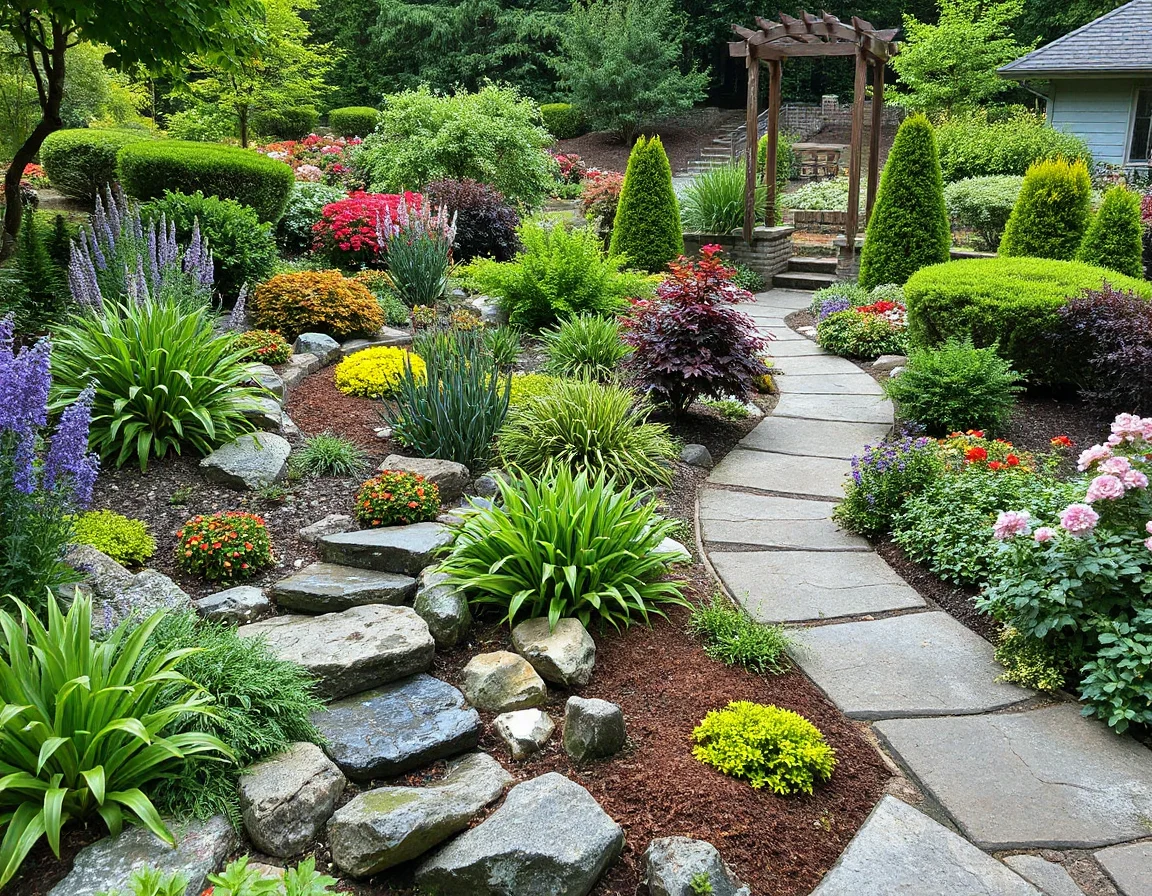
A rain garden can be a visually appealing part of a broader water-management plan, but it needs the right location and construction details. It should not be treated as a place to send water indiscriminately, especially near a foundation or where the soil drains poorly. A landscape professional can evaluate soil conditions, existing utilities, setbacks, overflow routes, and the amount of runoff involved before recommending a design.
Likewise, French drains can be useful when groundwater or persistent saturation is affecting a specific area, but installation depth, outlet location, pipe slope, and filter fabric all matter. A drain that has no reliable discharge path may fill with sediment or simply relocate the wet area. When projects involve excavation, confirm the location of underground utilities before digging and check current municipal requirements. Some work may require permits or approvals, particularly when drainage connects to public systems or affects runoff beyond the property.
Landscaping choices can support the system. Mulch helps moderate soil moisture and reduce erosion, but it should not be piled against siding or foundation walls. Dense root systems can help stabilize many planting areas, while strategically placed rock, edging, and ground cover can limit the movement of soil during heavy rain. The most durable designs balance water flow, soil health, access for maintenance, and the look of the outdoor space.
Protect Foundations Without Ignoring the Rest of the Site
Foundation protection is an important reason to improve drainage, but it should be considered alongside the entire property. Water may show up as a damp crawlspace, staining on a lower wall, algae on a walkway, or a lawn area that stays soft long after a storm. Each clue can point to a different source. A clogged gutter and a below-grade drainage issue may look similar from indoors, so a careful inspection is more useful than assuming a single cause.
Watch for changes over time. Doors that begin to stick, fresh cracks, recurring moisture odors, peeling finishes, or soil pulling away from hardscape may warrant a closer look. These signs do not automatically mean a major structural concern, but they are worth documenting and discussing with an appropriate licensed professional. Early attention can make it easier to address minor drainage or exterior maintenance needs before they become more involved repairs.
Drainage improvements are most effective when they include a planned overflow route. During intense storms, water needs a safe path even if a gutter, basin, or soil area is handling more runoff than usual.
For owners preparing to sell, drainage maintenance can also improve the clarity of a property’s presentation. Clean gutters, well-defined landscape edges, repaired splash areas, and dry, accessible exterior pathways help prospective buyers understand how the home has been cared for. Keep records for meaningful upgrades, including contractor invoices, warranties, design notes, and permit documentation when applicable. Those details can be useful during future maintenance planning as well as a sale.
A Seasonal Maintenance Plan for Seattle Properties
Drainage systems work best when they are checked regularly rather than only after a major storm. In autumn, clear leaves and needles from gutters, roof valleys, catch basins, and visible drain grates. During winter, inspect downspouts after heavy rainfall and look for water moving toward the structure. In spring, assess planted areas for erosion, replace displaced mulch, and check whether soil has settled around the foundation. Summer is a practical time to schedule more involved grading, drain cleaning, or landscape work while the ground is generally easier to evaluate.
Property managers and owners of investment properties may benefit from a simple inspection checklist for each site. Documenting recurring issues with dates and photographs can help identify patterns, coordinate maintenance, and communicate clearly with qualified service providers. For commercial or multifamily properties, a proactive plan may also include keeping walkways, drains, and outdoor common areas clear and accessible during wet weather.
Not every puddle requires a construction project, and not every drainage project needs to be large. The right next step may be as straightforward as gutter cleaning and a longer downspout extension, or it may involve a professional site assessment for a more persistent issue. By following the water, maintaining the components that already exist, and choosing improvements suited to the lot, Seattle property owners can help protect foundations, preserve landscaping, and keep outdoor areas ready for every season.