

A pre-listing repair plan is not about making every surface brand-new. It is about removing the small, visible concerns that can distract buyers, complicate inspections, or invite price negotiations. In Seattle’s varied housing stock, a focused repair list can help a property show with greater care and clarity from the first tour through closing.
Start With the Issues Buyers Notice First
Before listing a Seattle home, it helps to view it through the lens of someone seeing it for the first time. Buyers often form an opinion within minutes, then look for evidence that supports it. A sticky entry door, loose handrail, dripping faucet, scuffed trim, or damaged outlet cover may be inexpensive to address, yet each one can raise questions about maintenance throughout the home.
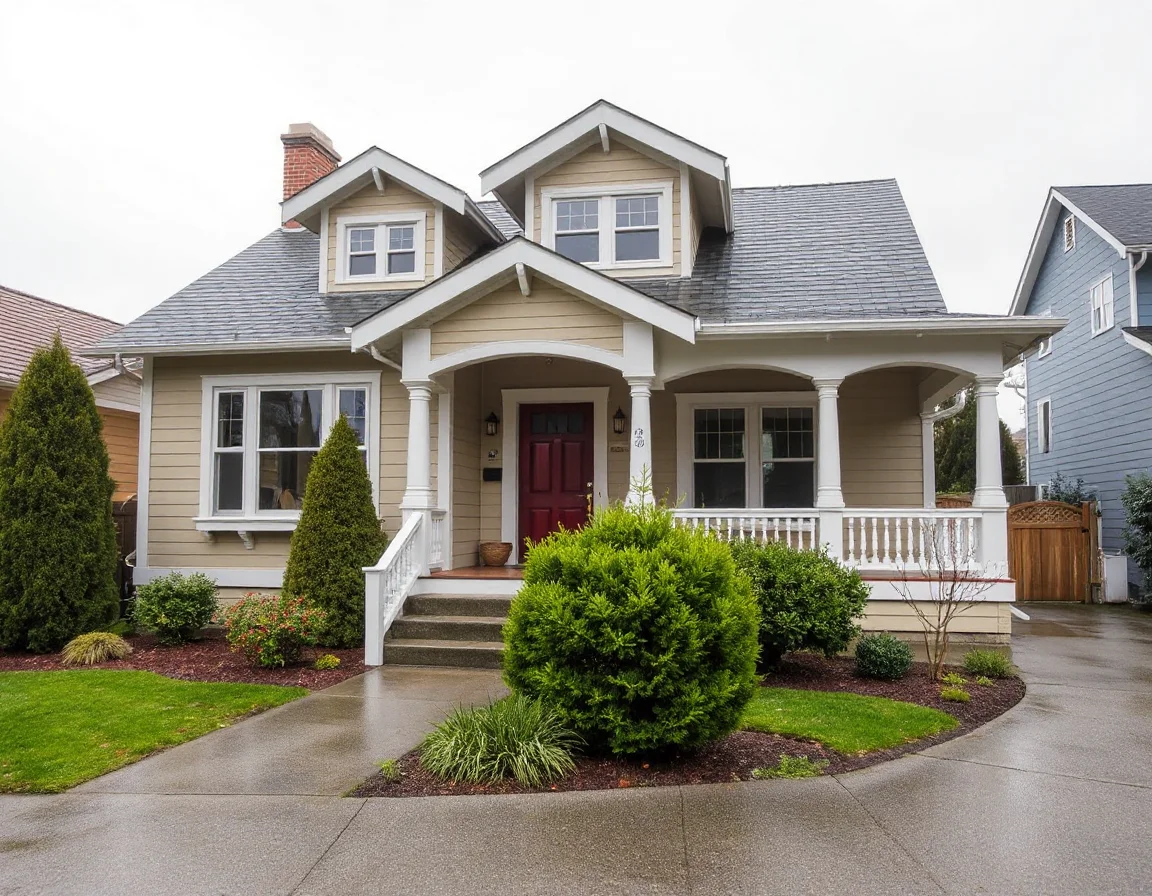
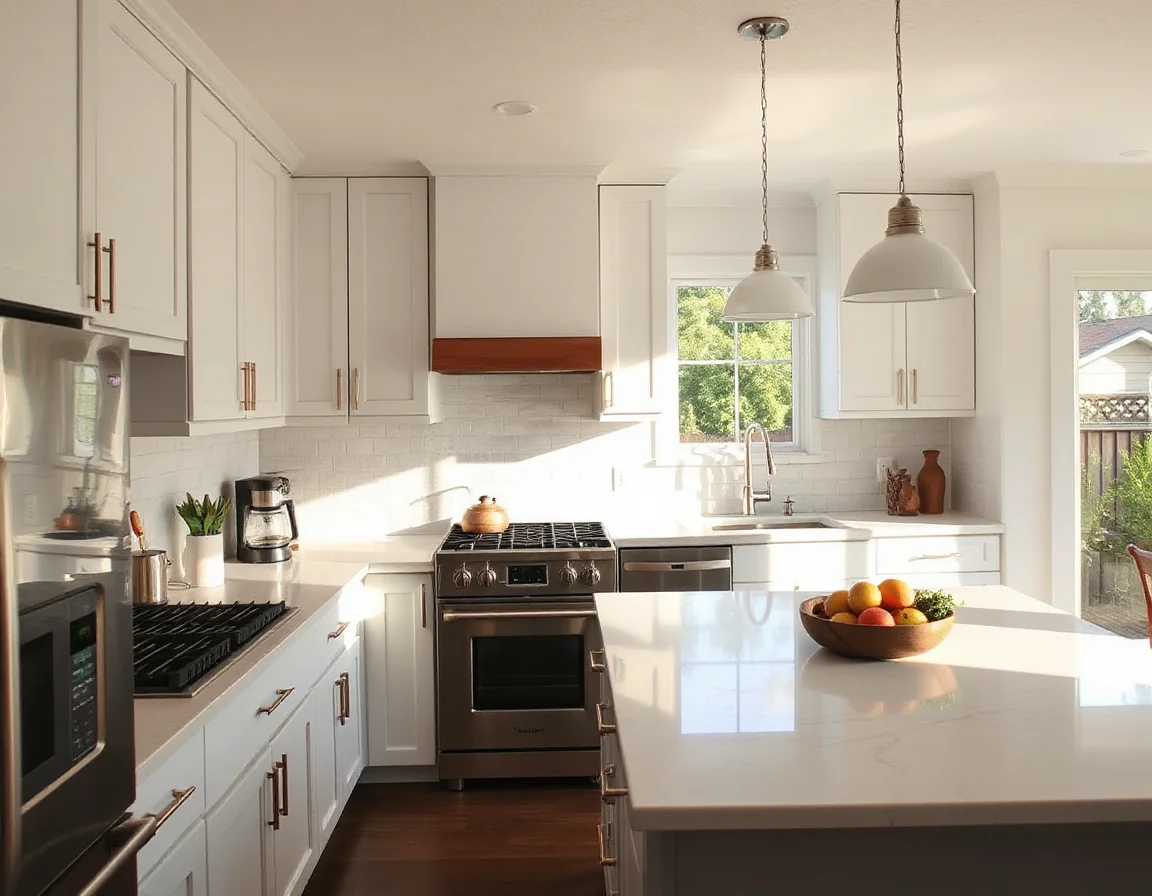
Deferred maintenance is usually more influential than cosmetic age. An older kitchen can still present well when cabinet doors close properly, caulk is intact, appliances are clean, and lighting works. By contrast, a recently remodeled room can lose impact when unfinished repairs are visible. The goal is to demonstrate that the home has been cared for—not to chase a renovation project that may not align with the likely return before a sale.
Begin outside. Seattle weather places steady demands on roofs, gutters, paint, decks, drainage, and exterior woodwork. Clear gutters and downspouts, reconnect extensions, remove moss where appropriate, replace deteriorated caulk, and repair loose steps or railings. Check visible siding, window trim, fences, and decks for peeling paint, rot, or fasteners that need attention. These details matter because buyers and inspectors commonly look closely at water management and exterior maintenance.
A short repair list completed before photography can be more effective than a long list left half-finished. Buyers tend to notice incomplete work immediately, especially around entries, kitchens, baths, and utility areas.
Inside, create a room-by-room checklist and test the basics: switches, fixtures, fans, doors, windows, locks, faucets, toilets, smoke alarms, and carbon monoxide alarms. Tighten loose hardware, replace burned-out bulbs with consistent warm lighting, touch up paint where it is visibly marked, and remove personal repair supplies from view. These are small tasks, but they help tours feel smoother and reduce the number of minor items a buyer may later raise during negotiations.
Prioritize Water, Safety, and Systems Before Cosmetic Upgrades
Not every repair deserves the same urgency. When budget and time are limited, focus first on concerns related to moisture, safety, and core systems. In the Puget Sound region, evidence of past or active water intrusion can draw more attention than nearly any other issue. Look below sinks, around toilets, beneath windows, at ceilings, in crawlspaces, and near basement walls for staining, active leaks, soft materials, or musty odors. If there is an active issue, consult an appropriately qualified professional rather than simply covering the symptom.
Pay attention to items that may become inspection findings: exposed wiring, missing electrical cover plates, loose toilets, slow drains, nonfunctioning exhaust fans, damaged weatherstripping, cracked glazing, and loose deck components. A pre-listing consultation does not eliminate the possibility of a buyer inspection, but it gives sellers time to decide what to address on their own schedule. It can also help separate a simple maintenance correction from a larger condition that deserves documentation, estimates, or a thoughtful disclosure discussion.
Mechanical equipment deserves a practical review as well. Replace HVAC filters, confirm that accessible shutoff valves are usable, clear the area around the water heater and electrical panel, and retain service records when available. If a furnace, heat pump, roof, sewer line, or other major component has been recently serviced or replaced, organized records can add useful context for buyers. Avoid representing a system as problem-free simply because it is working on listing day; accurate information is more valuable than broad assurances.
Cosmetic projects should come after these fundamentals. Fresh paint in a restrained, cohesive palette can help rooms photograph cleanly, while worn caulk in baths and kitchens should be replaced when it is cracked, stained, or missing. Consider repairing obvious drywall dents, replacing a broken blind, and cleaning grout or sealing surfaces where appropriate. These improvements support presentation without turning the pre-listing period into a full remodel.
Review seller preparation guidance
Make Smart Decisions About Larger Seattle-Area Repairs
Larger repairs require a different approach. Roof age, sewer scope findings, foundation movement, electrical updates, drainage work, and aging plumbing can affect both pricing strategy and buyer expectations. The right answer is not always “repair everything.” Sometimes a seller benefits from completing the work before listing; other times, documenting the condition and reflecting it appropriately in the overall strategy may be more sensible. The decision depends on the property, likely buyer feedback, contractor availability, timing, and the quality of the information available.
Seattle homes range from newer construction to historic properties with original details and systems that have been updated in stages. That variety makes generic advice unreliable. A repair that improves one property may have little value in another. For example, refinishing a sound hardwood floor may enhance presentation, while replacing an entire kitchen solely because finishes are dated may not be the most efficient pre-listing choice. Focus on condition, function, and consistency before making broad design changes.
For substantial work, collect clear invoices, permits when applicable, warranties, and before-and-after documentation. Organized records can help buyers understand what was done and when, without relying on assumptions during due diligence.
When comparing estimates, ask contractors to define the scope in writing and identify whether related repairs are likely to be discovered once work begins. A low estimate that excludes preparation, disposal, permits, or adjacent repairs can become less useful than a complete proposal. Build a modest contingency into the timeline as well. Seattle-area contractor schedules and weather conditions can affect exterior projects, especially during wetter months.
It is also wise to avoid repairs that create an unfinished look shortly before the home is photographed. Open walls, mismatched flooring, partially painted rooms, or materials waiting in the garage can undermine otherwise strong preparation. If a larger project cannot be completed to a professional standard before launch, discuss alternatives such as adjusting the scope, documenting the condition, or sequencing the listing plan around the work.
Turn Repair Work Into a Clear Listing Plan
A strong pre-listing plan ends with a final walkthrough. Stand at the curb, enter through the main door, and move through the home at a deliberate pace. Look for visual interruptions: clutter around mechanical areas, pet damage, worn bath mats, mismatched bulbs, overfilled closets, dusty vents, or window coverings that block natural light. These are not necessarily repairs, but they influence how completed repairs are perceived.
Keep the final list manageable. Divide tasks into three categories: items to repair before photography, items to clean or stage before showings, and larger conditions to evaluate with professional guidance. This approach helps sellers spend time and resources where they are most likely to improve the showing experience. It also reduces the pressure to make rushed decisions after an offer arrives.
A well-prepared home does not need to be flawless. It needs to feel functional, cared for, and straightforward to evaluate. By addressing visible maintenance, resolving active water or safety concerns, and documenting significant work, Seattle sellers can reduce avoidable buyer pushback and enter the market with a more confident, organized presentation.