
Bellevue brings together waterfront parks, a walkable city center, regional transit connections, and a history shaped by Lake Washington and the Eastside’s changing economy. Whether you are comparing neighborhoods, planning a day out, or considering a move, exploring how these pieces connect offers a useful view of daily life in this evolving Puget Sound city.
A City Center Built Around Open Space
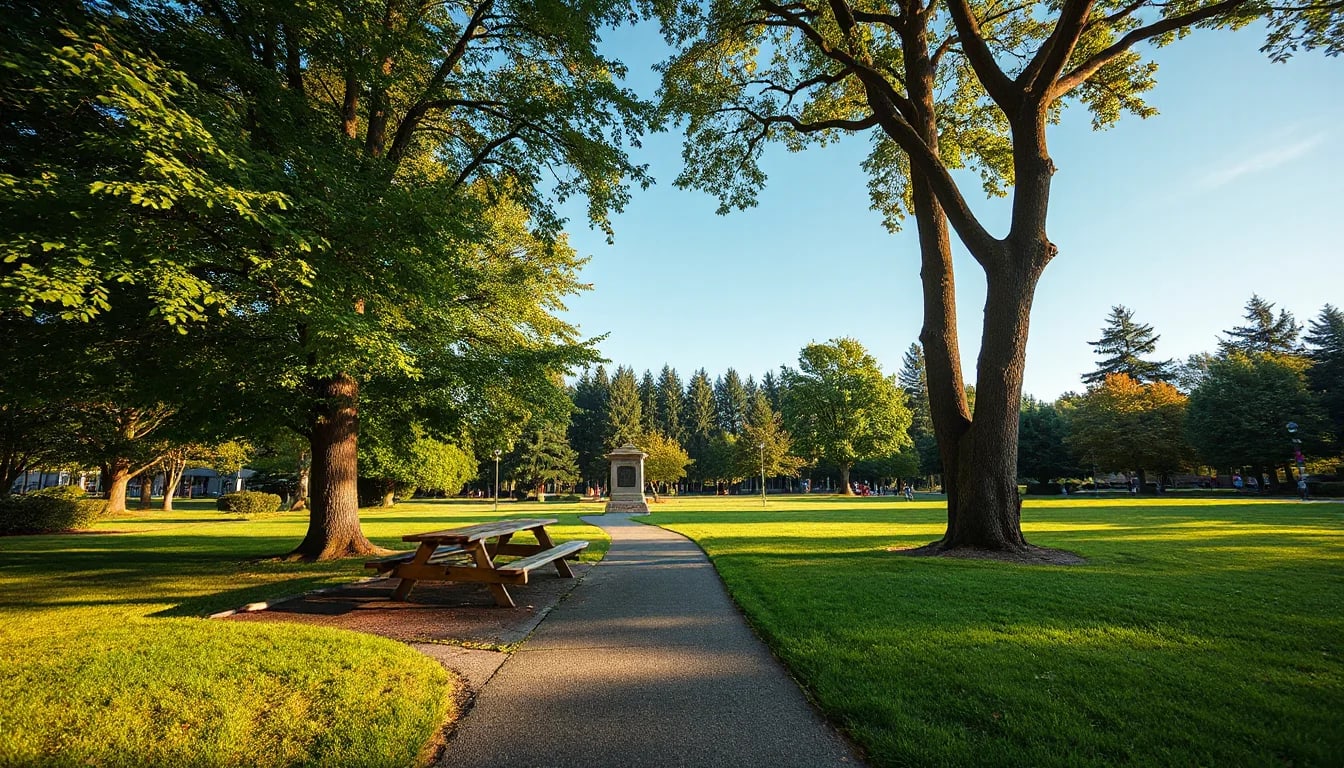
Bellevue’s built environment is often discussed in terms of offices, high-rises, and regional commerce, but its public spaces tell an equally important story. Downtown Bellevue Park anchors the center of the city with broad lawns, walking paths, mature trees, and a circular promenade that creates room for a quick break, a longer walk, or a community event. The park’s location makes it an easy point of reference when exploring nearby residences, workplaces, services, and cultural destinations.
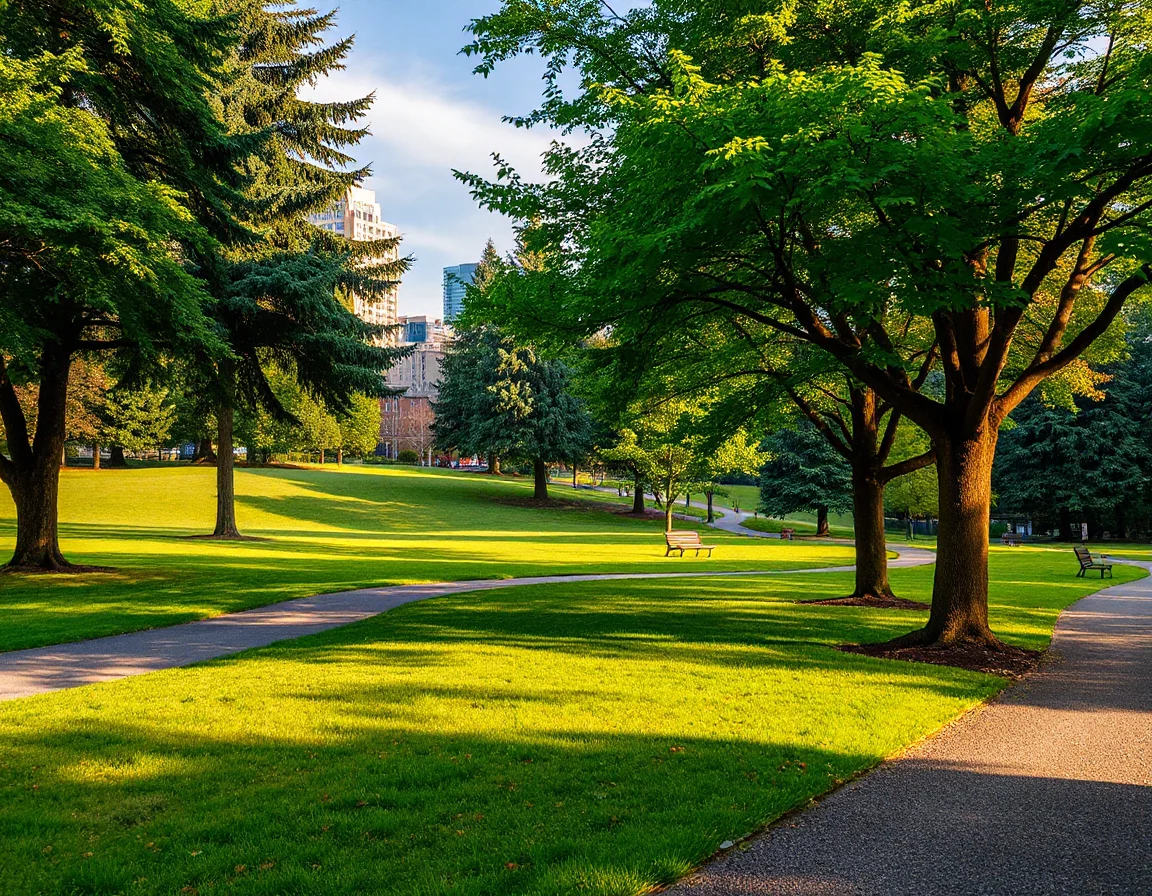
Further west, Meydenbauer Bay Park provides a different perspective on the city. Its waterfront setting, beach access, pathways, and views toward Lake Washington make it a notable destination for people seeking a quieter outdoor pause near the central business district. The park also reflects a defining Bellevue advantage: natural features are close at hand even where urban density is increasing.
For gardens and woodland trails, the Bellevue Botanical Garden offers another kind of outing. Its collections and paths create a place to observe seasonal color and Pacific Northwest plantings, while the nearby Mercer Slough Nature Park adds wetland trails and boardwalk routes to the mix. These destinations are useful reminders that “Bellevue” is not one single setting; the experience can change significantly from a downtown block to a lakeside path or forested preserve.
Downtown Bellevue Park, Meydenbauer Bay Park, the Botanical Garden, and Mercer Slough offer distinctly different outdoor settings within the same city—worth visiting at different times of day when comparing locations.
When evaluating a home or commercial property, proximity is only one consideration. It can be helpful to look at the practical route to these amenities, the terrain along the way, available transit connections, and how the surrounding streets feel on a typical weekday and weekend. A map can introduce the area, but time spent walking it adds valuable context.
Dining, Gathering Places, and Everyday Errands
The city center offers a concentrated mix of dining, retail, services, and gathering spaces, while neighborhood corridors throughout Bellevue provide their own rhythms. Old Bellevue, around Main Street, is known for its smaller-scale streetscape, established trees, and a collection of places to eat and spend time. Elsewhere, the Bellevue Collection area and the downtown core provide an indoor-outdoor network of destinations that can make everyday errands more convenient for many residents and visitors.
Dining options span casual counter service, bakeries, regional cuisines, and destination meals, with choices distributed across downtown, Crossroads, Factoria, and other commercial areas. The range reflects Bellevue’s role as a regional employment center and a city with connections across the Eastside. Rather than choosing a location based on one favorite spot, it is often more useful to consider the entire pattern of amenities: grocery options, parks, medical services, recreation, and the routes used most often.
Community events also add texture throughout the year. Outdoor performances, art programming, seasonal celebrations, and public gatherings often use park lawns, civic spaces, and plazas. Event schedules shift from year to year, but these shared settings make it possible to experience Bellevue beyond a list of addresses or commute estimates.
Explore Bellevue area information
Transit and Getting Around the Eastside
Bellevue’s transportation network is an important part of its real estate conversation. Major roadways connect the city with Seattle, Redmond, Issaquah, Kirkland, and communities farther north and south, while King County Metro bus service and regional transit provide alternatives to driving for many trips. Travel time naturally changes with the hour, weather, construction, and destination, so it is wise to test a prospective route under the conditions that matter most to you.
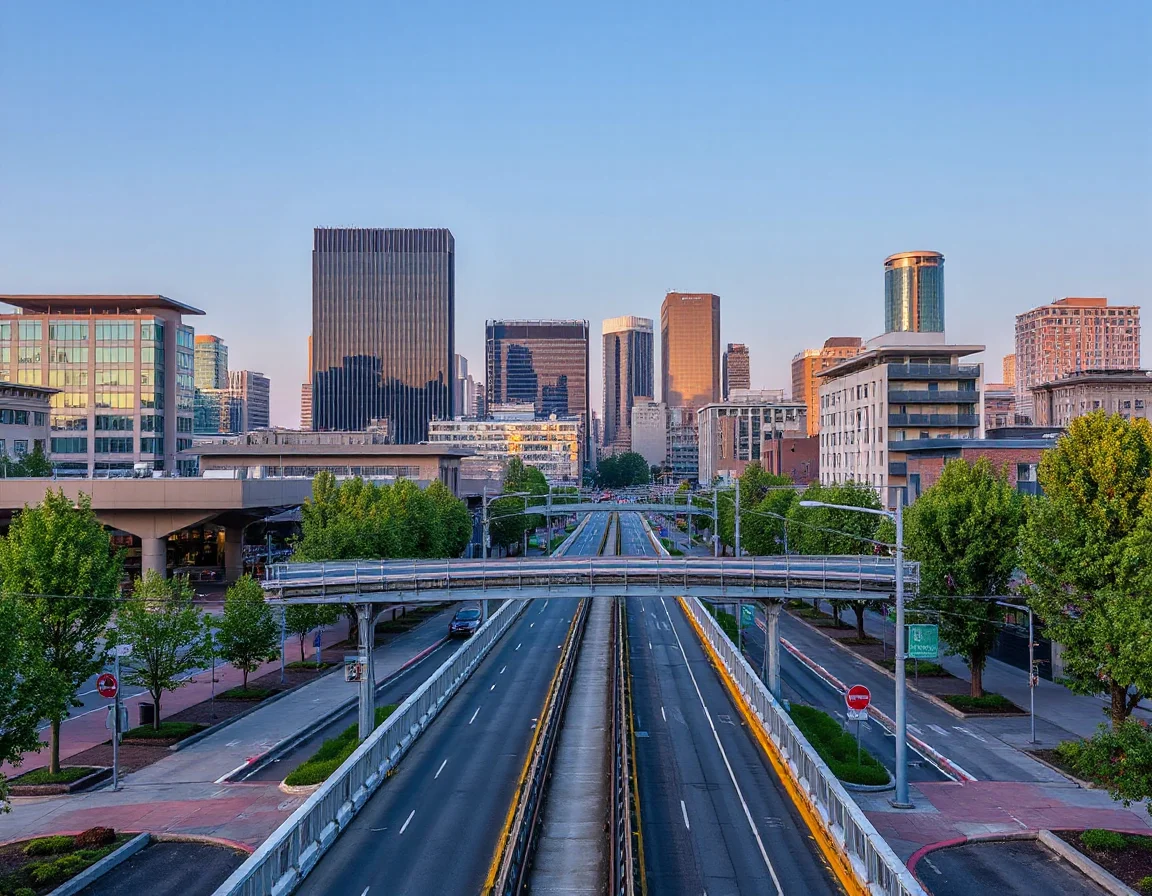
The arrival of Link light rail service in Bellevue has added another regional connection to consider, particularly for trips between the Eastside and Seattle. Stations and surrounding pedestrian routes can influence how people use nearby blocks, where new development appears, and how a daily routine takes shape. For buyers, renters, owners, and investors, transit access is not a single yes-or-no feature; it is a set of practical questions about distance, frequency, transfers, parking, and destination.
Walking and cycling also vary widely by location. Downtown streets generally offer a more connected sidewalk network, while hillside and lower-density areas can have different grades, block lengths, and roadway designs. Visiting a property in person can reveal details that listing photos cannot: sunlight at a particular hour, traffic sound, trail access, or the actual time needed to reach a nearby stop or park.
A transit station may look close on a map, but the most useful test is the complete trip: walk time, crossings, service schedule, transfer needs, and the return route after dark.
For commercial real estate and investment decisions, transportation access can also shape visibility, customer patterns, employee commutes, and future planning. Northwest Premier Brokers works across residential real estate, commercial real estate, property management, and investment services, bringing a broad property perspective to conversations about Bellevue and the larger Puget Sound region.
From Lakeside Settlement to Regional Hub
Bellevue’s local history is closely tied to its setting between Lake Washington and the foothills. The area developed through farming, logging, and small settlements before bridge connections and postwar growth changed its relationship with Seattle and the Eastside. Bellevue incorporated as a city in 1953, and the decades that followed brought substantial residential growth, new employment centers, and an increasingly urban downtown.
That history remains visible in contrasts across the city. Some areas retain older street patterns and established housing, while other blocks have seen newer multifamily, mixed-use, and commercial development. Lakefront routes, greenbelts, and parks continue to shape the physical experience of Bellevue even as the skyline changes. Looking at a property through this longer lens can help explain why two locations within a few miles of each other may feel so different.
Today, Bellevue is a place where a morning can begin on a wooded trail, continue through a city center, and end near the water. Its parks, dining choices, transit options, and layered history create many ways to experience the community. Taking time to explore those elements in person is one of the most practical ways to understand which location and property features align with your own priorities.