

Ballard buyers and sellers can learn a great deal from more than the headline price. Inventory movement, the pace of pending sales, and the gap between asking and closing prices often reveal whether preparation, timing, or negotiation deserves the most attention. Watching these patterns together can lead to clearer decisions in a neighborhood where home styles, blocks, and condition can vary widely.
Start With the Inventory Story, Not a Single Number
In Ballard, active listings are only the first chapter of the market story. A count of homes for sale can look modest or plentiful depending on the season, but buyers and sellers should also ask how quickly new listings are arriving, how long they remain available, and how many go pending shortly after launch. Those details help distinguish a market with genuine choice from one where the most compelling homes still move quickly.
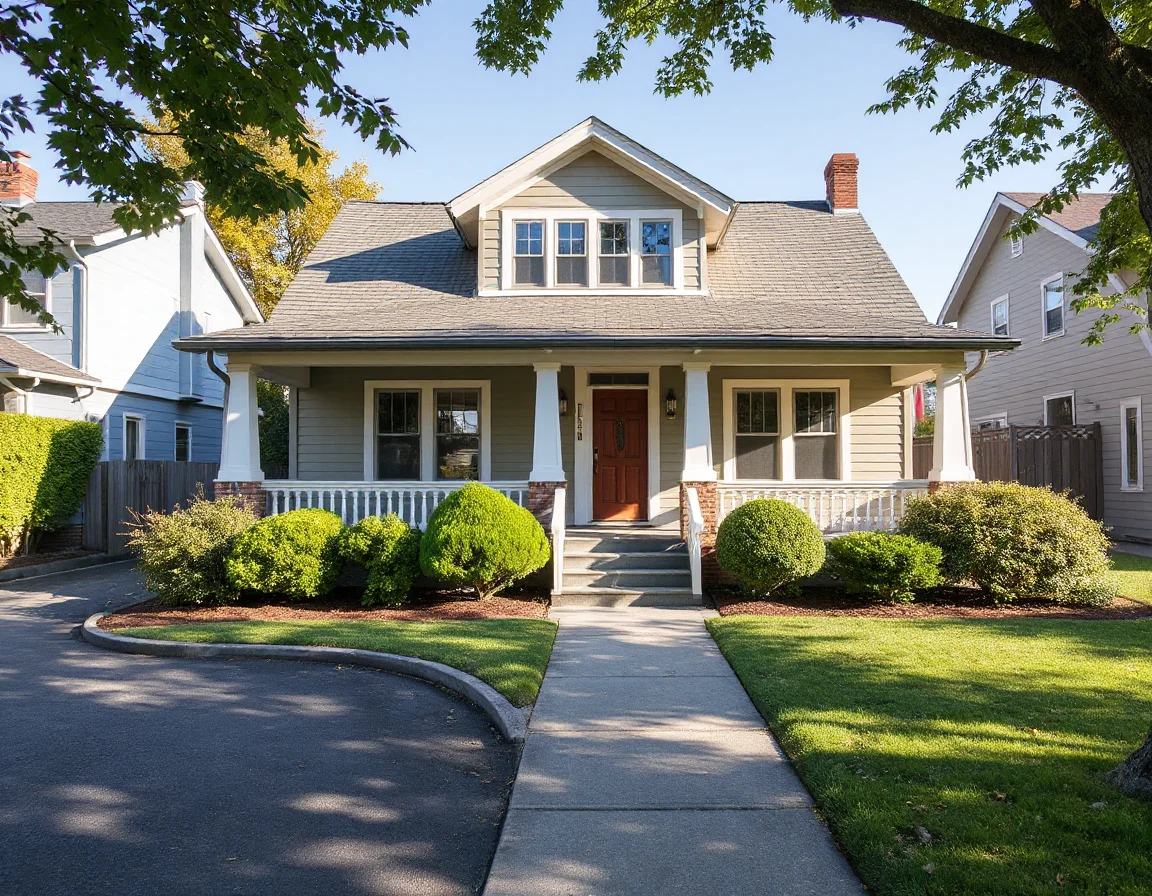
Inventory is especially useful when it is viewed by property type and price range. A condominium, a newer townhome, and a detached home with original architectural detail may all appeal to different segments of the market, so their listing timelines can be very different. A broad neighborhood average can hide that contrast. Buyers benefit from tracking the kind of property they actually intend to purchase, while sellers benefit from comparing against recently sold homes with similar size, condition, location, and features.
Seasonality matters, too. Spring often brings more listing activity, while late summer and the year-end holiday period can offer a different balance between selection and competition. That does not mean there is one universally “best” month to act. It means that each season changes the conversation: more choices may require more careful comparison, while fewer choices may make a well-positioned listing stand out.
A growing listing count does not automatically mean prices are falling. Watch whether new homes are also receiving timely pending status and whether recently sold properties are closing near their asking prices.
For sellers, the practical question is whether comparable homes are accumulating unsold or being replaced by fresh inventory at a steady pace. If similar listings are lingering, presentation and price discipline become more important. For buyers, a listing that has been available longer may invite a more measured offer strategy, but it is still important to understand why it has not moved. The answer may be as simple as timing, or it may relate to condition, layout, monthly costs, or a price that no longer matches current buyer expectations.
Pricing Patterns Are About Positioning
Ballard pricing can vary block by block, and the right list price is rarely found by applying a flat percentage to an older sale. Updates, lot characteristics, parking arrangements, outdoor space, views, floor plan flow, and maintenance history can all influence how a home compares with nearby alternatives. The goal is not simply to reach the highest possible number on paper; it is to position the home credibly among the choices a buyer will see during the first days on market.
A pricing pattern worth watching is the relationship between original list price, price changes, and final sale price. Homes that begin close to the market’s expectation can generate stronger early attention. Homes that begin noticeably above comparable options may spend more time available before a reduction, sometimes creating a different negotiation environment than a fresh listing. Neither outcome is guaranteed, but the pattern is a useful reminder that the opening price is part of a larger launch strategy.

Buyers should look beyond the asking price and review the total ownership picture. For a condominium or townhome, that can include dues, reserve information, special assessments, parking, storage, and rental rules. For detached homes, it may include roof age, drainage, electrical systems, heating, sewer scope findings, and the likely cost of planned improvements. A lower list price does not always mean a lower overall cost, just as a higher-priced home with recent upgrades may reduce near-term project uncertainty.
For sellers, pricing works best when paired with evidence. Recent closed sales show what purchasers completed, while pending sales can suggest where current demand is forming. Active listings reveal the immediate competition. A thoughtful comparison uses all three categories, then accounts for differences that online filters cannot fully measure: natural light, privacy, renovation quality, usable outdoor areas, and how the home feels during an in-person visit.
The first week of a listing often delivers the clearest feedback. Showing activity, questions from buyers, and comparable homes that go pending can be more informative than online views alone.
What Buyers Can Watch Before Writing an Offer
Rather than relying on a single headline about the market, buyers can create a short comparison list and revisit it each week. Note the original list price, any adjustments, days on market, pending status, property type, and major features. Over several weeks, this creates a practical picture of which homes attract quick attention and which ones offer room for further evaluation.
It is also useful to watch the difference between a home that is simply available and one that has been relisted. A relisted property may have a straightforward explanation, such as a changed seller timeline or a prior transaction that did not reach closing. Buyers should review disclosures, ask focused questions, and keep due diligence aligned with the property’s age and condition. An offer is strongest when it is based on clear information rather than urgency alone.
Financing preparation remains a major part of buyer readiness. A current preapproval, a realistic comfort level for monthly costs, and an understanding of potential closing expenses can make it easier to respond when the right property appears. Inspection contingencies, appraisal considerations, and closing timing are also part of the offer conversation. The most effective terms are not necessarily the most aggressive ones; they are the terms that accurately reflect a buyer’s priorities and capacity.
How Sellers Can Respond to Changing Conditions
Sellers have the most control over preparation, presentation, and pricing. Before launch, it is worthwhile to address visible deferred maintenance, simplify rooms so the layout reads clearly, and prepare accurate information about improvements and operating details. Professional photography and a coordinated listing plan can help communicate the property’s best features, but those tools work best when the home is also priced in line with its direct competition.
Once a listing is active, feedback should be evaluated with context. One visitor’s comment may be personal preference; repeated comments about the same issue can point to a market signal. If buyers consistently compare the home unfavorably on condition, layout, or price, a seller can consider adjustments rather than waiting for the market to solve the mismatch. The decision should be based on current comparable activity, not solely on an earlier expectation.
Ballard remains a neighborhood with a broad mix of housing, local services, green spaces, waterfront access, and connections to the rest of Seattle. That variety is a strength, but it also makes precise comparison essential. Whether buying or selling, focus on the inventory that truly competes with the property in question, track changes over time, and use recent market evidence to turn a fast-moving stream of listings into a confident next step.