

A strong Shoreline listing begins well before photography day. Focus your budget on visible condition, thoughtful presentation, and a pricing strategy grounded in current competing homes—not last season’s headlines. This checklist helps sellers make clear decisions that support a polished launch and a more confident negotiation.
Begin With a Practical Pre-Listing Walk-Through
Before choosing paint colors or ordering a storage pod, take a deliberate lap through the property as if you were seeing it for the first time. Start at the curb, move through every room, and finish in the backyard, garage, and any utility spaces. Make two lists: items that affect function and items that affect first impressions. A loose handrail, a dripping faucet, a missing smoke-detector battery, or a door that sticks may seem minor, but several small issues together can make a home feel less maintained than it truly is.
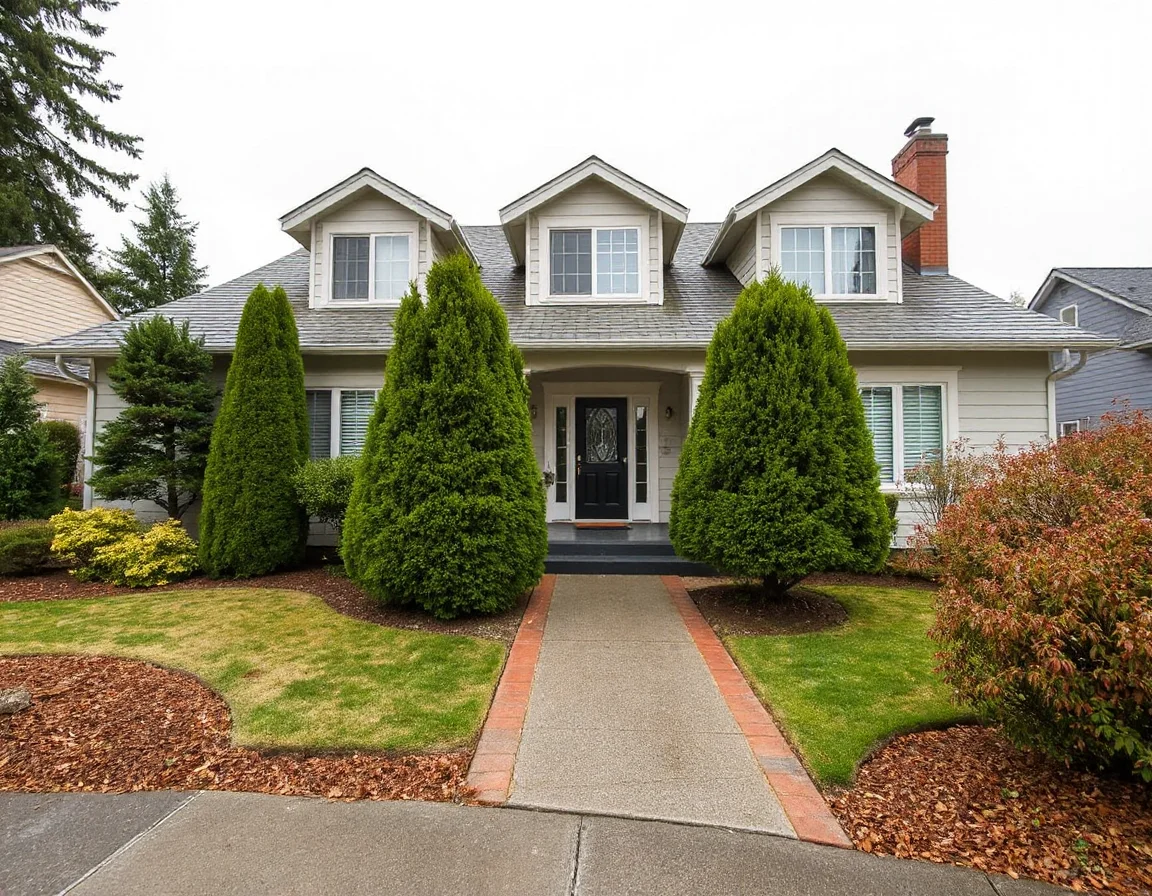
Prioritize repairs that remove doubt. Buyers commonly notice water staining, aging caulk around tubs and windows, worn flooring transitions, damaged screens, cluttered electrical panels, and deferred exterior maintenance. Addressing straightforward issues before listing can reduce distractions during showings and help the conversation stay centered on the home’s layout, location, light, and improvements. For larger projects, such as a roof replacement or extensive remodeling, compare the likely cost with the expected market benefit before moving forward.
Shoreline’s mix of established homes, townhomes, condominiums, and newer construction means comparison matters. A home does not need to become brand-new to present well; it needs to feel cared for and honestly positioned against nearby alternatives. Gather warranties, invoices, permits when applicable, appliance manuals, and a simple list of recent improvements. This information can help answer practical questions once interest picks up.
The most effective repair list is usually selective: solve visible maintenance concerns first, then spend on updates that improve light, cleanliness, and day-one appeal.
Outside, trim back overgrown plants from walkways, clear gutters, pressure wash hard surfaces where appropriate, and make sure house numbers are easy to see. Pacific Northwest weather can make exterior details especially important, so check drainage, moss buildup, peeling paint, and any area where water tends to collect. A clean, functional entry creates a strong opening before anyone steps inside.
Stage for Space, Light, and Everyday Use
Staging is not about making a home look unrecognizable. It is about helping visitors understand how each room works. Begin by removing excess furniture, countertop appliances, personal paperwork, and items stored in hallways or on stairs. Clear pathways make rooms feel easier to navigate, while simplified surfaces photograph better and allow architectural details to stand out.
Give each room a clear purpose. A spare room can read as an office, hobby room, or flexible guest space; a dining area should make its dimensions easy to understand; and a lower level should show its usable potential without becoming a storage zone. Neutral bedding, fresh towels, coordinated lamps, and a few well-placed plants can add warmth without overwhelming the space. If the home has distinctive features—original hardwood floors, a fireplace, built-ins, or a view—arrange the room to draw attention toward them.
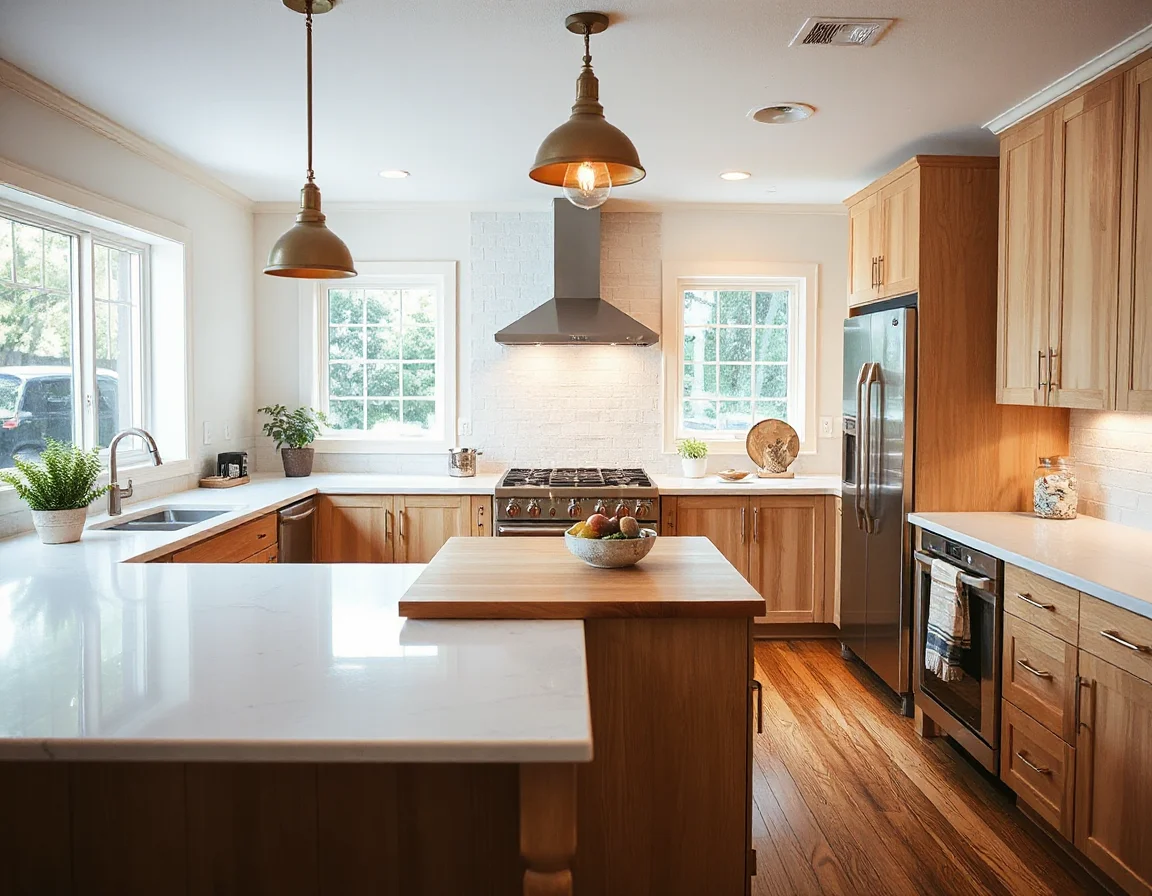
Kitchens and bathrooms deserve extra attention because they are used closely during showings. Deep-clean grout, polish fixtures, replace worn cabinet pulls if they are visibly dated, and remove products from counters and shower ledges. Fresh white towels, an empty sink, and an uncluttered vanity can make even a compact bathroom feel more finished. In the kitchen, leave only a few intentional items out and make room for buyers to notice counter depth, cabinet storage, and natural light.
Lighting should be checked room by room. Replace burned-out bulbs, use matching bulb temperatures, open blinds, and clean windows inside and out when possible. For showings, turn on lamps in darker corners and keep window coverings open where privacy allows. Shoreline homes often benefit from this extra attention during cloudier months, when a warm and even lighting plan can make the property feel more inviting in photos and in person.
Before photography, put away pet supplies, recycling bins, cords, cleaning tools, and seasonal décor that crowds a room. The goal is not emptiness—it is visual calm. Professional photos work hardest when they show a clean sequence from one room to the next, letting viewers understand scale before they schedule a visit.
Photography day is a deadline, not the beginning of preparation. Complete repairs, decluttering, and staging early enough to make final adjustments without rushing.
Set a Price That Matches Today’s Competition
Pricing is the point where preparation meets market reality. Start with a comparative market analysis that reviews recently sold homes, active listings, pending sales, property condition, lot characteristics, square footage, layout, and improvements. Sold homes show where the market has recently agreed on value; active homes show what buyers can choose today; pending properties can offer clues about which presentation and pricing approaches are generating activity.
Online estimates can be a useful starting point, but they cannot fully account for a remodeled kitchen, a functional floor plan, an unusually private outdoor area, deferred maintenance, or the difference between a busy street and a quieter setting. The most useful pricing conversation looks closely at the specific property and its immediate competition. A price should be supported by evidence and paired with a launch plan that puts the home’s strongest features forward from the first day.
It can be tempting to list high “just to see.” Yet an ambitious starting number may limit early attention from buyers searching within defined price ranges. The first days on market are often the clearest opportunity to generate showings because the listing is newly available and widely visible. A strategic price, polished presentation, and complete property information can create more meaningful engagement than a number that requires repeated reductions to catch up with market feedback.
Remain flexible after launch. Review showing feedback, online activity, comparable properties that appear after listing, and any shifts in inventory. Not every comment warrants a change, but patterns are useful. If visitors consistently mention condition, layout, or value relative to nearby homes, use that feedback to evaluate whether an adjustment to price, presentation, or marketing details is warranted.
Create a Smooth Listing Launch
Once repairs, staging, and pricing are in place, prepare the operational details that make showings easier. Decide how much notice is needed, secure valuables and medications, plan for pets during appointments, and keep a simple reset routine for counters, beds, lights, and outdoor areas. Have key documents organized so questions can be answered promptly. For condominiums or homes with an association, gather relevant association materials and current fee information early in the process.
A well-prepared Shoreline sale is less about chasing every trend and more about presenting the home with care, clarity, and evidence-based pricing. Thoughtful repairs reassure visitors, staging makes the layout easier to picture, and a grounded pricing strategy gives the listing its best chance to attract serious attention. With those pieces working together, sellers can move from pre-listing tasks to launch day with a far more organized plan.
