

A condo’s monthly dues are only part of its financial picture. Before making an offer in Kirkland, buyers should look closely at reserve funds, planned repairs, insurance deductibles, meeting minutes, and the possibility of special assessments. A careful document review can reveal both a well-maintained community and costs that may affect the total budget after closing.
Why Condo Reserves Matter Before You Buy
Condominium ownership can offer a streamlined way to own property in Kirkland, with shared building maintenance handled through a homeowners association. That convenience comes with an important due-diligence step: understanding how the association plans and pays for major future repairs. Roofs, siding, decks, elevators, plumbing systems, pavement, and building-envelope work can all require substantial funding over time.

Reserve funds are the association’s savings account for predictable, long-term capital projects. A healthy reserve balance does not mean a building will never need an assessment, but it can indicate that the association has been planning for anticipated work rather than relying entirely on future owner contributions. Conversely, a low reserve balance may deserve closer attention, especially when the property is approaching the age when major components often need repair or replacement.
Washington condominium associations may have reserve-study requirements depending on the community and its circumstances. A reserve study typically estimates the remaining useful life of common elements, forecasts likely project costs, and recommends a funding path. It is a planning document, not a guarantee, but it gives buyers a useful starting point for asking informed questions.
Monthly dues that appear lower than comparable communities are not automatically a savings. They may reflect efficient operations, but they can also signal that reserve contributions or planned maintenance deserve a closer look.
When reviewing a resale certificate and association materials, focus on the reserve-study date, the recommended reserve contribution, the current reserve balance, and whether the board has been following its funding plan. Also note whether projected projects have changed in price or scope since the study was prepared. Construction costs, labor availability, material pricing, and unforeseen building conditions can all affect a plan created several years ago.
What a Special Assessment Can Mean
A special assessment is an amount charged to owners outside the regular monthly dues, usually to pay for a major repair, an unexpected expense, an insurance-related cost, or a project that reserves cannot fully cover. Assessments may be collected as a lump sum, paid in installments, or financed by the association and repaid through owner charges. The details matter because each approach affects both immediate cash needs and ongoing monthly expenses.
Not every special assessment is a red flag. An association may approve one to address a necessary repair promptly, complete a major modernization project, or strengthen the building’s long-term condition. The more useful question is whether the board has clearly identified the work, obtained appropriate professional input, communicated the financial plan, and maintained records that explain the decision.
Buyers should ask whether any assessment has been approved, proposed, discussed, or anticipated. The distinction is important. An approved assessment may be a defined obligation, while a proposed project may still change in cost, timing, or scope. Meeting minutes from the past year or two can provide valuable context, especially when they reference water intrusion, roofing concerns, structural repairs, insurance renewals, lawsuits, lender requirements, or contractor bids.
It is also worth confirming who is responsible for an assessment that is already approved but unpaid at closing. The purchase agreement, negotiated terms, lender requirements, and association documents can all play a role. A real estate professional and appropriate legal or financial advisers can help buyers understand how a specific transaction addresses that responsibility.
Documents That Deserve More Than a Quick Scan
Condo documents can feel dense, but they are among the most important materials in a purchase decision. Rather than treating them as a checklist item, use them to understand how the shared property is governed, maintained, insured, and funded. A disciplined review can help align the home’s purchase price with its likely ownership costs.
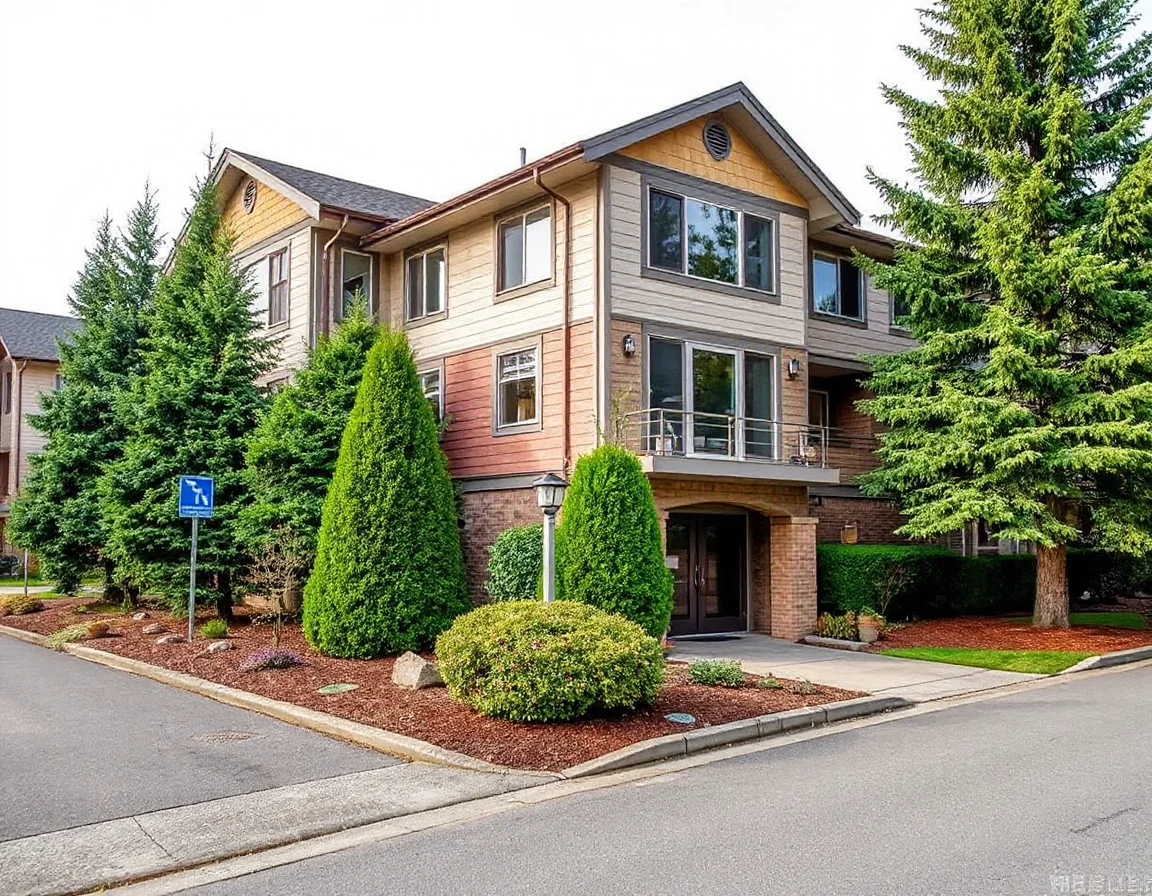
Start with the annual budget. Look at where association income comes from, how much is allocated to operating expenses, whether reserves receive regular contributions, and whether the budget includes notable increases. Expenses such as insurance, utilities for common areas, landscaping, management, maintenance contracts, and professional services may shift from year to year. A budget is most helpful when considered alongside prior financial statements and board communications.
Meeting minutes are equally revealing. They often capture practical details that a balance sheet cannot: recurring maintenance concerns, upcoming inspections, vendor changes, owner questions, and discussions of major projects. Look for patterns rather than isolated phrases. A single reference to a repair may be routine; repeated discussion of the same issue may merit a follow-up question.
Insurance information deserves careful attention as well. Review the association’s master policy, including covered components, deductibles, and any recent premium changes. Buyers should then speak with an insurance professional about an individual condo policy and appropriate coverage for interior improvements, personal property, loss assessments, and deductibles that could be passed through under the governing documents.
Finally, read the declaration, bylaws, rules, and any current rental or occupancy policies. These documents explain maintenance responsibilities, use of common areas, renovation procedures, parking arrangements, pet-related rules, leasing provisions, and the board’s authority. Knowing the rules before closing can prevent surprises and help a buyer evaluate whether the property’s operations fit their intended use.
Questions to Ask Before Writing an Offer
A focused set of questions can make the review process more manageable. Ask the seller or listing side for available association documents early, then identify gaps before the contingency period begins. If the building is larger, older, waterfront-adjacent, or has complex shared systems, allow extra time to understand the records and obtain professional guidance where needed.
- What is the current reserve balance, and when was the reserve study last updated?
- Which major projects are planned over the next several years?
- Has the association approved, discussed, or deferred any special assessment?
- Are there outstanding loans, litigation matters, insurance claims, or unusually large deductible obligations?
- Have monthly dues changed recently, and are additional increases projected?
- What repairs are the responsibility of the unit owner versus the association?
In Kirkland, condo options range from smaller established communities to newer buildings near waterfront amenities, employment centers, parks, and regional transportation routes. Each property has its own financial history and maintenance profile. Comparing two condominiums with similar list prices but different reserves, dues, or upcoming capital needs can produce very different ownership-cost pictures.
A Clearer Way to Compare Kirkland Condos
The best condo choice is rarely determined by square footage and finishes alone. A well-run association, transparent planning, realistic reserve funding, and thorough documentation can add valuable context to the condition of the individual unit. On the other hand, a lower purchase price may need to be weighed against deferred maintenance, thin reserves, or anticipated owner costs.
Take time to review the records, ask direct questions, and build likely dues, insurance, repairs, and possible assessment exposure into the overall budget. With the right information in hand, buyers can move forward with a more complete view of both the home and the shared financial structure that supports it.
