
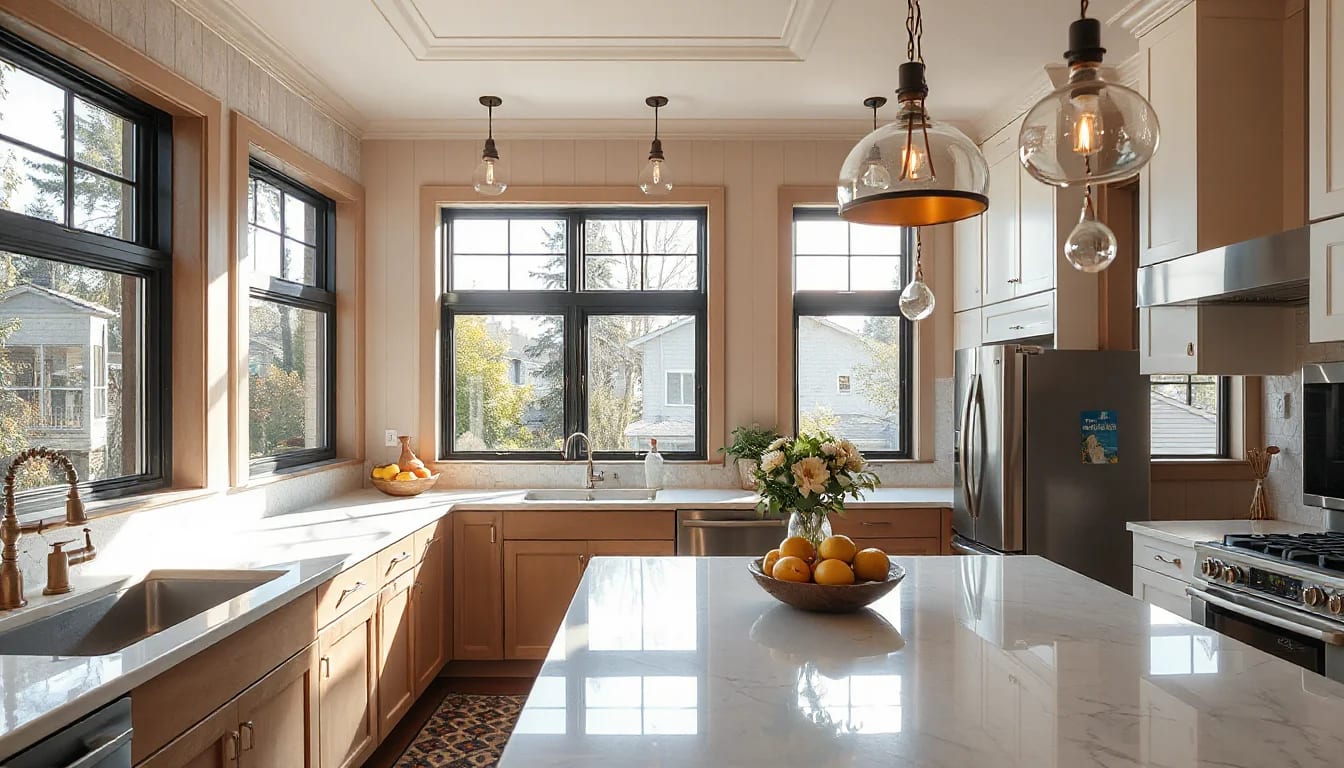
Replacing aging windows can make a Seattle home feel less drafty, quieter, and brighter while helping sellers present a more polished property. The strongest projects begin with a clear goal: solve a comfort issue, improve energy performance, preserve the home’s character, or prepare thoughtfully for a future sale. Knowing what buyers notice can help homeowners spend with purpose rather than simply choosing the most expensive option.
Why Windows Matter in Seattle Homes
Seattle’s cool, wet seasons put windows to work. They help manage rain, wind, changing daylight, and indoor temperature throughout the year. When windows are nearing the end of their service life, the signs can be easy to recognize: condensation between panes, peeling trim, difficult operation, visible gaps, or rooms that seem noticeably cooler near the glass. These details affect daily comfort, but they can also shape how a home is perceived during a showing.

A window replacement project is rarely just about glass. It may involve assessing flashing, exterior trim, interior casing, paint, drainage, and the condition of surrounding siding. In a climate where moisture management matters, careful installation can be as important as the window product itself. A well-finished project should look integrated with the home rather than like an obvious patchwork update.
For homeowners planning to stay, the value often begins with the lived experience. Modern insulated glass and properly sealed frames can reduce drafts near seating areas, improve temperature consistency, and limit some outside noise. For sellers, updated windows can help remove an objection that might otherwise arise during inspections or buyer conversations. They are not a guaranteed shortcut to a specific sale price, but they can support a home’s overall condition story.
A replacement project has the greatest practical impact when it addresses a documented issue—such as failed seals, water intrusion, difficult operation, or persistent drafts—rather than relying on style alone.
Start With the Problem You Want to Solve
Before comparing frame colors or glass packages, walk through the home and make a room-by-room list. Note where condensation appears, which windows stick, where rainwater seems to enter, and whether certain rooms receive intense afternoon sun. Also consider the exterior: rotted wood, cracked caulk, deteriorated paint, and staining can signal that the scope should include repairs beyond the window opening.
Window choices are often driven by four practical priorities:
- Comfort: reducing drafts, hot or cold spots, and unwanted outdoor sound.
- Durability: selecting materials and installation details suited to Seattle’s rain and temperature changes.
- Appearance: matching the home’s architectural lines, proportions, and trim profile.
- Resale readiness: completing visible maintenance before it becomes a question during a buyer’s walkthrough.
Vinyl, fiberglass, wood, and clad-wood windows each bring different maintenance needs, price points, and visual qualities. The best fit depends on the home’s design, the condition of existing openings, and the desired level of upkeep. In older Seattle houses, preserving the scale and character of original openings may be especially important. In newer homes, consistent sightlines and a coordinated exterior finish can create a clean, updated look.
It is also wise to ask prospective contractors how they will handle permits, weather protection, flashing, lead-safe work practices in older homes where applicable, and repairs uncovered after removal. Written estimates should clarify the number of openings, window specifications, trim work, disposal, warranty coverage, and any assumptions. Comparing complete scopes—not just a bottom-line price—makes the decision more meaningful.
Explore seller preparation resources
Design Choices That Support Resale Appeal
Buyers often respond to a home as a whole. Fresh windows can contribute to that impression when their style feels cohesive with the roofline, siding, entry, and interior finishes. A divided-light pattern that echoes nearby details, a frame color that complements the exterior palette, or clean trim around a large living-area window can all make an update feel intentional.
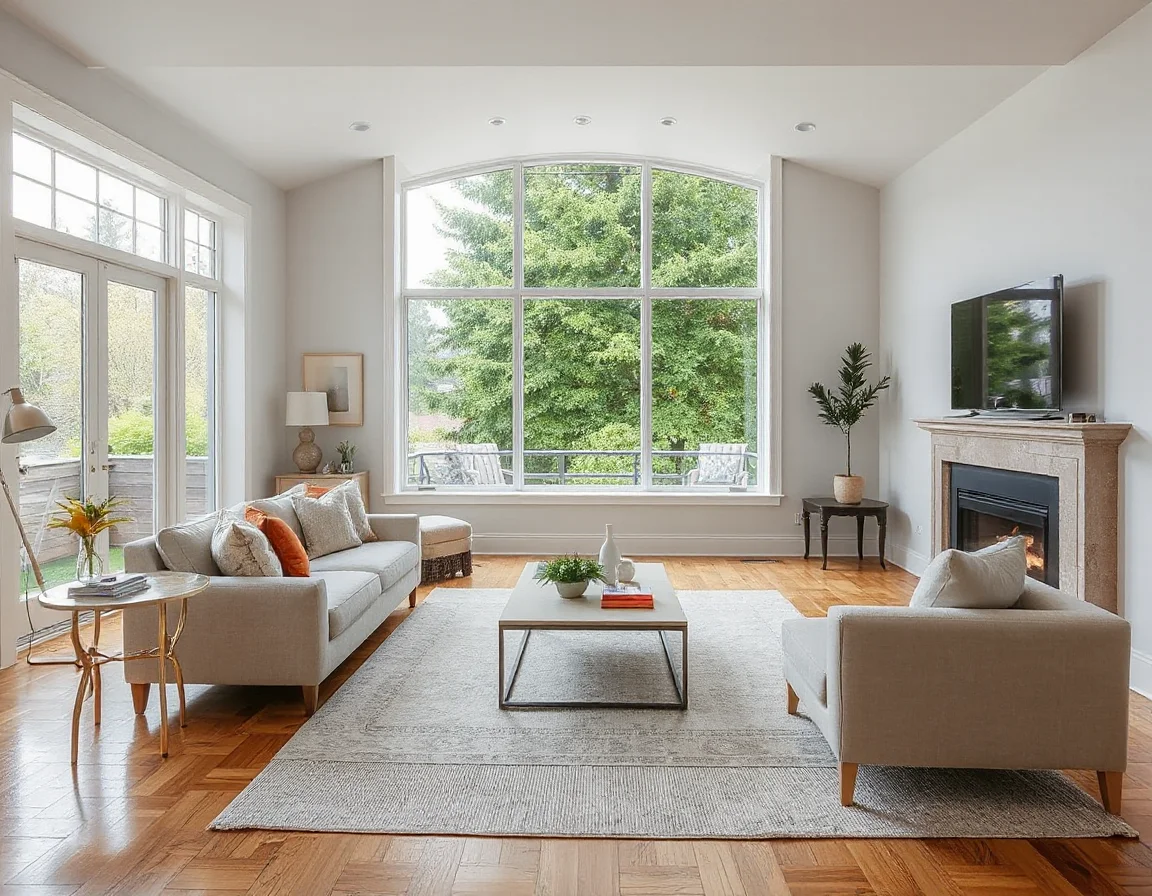
Natural light is a major part of a successful presentation, yet window replacement should not mean maximizing glass in every location. Consider privacy, glare, ventilation, and furniture placement. Operable windows can be especially useful where airflow is desired, while fixed units may provide a streamlined look and strong daylight in other areas. A contractor or design professional can help confirm that a proposed configuration fits the opening and local code requirements.
For a pre-sale project, consistency usually matters more than chasing every available upgrade. Replacing a visibly failed group of front-facing windows, addressing moisture-damaged trim, and ensuring the final paint work is crisp may be more persuasive than adding premium features that do not match the rest of the home. Keep invoices, manufacturer information, transferable warranty details, and permit records when applicable; organized documentation can help answer questions efficiently.
Energy performance is another part of the conversation. Buyers may appreciate knowing that windows have modern insulated glazing and professional installation, particularly when utility costs and year-round comfort are on their minds. Avoid making absolute claims about future savings, since results vary by home, weather, thermostat habits, insulation, and the existing condition of the building. Instead, describe the verifiable features and let the project’s quality speak for itself.
For listing preparation, finish the project early enough to allow for paint touch-ups, exterior cleanup, and clear photography—small details make the update read as complete rather than in progress.
Plan the Work Around Seattle Weather and Your Timeline
Window projects can be completed in many seasons, but scheduling deserves attention. Installers need dry working periods for certain exterior repairs and sealing steps, while homeowners need a plan for access to rooms, window coverings, pets, and furnishings. Ask how openings will be protected if weather changes during the workday and whether the team expects any staged installation for larger projects.
Timing matters even more when a home may be listed soon. A rushed replacement can create avoidable pressure if trim repairs, paint, or permit follow-up are still pending when photography is scheduled. If the current windows are functional and the timeline is tight, a focused repair, deep cleaning, or improved weatherstripping may be the more practical choice. If there are active leaks, failed glass seals, or notable deterioration, addressing them before marketing can help the property present more confidently.
Homeowners evaluating resale projects should also look beyond a single feature. Window replacement tends to work best as part of a coordinated maintenance plan that may include exterior paint, roof and gutter care, landscaping, interior touch-ups, and accurate pricing. A local real estate professional can help distinguish between updates that support marketability and improvements that may be less visible to buyers in the current competitive landscape.
A Clearer View of Your Next Move
Thoughtful window replacement can improve the way a Seattle home performs and the way it is experienced from the curb, at the entry, and inside each room. Focus on sound installation, appropriate materials, cohesive design, and documentation—not just a quick visual change. Whether the goal is greater everyday comfort or a stronger foundation for a future sale, a well-scoped project can turn an aging maintenance item into a practical improvement with lasting appeal.
