
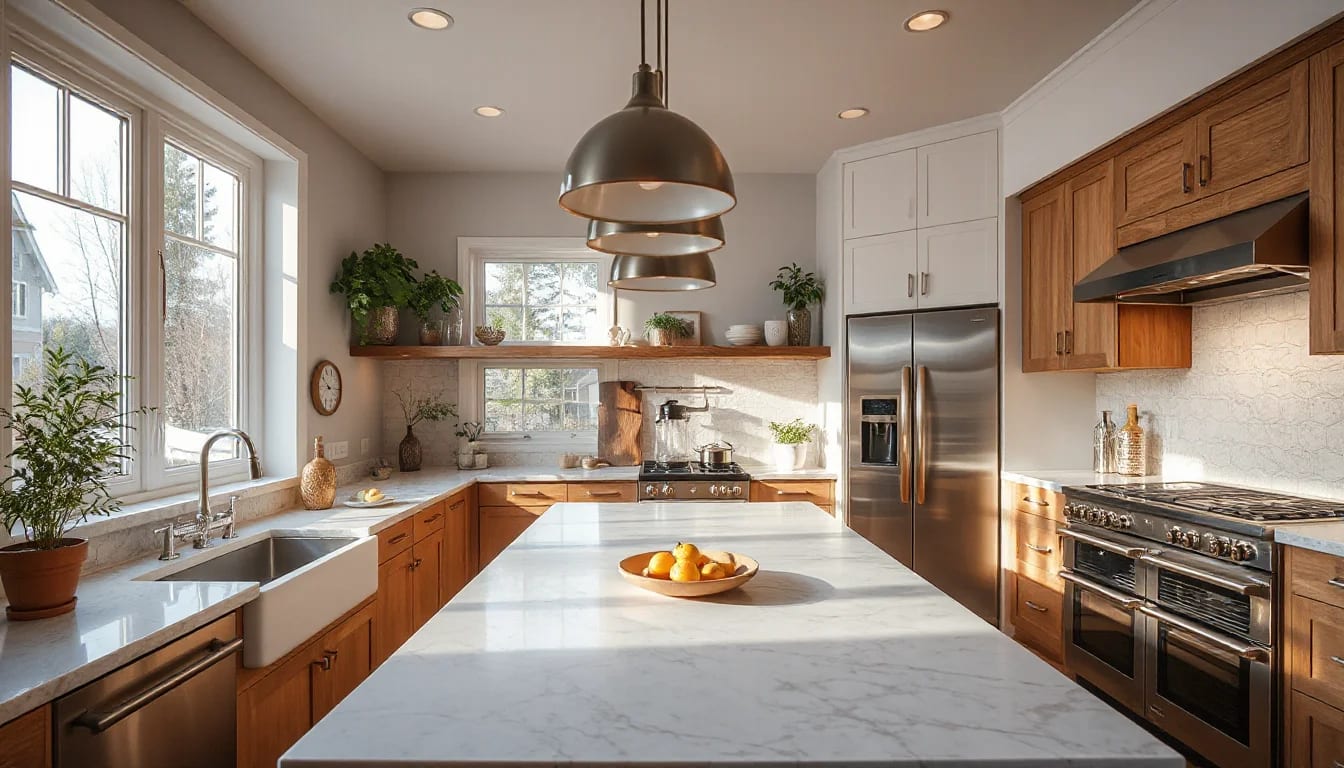
A kitchen update can help a Seattle home make a stronger first impression, but the best return rarely comes from a complete luxury rebuild. Focus on clean finishes, dependable function, and choices that fit the home’s price range and condition. The goal is to spend strategically so buyers can picture the room working well from day one.
Start With the Upgrades Buyers Notice First
In Seattle, the kitchen often carries a surprising amount of weight during a showing. It is where listing photos linger, where buyers inspect storage and counter space, and where small maintenance issues can feel larger than they are. Before selecting finishes, take a practical walk through the room: look for worn cabinet faces, dated lighting, damaged flooring, poor task lighting, and appliances that do not match the overall condition of the home. Addressing visible wear can create more value than adding a specialty feature that only a small group of shoppers may use.
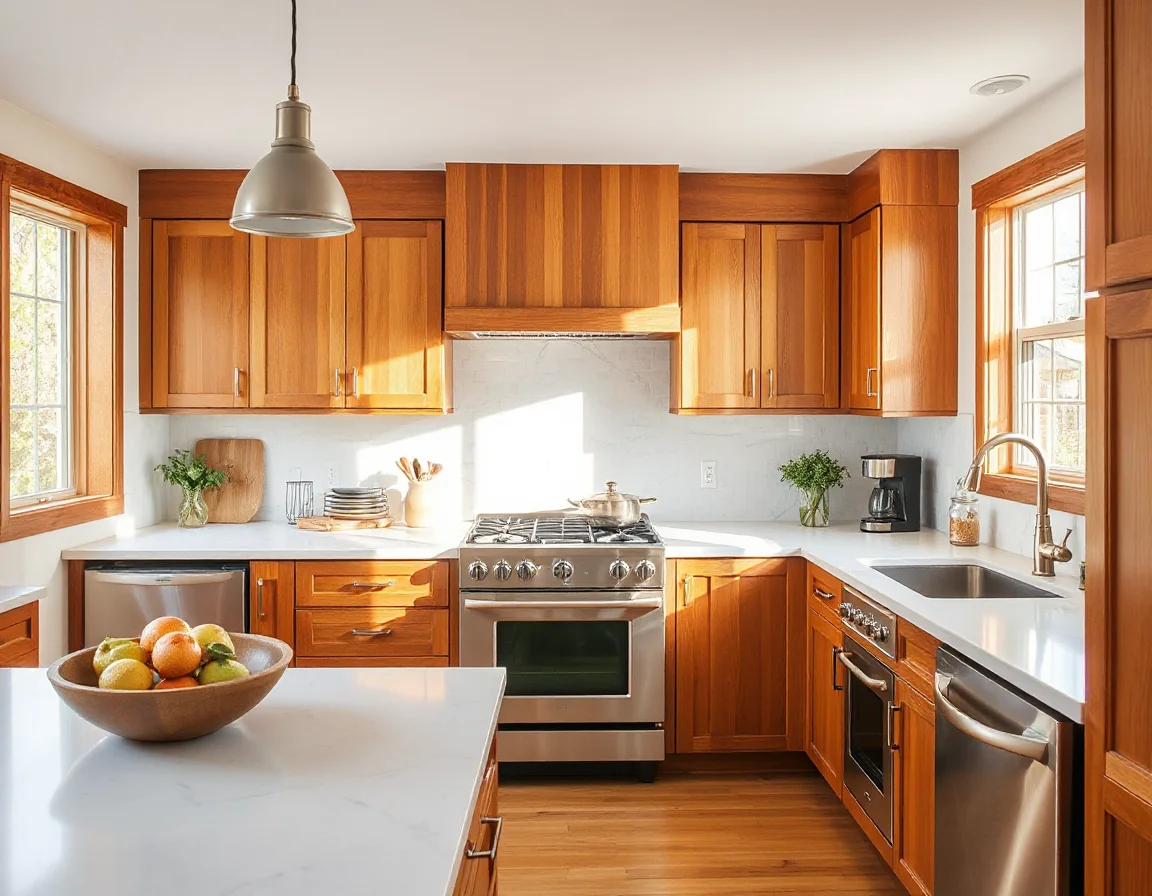
Paint, hardware, and lighting are often the sensible first moves. A fresh, neutral paint color can brighten a kitchen without making the space feel generic. Replacing mismatched pulls and knobs with a consistent finish gives existing cabinetry a more intentional look, while a modern ceiling fixture or under-cabinet lighting can improve both photography and everyday usefulness. These improvements are typically easier to coordinate than a major renovation and can help an older kitchen feel cared for.
Cabinets deserve careful evaluation before replacement. If their layout is functional and the boxes are solid, professional painting or refacing may offer a more measured path than installing entirely new cabinetry. Repairs to hinges, drawer slides, and door alignment should not be skipped; a cabinet door that catches or a drawer that sticks can leave a more negative impression than its modest repair cost suggests. If replacement is necessary, choose a durable, adaptable style rather than highly personalized colors or ornate detailing.
Countertops can also influence perceived condition. Laminate that is peeling, tile with heavy grout staining, or visibly cracked surfaces can distract from the rest of the room. A durable, easy-care surface in a restrained color palette may help the kitchen read as current while remaining appropriate for a broad range of home styles. Quartz is a popular option for its consistent appearance and maintenance profile, but the right choice depends on the budget, cabinet condition, and comparable homes nearby.
A coordinated refresh can be more persuasive than one expensive feature surrounded by worn finishes. Aim for cabinets, counters, fixtures, and lighting that look like they belong in the same room.
Put Function Ahead of Flash
High-return kitchen decisions tend to solve everyday problems. Look for improvements that make food preparation, cleanup, storage, and movement through the room easier. A leaking faucet, weak ventilation fan, unreliable disposal, or poorly lit work area should be treated as a priority. These are not always dramatic upgrades for a listing description, but they can reassure buyers that the home has been maintained thoughtfully.
Appliances are another place to balance cost and impact. When appliances are visibly outdated, mismatched, or nearing the end of their service life, replacing them with a coordinated set can help the kitchen feel complete. There is no universal need to buy the most expensive model available. Select dependable appliances with finishes and features that suit the property’s market position, and be sure measurements, electrical requirements, and ventilation needs are confirmed before ordering.
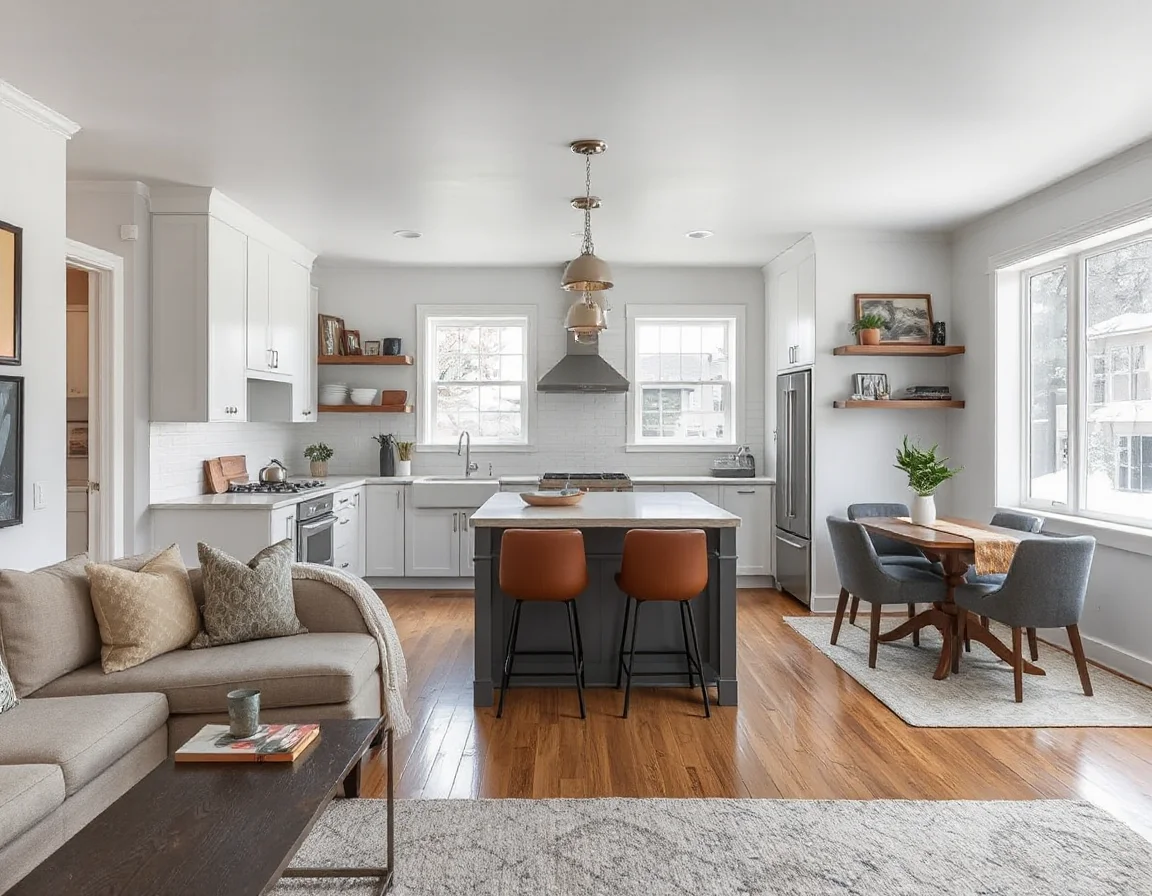
Storage improvements can be especially worthwhile where the existing layout has underused space. Pullout shelves, drawer organizers, a pantry cabinet, recycling storage, or a small appliance garage can make a kitchen more efficient without requiring a full reconfiguration. If a kitchen is tight, avoid forcing an oversized island into the plan. Clear circulation and usable counter space generally matter more than adding a feature that makes the room harder to navigate.
For a larger remodel, layout changes should be considered carefully. Moving plumbing, gas lines, walls, or electrical service can increase cost quickly and introduce permit, scheduling, and construction risks. Sometimes it is the right investment, particularly when a kitchen has a serious functional limitation. In many cases, however, retaining the main footprint and improving the finishes, lighting, and storage delivers a more predictable result. A local real estate professional can help compare the proposed scope with nearby active and recently sold homes.
Before approving a major layout change, compare the renovation budget with the home’s likely value range after the work. The strongest plan supports the property rather than trying to outbuild its setting.
Choose Materials That Hold Up to Seattle Living
Seattle’s cool, wet seasons make durability and maintenance meaningful considerations. Entry points near a kitchen can bring in moisture, and cooking areas naturally experience spills, steam, and frequent cleaning. Flooring should be selected for the room’s traffic level and the home’s overall character. Quality vinyl plank, porcelain tile, engineered wood, and properly finished hardwood can each be appropriate in the right setting, while the installation quality and transitions between rooms deserve just as much attention as the product itself.
A backsplash can offer an efficient visual update, especially when it replaces a dated pattern or protects a newly refreshed counter area. Simple ceramic tile, a classic stacked layout, or a subtle slab backsplash can work well without overwhelming the room. Avoid selecting materials solely because they are currently trending. Finishes with broad appeal usually feel clean, durable, and easy to pair with future furnishings.
Ventilation is another practical consideration. A properly functioning range hood helps manage moisture and cooking odors, and it can be an important part of a kitchen renovation plan. If you are changing a hood, cooktop, or range, verify applicable building requirements with qualified contractors and local permitting resources. Documentation for major work, warranties, and permits can also be useful when it is time to sell.
Get a home valuation before planning major upgrades
Match the Scope to Your Selling Timeline
The timing of a sale changes the right renovation strategy. If a home may be listed soon, focus on visible repairs, paint, lighting, cleanup, minor cabinet work, and staging-ready details. A long construction project can delay market exposure, and a rushed remodel may create avoidable quality issues. For owners with a longer horizon, larger investments may make sense when they improve how the home functions now while still keeping eventual resale in mind.
It is also worth separating maintenance from remodeling. Replacing a failed appliance, repairing water damage, correcting electrical concerns, and resolving plumbing leaks are important regardless of market conditions. Those items protect the home and reduce questions during inspections. Cosmetic upgrades can then be chosen with a clearer understanding of the remaining budget and the kitchen’s strongest opportunities.
Ultimately, the best potential return is not guaranteed by a particular countertop or appliance brand. It comes from a kitchen that looks well maintained, works efficiently, and feels consistent with the rest of the home. Start with the highest-visibility needs, keep the design cohesive, and obtain local guidance before committing to a large scope. That approach can make the project more manageable and help your Seattle property present with confidence when the time comes to sell.
