
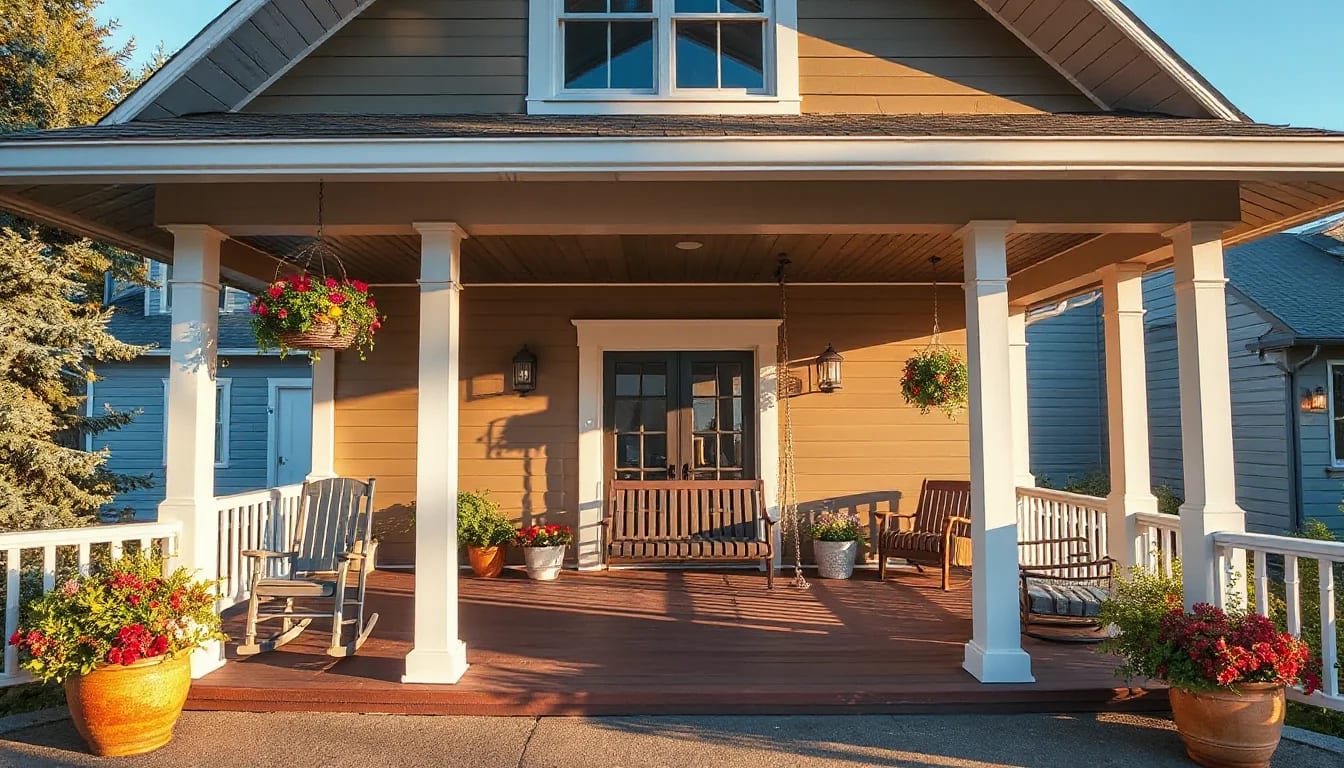
Buying a home in Kirkland is easier to manage when the process is broken into clear milestones: financing, search strategy, offer preparation, inspections, appraisal, and closing. While every purchase has its own pace, a prepared buyer can make informed decisions at each step without losing sight of the goal: a home that fits both daily needs and the long-term budget.
Start With a Realistic Financial Picture
Before touring homes, begin with a conversation with a lender. A preapproval is more than a useful number on paper: it helps clarify a purchase range, likely monthly payment, available loan programs, and the cash needed for a down payment and closing costs. In a market where well-priced homes can attract quick attention, having documentation ready can also make an offer easier for a seller to evaluate.

Preapproval generally involves a lender reviewing income, assets, credit, and debts. It is wise to ask how long the preapproval is valid, what interest-rate options are available, and how a change in employment, debt, or cash reserves could affect the loan. Buyers should also leave room in their monthly budget for property taxes, homeowners insurance, utilities, possible HOA dues, maintenance, and future improvements.
A strong buying plan includes a comfortable payment target rather than simply a maximum approval amount. That distinction can be especially helpful when comparing properties with different tax assessments, HOA structures, or maintenance needs. Your real estate professional and lender can work together to keep the numbers visible as the search evolves.
A preapproval can make the home search more focused, but it is not the finish line. Avoid opening new credit accounts or making major financial changes until the transaction has closed.
Build a Search Strategy Around the Details That Matter
Once financing is underway, the next step is defining priorities. Make two lists: features that are essential and features that would be welcome but flexible. Home type, bedroom count, work areas, outdoor space, parking, condition, and proximity to preferred destinations can all shape the search. A thoughtful list makes it easier to compare homes without relying only on a first impression.
Kirkland offers a mix of waterfront settings, established residential streets, condominium communities, newer construction, and homes with varied architectural styles. Inventory can change quickly, so it helps to review new listings consistently and discuss how each property fits the budget, location preferences, and timeline. A buyer who knows the tradeoffs in advance can respond more decisively when a promising home becomes available.
Touring a property is also a chance to notice practical details that photos may not answer. Consider storage, natural light, room flow, exterior maintenance, parking access, noise at different times of day, and any shared-property rules. If a home is part of an association, review available documents early to understand dues, reserves, restrictions, and upcoming projects.
Prepare an Offer That Matches the Property and Market
When the right property appears, the offer stage brings together price, financing, timing, contingencies, and other terms. The list price is important, but it is only one part of the conversation. Recent comparable sales, current competition, the home’s condition, seller preferences, and the buyer’s financing profile can all influence the approach.
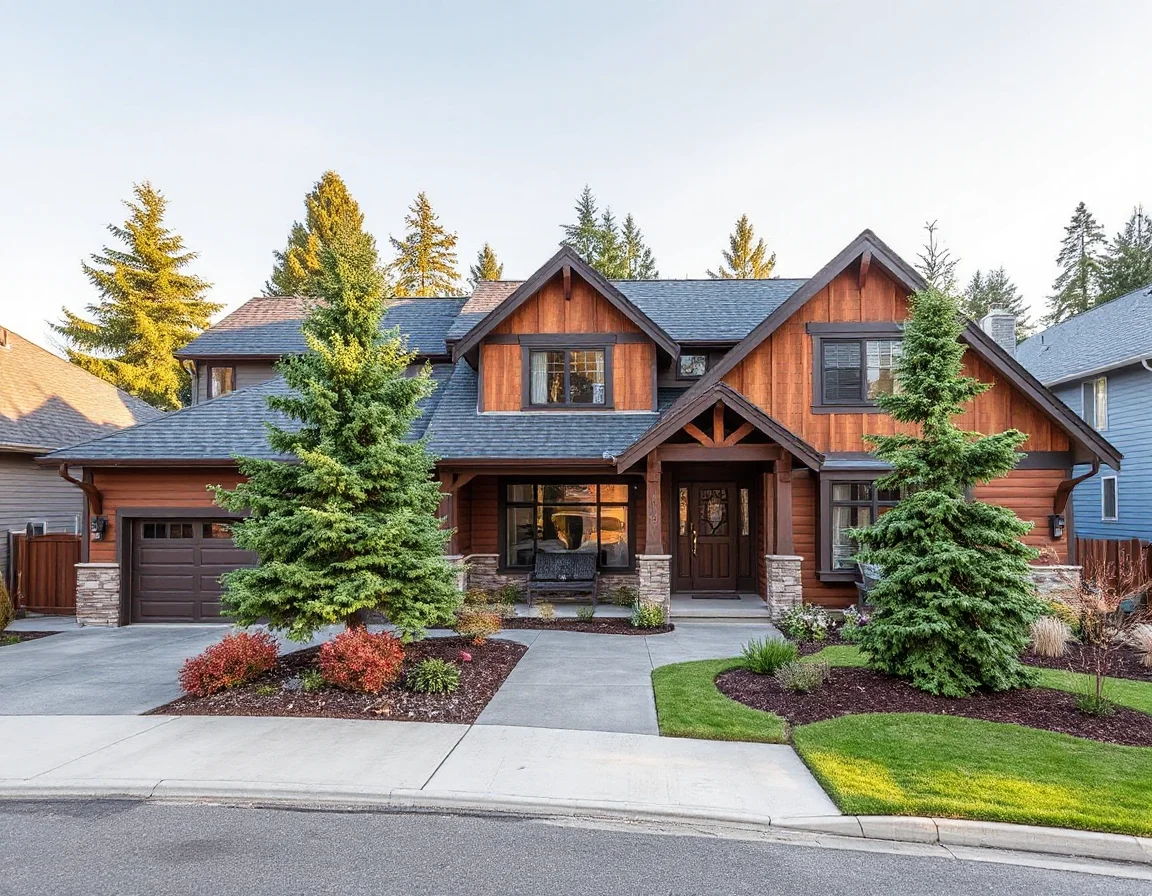
A complete offer may include an earnest-money deposit, financing terms, an inspection contingency, an appraisal contingency, requested closing date, and any seller-provided disclosures or agreements required for review. These terms should be selected thoughtfully, not copied from a previous transaction or rushed into because of market pressure. The goal is to make an offer that is competitive while preserving appropriate due diligence.
If the seller responds with a counteroffer, take time to understand every revision. A counter can address price, possession date, repairs, contingencies, or personal-property items. Your agent can explain the practical effect of each term and help organize a response that reflects your objectives. Once all parties sign, the home moves into escrow and the timeline becomes more specific.
Offer deadlines can be short, but the best preparation happens before a home is selected: proof of funds, lender contact information, and a clear contingency plan should be ready to go.
Use the Inspection and Appraisal Periods Well
After mutual acceptance, buyers typically move into due diligence. A professional home inspection can identify visible conditions and maintenance items in areas such as the roof, structure, electrical systems, plumbing, heating, and major appliances. An inspection is not a pass-or-fail grade; it is a detailed opportunity to understand the property and plan for ownership.
Review the report with perspective. Nearly every home, including newer construction, will have maintenance observations. Focus on material concerns, questions that require specialist review, and costs that may affect the decision to proceed. Depending on the contract and the findings, the buyer may continue as planned, seek additional information, request a credit or repair, renegotiate, or use available contingency rights.
The lender will also arrange an appraisal if financing requires one. The appraiser’s role is to provide an independent opinion of value for the lender, using the home’s characteristics and relevant market data. If the appraisal meets or exceeds the contract price, the loan process generally continues. If value comes in lower, the parties may explore options such as a price adjustment, additional buyer funds, a challenge supported by relevant data, or another negotiated solution.
Keep the Closing Checklist Simple and Organized
In the final stretch, communication matters. The lender may request updated bank statements, explanations for deposits, proof of insurance, or other documents before issuing final approval. Responding promptly and keeping financial activity steady can help prevent unnecessary delays. It is also a good time to confirm how closing funds must be delivered and to remain alert for wire-fraud attempts by independently verifying instructions with the escrow company.
Buyers usually receive a Closing Disclosure before signing, outlining the final loan terms, projected payments, and closing costs. Read it carefully and ask questions about anything that differs from expectations. A final walk-through, often scheduled shortly before closing, is the chance to confirm the property’s condition, verify agreed-upon repairs where applicable, and make sure included items remain at the home.
After signing, recording, and funding are complete, the transaction closes and keys can be released according to the purchase agreement. Keep copies of closing documents, inspection reports, warranties, and service records in one place. Those documents can be helpful for future maintenance, tax planning, refinancing, or an eventual sale.
From preapproval through closing, a Kirkland purchase can involve many moving pieces, but each step serves a purpose. With an organized financial plan, clear property priorities, careful contract review, and responsive professional guidance, buyers can move through the process with more confidence and a better understanding of the decisions ahead.
