
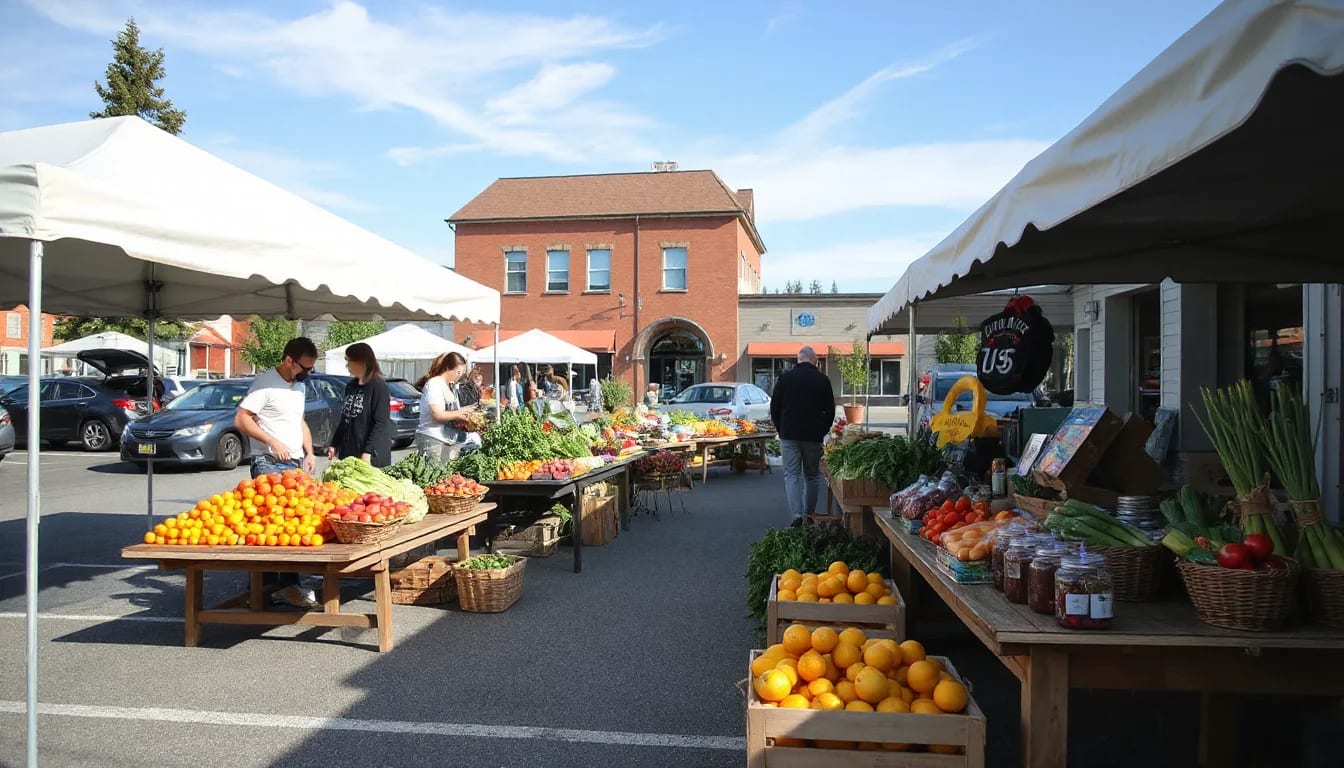
Shoreline offers an easy way to get acquainted with the area: follow the calendar. Seasonal markets, park programs, arts activities, library gatherings, and neighborhood celebrations create regular opportunities to explore local amenities while learning how different parts of the city connect. Whether you are considering a move or simply looking for a new weekend plan, community events can reveal details no listing description can capture.
A Calendar Can Be a Great Introduction to Shoreline
Getting to know a city is often less about checking off a list of landmarks and more about noticing its everyday rhythm. In Shoreline, community events offer a practical, enjoyable window into that rhythm. A morning gathering in a park, an afternoon arts program, or an evening activity at a public venue can show how residents use shared spaces, where local services are located, and how easily different destinations fit into a normal week.

Shoreline’s location north of Seattle gives it access to regional employment centers, transit connections, waterfront-adjacent recreation, and a broad mix of neighborhood-scale destinations. Events provide a low-pressure reason to explore those pieces one at a time. Instead of trying to understand the entire city in one drive, visitors can choose an activity, arrive early, walk a few blocks, and take note of the streets, parks, transit stops, and local gathering places nearby.
Seasonal programming is especially useful for seeing the area in different conditions. Summer activities highlight outdoor spaces and longer evenings, while fall and winter programs can offer a sense of indoor community resources and the pace of the city during the Pacific Northwest’s cooler months. Spring often brings renewed activity in gardens, trails, and public spaces. Each season adds another layer to the picture.
When exploring Shoreline, pair one community event with 20 minutes of unplanned walking or driving nearby. That small extra window often helps you understand parking patterns, transit access, green space, and the feel of surrounding streets.
For anyone comparing homes or neighborhoods, this approach is also refreshingly practical. A property may have an appealing layout or updated finishes, but the broader setting matters too: how errands fit into a day, where recreation happens, and what public amenities are close by. Community calendars turn local research into an experience rather than a spreadsheet.
Where Local Events Tend to Gather
Many Shoreline activities center on the places designed for public life: parks, recreation facilities, libraries, schools used for community programming, and shared gathering spaces. These locations are worth recognizing because they often become useful reference points when navigating the city. They can also make an afternoon outing feel more complete, especially when an event is combined with a nearby trail, playground, sports field, or open lawn.
The City of Shoreline’s parks and recreation programming is a helpful starting point for seasonal classes, performances, outdoor activities, and community-oriented events. The library system is another resource to watch for workshops, reading programs, cultural presentations, and other gatherings that take place throughout the year. Schedules change, so checking official calendars before heading out is the best way to confirm dates, locations, registration requirements, and weather plans.
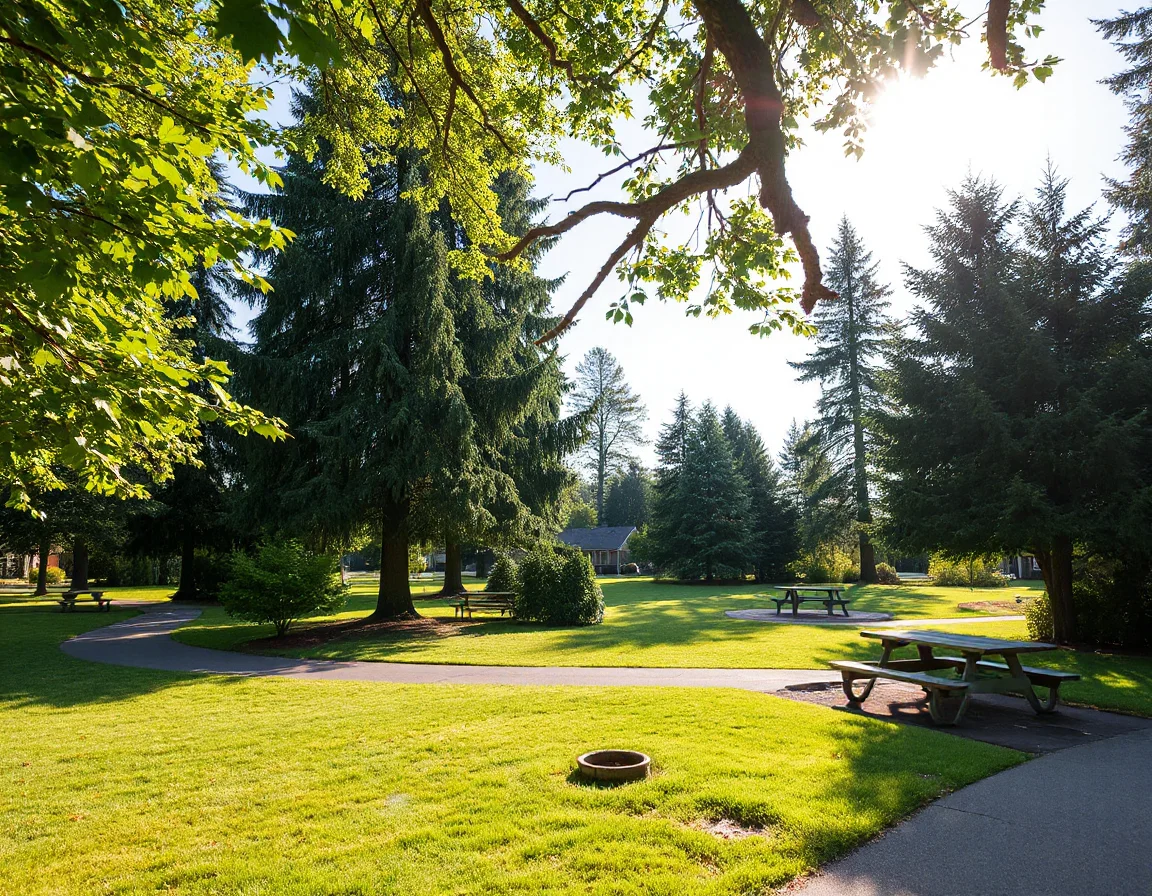
Outdoor events are particularly good for noticing how Shoreline’s green spaces function. A concert, volunteer day, recreational program, or small festival can offer a natural reason to linger and observe the landscape. Look for trail connections, covered areas, seating, bike access, public restrooms where available, and the practical details that make a park convenient for repeat visits. These are the kinds of features that can be easy to overlook during a quick property tour.
Arts and local-interest gatherings bring another perspective. They can spotlight the creative energy of the area and introduce venues that may not be on a typical real estate search route. A community performance, exhibit, or maker-focused program may be a chance to discover a civic building, public plaza, or neighborhood center that becomes part of your regular routine after moving.
It is also worth paying attention to timing. Weekday programs may offer insight into commuting patterns and daytime activity, while weekend events can reveal how a location feels when more people are out enjoying parks and shared spaces. Neither moment tells the whole story, but together they create a more rounded understanding of the area.
Explore Shoreline area information
Make a Simple Shoreline Event-Day Plan
A little planning makes it easier to turn an event into a meaningful area visit. Start by selecting one item from an official community calendar, then map the route from where you are coming from. Give yourself time before or after the event to visit a nearby park, walk a residential street, or stop at a public gathering area. The goal is not to judge an entire neighborhood in an hour; it is to collect firsthand impressions over several visits.
Bring a short list of questions that focus on your own daily needs. You might consider how long the trip took, what transportation options you noticed, whether outdoor spaces are easy to access, and which amenities would be useful during a regular week. If you are evaluating a home purchase, repeat the exercise at different times of day. A Saturday afternoon event and a weekday morning errand can provide two very different, equally valuable views.
The most useful local research is repeatable: choose a few destinations you would realistically use, then visit them on different days before making a housing decision.
Community events can also be a smart complement to online home searching. Listing photos and market data help narrow options, while in-person exploration adds context around location and lifestyle. Shoreline includes a range of housing styles and settings, so seeing the city through its parks, programs, and public spaces can help clarify what features matter most to you.
Keep Exploring Beyond the Event
The best part of a community calendar is that it keeps changing. One month may bring an outdoor activity, while another offers an arts program, volunteer opportunity, or neighborhood gathering. Returning over time gives you a more authentic sense of Shoreline’s seasonal pace and introduces new corners of the area without requiring a formal itinerary.
For buyers, sellers, property owners, and people considering a future move, that familiarity can be valuable. It connects market research to real places: the park where an event was held, the route that felt convenient, the community resource you discovered, or the local activity you may want to attend again. Shoreline is best understood gradually, and its community events offer an inviting place to begin.
