

Buying a first home in Ballard is easier to navigate when the process is broken into clear, practical decisions: prepare financing, define your search, evaluate each property carefully, and keep the closing timeline organized. This guide outlines what happens at every stage so you can move from an early budget conversation to receiving the keys with fewer surprises.
Begin With a Clear Financial Picture
Before comparing listings, spend time understanding the full cost of a purchase. A down payment is only one part of the equation. Buyers also commonly plan for earnest money, lender fees, appraisal costs, inspection costs, prepaid insurance or taxes, and moving expenses. Reviewing these categories early can make it easier to set a price range that feels sustainable rather than focusing only on a maximum approval amount.

A strong first step is to review income, monthly obligations, savings, and credit history before speaking with a lender. Credit reports can contain errors, and resolving them may take time. If possible, avoid opening new credit accounts or making large financed purchases while preparing to buy, since changes in debt or available credit can affect loan underwriting.
Then, seek a written preapproval from a lender. Prequalification can provide a preliminary estimate, but a preapproval usually includes a closer review of documentation such as pay stubs, tax returns, bank statements, and employment information. It gives you a more reliable working budget and helps sellers understand that your financing has been evaluated.
Ask your lender for an estimated monthly payment at several price points, not just one. Comparing principal, interest, property taxes, insurance, and any homeowner association dues can make a search range far more useful.
Washington buyers may choose among conventional, FHA, VA, and other financing programs depending on eligibility and property type. Each option has different requirements for down payment, mortgage insurance, reserves, and appraisal standards. A lender can explain the tradeoffs, while your real estate professional can help you understand how financing terms may affect an offer in a competitive situation.
Build a Ballard Search Around Daily Priorities
Ballard offers a mix of older residences, newer condominiums, townhomes, and detached houses, so it helps to identify which features carry the most weight before touring begins. Consider practical questions: How much space is needed now? Is outdoor area important? Would you prefer a lower-maintenance condo, a home with a yard, or a location near transit, parks, grocery options, and neighborhood services?
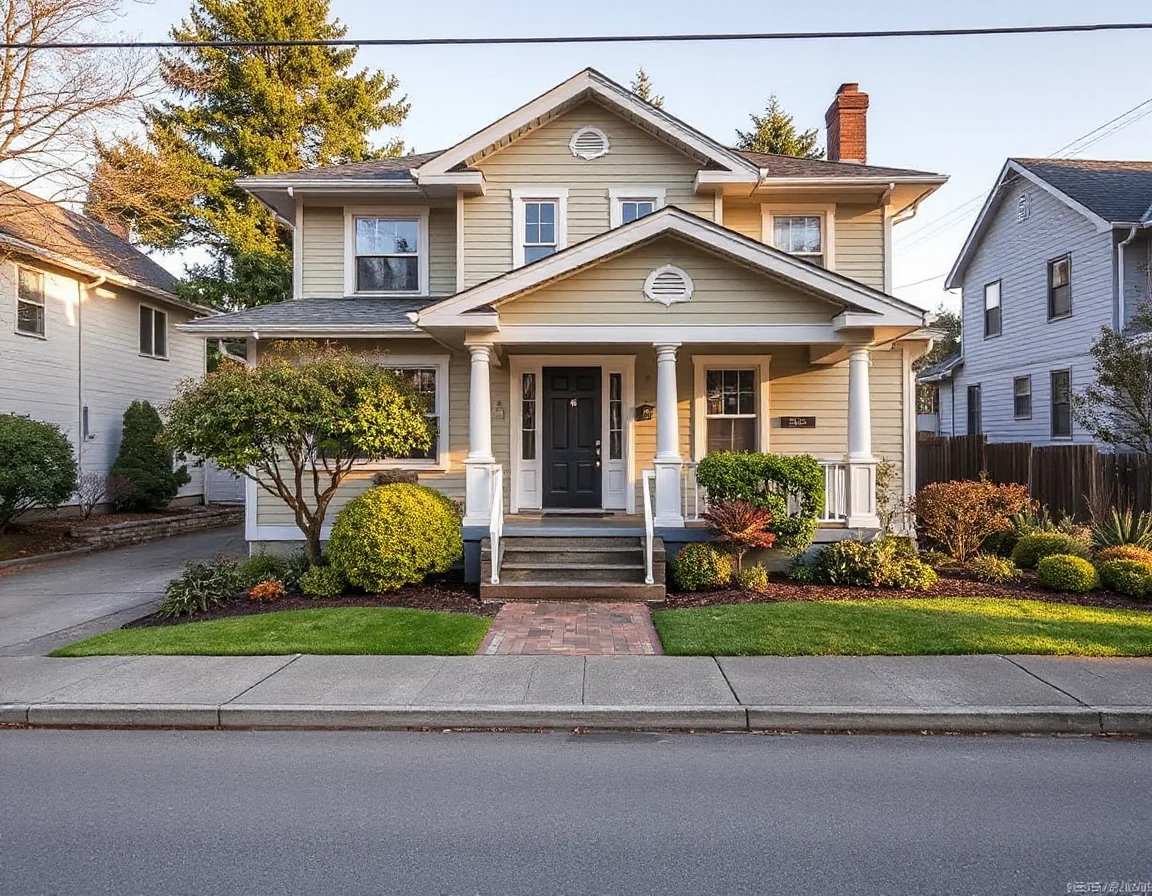
It is useful to separate preferences into three categories: must-haves, strong preferences, and features that would be nice but are not essential. For example, a particular number of bedrooms may be a must-have, while a remodeled kitchen or specific architectural detail may be a preference. This list makes it easier to compare homes consistently after several tours.
Property condition deserves the same attention as square footage and finishes. In established Seattle neighborhoods, homes can vary widely in age and renovation history. During visits, note roof condition, windows, drainage, heating systems, electrical panels, visible moisture, and the apparent age of major appliances. These observations are not a substitute for a professional inspection, but they can help you decide which homes merit a closer look.
Condominium buyers should also review association documents, budgets, meeting notes, reserve information, rental policies, and any planned special assessments. Those documents offer useful context about ongoing ownership costs and building maintenance. A careful review before removing contingencies can prevent a last-minute surprise.
Tour, Compare, and Write a Thoughtful Offer
Once a promising home appears, move beyond the listing photos. Tour at a pace that allows time to inspect storage, room flow, natural light, parking arrangements, outdoor spaces, and nearby street conditions. If possible, revisit the block at another time of day to observe traffic patterns, noise levels, and access to the routes and amenities that matter to you.
Offers in Washington typically bring together price, financing details, earnest money, inspection terms, appraisal considerations, closing date, and other contract provisions. Price matters, but it is not the only factor a seller may consider. A clean offer that matches a seller’s requested timeline and has well-defined terms can be easier to evaluate than an offer with unanswered questions.
Earnest money is a good-faith deposit submitted after mutual acceptance under the terms of the agreement. It is generally applied toward the purchase at closing, although the contract determines how it is handled if the transaction does not close. Your broker can explain the deadlines and contingencies in the offer so you know what action is required and when.
- Review comparable recent sales rather than relying on list price alone.
- Discuss an offer price and escalation strategy, if appropriate for the property.
- Understand the inspection timeline before submitting an offer.
- Keep copies of lender communication and signed documents in one accessible place.
- Ask questions about any contract language that is unclear before signing.
Move Through Inspection, Appraisal, and Loan Approval
After an offer is accepted, the transaction shifts from searching to due diligence. The inspection period is an opportunity to hire qualified professionals and learn about the home’s systems and condition. An inspection report often identifies both routine maintenance items and concerns that may require additional evaluation. The purpose is to make an informed decision, not to expect an older home to perform like newly built construction.
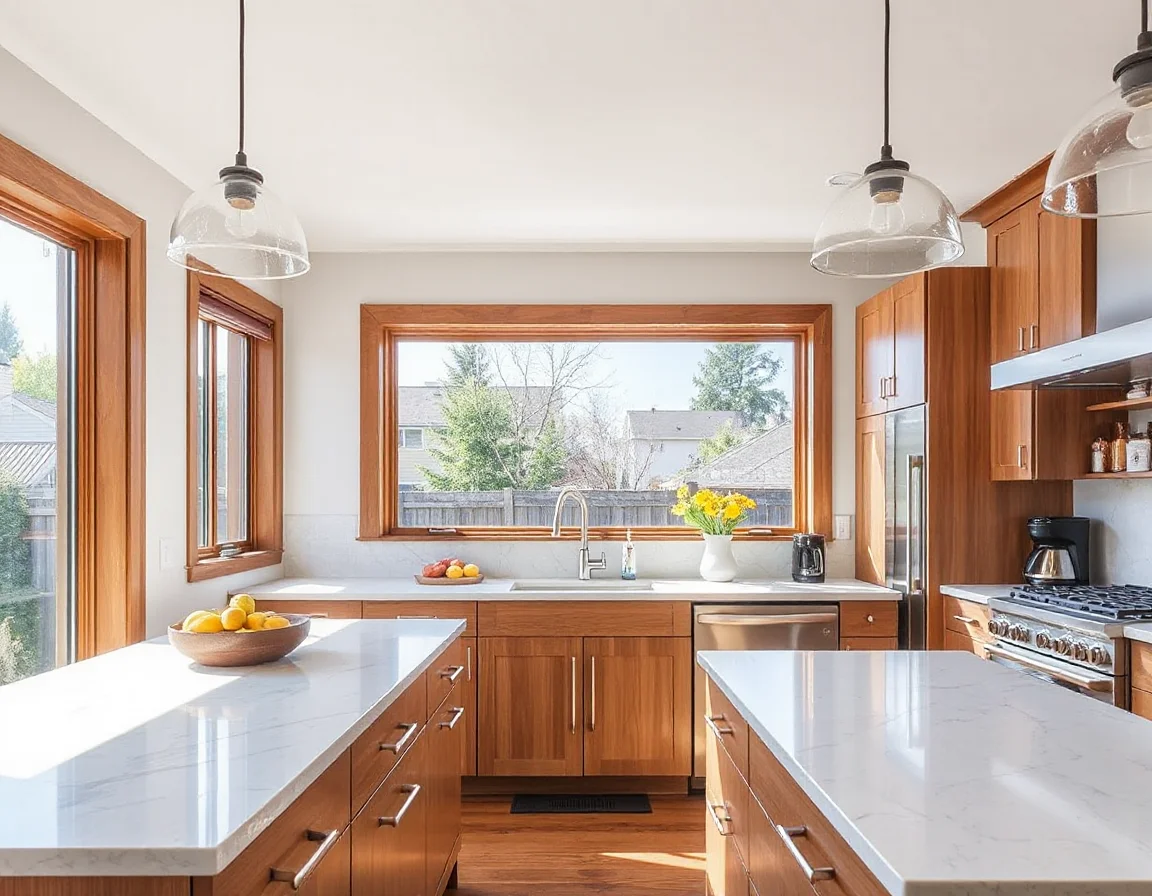
Your lender will also coordinate the appraisal. The appraiser provides an independent opinion of value for the lender’s use, based on the property and relevant market information. If the appraised value differs from the contract price, the parties may explore options described in the purchase agreement, which can include revisiting price, financing, or other terms.
Underwriting can feel document-heavy, especially for first-time buyers. Be prepared to promptly provide updated statements, explanations for unusual deposits, proof of insurance, and any requested employment or asset documentation. Responding quickly helps keep the closing schedule on track. It is also wise to avoid changing jobs, transferring large sums without documentation, or adding debt until after the transaction closes.
The final week before closing is a time for accuracy, not assumptions. Confirm wire instructions by phone using a trusted number, review your closing disclosure carefully, and never rely on emailed payment changes without independent verification.
A final walkthrough usually occurs shortly before closing. This is not another inspection; it is a chance to verify that the property is in substantially the expected condition, agreed repairs are complete if applicable, and included items remain in place. Bring the contract and repair documentation so the walkthrough has a clear checklist.
Closing Day and the First Weeks of Ownership
Closing typically involves signing loan and transfer documents, delivering funds as instructed by the closing team, and waiting for the deed to record. Timing can vary, so your lender, escrow officer, and broker will explain the schedule for your transaction. Once recording is complete, you can receive confirmation and begin planning the move.
Keep a dedicated home file after closing. Save the settlement statement, inspection report, warranties, appliance manuals, contractor records, and receipts for improvements. These documents can be helpful for maintenance planning, insurance claims, future refinancing, or an eventual sale. Set aside a reserve for routine repairs as well; even a well-maintained property will need attention over time.
Buying in Ballard is not about finding a flawless property or predicting every market change. It is about making a well-supported decision based on your budget, goals, property research, and contract protections. With clear preparation and a responsive team, closing day can feel less like a finish line and more like the beginning of a confident next chapter.
