
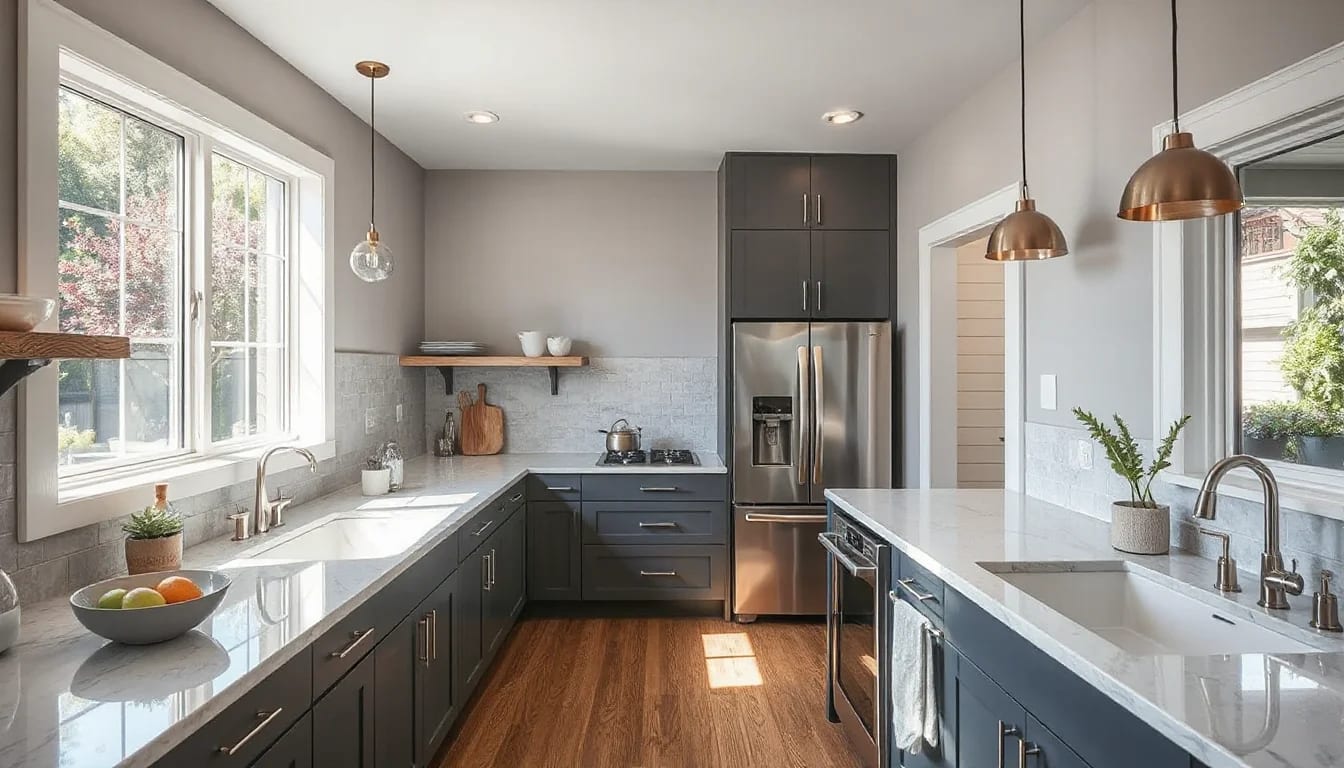
A well-planned bathroom update can make the daily routine more comfortable while helping a Bellevue home show with confidence when it is time to sell. The most effective projects prioritize durable materials, practical storage, lighting, ventilation, and a cohesive finish level instead of chasing every passing trend. This guide helps homeowners decide where to invest, where to simplify, and how to keep a renovation aligned with the rest of the property.
Start With the Way the Room Works
A bathroom can look polished in photographs and still feel frustrating every morning if the layout, lighting, or storage has not been considered. Before selecting tile or fixtures, take stock of the room’s daily friction points: a vanity with limited counter space, a shower that is difficult to keep clean, insufficient task lighting, or towels without a convenient place to land. In Bellevue, where homes range from older established properties to newer construction, the highest-value upgrade is often not the most elaborate one—it is the one that makes the room work more intuitively.
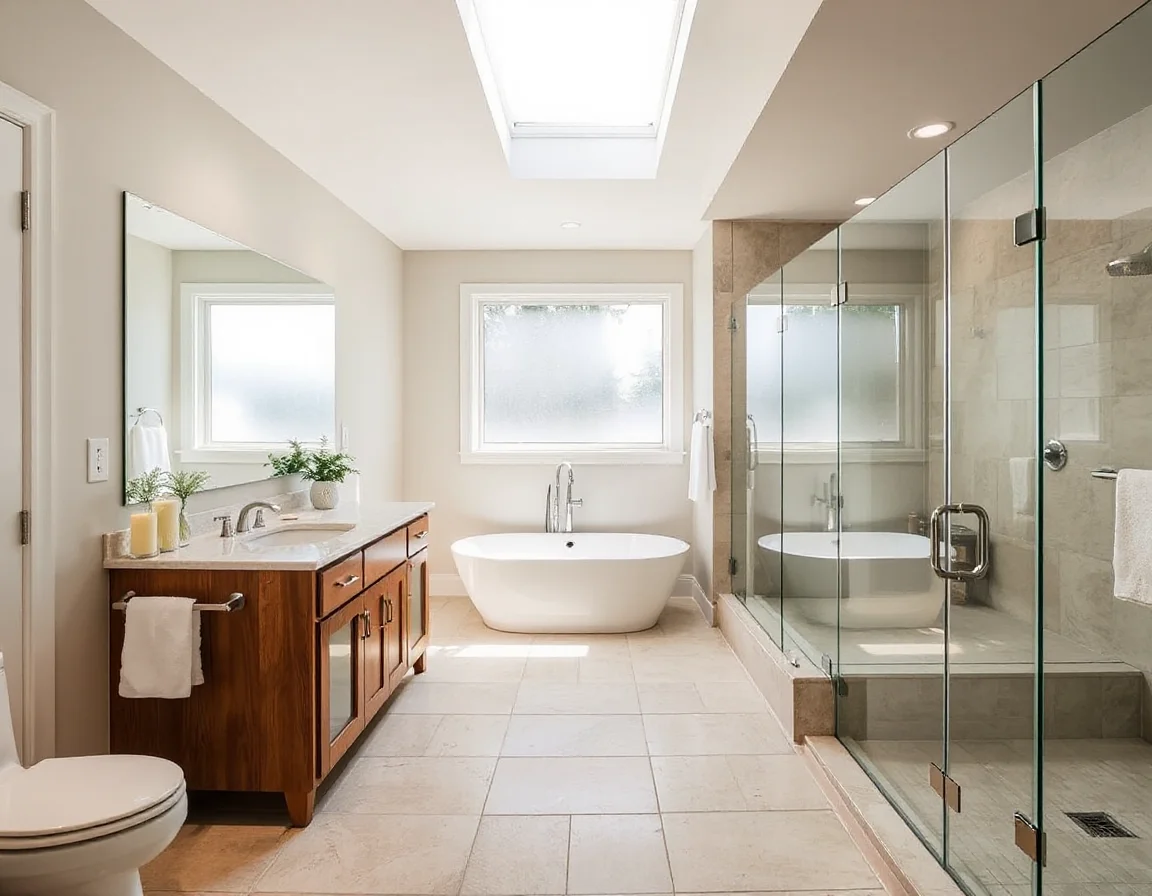
Layout should lead the decision-making. If the footprint allows it, improving circulation around the vanity, shower entry, and toilet area can have a larger day-to-day impact than adding decorative detail. A wider vanity, recessed medicine cabinet, built-in shower niche, and thoughtfully placed hooks are modest changes that reduce visual clutter. These choices also communicate care to future buyers because they are easy to notice during a showing and useful long after move-in day.
For a larger renovation, it helps to distinguish between changes that require moving plumbing and changes that work within the existing rough-in locations. Moving a shower drain, toilet, or major supply lines can add complexity and cost quickly. Keeping the basic plumbing plan while replacing dated finishes may free up budget for better cabinetry, a quality shower system, or electrical work that improves lighting and ventilation.
A bathroom does not need a full redesign to feel substantially better. Better lighting, useful storage, a fresh vanity, and a clean shower enclosure often deliver the most visible improvement per dollar spent.
Accessibility and long-term usability are also worth considering without making the room feel clinical. A curbless shower where feasible, a hand shower on an adjustable rail, lever-style faucet handles, and wider clearances can support a more flexible space. These elements can be incorporated in a refined, contemporary design and may broaden the bathroom’s practical appeal over time.
Choose Materials That Look Good Beyond One Season
Bathrooms are high-use spaces, so resale-minded choices need to stand up to moisture, cleaning, and changing design preferences. Neutral does not have to mean bland. Soft white, warm gray, muted stone, natural wood tones, and matte metal finishes can create a calm foundation while allowing the architecture of the home to remain the focal point. If a bold element appeals to you, consider using it in a mirror, light fixture, paint color, or removable accessory rather than in an expensive permanent surface.
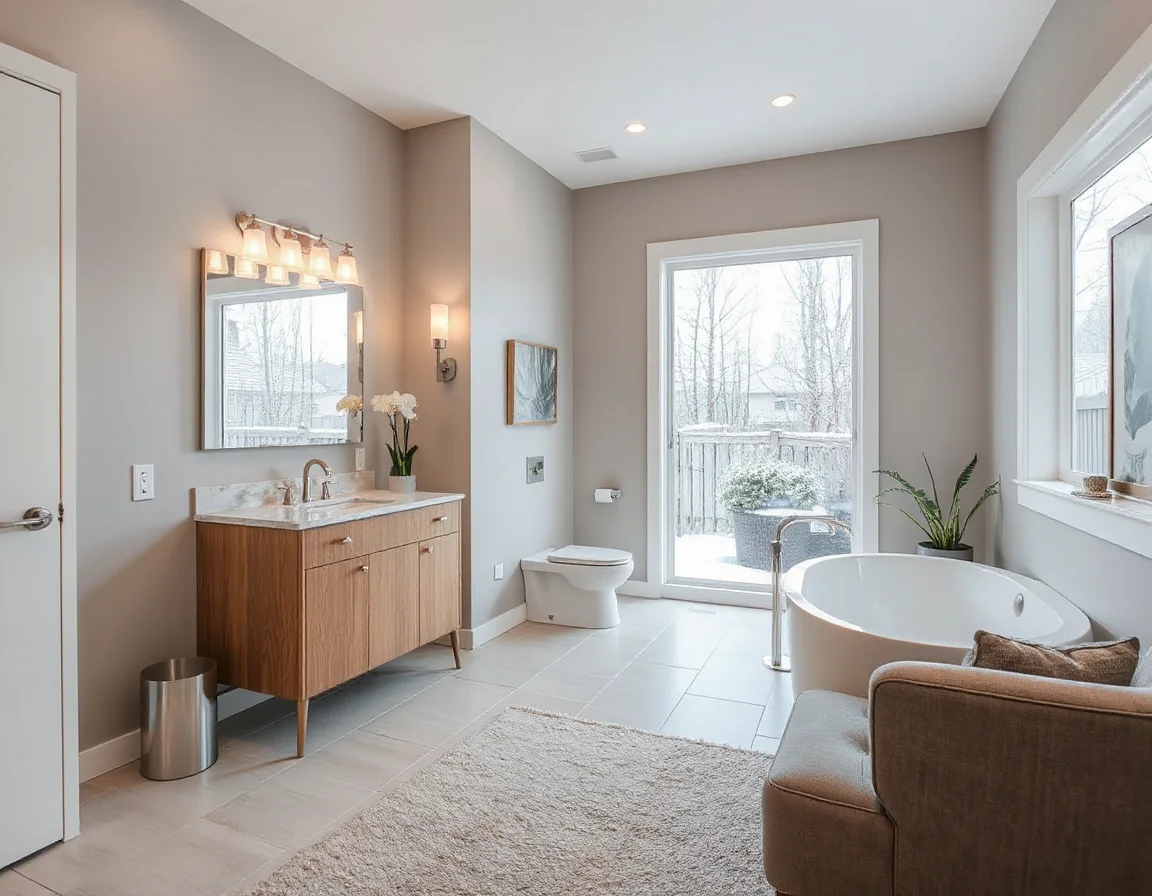
Porcelain tile remains a practical choice for floors and shower walls because it offers a broad range of colors and textures with straightforward maintenance. Large-format tile can create a streamlined appearance with fewer grout lines, while smaller mosaic tile can add traction and visual interest on a shower floor. Whatever the size, choose grout and sealants suited to wet areas, and ask installers about the maintenance routine before finalizing the design.
Vanity selection deserves careful attention. Storage is generally more useful than an open-base cabinet that leaves toiletries exposed, and soft-close drawers make better use of deep cabinet space than a single large door. Quartz countertops are popular for their durability and consistency, while natural stone may require more upkeep. A vanity should fit the scale of the room: an oversized cabinet can make a compact bath feel crowded, while an undersized one can leave the room looking unfinished.
Fixtures are another area where consistency matters. Matching the finish family across faucets, cabinet hardware, shower trim, and lighting gives the room a finished appearance without requiring every item to come from the same collection. Brushed nickel, chrome, matte black, and warmer metallic finishes can all work; the key is selecting a finish that complements the home’s broader style rather than treating the bathroom as an unrelated design experiment.
When comparing bids, ask what is included behind the walls: waterproofing, ventilation, electrical updates, permits, and finish installation can matter far more than a small difference in the tile allowance.
Lighting, Airflow, and Water Management Matter
Some of the most valuable bathroom improvements are nearly invisible. A properly sized exhaust fan helps manage moisture, protects finishes, and supports a more comfortable room. In a renovation, consider a quiet fan with a timer or humidity sensor so it is more likely to be used consistently. If the home has older electrical systems, confirm that outlets, lighting, and required protection are addressed by qualified professionals and according to local requirements.
Layered lighting makes both everyday tasks and listing photography stronger. Overhead illumination provides general brightness, but vanity lighting at face level can reduce shadows for grooming. A dimmer gives the room flexibility, while a well-placed mirror can help distribute natural light. In windowed bathrooms, privacy treatments should preserve as much daylight as practical without sacrificing the room’s function.
Water management deserves equal attention. Shower pans, waterproof membranes, slope, drain placement, caulking, and transitions between materials are not the glamorous parts of a remodel, but they are the details that help protect the investment. Keep invoices, warranty information, permits, material specifications, and before-and-after photos in a dedicated folder. When selling, clear documentation can help explain the scope and care behind completed work.
Match the Upgrade to the Home and Your Timeline
A bathroom renovation should feel proportional to the property. In a home with a cohesive, updated interior, a dated bathroom may stand out more sharply; in a home that needs broader updates, a targeted refresh may be the wiser first step. Paint, new lighting, a current mirror, refreshed hardware, regrouted tile, and a professionally cleaned glass enclosure can shift the impression of a bathroom without the cost and disruption of a full remodel.
If a sale may be on the horizon, avoid assuming that the most expensive option will automatically produce the best return. Local buyer preferences, competing listings, condition elsewhere in the home, and the expected timing of a sale all shape the answer. A real estate professional can help place the project in context before work begins, especially when deciding between a focused refresh and a complete renovation.
Get a home valuation before planning major updates
For homeowners staying put, the calculation can be more personal: prioritize the features that make the space easier to use and maintain, then select finishes that will age gracefully. A bathroom that feels organized, bright, and thoughtfully finished can serve the household well now while remaining an asset when plans change later.
Whether the goal is a simple refresh or a more comprehensive transformation, the strongest Bellevue bathroom upgrades combine disciplined planning with durable choices. Focus on function first, invest in the details that control moisture and usability, and let the finishes support the home’s overall character. The result is a room that feels good to use every day and presents a clear, well-cared-for story when prospective buyers walk through the door.
