
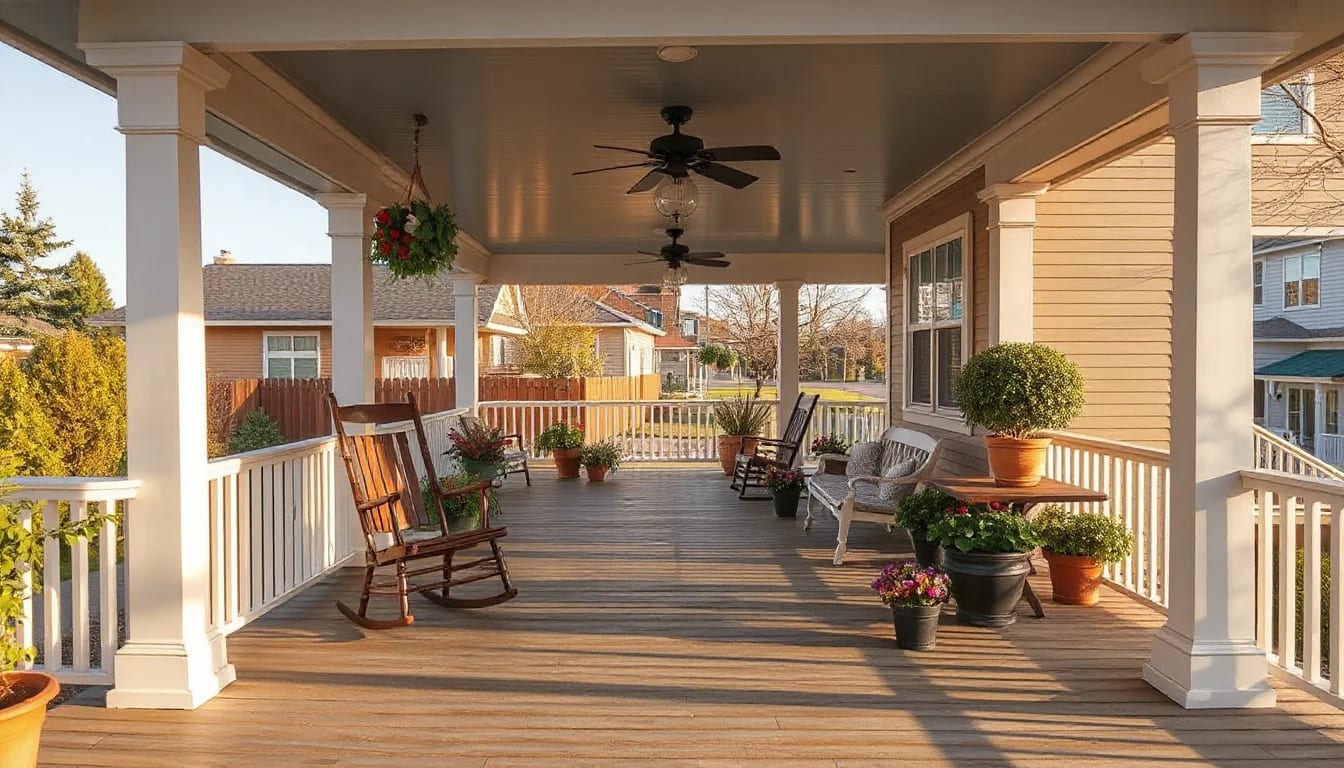
A home inspection is more than a box to check before closing: it is your clearest opportunity to understand a property’s systems, maintenance needs, and likely next steps. These Shoreline buyer tips can help you prepare for the inspection, ask more useful questions, and make decisions with a complete picture of the home.
Start With the Inspection Contingency
After an offer is accepted, the inspection period often moves quickly. Review the dates, timelines, and contingency language in your purchase agreement as soon as possible, then schedule a qualified inspector promptly. A thorough inspection does not guarantee that every future repair will be discovered, but it can identify visible conditions and accessible components that deserve attention before closing.
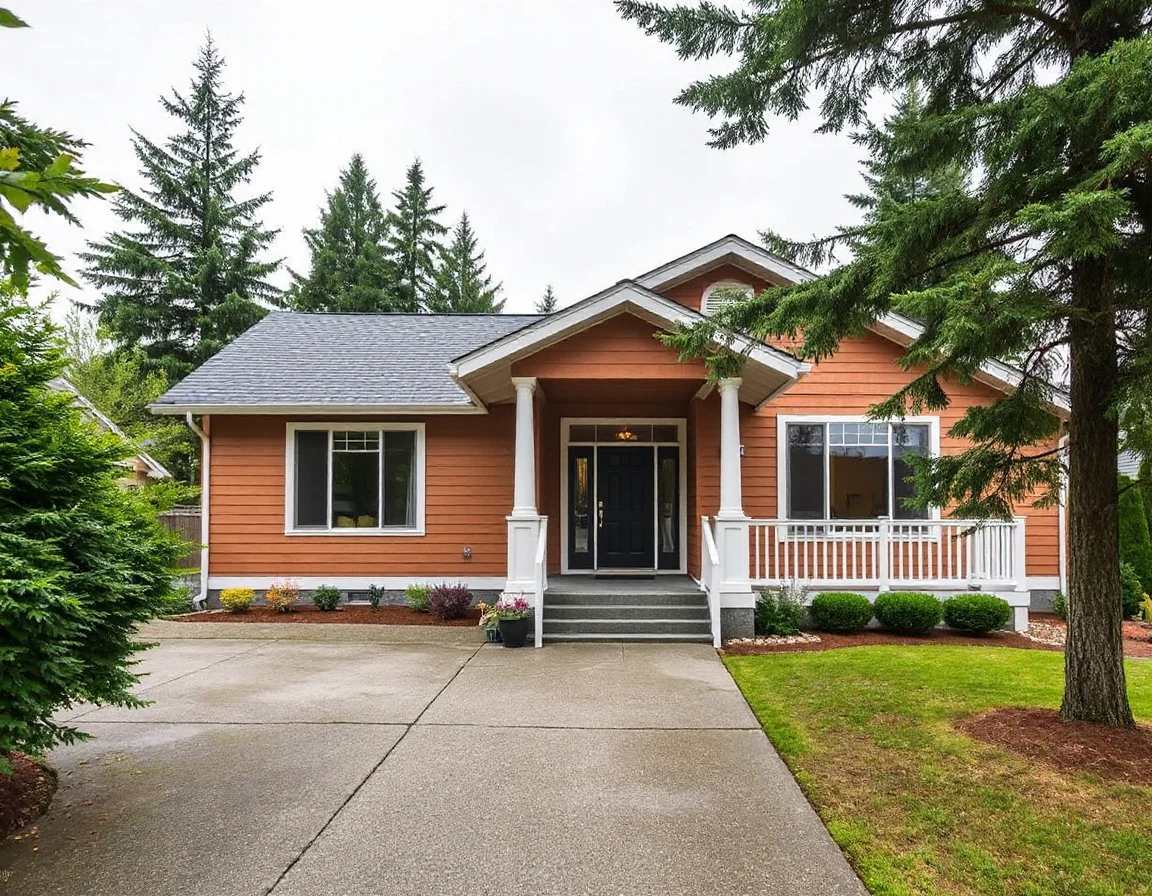
Before the appointment, read the seller disclosure carefully and make a short list of items you want to see in person. Pay attention to notes about prior water intrusion, roofing work, remodeling, drainage, heating systems, sewer connections, permits, or insurance claims. The disclosure is not a substitute for an inspection, but it gives you useful context for the inspector’s findings.
It is generally helpful for buyers to attend at least part of the inspection, especially near the end when the inspector can walk through major observations. Rather than trying to diagnose every detail on the spot, focus on understanding the condition, location, and possible impact of each issue. Ask what routine maintenance looks like, whether a specialist should evaluate the item, and whether there are signs of an active problem versus normal aging.
The most valuable inspection question is often not “Is this perfect?” but “What should I address first, and what can I budget for over time?”
Bring a notebook or use a phone to capture questions after the walkthrough. Inspection reports can be lengthy, and many findings are maintenance recommendations rather than urgent defects. A calm review after the appointment makes it easier to separate everyday upkeep from items that may affect comfort, function, or future costs.
Pay Close Attention to Water, Drainage, and the Roof
In the Pacific Northwest, water management deserves careful attention. During the inspection, look at roof coverings, gutters, downspouts, flashing, exterior grading, crawl spaces, basements, and visible signs of moisture around windows or doors. Even a home with an attractive exterior can need ongoing work to keep water moving away from the structure.
Ask the inspector to explain any staining, soft materials, moss accumulation, damaged caulking, standing water, or drainage concerns in plain terms. Some conditions may be minor maintenance projects, while others may call for a roofing contractor, drainage professional, or additional evaluation. If the inspector cannot access a component because of storage, locked areas, or unsafe conditions, make a note of it and discuss next steps before your contingency period ends.
Older properties may have systems that were common when the home was built but warrant closer review today. Depending on the property, that could include galvanized plumbing, aging electrical panels, older insulation, original windows, or a sewer line that has not been recently scoped. A general home inspection is broad by design; specialized inspections can provide a more detailed assessment when the initial report points to a concern.
Review the home buying process
Look Beyond Cosmetic Updates
Fresh paint, new flooring, and updated fixtures can make a home feel move-in ready, but buyers should also look at the components behind the finishes. During the inspection, consider the age and apparent condition of the heating equipment, water heater, electrical service, plumbing supply lines, ventilation, attic insulation, and visible foundation areas. These are the systems that shape daily use long after the staging has been removed.
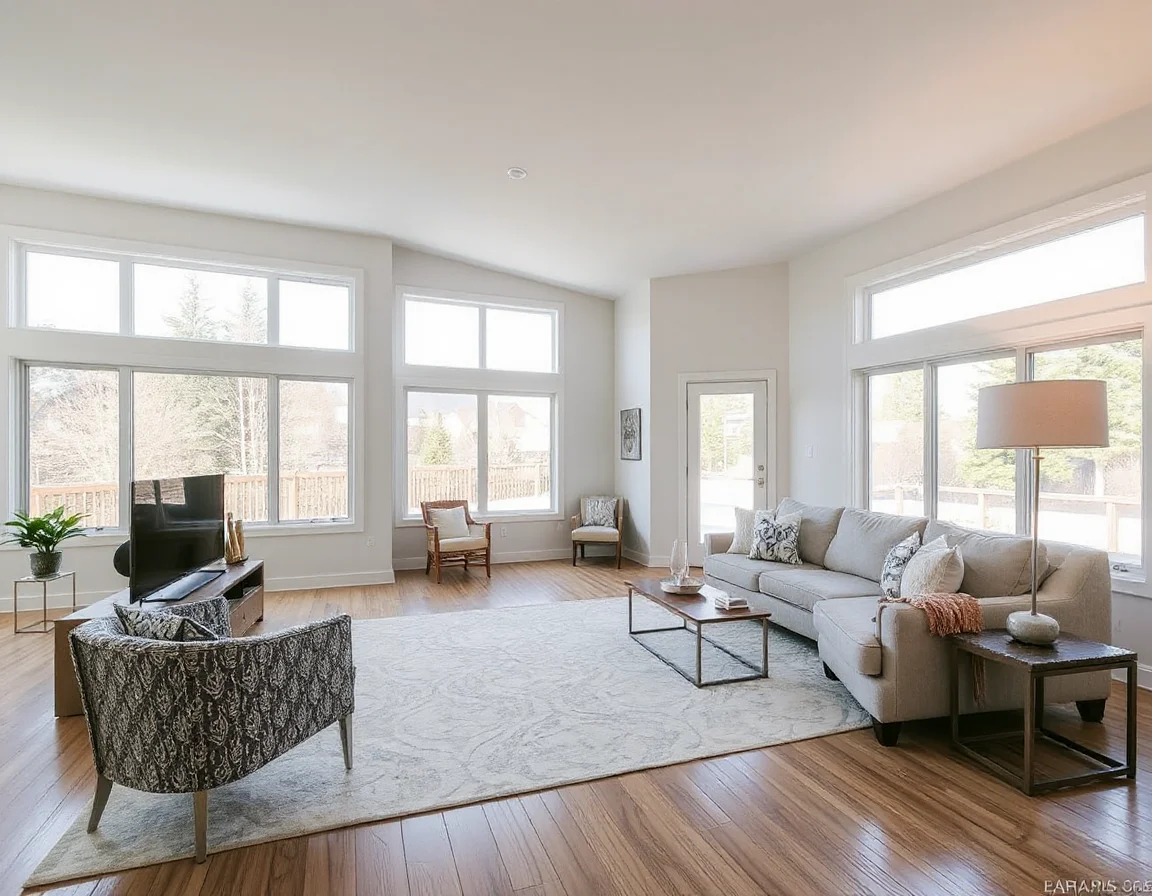
Test what you are allowed to test during the walkthrough. Open and close accessible windows and doors, operate visible light switches, run faucets, flush toilets, and note whether appliances are included in the sale. Inspectors typically check many of these items as well, yet observing how the home functions can help you understand the report and identify questions about items that matter most to you.
Electrical findings deserve context. An inspector may note missing ground-fault protection, ungrounded outlets, older wiring, or a panel that should be reviewed by a licensed electrician. These observations do not automatically mean a home is unworkable; they help you understand the scope of possible updates and obtain qualified estimates when needed.
Similarly, an older furnace or water heater may still be functioning at the inspection, even if it is nearing the end of its typical service life. Ask for model numbers, approximate ages, and maintenance recommendations. This turns a vague concern into a practical planning item, allowing you to consider reserves for future replacement after closing.
Use the Report to Make a Focused Decision
Once the written report arrives, avoid treating its length as a scorecard. Most homes, including well-maintained ones, will have a list of observations. Organize the findings into three simple groups: health or safety concerns, items needing near-term repair or further evaluation, and routine maintenance. Then gather estimates where appropriate so you are making choices based on information rather than uncertainty.
Depending on the purchase agreement and inspection contingency, buyers may proceed as written, request repairs, ask for a credit, seek additional information, or make another decision permitted under the contract. Keep requests focused on material issues and documented findings. Contractors, inspectors, and real estate professionals each have distinct roles, and clear written information helps everyone discuss the options productively.
A sewer scope, roof review, or electrical evaluation can be a worthwhile follow-up when the general inspection identifies a condition that needs a closer look.
Remember that a repair request is not the same as a future maintenance plan. Even when a seller completes an agreed repair, keep copies of reports, invoices, warranties, and photos in a home file. Those records can be useful when scheduling later maintenance, comparing contractor recommendations, or preparing to sell in the future.
Prepare for Closing With a Practical Home File
The final walkthrough is your opportunity to confirm the home’s condition is substantially consistent with the agreement and that agreed items are addressed. Bring the inspection report, any repair addenda, and relevant receipts or documentation. Verify that included appliances and fixtures remain in place, and raise questions promptly if something appears different from what was agreed upon.
After closing, prioritize the routine tasks that support long-term ownership: learn where the main water shutoff and electrical panel are located, replace HVAC filters if needed, clean gutters on an appropriate schedule, review drainage after heavy rain, and keep up with manufacturer-recommended servicing. Small, regular actions can protect the systems that make a house function well.
For Shoreline home buyers, a thoughtful inspection process is about clarity, not finding a flawless property. With the right questions, timely follow-up, and a realistic maintenance plan, you can move toward closing with a stronger understanding of the home and the work it may need over time.