

Bellevue condo timing is rarely about finding one perfect market-wide moment. By watching new listings, days on market, price adjustments, competing inventory, and building-level costs together, buyers and sellers can make decisions with more context and less guesswork. The most useful signal is often not a headline—it is the pattern emerging in the specific buildings and price ranges you are considering.
Read the Bellevue Condo Market Beyond the Headline
Condo market reports can provide a helpful starting point, but a single median price or monthly inventory count cannot tell the full story in Bellevue. Condominiums vary widely by location, age, view orientation, square footage, amenities, parking, monthly dues, and rental policies. A newer residence near transit and employment centers may attract attention on a different schedule than a larger established unit with a more traditional floor plan.
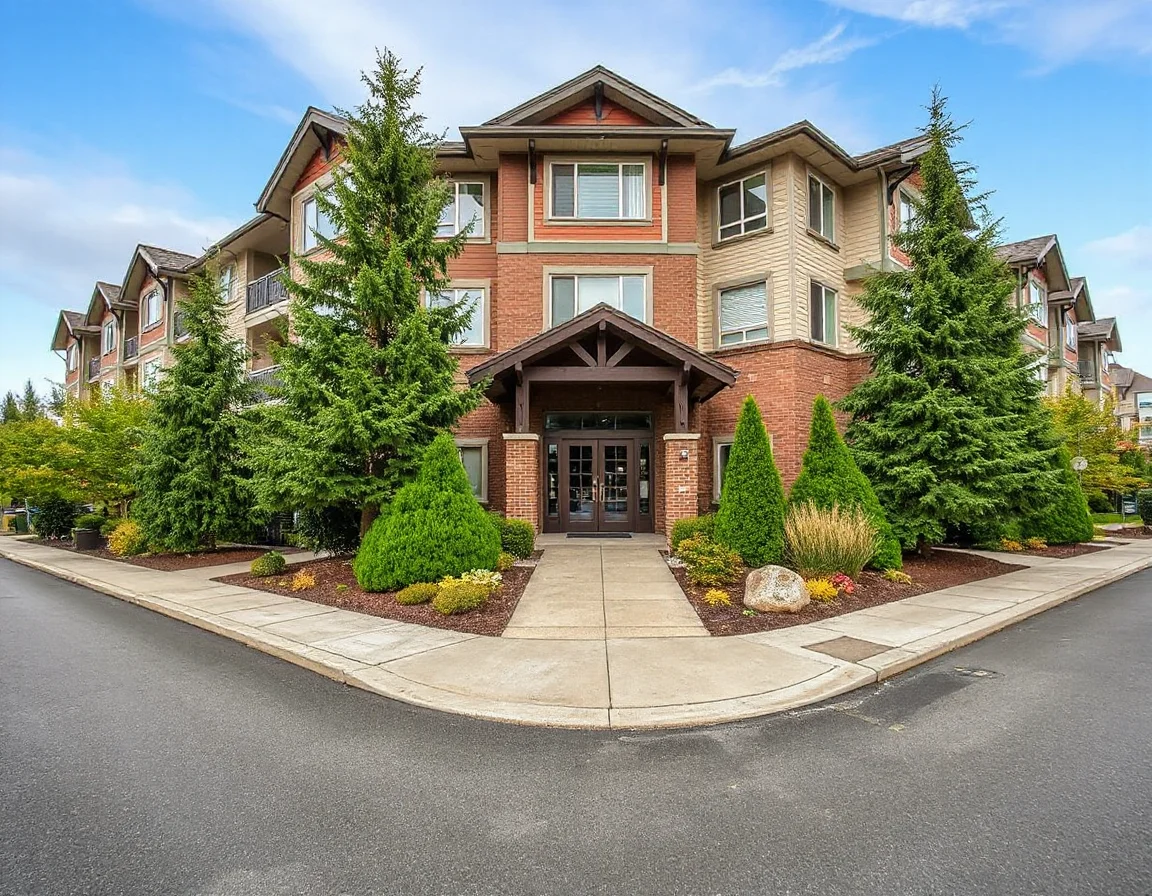
That is why micro-market evidence matters. Start with comparable active listings in the same building whenever possible, then widen the search to nearby buildings with a similar age, finish level, and amenity profile. Note whether listings are arriving steadily, sitting without movement, or going pending soon after they appear. These details reveal far more about current competition than broad regional averages alone.
For buyers, supply is best viewed as both a count and a quality question. Ten available homes may not create meaningful choice if only two match your desired layout, parking needs, monthly budget, and location preferences. For sellers, the relevant comparison set is not every condo on the market; it is the set of homes a prospective buyer may view before or after seeing yours.
Pay attention to listing freshness as well. A new listing can generate early interest simply because it is newly visible, while a longer-running listing may signal a pricing conversation, a presentation opportunity, or a feature that needs clearer explanation. Neither situation automatically determines value, but both influence how a property should be positioned.
In a condo search, the most actionable inventory number is often the count of truly comparable active homes—not the total number of condos listed across all of Bellevue.
Supply Signals That Can Shape a Buying Strategy
When inventory begins to build, buyers may have more time to compare documents, revisit a property, and consider how each home fits their long-term plans. That does not necessarily mean every seller will accept a lower offer. Well-prepared listings with strong condition, desirable layouts, and pricing aligned with recent sales can still move efficiently, even when more choices are available.
A thoughtful search strategy separates urgency from opportunity. Track which listings return to the market, which ones adjust their asking price, and which ones go pending after a period of quiet. If a home has been available for several weeks, review whether it is competing against newer listings, whether its price has moved relative to the market, and whether the seller has provided clear information about dues, reserves, assessments, and building maintenance.
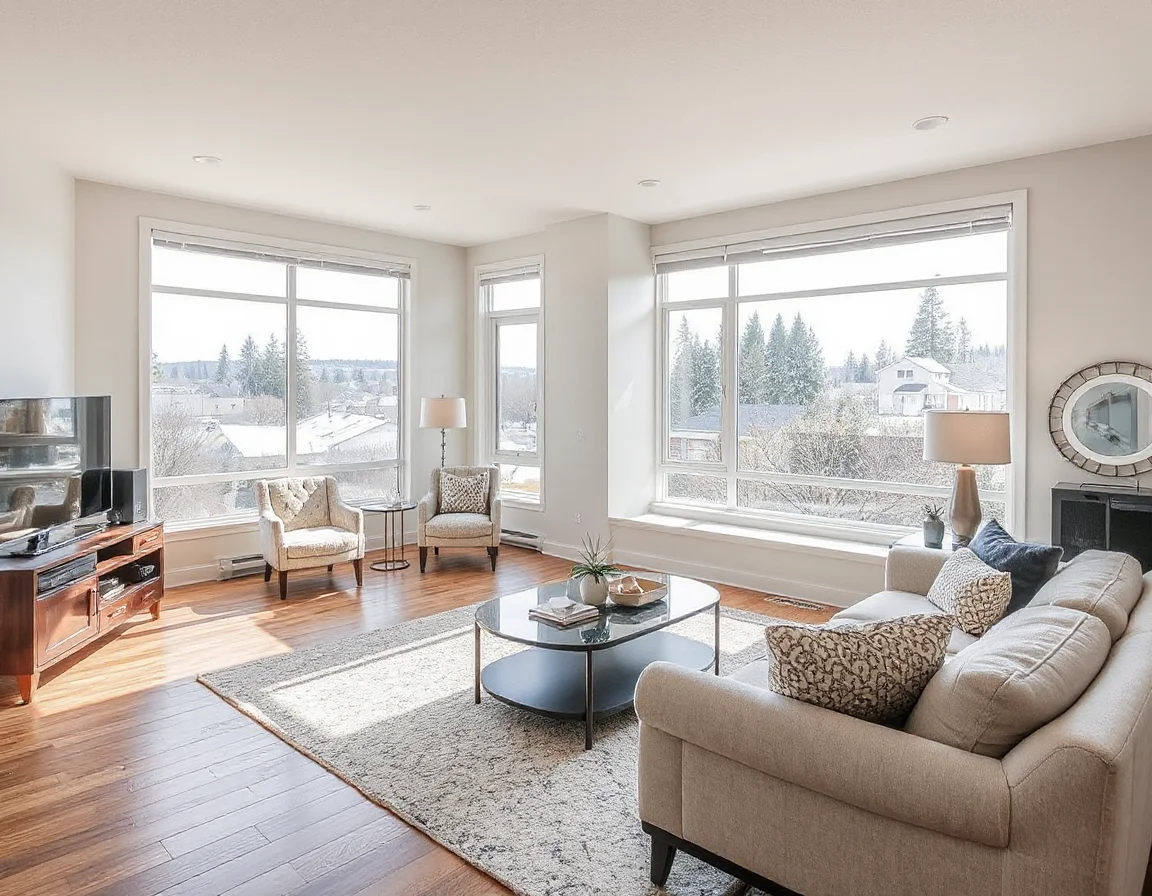
It is also helpful to look at the pace of pending sales. If similar homes repeatedly go pending soon after listing, the market may be signaling that correctly priced inventory remains limited. If several comparable properties remain active at once, a buyer may have room to be more selective about inspection terms, closing timing, or price—while still presenting an offer that is credible and responsive to the seller’s situation.
Condo documents deserve the same attention as the residence itself. Review the resale certificate, meeting minutes when available, reserve information, insurance details, rental restrictions, pet policies, anticipated maintenance, and any special assessments. These elements can affect monthly ownership costs and financing options, so they should be part of the initial comparison rather than an afterthought once an offer is underway.
Pricing Signals Sellers Should Watch Closely
For a seller, effective timing begins with an honest reading of alternatives. Before selecting a list price, compare recently closed sales with active and pending homes. Closed sales show what buyers have agreed to pay, active listings show the competition your property faces today, and pending homes may offer clues about where demand is concentrating. Each category answers a different question.
Price adjustments are another useful signal, but they require context. A reduction after a property has missed its initial launch window can attract renewed attention. On the other hand, frequent or small adjustments without a larger strategy may create uncertainty. The goal is to bring the home into alignment with the most relevant buyer comparisons, supported by polished preparation, clear disclosures, and photography that accurately reflects the space.
Monthly dues should be presented clearly rather than treated as a footnote. Buyers often compare the total monthly cost of ownership, including mortgage payment, taxes, insurance, parking, utilities where applicable, and association dues. If dues support meaningful services, building operations, or future maintenance planning, sharing that context can help prospective buyers evaluate the complete picture.
Presentation matters especially in a market with more choices. Small details such as lighting, decluttering, repairs, paint touch-ups, and a well-organized document package can reduce friction. The aim is not to disguise a property’s character; it is to make its best features easy to understand from the first online viewing through an in-person visit.
Use Building-Level Details to Make Smarter Timing Decisions
Every condominium building carries its own story. Some have a limited number of residences and few sales each year, which can make month-to-month statistics unreliable. Others have enough turnover to create a more visible pattern in pricing and days on market. In both cases, a building-specific review can clarify whether a listing is an outlier, a close match for past sales, or part of a broader shift in buyer expectations.
Ask practical questions when reviewing a building: How often have similar units sold? What amenities and services are included in dues? Are there upcoming capital projects? How does parking compare with nearby alternatives? Are views, outdoor areas, storage, and floor level meaningful differentiators? The answers help transform a general “Bellevue condo market” conversation into a decision based on the home in front of you.
Local access also shapes demand in different ways. Bellevue offers a mix of parks, waterfront access, cultural destinations, employment centers, transit connections, and everyday services. Rather than assuming one feature matters equally to every buyer, consider how a residence connects to the places and routines that matter most to your own household. This approach keeps the search focused and makes tradeoffs easier to evaluate.
A well-priced condo is not simply priced below competing listings; it is positioned clearly against comparable homes, monthly costs, building condition, and the features buyers can see immediately.
A Practical Next Step for Buyers and Sellers
Smart timing is an ongoing process, not a prediction contest. Buyers can build a short list, monitor changes weekly, and be ready to evaluate a strong match without rushing through due diligence. Sellers can prepare early, review the most relevant competition, and choose a launch plan that gives the property a clear first impression.
Whether you are comparing condominium options or preparing to bring one to market, the best decisions come from current information and careful comparison. A focused review of Bellevue inventory, recent sales, property documents, and building-level details can turn broad market signals into a strategy that fits your goals.